


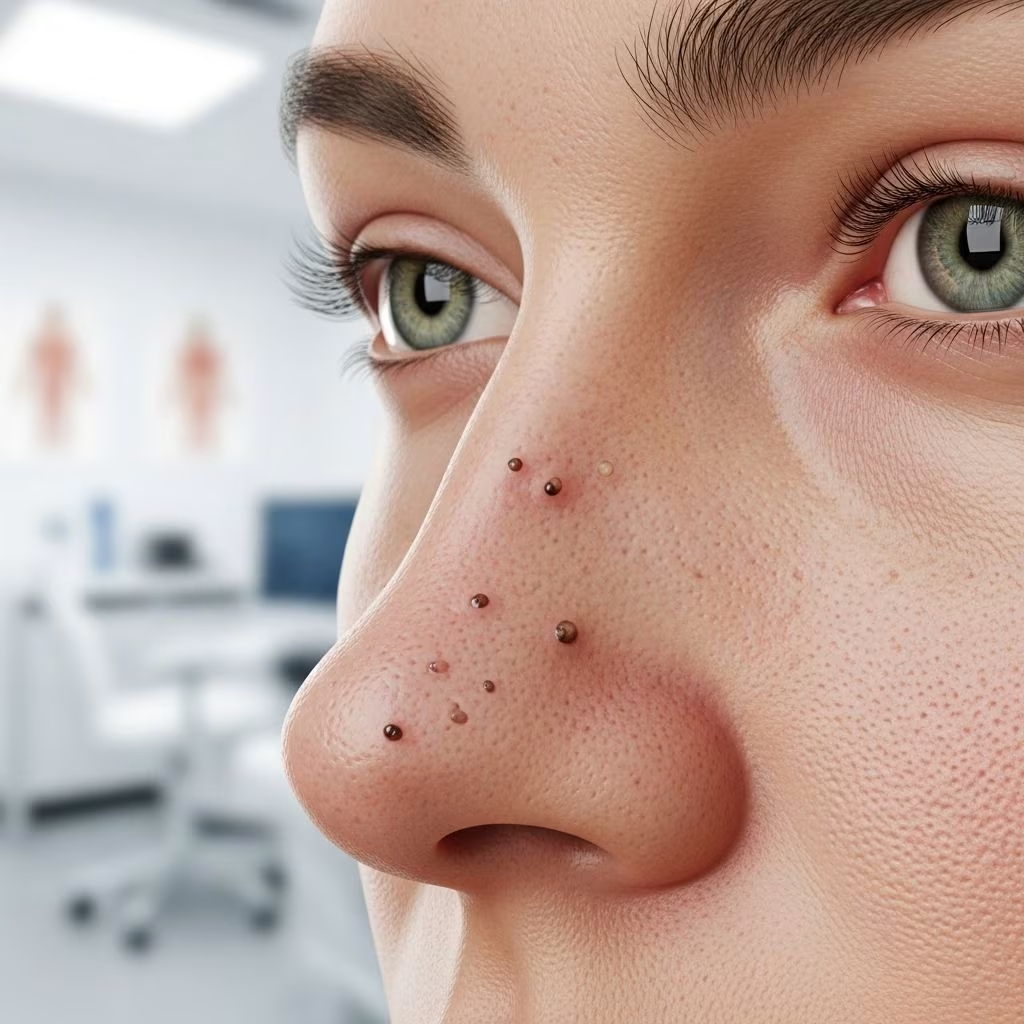
What Are Comedones?
Comedones are a common, mild form of acne that appear as small, flesh-colored, white, or dark bumps across the skin—especially on the face, chin, cheeks, and forehead—creating a rough, uneven texture. These bumps are formed when hair follicles become clogged with a mix of sebum (skin oil) and dead skin cells. The blockage causes the follicle to swell, resulting in the characteristic bump. Depending on whether the pore remains open or closed, comedones are classified as either open or closed.
Types of Comedones
There are two main types of comedonal acne, each with distinct characteristics:
- Open Comedones (Blackheads): These develop when the pore remains open to the surface, allowing the trapped oil and dead skin cells to oxidize and turn black—hence their name. Contrary to popular belief, these dark spots are not dirt but are simply material that has reacted with air inside the pore.
- Closed Comedones (Whiteheads): These form when the pore is completely sealed off by skin, preventing the trapped contents from oxidizing. They appear as small, white or flesh-colored bumps just beneath the skin’s surface. In some cases, particularly with macrocomedones, these can be large enough to see and feel clearly, while microcomedones are too small to see without magnification.
Causes of Open and Closed Comedones
The root cause of both open and closed comedones is the same: clogged hair follicles due to a combination of excess sebum, dead skin cells, and sometimes bacteria. However, certain factors can tip the balance toward one type over the other or exacerbate their formation:
- Excess Oil Production: Overactive sebaceous glands increase the likelihood of clogged pores, especially in individuals with naturally oily skin.
- Dead Skin Cell Buildup: When dead skin cells are not shed properly, they mix with oil and plug the follicle, leading to comedone formation.
- Bacterial Colonization: The presence of Propionibacterium acnes can worsen both types of comedones, but is more likely to cause inflammation in closed comedones, as bacteria thrive in the trapped environment.
- Hormonal Fluctuations: Changes in hormones, especially during puberty, menstruation, pregnancy, or with certain medications, can trigger increased oil production and clogged pores.
- Cosmetic and Skincare Products: Heavy, oil-based makeup or skincare products labeled as “comedogenic” can contribute to pore blockage and comedone formation.
- Environmental Factors: Pollution, humidity, and sweating can also contribute to clogged pores.
Identifying Comedones: Symptoms and Signs
Comedonal acne is typically non-inflammatory, so there is usually little to no redness or swelling. The main visible signs are:
- Open Comedones (Blackheads): Dark, small dots at the surface of your skin, most often on the nose, chin, and forehead.
- Closed Comedones (Whiteheads): Small, white or flesh-colored bumps beneath the skin, often on the cheeks, chin, and forehead.
- Texture Changes: Skin may feel rough or bumpy to the touch, especially in areas with multiple comedones.
Differences Between Open and Closed Comedones
| Feature | Open Comedones (Blackheads) | Closed Comedones (Whiteheads) |
|---|---|---|
| Pore Opening | Open to the skin’s surface | Closed/sealed beneath the skin |
| Appearance | Small, dark dots | Small, white or flesh-colored bumps |
| Color Change | Oxidizes to black/dark color | Remains white or flesh-colored |
| Inflammation | Less likely to be inflamed | More likely to become inflamed and infected |
| Location | Face, nose, chin, neck, back, chest | Cheeks, chin, and forehead |
Treatment Options for Open and Closed Comedones
While the underlying causes are similar, the treatments for open and closed comedones differ slightly due to the structural differences in the pores.
Open Comedones (Blackheads)
- Avoid Picking or Squeezing: Trying to extract blackheads manually can cause scarring and skin damage.
- Chemical Exfoliants: Gentle salicylic acid scrubs or washes help dissolve the debris and oil that clog pores.
- Topical Retinoids: These encourage skin cell turnover, reducing the stickiness of cells that clog pores and speeding up regeneration.
- Regular Cleansing: Wash your face twice daily with a gentle cleanser to remove excess oil and debris.
Closed Comedones (Whiteheads)
- Do Not Pop: Resisting the urge to squeeze is crucial, as it won’t remove the clog and can cause irritation or infection.
- Noncomedogenic Products: Use makeup and skincare products labeled “noncomedogenic” to avoid further clogging of pores.
- Chemical Exfoliants: Products with salicylic acid or glycolic acid can help clear out dead skin cells and oil.
- Microneedle Pimple Patches: These deliver active ingredients like salicylic acid directly to the heart of the blemish.
Other Treatment Options
- Professional Extractions: Dermatologists may perform gentle extractions in-office, especially for stubborn or large comedones.
- Facials and Chemical Peels: These may be recommended for persistent cases to help deeply exfoliate and clear pores.
- Prescription Medications: In severe or persistent cases, your dermatologist may prescribe oral or stronger topical medications.
Prevention and Daily Skincare Routine
Consistent, gentle skincare can prevent the formation of new comedones and keep your skin clear:
- Daily Cleansing: Wash your face twice a day with a gentle cleanser to remove excess oil and impurities.
- Exfoliation: Use a chemical exfoliant 1–3 times a week to help prevent pore blockage.
- Moisturize: Even oily skin needs hydration. Use a lightweight, noncomedogenic moisturizer.
- Protect: Apply sunscreen daily, as sun exposure can worsen acne and skin texture.
- Diet and Hydration: Drink plenty of water and maintain a balanced diet rich in vitamins and antioxidants.
- Noncomedogenic Products: Always check labels to ensure your makeup, sunscreen, and other products do not clog pores.
Myths and Misconceptions
There are many myths surrounding blackheads and whiteheads. Here are a few clarifications:
- Blackheads are not dirt: The dark color is caused by oxidation, not dirt trapped in the pore.
- Squeezing is not effective: Squeezing comedones can cause scarring, infection, and even more breakouts.
- Skincare products cannot ‘shrink’ pores: While keeping pores clear can make them less noticeable, you cannot permanently shrink their size with skincare products.
Frequently Asked Questions (FAQs)
Q: Are blackheads and whiteheads the same as acne?
A: Yes, both are forms of non-inflammatory acne, sometimes called comedonal acne. They are usually the first stage of acne development.
Q: Can I pop or extract my blackheads at home?
A: It is not recommended. Extracting blackheads at home can cause scarring and skin damage. Professional extraction is safer and more effective.
Q: Will pore strips remove blackheads permanently?
A: Pore strips may temporarily remove some surface debris, but they do not address the root cause of blackheads and may irritate the skin.
Q: Why do I get blackheads and whiteheads even when I wash my face every day?
A: Daily washing helps, but excess oil, dead skin cells, hormonal changes, and certain products can still cause comedone formation. Consider adding gentle exfoliation and noncomedogenic products to your routine.
Q: How long does it take to see results from treatment?
A: Results can take several weeks to a few months, as it takes time for the skin to renew itself and for treatments to unclog pores.
Q: Can diet affect comedonal acne?
A: While research is still evolving, some evidence suggests that a diet high in processed foods and sugar may worsen acne for some individuals.
Understanding both open and closed comedones is key to treating and preventing them effectively. With consistency and the right skincare routine, most people can achieve clearer, healthier skin.
References
- https://www.herocosmetics.us/blogs/news/open-closed-wth-are-comedones
- https://www.spamedica.com/blog/complete-guide-on-comedonal-acne/
- https://www.cerave.com/skin-smarts/skin-concerns/acne/whiteheads-vs-blackheads
- https://my.clevelandclinic.org/health/diseases/22039-whiteheads
- https://www.americanskin.org/resource/acne.php
- https://pmc.ncbi.nlm.nih.gov/articles/PMC10939092/
- https://www.healthline.com/health/beauty-skin-care/blackheads-vs-whiteheads
- https://www.cerave.com/skin-smarts/skincare-tips-advice/understanding-and-treating-different-types-of-acne
- https://www.centexderm.com/blog/whiteheads-vs-blackheads/


