


Patches vs. Creams: Which Spot Tx is Best?
For anyone battling sudden pimples or persistent blemishes, the choice between acne patches and spot treatment creams can feel overwhelming. Both have their place in modern skincare, but understanding their mechanisms, effectiveness, and ideal use cases is crucial for picking the right solution for your skin. This comprehensive guide investigates patches versus creams for spot treatment (Tx), covering scientific evidence, expert opinion, ingredient analysis, pros and cons, and targeted recommendations based on skin type and acne type.
Overview: Patches and Creams Defined
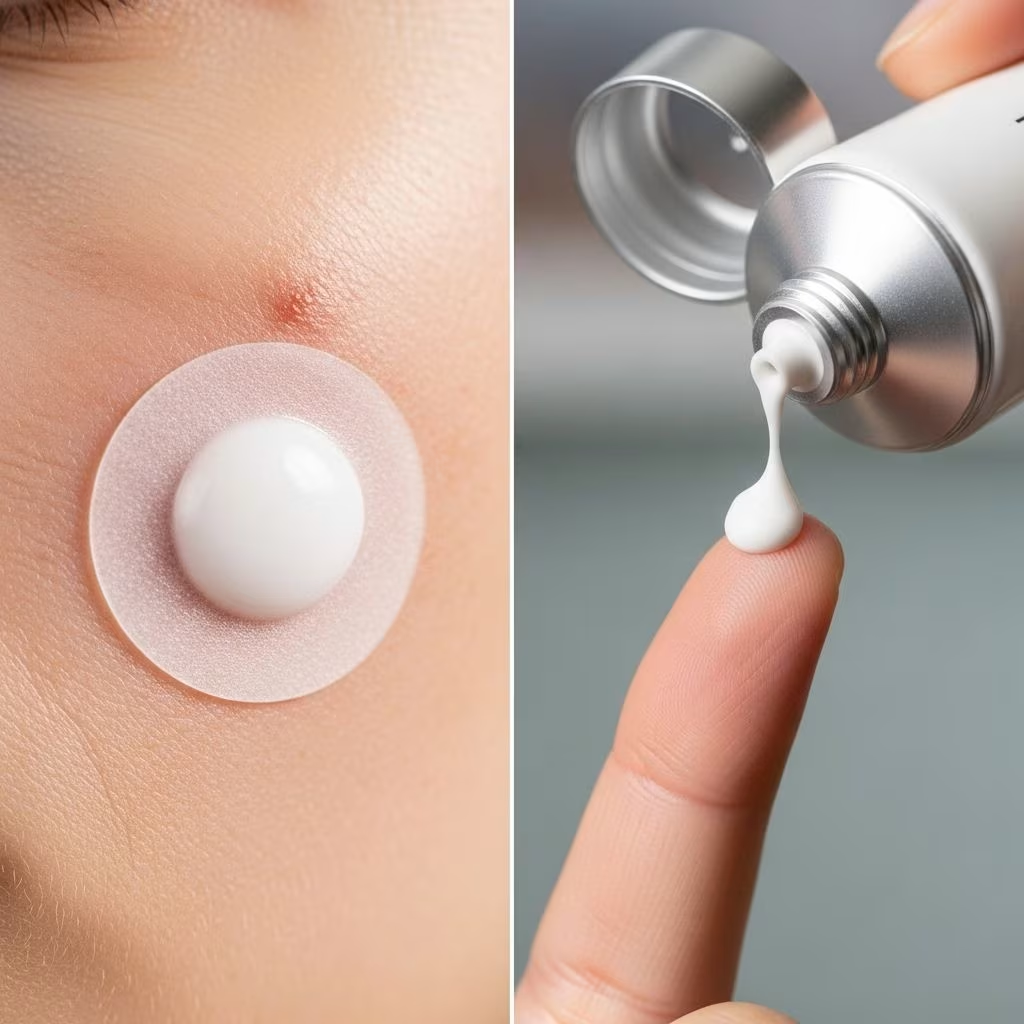
Patches—often called acne patches, pimple patches, or hydrocolloid patches—are small, adhesive barriers placed directly over a blemish. Developed primarily for overnight use, these patches absorb pus and fluids, protect the spot from environmental irritants, and foster healing by maintaining a moist microenvironment.
Creams and Spot Treatments are topical formulations—gels, lotions, ointments, or serums—applied directly onto affected areas. They usually boast active ingredients like benzoyl peroxide, salicylic acid, tea tree oil, or retinoids that penetrate skin to unclog pores, kill acne-causing bacteria, and reduce inflammation.
How Patches and Creams Work
Patches (Hydrocolloid and Medicated)
- Comprised primarily of hydrocolloid—a moisture-absorbing, wound-healing material that draws out pus and fluid from the pimple while preventing contamination.
- Some contain added active ingredients, such as salicylic acid or tea tree oil; others are purely protective and healing.
- Protect the spot from picking, environmental pollutants, bacteria, and friction caused by things like pillowcases or makeup.
Creams & Spot Treatments
- Available as gels, creams, lotions, and serums applied directly onto the blemish surface.
- Deliver potent active ingredients that penetrate skin’s surface, targeting inflammation, excess oils, and bacteria that fuel acne.
- Do not offer physical protection, but can be tailored to specific acne types (e.g. cystic, inflamed, deep pimples).
Spot Tx Ingredients Compared
| Ingredient | Patches | Creams/Spot Treatments |
|---|---|---|
| Hydrocolloid | Common (Absorbs pus, protects) | Rare |
| Salicylic Acid | Some medicated patches | Common; unclogs pores |
| Benzoyl Peroxide | Rare | Frequent; kills bacteria |
| Tea Tree Oil | Occasional | Occasional |
| Retinoids | Rare | Best for persistent acne |
| Sulfur | Some patches | Common in spot tx |
| Zinc | Occasional | Occasional |
Most patches rely on hydrocolloid’s wound-healing properties; creams focus on chemical exfoliants, anti-bacterial, and anti-inflammatory agents for deeper penetration and quicker spot reduction.
Effectiveness by Acne Type
Which Spot Tx Is Most Effective For…
- Whiteheads, Surface-Level Pimples: Patches excel due to their ability to absorb pus and fluid, reduce swelling, and prevent contamination.
- Cystic, Deep, Inflamed Pimples: Creams (especially with salicylic acid and benzoyl peroxide) penetrate deeper layers of skin, targeting root inflammation and bacteria.
- Prevention and Recurrence: Creams are often used as part of routine care to prevent future breakouts, while patches are more for acute treatment when a breakout appears.
- Stopping Picking or Scarring: Patches discourage habitual picking and physically protect blemishes, reducing risk of scarring and PIH (Post-Inflammatory Hyperpigmentation).
- Quick Relief Before Important Events: Patches may provide a visible reduction overnight for surface pimples; creams work more slowly for deep inflammation.
Best Spot Tx for Your Skin Type
- Sensitive Skin: Patches are less drying and milder than most creams, making them preferable for easily irritated skin (especially those prone to redness and flaking).
- Oily or Combination Skin: Creams with exfoliants and antibacterial agents keep pores clear and can be effective for recurring breakouts.
- Dry Skin: Patches provide healing with minimal moisture loss; some creams are suitable if formulated without drying alcohols or high-dose acids.
- Mature Skin: Gentle patches may help heal spots without contributing to dryness or irritation common in aging skin, but creams with retinoids may target both blemishes and fine lines.
Pros and Cons Table
| Feature | Patches | Creams/Spot Tx |
|---|---|---|
| Ease of Use | Easy; stick and leave on | Simple; apply to spot |
| Visibility | Visible but often discreet | Invisible after drying |
| Protection | Barrier from picking/bacteria | No physical protection |
| Speed of Results | Overnight for surface spots | Days for deep/cystic spots |
| Skin Irritation | Low risk | Potential for dryness/flakiness |
| Cost | Moderate (single use) | Variable (longer-lasting) |
| Ideal Use | Surface pimple/whitehead | Deep/cystic or recurring |
Expert Tips: Using and Choosing Your Spot Tx
- Always clean your skin before applying any spot tx to minimize contamination and maximize efficacy.
- Leave patches on for at least 6–8 hours, ideally overnight; shorter application reduces effectiveness.
- Rotate products if experiencing multiple acne types: start with a cream for deep pimples, then switch to patches for healing and protection once the spot is closer to the surface.
- Test spot tx on a small area first if you have sensitive skin or allergies to key ingredients.
- Don’t combine strong creams and patches on the same spot simultaneously; this may cause excessive irritation unless product instructions specifically allow it.
- For recurring acne, consider prevention strategies: use creams as part of your overall skincare routine, supported by occasional targeted patches for urgent blemishes.
Can You Use Both? Integrated Strategies
Combining healing patches and potent creams offers a broader acne management strategy. Experts recommend this for individuals dealing with multiple acne types or wanting to cover all bases. For example:
- Apply spot treatment cream to deep or inflamed pimples for fast-acting reduction.
- Switch to a hydrocolloid patch on healing or open spots to prevent infection and picking.
- Alternate depending on your breakout cycle and skin’s response.
This integrative approach is especially helpful for those with unpredictable breakouts or when prepping for events.
Top Product Recommendations
- Hydrocolloid acne patches: Look for versions with added salicylic acid or tea tree oil for a dual healing/protective effect.
- Spot treatment creams/gels: Popular active ingredients include benzoyl peroxide (2.5–5%), salicylic acid (0.5–2%), and gentle tea tree oil formulas (diluted to avoid irritation).
- Clean beauty/natural options: Ayurvedic spot treatments and zinc-based formulations provide gentler, plant-derived alternatives for sensitive or reactive skin.
- Prescription-strength retinoids or antibiotics: For severe cases, consult a dermatologist for targeted, professional-grade creams or gels.
Frequently Asked Questions
Q: Can I use patches and creams together?
A: Yes, you can alternate them for different types or stages of blemishes, but avoid layering strong actives simultaneously unless directed by product instructions.
Q: Will pimple patches work for cystic or deep acne?
A: No, patches are best for surface-level pimples and whiteheads; creams with deep-penetrating ingredients work better for cysts.
Q: Are creams more likely to cause dryness or irritation?
A: Yes, creams with benzoyl peroxide or high-dose salicylic acid may dry or flake sensitive skin. Patches are typically milder.
Q: Are there natural options for spot tx?
A: Several brands offer ayurvedic or plant-based spot treatments containing zinc, tea tree oil, and sulfur—gentler options for those seeking clean beauty products.
Q: How long should I leave patches or creams on?
A: Patches need at least 6–8 hours; creams vary but often perform best when left overnight or per product directions.
Conclusion: Which Is Best?
The verdict is context-dependent: surface whiteheads and sensitive skin often respond best to the gentle extraction and protection of patches. Deep, inflamed, or cystic acne typically improves faster with spot treatment creams rich in targeted actives. For persistent or varied breakouts, a combined approach delivers the most reliable results. Always tailor your choice to your unique skin needs, consistent breakout patterns, and personal tolerance to ingredients—and consult a dermatologist for unexplained or severe skin conditions.
References
- https://neoderma.com/blogs/love-beautiful-skincare/acne-patches-vs-spot-treatments
- https://www.ashpveda.com/blogs/skin-care/acne-patch-vs-spot-treatment
- https://www.thesuperdots.com/blogs/news/pimple-patch-vs-spot-treatment
- https://eightsaintsskincare.com/blogs/page-eight/pimple-patch-vs-acne-spot-treatment-whats-the-difference
- https://www.hanhoousa.com/a/blog/spot-treatments-vs-hydrocolloid-patches
- https://fashionjournal.com.au/beauty/road-test-spot-treatment/
- https://www.mayoclinic.org/diseases-conditions/acne/in-depth/acne-treatments/art-20045814
- https://nfpatch.com/blogs/news/comparing-creams-lotions-and-skincare-patches-which-is-best-for-your-skin


