


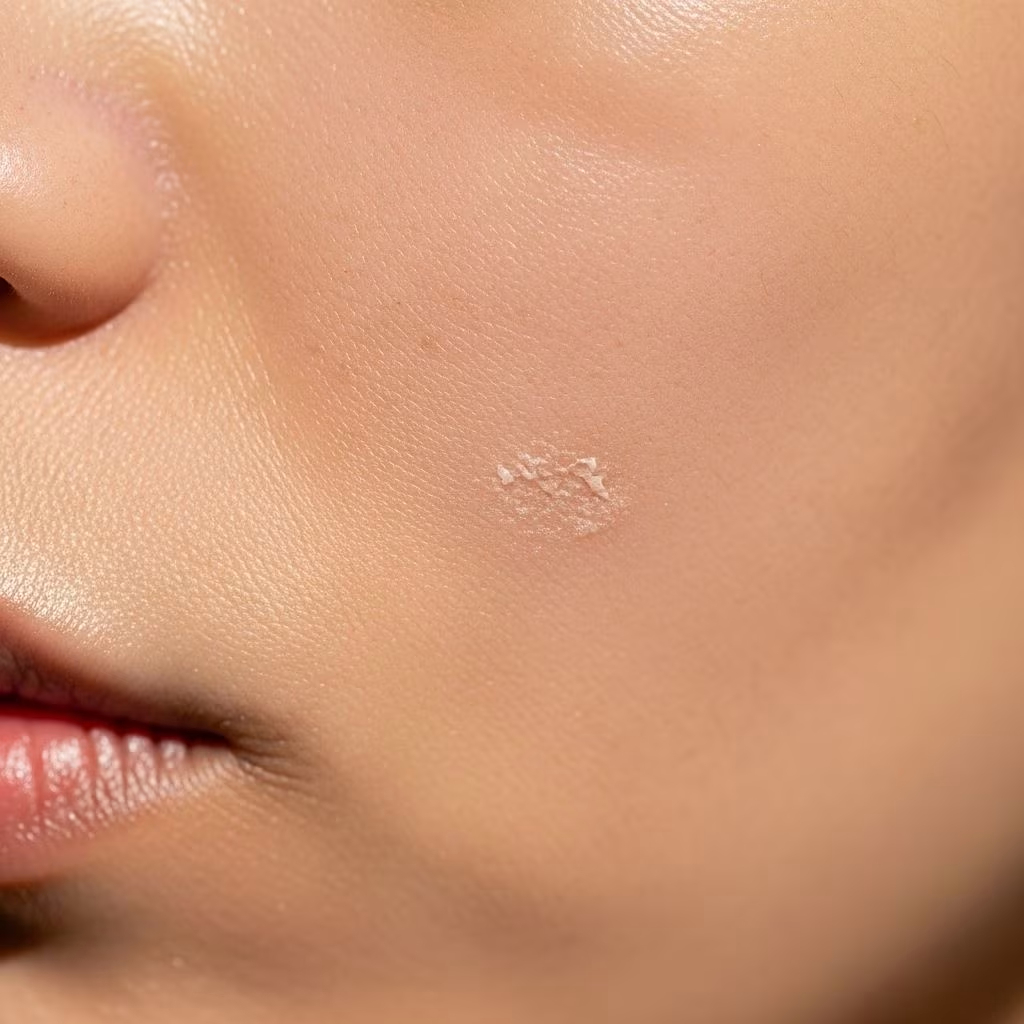
Spot treatments have revolutionized the way we deal with blemishes, bringing potent, targeted relief directly to individual breakouts. However, while they effectively shrink spots, many users experience dryness and flaking as an unintended—and often frustrating—side effect. This guide provides a comprehensive roadmap to understanding, preventing, and managing flaking caused by spot treatments, ensuring you achieve clearer skin without sacrificing comfort or health.
Understanding Spot Treatments and Flaking
Spot treatments are designed for targeted action on individual pimples, dark spots, or post-acne marks. They typically come in gels, creams, serums, or patches and deliver high concentrations of active ingredients right where you need them most. However, this high-potency approach may also disrupt the skin’s barrier, leading to dryness, peeling, and flaking. Unlike moisturizers or leave-on serums, spot treatments are not usually intended for widespread application—and misuse or overuse can worsen irritation and dryness .
Why Do Spot Treatments Cause Flaking?
Flaking occurs when spot treatments severely dry out the targeted patch of skin. Many spot treatments contain keratolytic ingredients designed to speed up cell turnover or dry out the blemish, which in turn strips away moisture. When the skin barrier is compromised, it leads to:
- Visible dry patches
- Peeling or shedding skin
- Redness, tightness, or discomfort
Addressing this effect requires understanding both the causes and the correct preventive measures.
Common Spot Treatment Ingredients and Why They Cause Flaking
Several powerful ingredients are commonly used in spot treatments. While highly effective at combating acne and hyperpigmentation, they are also notorious for causing dryness and flaking when used improperly :
| Ingredient | Primary Purpose | Side Effect(s) |
|---|---|---|
| Benzoyl Peroxide | Kills acne-causing bacteria, dries excess oil | Dryness, flaking, irritation |
| Salicylic Acid | Unclogs pores, exfoliates dead skin | Peeling, redness, stinging |
| Alpha Hydroxy Acids (AHAs) | Removes dead skin, smooths texture | Dry, flaky patches, sensitivity |
| Sulfur | Absorbs excess oil, anti-inflammatory | Scaling, dryness, strong odor |
| Retinoids (retinol, tretinoin, adapalene) | Boosts cell renewal, fades dark spots | Peeling, redness, dryness |
| Tea Tree Oil | Antibacterial, reduces inflammation | Allergic reaction, irritation, flakiness |
Awareness of these ingredients and their side effects can help you select spot treatments wisely and employ strategies to minimize flaking.
How to Prevent Flaking From Spot Treatments
Preventing flaking is more effective than simply treating it after the fact. Incorporate these strategies into your routine:
- Choose Gentle Formulations: Opt for lower concentrations of actives or formulations designed for sensitive skin. Look for added hydrators such as hyaluronic acid and niacinamide that help preserve skin barrier function.
- Start Slowly: If you are new to active spot treatments, build up tolerance gradually (e.g., alternate nights, then daily). This minimizes irritation and gives your skin a chance to adapt.
- Apply Only on the Spot: Be precise—use a clean cotton swab or fingertip to apply just enough product to cover the blemish. Spreading spot treatments over healthy skin increases the risk of dryness.
- Use a Buffer: For sensitive skin, first apply a thin layer of a gentle, non-comedogenic moisturizer to the area, then the spot treatment. This ‘buffering’ technique dilutes harsh actives’ impact on skin.
- Seal with Moisturizer: Let the spot treatment dry, then top with a non-comedogenic moisturizer to lock in hydration and supplement the skin barrier .
- Avoid Overlapping Actives: Don’t use other drying or exfoliating products (like retinoids or harsh cleansers) on the same area as your spot treatment.
Managing and Treating Flaky, Dry Skin
If you notice dryness, peeling, or flakes after using spot treatments, it’s important to change your skincare approach to aid healing.
Steps to Soothe and Repair Flaky Skin:
- Pause Irritating Products: Stop using spot treatments, exfoliants, foaming cleansers, and anything with alcohol or fragrance on affected areas until irritation subsides .
- Switch to Gentle Cleansers: Use hydrating, fragrance-free, non-foaming cleansers to avoid further stripping your skin.
- Moisturize Generously: Apply a thick layer of non-comedogenic moisturizer when your skin feels dry, ideally while it’s still slightly damp to trap in extra moisture .
- Try Ointments for Severe Flakes: For extremely dry patches, use ointments like petroleum jelly overnight.
- Protect From Environmental Triggers: Avoid hot water, limit shower time, and protect skin from wind or low humidity.
- Resume Spot Treatment Cautiously: Once skin heals, reintroduce spot treatments slowly and only as needed.
Recommended Ingredients for Recovery
- Ceramides: Help repair the natural skin barrier.
- Hyaluronic Acid: Hydrates and replenishes parched skin.
- Niacinamide: Calms inflammation and supports barrier restoration.
- Glycerin: Attracts water into the skin for added softness.
Ideal Skincare Routine to Minimize Flaking
A balanced daily routine is essential for those using spot treatments. Here’s an evidence-based sample routine to maintain hydration and fend off flaking:
- AM:
- Gentle, hydrating cleanser
- Hydrating toner or essence (if tolerated)
- Lightweight, non-comedogenic moisturizer
- Oil-free, broad-spectrum SPF 30+ sunscreen
- PM:
- Gentle, non-foaming cleanser
- If needed, a buffer layer of moisturizer on areas to be treated
- Spot treatment only on blemishes, not on clear or flaky skin
- Finish with moisturizer or barrier ointment on healing areas
And always listen to your skin—scale back frequency or concentration if irritation develops.
Key Dos and Don’ts When Using Spot Treatments
| Do | Don’t |
|---|---|
|
|
Most Effective Spot Treatment Products and Forms
Depending on your preferences and skin type, several forms of spot treatments can minimize flaking risk:
- Hydrocolloid Patches: These work by absorbing fluid from blemishes, creating a protective barrier, and preventing picking. Many users find they reduce irritation and keep spots hydrated, which significantly cuts down on flaking .
- Creams and Gels: Lightweight formulas containing salicylic acid, niacinamide, and hydrators can be effective when used sparingly and topped with moisturizer.
- Sulfur-based Formulas: Absorb oil and target blemishes, but may need added hydration or buffering to avoid peeling.
- Modern Multi-Ingredient Treatmenst: Treatments that combine skin-soothing ingredients (like hyaluronic acid, allantoin, and panthenol) with actives are usually gentler on skin.
Always opt for non-comedogenic, fragrance-free options if you’re prone to sensitivity, and consider consulting a dermatologist for personalized recommendations on chronic or severe acne.
Frequently Asked Questions
Q: Is it normal for skin to flake while using spot treatments?
A: Mild flaking can happen, especially with treatments containing strong actives like benzoyl peroxide or salicylic acid. However, excessive peeling or irritation is a sign that your skin may be too dry and needs extra care or a gentler approach.
Q: Should I stop using spot treatments if I see flaking?
A: If you notice severe flaking, it’s best to pause your spot treatments and focus on moisturizing and barrier repair. Once skin heals, reintroduce treatments gradually and consider trying a lower strength or buffered application.
Q: What type of moisturizer should I use with spot treatments?
A: Look for lightweight, oil-free products labeled ‘non-comedogenic.’ Moisturizers containing ceramides, hyaluronic acid, or niacinamide help strengthen the skin barrier and soothe irritation.
Q: Can I use spot treatments and exfoliators at the same time?
A: Combining these can overload your skin with actives, triggering more dryness and flaking. Avoid using them together on the same night or on overlapping areas.
Q: What should I do if over-the-counter spot treatments make flaking worse?
A: See a dermatologist, especially for moderate to severe acne or persistent side effects. Prescription treatments or alternate formulations might be more suitable for your skin.
References
- Good Housekeeping: Key spot treatment ingredients and effects
- Independent: Testing of spot treatments, flaking discussed
- Divine Dermatology: Routine changes for flaky acne-prone skin
- Dermstore: Moisturizing solutions for peeling skin
- L’Oréal Paris: Forms of spot treatments and care tips
- Mayo Clinic: Moisturizer and non-comedogenic product advice
- Independent: Hydrocolloid pimple patch efficacy
References
- https://www.goodhousekeeping.com/uk/product-reviews/beauty-reviews/g42186198/best-spot-treatments/
- https://www.the-independent.com/extras/indybest/fashion-beauty/skincare/best-spot-cream-treatment-acne-b1863267.html
- https://www.divinederm.com/blog/steps-to-get-rid-of-dry-flaky-acne-skin/
- https://www.lorealparisusa.com/beauty-magazine/skin-care/skin-care-concerns/spot-treatments
- https://imageskincare.com/products/clear-cell-clarifying-acne-spot-treatment
- https://www.mayoclinic.org/diseases-conditions/acne/in-depth/acne-treatments/art-20045814
- https://www.aad.org/public/diseases/a-z/dry-skin-self-care
- https://www.dermstore.com/blog/how-to-stop-peeling-skin-from-acne/
- https://www.neutrogena.com/products/skincare/on-the-spot-acne-treatment/6801790
- https://skintreatment.com/a/info/blog/how-to-reduce-dryness-flaking-and-peeling-from-surface-acne-medicines


