


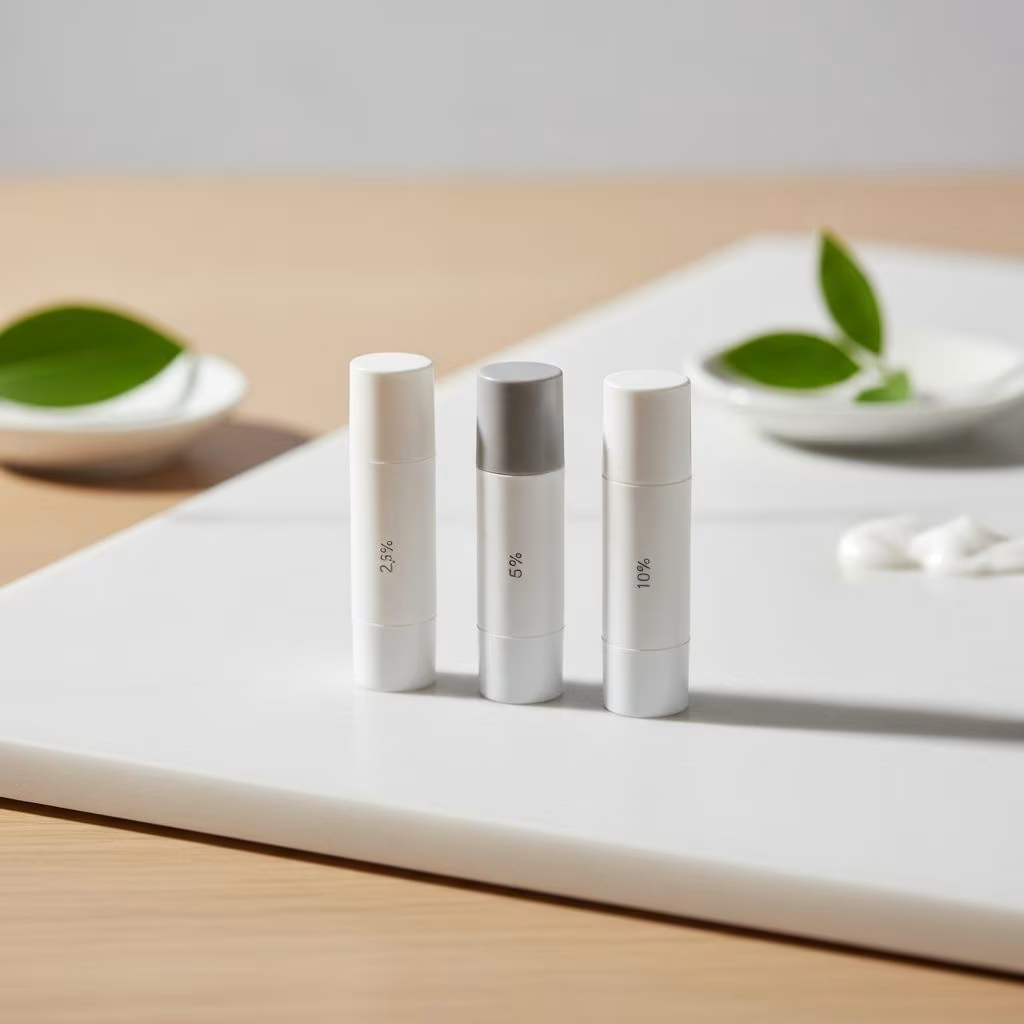
Benzoyl peroxide is one of the most renowned and trusted topical treatments for acne. But between the various concentrations available—2.5%, 5%, and 10%—how do you know which strength is best for your skincare routine? This in-depth guide explores the science, benefits, risks, and practical advice for selecting the right benzoyl peroxide spot treatment strength for your individual needs.
How Benzoyl Peroxide Works on Acne
Benzoyl peroxide is a topical antibacterial agent widely used to treat mild to moderate acne. Its multi-faceted mechanism targets both the causes and symptoms of acne:
- Kills acne-causing bacteria: Especially effective against Cutibacterium acnes (formerly Propionibacterium acnes).
- Unclogs pores: Its keratolytic action sheds dead skin cells, helping keep pores clear.
- Reduces oil/ sebum: Mildly sebostatic, it decreases excessive oil which fuels breakouts.
- Reduces inflammation: Oxygen released during metabolism lowers inflammatory responses.
Benzoyl peroxide is found in a variety of forms, including gels, creams, facial washes, and leave-on spot treatments. It works rapidly, with noticeable bacterial reduction in as little as two weeks of daily use at higher strengths, and remains highly effective without fostering antibiotic resistance.
Understanding Benzoyl Peroxide Spot Treatment Strengths
Benzoyl peroxide spot treatments are commonly available in concentrations of 2.5%, 5%, and 10%. The right choice depends on acne severity, skin type, and personal tolerance.
2.5% Benzoyl Peroxide
- Recommended for beginners, sensitive skin, or teens.
- Gentler, with minimal irritation compared to higher strengths.
- Clinical trials show it is as effective as higher concentrations for most cases of mild to moderate acne.
- Ideal for facial application and daily use.
5% Benzoyl Peroxide
- Suitable for mild to moderate acne and for those with slightly more resilient or oily skin.
- Balanced efficacy—works faster than 2.5% in some studies, though with a mildly increased risk of dryness or redness.
- Common choice for both face and body, with moderate risk of irritation.
10% Benzoyl Peroxide
- Reserved for severe acne or thicker skin areas, such as the back, chest, or shoulders.
- Can cause high irritation and is not generally recommended for facial use unless directed by a healthcare provider.
- Recommended to start slowly and use significant moisturization and sun protection.
Comparison Table: 2.5%, 5%, and 10% Strengths
| Strength | Best For | Pros | Cons |
|---|---|---|---|
| 2.5% | Sensitive skin, first-timers, mild facial acne | Low irritation, effective for most users | May take longer to see dramatic results |
| 5% | Mild to moderate acne, oily/ resilient skin | Balanced efficacy; suitable for face or body | Slightly more dryness than 2.5% |
| 10% | Severe or body acne (back, chest, shoulders) | Maximal antibacterial action | High irritation risk, not ideal for facial skin |
Choosing the Right Concentration For You
Choosing a benzoyl peroxide spot treatment strength depends on several critical factors:
- Skin type: Those with dry or sensitive skin should start with 2.5%. Oily or resilient skin may tolerate 5%.
- Acne severity: Mild to moderate cases are well-managed with 2.5% or 5%. 10% is best reserved for persistent, severe breakouts on thicker body areas.
- Previous tolerance: If you’re new to benzoyl peroxide, start low and increase only if needed and well-tolerated.
- Location of breakout: Face tends to be more sensitive—favor lower strengths. Back or chest can generally handle 10% if necessary.
Dermatological consensus: Higher concentrations do not always provide better results and may increase side effect risk. In fact, several controlled studies show that 2.5% and 5% can be roughly equivalent in efficacy, while stronger formulas increase irritation without substantial benefit.
Safe & Effective Application Tips
- Patch test before your first use to identify allergic reaction or extreme sensitivity.
- Start with limited application: Apply a thin layer once daily, then gradually increase to two times per day as tolerated.
- Cleanse gently: Wash with a mild, non-comedogenic cleanser before application.
- Moisturize generously: Benzoyl peroxide is drying. Use a non-comedogenic moisturizer to support skin barrier health.
- Use sun protection: Benzoyl peroxide can increase photosensitivity. Wear SPF daily, especially during daytime use.
- Do not mix with retinol/ AHAs/ BHAs: Unless prescribed by a dermatologist, combining actives may increase irritation risk.
- Avoid eye, mouth, and mucous membranes: Application in these regions can cause significant irritation.
Side Effects & How to Prevent Them
Common side effects include dryness, redness, mild burning, and flaking. Prevention and management include:
- Start with a lower concentration and increase gradually if needed.
- Apply moisturizer liberally, especially before bedtime.
- Do not overuse: More frequent application does not mean better results and can over-irritate skin.
- If using other topical acne medications (like retinoids), stagger their application or consult a dermatologist for guidance.
- Wash hands thoroughly after application—BPO can bleach fabrics (towels, pillowcases, clothing).
What Dermatologists Recommend
Consensus among dermatology experts highlights the importance of starting with lower strengths and personalizing the regimen:
- “Begin with 2.5% for facial acne. Increase to 5% if needed and tolerated. Reserve 10% for body acne only.” — Dr. Arora, Dermatologist
- Clinical trials show 2.5% is as effective as higher strengths for reducing inflammatory lesions, but with less frequent side effects.
- For persistent or resistant acne, consult a dermatologist for tailored advice. In some cases, combination therapy or systemic medications may be needed.
Frequently Asked Questions (FAQs)
Q: Is higher strength benzoyl peroxide more effective?
A: Not necessarily. Scientific studies demonstrate that 2.5% and 5% are equally effective for most users, while higher strengths primarily increase risk of irritation without greater efficacy.
Q: Can I use 10% benzoyl peroxide on my face?
A: 10% BPO is generally reserved for thicker skin areas like the back or chest. On the face, it frequently causes excessive dryness, redness, and peeling—so lower strengths are preferred unless specifically advised by a dermatologist.
Q: How long does it take to see results?
A: Most people notice improvement in acne in 2–4 weeks of consistent use. Maximum results typically occur after 8–12 weeks. Continue use unless advised otherwise or if excessive irritation develops.
Q: What should I avoid while using benzoyl peroxide?
A: Avoid concurrent use with strong exfoliants (like AHA/BHA) or retinoids unless prescribed. Always protect your skin with SPF and avoid applying to broken skin or mucous membranes.
Q: Will benzoyl peroxide bleach my towels?
A: Yes, benzoyl peroxide is known to bleach fabrics and colored materials. Use white towels, pillowcases, and wear old clothes during use to avoid accidental bleaching.
Summary & Takeaway
Choosing the right benzoyl peroxide spot treatment strength is about balancing efficacy and tolerability:
- Start with 2.5% for most facial acne, especially if you have sensitive or dry skin.
- 5% BPO is effective for mild to moderate acne or slightly more resistant skin types.
- 10% BPO is best saved for severe, body-based breakouts—never start with this unless a healthcare provider instructs you to.
- Always patch test and start slow. Combine with moisturizer and sun protection for the safest, most consistent results.
- If you experience excessive redness, burning, or no improvement after 12 weeks, consult a dermatologist to optimize your regimen.
In acne therapy, personalizing your benzoyl peroxide spot treatment strength is critical for maximizing results with minimal side effects. With careful selection and mindful application, benzoyl peroxide remains a cornerstone ingredient for clear, resilient skin.
References
- https://india.wildoak.store/blogs/skincare-ingredients/what-percentage-of-benzoyl-peroxide-should-you-use
- https://pubmed.ncbi.nlm.nih.gov/2948929/
- https://www.ncbi.nlm.nih.gov/books/NBK537220/
- https://www.healthline.com/health/benzoyl-peroxide-for-acne
- https://www.cerave.com/ingredients-in-cerave/benzoyl-peroxide
- https://www.skincare.com/expert-advice/ask-the-expert/benzoyl-peroxide-vs-salicylic-acid
- https://incidecoder.com/ingredients/benzoyl-peroxide
- https://www.medicalnewstoday.com/articles/benzoyl-peroxide-for-acne


