


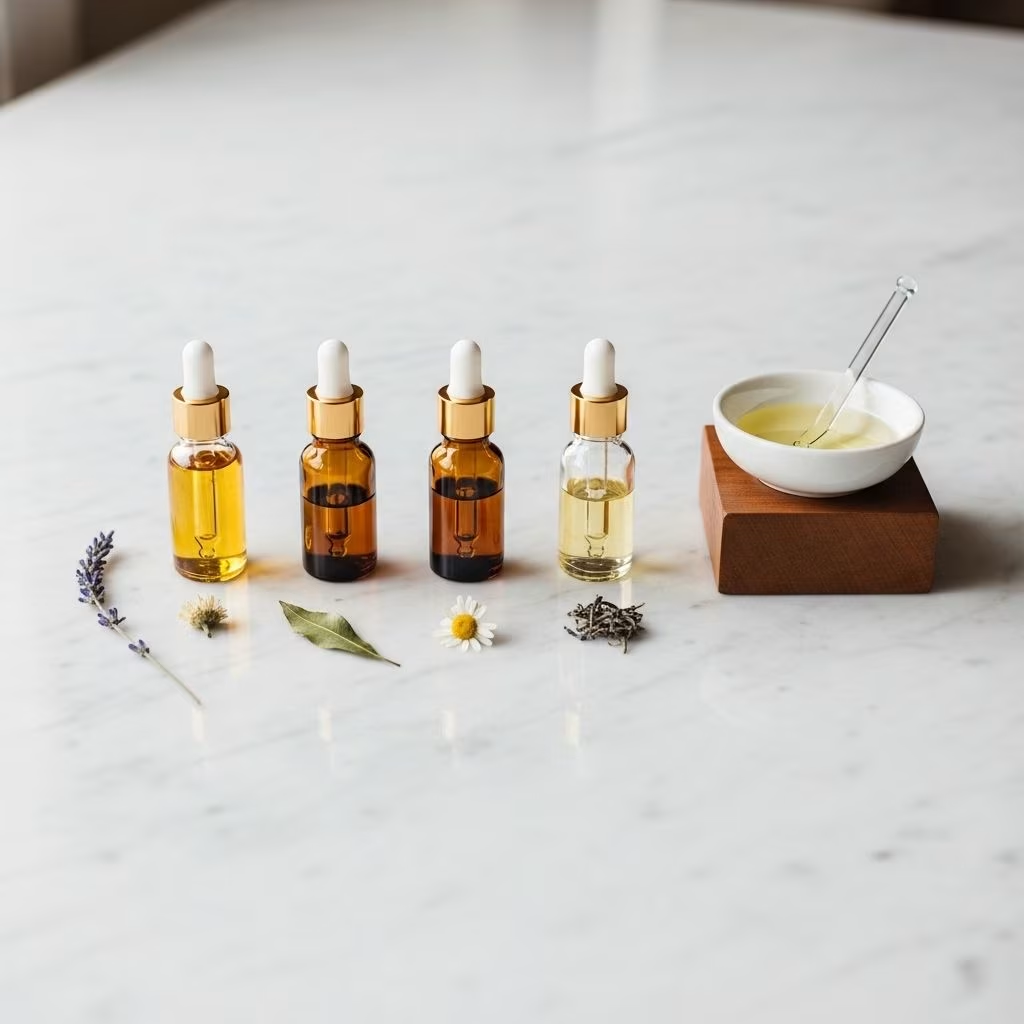
Introduction to Essential Oil Spot Treatment
Essential oils have been utilized for centuries in skincare due to their potent properties, which can help manage various skin conditions, including acne. This article provides an in-depth guide on using essential oils as a spot treatment for acne, covering the best practices, recommended oils, and safety precautions.
Understanding Essential Oils in Skincare
Essential oils are highly concentrated plant extracts that offer a range of benefits for the skin. They can be used to soothe, nourish, and protect the skin, making them a popular choice for natural skincare routines. However, it’s crucial to dilute essential oils with carrier oils before applying them to the skin to avoid irritation.
Key Essential Oils for Acne Treatment
- Tea Tree Oil: Known for its antibacterial properties, tea tree oil is effective in reducing acne by targeting the bacteria that cause breakouts.
- Lavender Oil: Soothes the skin and can help reduce inflammation and scarring associated with acne.
- Eucalyptus Oil: Offers anti-inflammatory properties that can help soothe painful acne.
- Lemongrass Oil: Combines antibacterial and anti-inflammatory effects, making it useful for acne management.
Dilution Ratios and Application Methods
When using essential oils for spot treatments, it’s essential to follow proper dilution guidelines. A common ratio is 1-3 drops of essential oil per teaspoon of carrier oil. Carrier oils like jojoba, coconut, or sweet almond oil are recommended for their moisturizing and soothing properties.
Application Methods
- Spot Treatment: Mix a few drops of essential oil with a carrier oil and apply directly to individual pimples or blemishes using a cotton swab.
- Facial Compress: Add a few drops of essential oil to warm water, soak a clean cloth, wring it out, and apply it to the face for a few minutes.
- Body Lotion: Mix essential oils into a fragrance-free lotion for overall skin health and acne prevention.
Safety Precautions
Always perform a patch test before using a new essential oil to ensure you don’t have any sensitivity or allergic reactions. Avoid applying essential oils to damaged or sensitive skin, and keep them out of reach of children and pets.
Using Essential Oils Based on Skin Type
Choosing the right essential oils can depend on your skin type:
- Oily Skin: Tea tree, lemon, and eucalyptus oils help regulate oil production.
- Dry Skin: Lavender, sandalwood, and rose oils are ideal for moisturizing.
- Sensitive Skin: Chamomile and ylang-ylang oils are gentle and soothing.
Frequently Asked Questions (FAQs)
Q: Can I apply essential oils directly to the skin without dilution?
A: No, it’s crucial to dilute essential oils with a carrier oil to avoid skin irritation and ensure safe use.
Q: How often should I apply essential oils for acne treatment?
A: Apply essential oil mixtures to blemishes 3-5 times per day, adjusting frequency based on skin sensitivity.
Q: Are essential oils a cure for acne?
A: Essential oils can help manage acne symptoms but should not be considered a cure. They are best used as a supplementary treatment alongside prescribed medications.
Conclusion
Essential oils offer a natural, effective way to manage acne through spot treatments. By understanding the best essential oils for acne, following proper dilution guidelines, and using them safely, individuals can enhance their skincare routines and reduce acne breakouts.
References
- https://essentialthree.com/aromatherapy-solutions-teenage-acne/
- https://www.essentialoilscompany.com/blogs/articles/how-to-use-essential-oils-on-skin
- https://nikura.com/blogs/living-well/the-best-essential-oils-for-treating-acne
- https://pmc.ncbi.nlm.nih.gov/articles/PMC9824697/
- https://www.newdirectionsaromatics.com/blog/a-complete-guide-to-essential-oils-for-skin/
- https://www.nowfoods.com/healthy-living/articles/diluting-essential-oils
- https://www.chagrinvalleysoapandsalve.com/blogs/idas-soap-box-blog/essential-oil-basics-a-guide-to-dilution-rates
- https://www.pureoilsindia.com/blog/essential-oils-for-acne
- https://www.webmd.com/skin-problems-and-treatments/ss/slideshow-essential-oils


