


Introduction
Dark spots, or hyperpigmentation, are a common skin concern that affects people of all ages and skin types. While many seek out spot treatments to address blemishes, acne, or minor skin irritations, these very treatments can sometimes lead to the development of new dark spots—a condition known as post-inflammatory hyperpigmentation (PIH). This comprehensive guide explores why spot treatments can cause dark spots, the underlying causes, prevention strategies, and a wide range of treatment options to help you achieve clear, even-toned skin.
What Are Dark Spots?
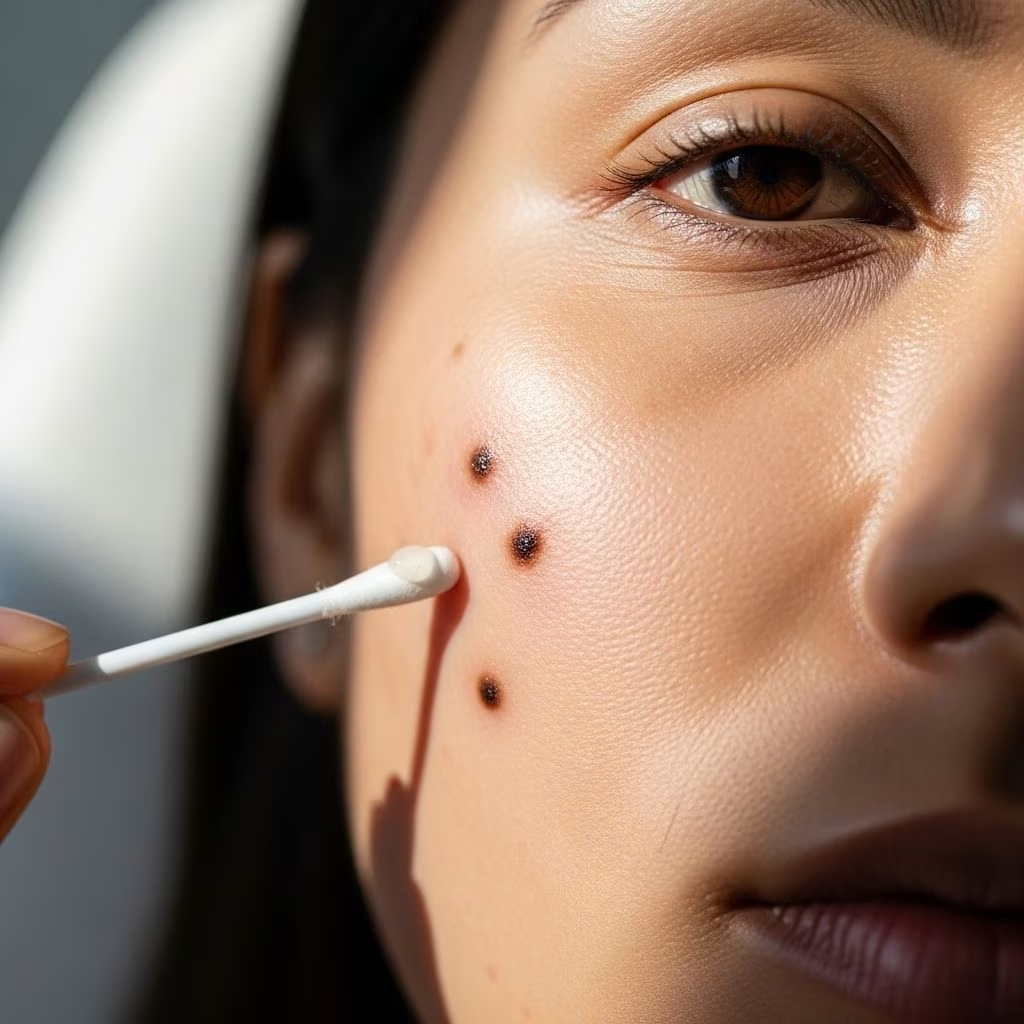
Dark spots are patches of skin that become darker than the surrounding area due to an excess production of melanin, the pigment responsible for skin color. These spots can appear brown, black, gray, red, or pink and are typically not painful or itchy, though they can cause self-consciousness and affect quality of life.
Why Can Spot Treatments Cause Dark Spots?
Spot treatments are designed to target specific skin issues such as acne, pimples, or minor wounds. However, the very act of treating these areas—especially if the skin becomes irritated or inflamed—can trigger the production of excess melanin, leading to post-inflammatory hyperpigmentation. This is particularly common in people with medium to dark skin tones, whose skin is more prone to developing dark spots after inflammation or injury.
Other factors that can exacerbate the development of dark spots include:
- Picking or squeezing blemishes, which prolongs inflammation and increases the risk of pigmentation
- Use of harsh or irritating ingredients in spot treatments, which can further inflame the skin
- Inadequate sun protection during and after treatment, as UV exposure can worsen pigmentation
Common Causes of Dark Spots
While spot treatments are one potential cause, several other factors can contribute to the development of dark spots, including:
- Sun Exposure: UV rays damage skin cells, leading to increased melanin production and the formation of dark spots, such as sunspots or solar lentigines
- Hormonal Changes: Fluctuations during pregnancy, menopause, or due to medications like birth control pills can trigger melasma or other forms of hyperpigmentation
- Skin Conditions: Acne, eczema, psoriasis, and other inflammatory conditions can leave behind dark marks after healing
- Medication Side Effects: Certain medications, including non-steroidal anti-inflammatory drugs (NSAIDs) and acne treatments, can increase pigmentation[10]
- Skin Irritation: Use of irritating skincare or hair products can cause localized dark spots due to inflammation
- Healing of Wounds: Cuts, burns, insect bites, or surgical scars can result in pigmented areas as they heal
- Diabetes and Other Medical Conditions: Diabetes can damage blood vessels in the skin, leading to localized darkening
- Genetics and Ethnicity: Some individuals are genetically predisposed to develop dark spots, and those with darker skin tones are generally more prone to PIH
Types of Dark Spots
| Type | Description | Common Causes |
|---|---|---|
| Post-Inflammatory Hyperpigmentation (PIH) | Dark patches left after inflammation or injury to the skin, including acne, cuts, or burns | Acne, trauma, chemical peels, laser treatments, harsh skincare |
| Melasma | Brown or gray-brown patches, often on the face, associated with hormonal changes | Pregnancy, birth control, hormone therapy, sun exposure |
| Solar Lentigines (Age Spots) | Flat, brown spots typically on sun-exposed areas like the face, hands, and arms | Chronic UV exposure, aging |
| Medication-Induced Hyperpigmentation | Dark spots or patches caused by certain medications | NSAIDs, chemotherapy drugs, acne medications, hormonal agents |
Preventing Dark Spots from Spot Treatment
To minimize the risk of developing dark spots after using spot treatments:
- Choose Gentle Products: Use spot treatments and skincare products formulated for sensitive skin and labeled “fragrance-free.” Harsh chemicals and fragrances can irritate the skin, increasing the risk of pigmentation.
- Avoid Picking or Squeezing Blemishes: Manipulating acne or wounds can worsen inflammation and increase the likelihood of PIH.
- Protect Skin from the Sun: Apply broad-spectrum sunscreen daily, even on cloudy days or indoors. UV exposure can worsen existing pigmentation and trigger new spots.
- Treat Underlying Skin Conditions: Address acne, eczema, or psoriasis effectively to prevent breakouts that could lead to PIH.
- Consult About Medication Side Effects: If you suspect a medication is causing dark spots, talk to your doctor before discontinuing use. They may recommend alternatives that do not affect pigmentation[10].
Treatment Options for Dark Spots
A variety of treatments can help fade dark spots caused by spot treatments or other factors. The choice of treatment depends on the type, severity, and cause of hyperpigmentation.
Topical Treatments
- Hydroquinone: A prescription-strength ingredient that lightens dark patches by inhibiting melanin production.
- Retinoids: Promote skin cell turnover, helping to fade pigmentation over time.
- Glycolic Acid and Other AHAs: Chemical exfoliants that remove the top layer of skin, reducing the appearance of dark spots.
- Vitamin C: An antioxidant that brightens skin and reduces pigmentation.
- Niacinamide, Tranexamic Acid, and Kojic Acid: Ingredients that target melanin production and reduce discoloration.
Over-the-Counter Solutions
Many over-the-counter creams and serums combine these active ingredients and are suitable for mild to moderate hyperpigmentation. Look for products labeled for dark spot correction or skin brightening.
Combination Therapies
Combining topical agents (e.g., hydroquinone with a retinoid or corticosteroid) may enhance results for stubborn or severe pigmentation. Always follow dermatologist guidance for such regimens, as improper use can irritate the skin and exacerbate pigmentation.
Home Remedies and Natural Solutions
While home remedies may not be as potent as medical treatments, some natural ingredients are known to help gently fade dark spots:
- Aloe Vera: Contains aloin, a compound with depigmenting properties.
- Licorice Root Extract: Inhibits melanin production and reduces inflammation.
- Green Tea Extract: Rich in antioxidants that may lighten pigmented areas.
- Lemon Juice: A natural source of citric acid, but can be irritating—use with caution.
- Turmeric: Has anti-inflammatory and antioxidant effects.
Note: Home remedies have limited scientific backing and should be used with caution to avoid irritation, which can worsen pigmentation.
Professional Treatments
For persistent or severe dark spots, professional dermatological treatments may be considered:
- Chemical Peels: Remove the top layers of skin to reveal fresher, less pigmented skin underneath.
- Laser Therapy: Targets melanin with concentrated light, breaking up pigmented cells for clearer skin.
- Cryotherapy: Uses liquid nitrogen to freeze and remove dark spots.
- Microdermabrasion: Exfoliates the skin’s surface, improving texture and tone.
These procedures should be performed by licensed professionals to minimize the risk of side effects, including further pigmentation or scarring.
Diet and Lifestyle Factors
While skincare is crucial, diet and lifestyle also impact skin health:
- Stay Hydrated: Adequate water intake supports skin repair and renewal.
- Eat a Balanced Diet: Include antioxidants (vitamins C and E), zinc, and omega-3 fatty acids for skin health.
- Manage Stress: Chronic stress can trigger inflammation and worsen skin conditions.
- Avoid Smoking and Excessive Alcohol: Both can accelerate skin aging and impair healing.
- Get Enough Sleep: Quality sleep is essential for skin regeneration.
When to See a Dermatologist
Consult a dermatologist if:
- Dark spots persist despite home care and over-the-counter treatments.
- Spots are accompanied by pain, itching, bleeding, or rapid changes in size or color.
- You suspect medication-induced pigmentation or have underlying health conditions like diabetes.
- You have a family history of skin cancer or notice irregularly shaped or colored spots.
Frequently Asked Questions (FAQs)
Q: How long does it take for dark spots to fade after using a spot treatment?
A: Most dark spots will fade within 6 to 12 months if the underlying cause is addressed and no further irritation occurs. However, the timeline can vary based on skin type, spot severity, and treatment regimen.
Q: Can sunscreen help prevent dark spots caused by spot treatments?
A: Yes, daily sunscreen use is essential to prevent UV-induced worsening of pigmentation. Choose
References
- https://www.aad.org/public/everyday-care/skin-care-secrets/routine/fade-dark-spots
- https://skincancer-specialists.com/blog/what-are-dark-spots-on-skin-and-how-can-you-treat-them/
- https://pmc.ncbi.nlm.nih.gov/articles/PMC10544009/
- https://www.medicalnewstoday.com/articles/324833
- https://my.clevelandclinic.org/health/diseases/21885-hyperpigmentation
- https://www.healthline.com/health/beauty-skin-care/how-to-remove-dark-spots-caused-by-pimples
- https://mytopicals.com/blogs/hyperpigmentation/dark-spots-uncovering-causes-and-simple-solutions
- https://world.comfortzoneskin.com/blogs/blog/how-to-remove-dark-spots-caused-by-pimples
- https://www.divinederm.com/blog/dark-spots-removal-skin-care/
- https://livevibrantmed.com/dark-spots-pigmentation-treatment-types-treatment-and-causes/
Reviewed for accuracy under our Editorial Policy.


