


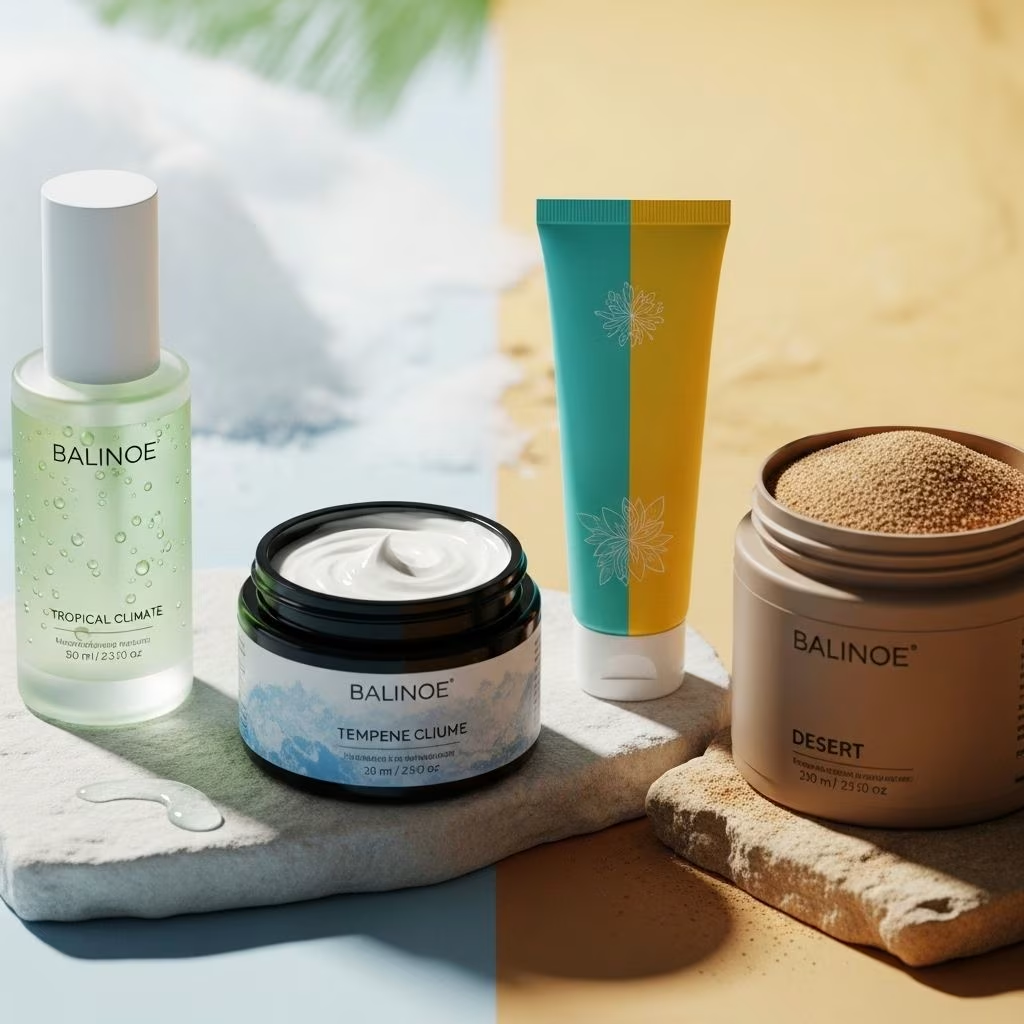
Environmental conditions such as temperature, humidity, and seasonal changes have a profound effect on your skin’s health and appearance. What keeps breakouts at bay in a tropical city may irritate or dry out skin in the desert—or vice versa. To maintain healthy, balanced skin and treat blemishes effectively, it’s essential to tailor spot treatments to different climates. This guide explores climate-specific skin challenges and provides targeted spot treatment strategies to ensure radiant skin year-round.
How Climate Affects Skin
Skin interacts constantly with its surroundings. Factors such as heat, cold, humidity, and UV radiation influence oil production, hydration, inflammation, and the likelihood of breakouts or irritation. Adapting your skincare—including spot treatments—requires understanding these interactions.
- Hot & humid: Increased sweat and oil production, higher risk of clogged pores and acne.
- Cold & dry: Reduced humidity, flaky or sensitive skin, compromised skin barrier.
- Hot & dry: Loss of moisture, rough patches, higher sun damage risk.
- Seasonal/variable: Fluctuating temperature and humidity lead to shifting skin concerns throughout the year.
Climate-specific routines respond to these variables, preventing and treating skin problems before they escalate.
The Basics of Spot Treatment
Spot treatment refers to directly applying targeted products to areas with blemishes (such as acne), hyperpigmentation, or irritation. Ingredients commonly found in spot treatments include:
- Benzoyl peroxide: Kills acne-causing bacteria, reduces inflammation.
- Salicylic acid: Unclogs pores, exfoliates dead skin cells.
- Sulfur: Soothes redness, absorbs oil.
- Retinoids: Encourage cell turnover, fade dark spots.
- Niacinamide or green tea extract: Calm and reduce irritation, especially for sensitive skin.
The effectiveness and tolerability of these ingredients can vary dramatically based on your environment.
Spot Treatment in Hot and Humid Climates
Hot and humid environments (e.g., tropical or subtropical regions, coastal areas) often mean increased oil production, sweat, and a higher likelihood of clogged pores and acne. Spot treatments and overall routines must control excess oil while avoiding congestion and irritation.
Key Strategies
- Choose lightweight, non-comedogenic products: Gel-based or water-based spot treatments are preferable. Avoid heavy ointments or occlusive creams which may trap sweat and oil, worsening breakouts.
- Cleansing is crucial: Use a gentle, foaming, or oil-based cleanser twice daily to dissolve sweat, oil, and environmental debris. Don’t over-strip skin, as this can trigger rebound oiliness.
- Select targeted ingredients: Benzoyl peroxide, salicylic acid, and niacinamide are effective, but opt for lower concentrations to avoid irritation in already damp climates. Spot treatments containing soothing ingredients (aloe, green tea) can counteract redness and calm inflamed blemishes.
- Prioritize hygiene: Shower and change clothing after sweating. Wash pillowcases and face towels frequently, as sweat and bacteria exacerbate breakouts.
- Emphasize sun protection: Use non-greasy, mattifying sunscreen daily to prevent acne-exacerbating sun damage without clogging pores.
Special tip: For particularly stubborn or inflamed spots, use a thin layer of benzoyl peroxide at night, ensuring you moisturize afterward with a light, oil-free hydrator to avoid drying out the skin.
Spot Treatment Cautions in Humid Climates
- Avoid occlusive spot patches or heavy ointments unless the area is very small and needs protection from picking.
- Test any new product on a small area first, as high humidity can increase sensitivity and the risk of product-induced irritation.
Spot Treatment in Cold and Dry Climates
Cold, dry weather (e.g., winter climates, high-altitude regions) weakens the skin’s moisture barrier, causing flaking, redness, and increased sensitivity. Spot treatments must be both effective against blemishes and gentle to avoid compounding dryness and irritation.
Key Strategies
- Hydrate and protect first: Start with a rich, barrier-supportive moisturizer; consider layering hydrating serums underneath. Good hydration can reduce the risk of irritation from active spot treatments.
- Gentle formulations: Avoid high concentrations of alcohol or strong acids. Use milder or buffered versions of spot treatment ingredients, such as 0.5% salicylic acid or encapsulated retinoids.
- Repair and soothe: Spot treatments containing niacinamide, calendula, or panthenol calm inflammation and promote healing. Hydrocolloid patches are helpful to physically protect spots from picking and dryness.
- Limit exfoliation: Reduce or skip physical or chemical exfoliation in areas experiencing active irritation or flaking. Over-exfoliation increases barrier dysfunction and can worsen breakouts through irritation.
- Sunscreen is still crucial: Use moisturizing SPF products, as UV rays are still a concern—even in winter. This helps prevent post-inflammatory hyperpigmentation once spots heal.
Special tip: If skin is sensitive or peeling, apply your hydrating moisturizer first, allow it to absorb, then apply your spot treatment on top to buffer possible irritation.
Spot Treatment in Hot and Dry Climates
Desert or arid environments mean skin loses moisture quickly through evaporation. The challenges include dehydration, rough texture, and greater sun exposure. Spot treatments must balance treating blemishes without stripping already-parched skin.
Key Strategies
- Hydration is non-negotiable: Pair spot treatments with intensive moisturizers or hydrating serums. Hyaluronic acid hydrators and emollient creams help replenish moisture and reduce irritation risk.
- Gentle, non-comedogenic formulas: Choose oil-free, fragrance-free spot treatments. Heavy occlusive ointments may feel suffocating, while gels or light creams prevent further congestion.
- Milder actives: Lower concentrations of retinoids or salicylic acid reduce dehydration and sensitivity. Buffer strong treatments by layering them over moisturizer.
- Daily sun protection: Use broad-spectrum SPF with hydrating ingredients. Sun exposure worsens hyperpigmentation and irritation after breakouts heal.
- Use a humidifier indoors when possible: This supports skin hydration in air-conditioned or heated spaces.
Spot Treatment in Temperate and Variable Climates
Regions with four seasons or rapidly changing weather (spring/fall transitions) see skin problems shift throughout the year. Spot treatments must adapt with the climate.
Key Strategies
- Observe and adjust: Listen to your skin and rotate products as needed. During oily or humid periods, use lighter spot treatments and more thorough cleansing. In cold or dry spells, focus on hydration and barrier support.
- Gradual product introduction: When swapping products between seasons, phase them in gradually to minimize irritation or new breakouts.
- Keep basics on hand: Stock both a lightweight and richer moisturizer. Have both a gentle and more potent spot treatment available for seasonal transitions.
- Anticipate flare-ups: During pollen-heavy or allergy seasons, calmer formulations lower the risk of reactive breakouts or sensitivity-induced blemishes.
Table: Climate vs. Spot Treatment Strategies
| Climate | Main Skin Challenges | Spot Treatment Approach |
|---|---|---|
| Hot & Humid | Oily skin, clogged pores, sweat-induced acne |
|
| Cold & Dry | Dryness, flaking, increased sensitivity |
|
| Hot & Dry | Dehydration, rough patches, sun exposure |
|
| Temperate/Variable | Seasonal imbalance, fluctuating oil/dryness |
|
Adapting Your Routine for Seasonal Change and Travel
Traveling or moving between different climates—whether for vacation, work, or seasonal shifts—can dramatically disrupt skin health. Follow these tips for trouble-free transitions:
- Mini kits: Prepare a travel-sized routine with climate-appropriate cleansers, moisturizers, and two spot treatments (one lightweight, one hydrating).
- Monitor your skin: Skin may need 4–7 days to adjust. Expect mild purging or adaptation—minimize dramatic changes to avoid shock.
- Be flexible: Reduce active ingredients when entering harsher or drier environments, then gradually build up as your skin acclimates.
- Quick fixes: Use hydrocolloid patches for unexpected blemishes and avoid picking, which is riskier in unfamiliar climates.
- Stay hydrated: Drink water regularly, especially in hot, dry, or high-altitude locales—skin health reflects internal hydration as much as external care.
Frequently Asked Questions (FAQs)
Q: Should I use the same spot treatment year-round?
A: Not necessarily. Spot treatment needs change with climate. For example, stronger actives may be tolerated in humid months but cause irritation in winter. Adjust formulations and frequency for best results.
Q: How do I know if a spot treatment is too harsh for my current climate?
A: Signs of over-treatment include stinging, burning, redness, flaking, and increased breakouts. If this occurs, reduce use, buffer with moisturizer, or switch to gentler products while your skin recovers.
Q: Can sweat make breakouts worse?
A: Yes. Sweat can trap oil, dirt, and bacteria against the skin, increasing the risk of clogged pores. Regular cleansing and wearing breathable fabrics help manage sweat-induced acne in hot, humid climates.
Q: Are hydrocolloid patches safe in all climates?
A: Yes, but they work best when skin is not overly sweaty or oily, as they may detach more easily. In dry climates, patches can protect sensitive spots from further dryness and picking.
Q: How can I prevent dryness when using spot treatments in winter?
A: Always pair actives with a rich moisturizer, avoid over-exfoliation, and consider buffering strong treatments (e.g., retinoids) by applying moisturizer first. Use a humidifier indoors if possible.
Understanding local climate and how it interacts with your skin is the cornerstone of effective spot treatment. Adjusting routines in response to changing conditions not only enhances results but helps prevent irritation, dryness, and breakouts—ensuring healthy, glowing skin wherever you are.
References
- https://www.isdin.com/us/blog/skincare/how-climate-affects-your-skin/
- https://www.drsoodaesthetics.com/blog/best-skincare-routines-for-different-climate-conditions
- https://www.dermatologist-nyc.com/blog/how-to-prevent-acne-in-humid-weather-47633/
- https://www.hapskorea.com/how-climate-affects-your-beauty-routine-and-what-treatments-actually-help/
- https://pourmoiskincare.com/blogs/beautyforecast/the-top-skincare-brands-need-to-consider-the-climate-youre-in
- https://skinandcancerinstitute.com/treating-acne-in-arizona/
- https://www.dermstore.com/blog/how-to/travel-skin-care-tips/


