


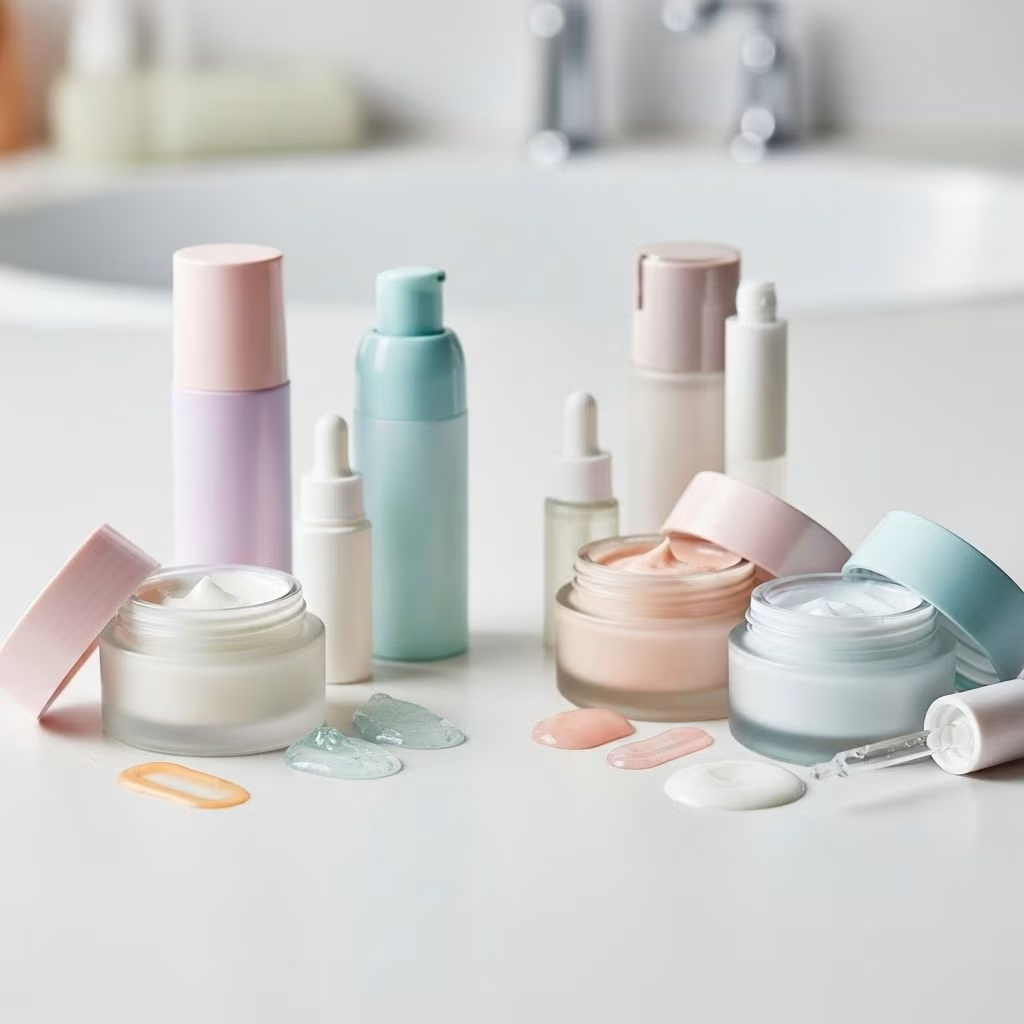
When dealing with acne and blemishes, finding the perfect balance between treating active breakouts and maintaining proper skin hydration can be challenging. Many people struggle with the question of whether to use moisturizers alongside spot treatments, fearing that additional moisture might worsen their acne or interfere with treatment effectiveness. However, understanding how to properly combine these two essential skincare elements is crucial for achieving clear, healthy skin without compromising your skin barrier.
Understanding Spot Treatments and Their Role
Spot treatments are concentrated formulations designed to target individual blemishes or small areas of acne. These products typically contain potent active ingredients such as benzoyl peroxide, salicylic acid, sulfur, or retinoids that work to reduce inflammation, kill acne-causing bacteria, and accelerate the healing process of existing breakouts.
The primary function of spot treatments is to deliver high concentrations of active ingredients directly to problem areas. This targeted approach allows for more intensive treatment without exposing the entire face to potentially irritating concentrations of acne-fighting ingredients. However, this concentrated power comes with a trade-off: spot treatments can be quite drying and potentially irritating to the skin.
Most dermatologists recommend applying spot treatments at night after cleansing and toning, but before serums and moisturizers. This timing allows the active ingredients to penetrate clean skin effectively while minimizing the risk of dilution from other products.
The Importance of Moisturizers in Acne Care
Contrary to common misconceptions, moisturizers play a vital role in acne treatment and prevention. Even acne-prone skin needs adequate hydration to function properly and maintain a healthy skin barrier. When the skin becomes too dry or irritated from acne treatments, it may produce excess sebum as a compensatory mechanism, potentially leading to more breakouts.
Moisturizers serve multiple functions in an acne care routine. They help maintain the skin’s natural barrier function, prevent excessive dryness and irritation from active ingredients, and can even deliver beneficial ingredients like niacinamide, ceramides, or hyaluronic acid that support overall skin health.
The key is choosing the right type of moisturizer for acne-prone skin. Non-comedogenic formulas that won’t clog pores are essential, and lightweight, gel-based, or lotion formulations are typically preferred over heavy creams or occlusive products.
Proper Layering Order for Maximum Effectiveness
The order in which you apply your skincare products can significantly impact their effectiveness. When incorporating both spot treatments and moisturizers into your routine, following the correct sequence is crucial for optimal results.
The recommended evening routine order is as follows:
Step 1: Makeup remover (if wearing makeup)
Step 2: Gentle cleanser
Step 3: Toner (optional, but can help prep the skin)
Step 4: Spot treatment application
Step 5: Wait 1-2 minutes for spot treatment to dry
Step 6: Moisturizer (avoiding direct application over spot-treated areas)
Step 7: Sunscreen (morning routine only)
This sequence allows the spot treatment to penetrate clean skin without interference from other products, while still providing the skin with necessary hydration and barrier protection.
Choosing the Right Moisturizer for Spot Treatment Use
When selecting a moisturizer to use alongside spot treatments, several factors should guide your decision. The most important consideration is ensuring the moisturizer is non-comedogenic, meaning it won’t clog pores or contribute to additional breakouts.
Key Ingredients to Look For
Beneficial moisturizer ingredients for acne-prone skin include:
Niacinamide: This form of vitamin B3 helps regulate sebum production, reduces inflammation, and can help minimize the appearance of pores. It’s particularly beneficial when used alongside acne treatments as it can help counteract some of the irritating effects.
Hyaluronic Acid: A powerful humectant that draws moisture to the skin without feeling heavy or greasy. It provides hydration without clogging pores and can help plump the skin, making it appear healthier.
Ceramides: These naturally occurring lipids help restore and maintain the skin barrier, which can become compromised during acne treatment. They provide essential moisture without interfering with acne-fighting ingredients.
Glycerin: Another effective humectant that helps attract moisture to the skin while maintaining a lightweight feel.
Formulation Types
| Formulation Type | Best For | Key Benefits | Considerations |
|---|---|---|---|
| Gel Moisturizers | Oily, acne-prone skin | Lightweight, fast-absorbing, oil-free | May not provide enough hydration for very dry areas |
| Lotion | Combination skin | Balanced hydration, versatile | Check for non-comedogenic formulation |
| Oil-Free Cream | Normal to dry acne-prone skin | More intensive hydration without oils | Ensure it’s specifically formulated for acne-prone skin |
| Serum-Moisturizer Hybrids | Those wanting multiple benefits | Treatment and hydration in one step | May be more expensive |
Ingredient Compatibility and What to Avoid
Understanding ingredient compatibility is crucial when combining moisturizers with spot treatments. Some combinations can enhance effectiveness, while others may cause irritation or reduce the potency of active ingredients.
Compatible Combinations
Certain moisturizer ingredients work well alongside common spot treatment actives:
Benzoyl Peroxide with Ceramides: Ceramide-rich moisturizers can help counteract the drying effects of benzoyl peroxide while supporting barrier repair.
Salicylic Acid with Niacinamide: Niacinamide can help reduce the potential irritation from salicylic acid while providing additional anti-inflammatory benefits.
Retinoids with Hyaluronic Acid: The hydrating properties of hyaluronic acid can help minimize the dryness and irritation commonly associated with retinoid use.
Combinations to Approach with Caution
Some ingredient combinations require careful consideration or should be avoided entirely:
Multiple Acids: Using moisturizers containing AHAs or BHAs alongside acid-based spot treatments can lead to over-exfoliation and irritation.
Vitamin C with Certain Actives: While not necessarily incompatible, vitamin C can potentially reduce the stability of some spot treatment ingredients.
Heavy Oils: Occlusive oils in moisturizers may interfere with the penetration of spot treatments and could potentially clog pores in acne-prone individuals.
Application Techniques and Best Practices
Proper application technique can make the difference between an effective routine and one that causes irritation or reduces treatment efficacy. Here are key techniques to master:
The Strategic Avoidance Method
When applying moisturizer after spot treatments, carefully avoid placing moisturizer directly over the treated areas. This prevents dilution of the active ingredients and maintains their concentrated effectiveness. Use gentle patting motions to apply moisturizer to the surrounding areas, leaving a small buffer zone around each treated blemish.
The Pre-Treatment Buffer Method
For those with sensitive skin or when using particularly harsh spot treatments, applying a thin layer of gentle moisturizer before the spot treatment can provide a protective buffer. This technique, recommended by dermatologists for irritating treatments, can help minimize adverse effects while still allowing the active ingredients to work.
The Cotton Swab Technique
A popular method among skincare enthusiasts involves applying the complete routine, including moisturizer, then using a clean, damp cotton swab to gently remove moisturizer from areas where spot treatments will be applied. Once the area is dry, apply the spot treatment for targeted effectiveness.
Top Moisturizer Recommendations by Skin Type
For Oily, Acne-Prone Skin
Gel-Based Formulations: Look for oil-free, lightweight gels containing niacinamide or salicylic acid. These provide necessary hydration without adding excess oils that could contribute to clogged pores.
Water-Based Lotions: Formulations that prioritize water content over oils can provide adequate moisture while feeling light on the skin.
For Combination Skin
Balanced Formulations: Seek moisturizers that can address both oily and dry areas of the face. Products with a lotion consistency that contain both humectants and light emollients work well.
Targeted Application: Consider using different moisturizers for different areas of your face, applying lighter formulations to oily zones and slightly richer products to drier areas.
For Sensitive, Acne-Prone Skin
Gentle, Fragrance-Free Options: Choose moisturizers specifically formulated for sensitive skin, avoiding potential irritants like fragrances, essential oils, or high concentrations of acids.
Barrier-Repair Focused: Look for products containing ceramides, cholesterol, or other lipids that support skin barrier function and reduce sensitivity to acne treatments.
Common Mistakes and How to Avoid Them
Over-Moisturizing During Active Treatment
One common mistake is applying too much moisturizer during intensive acne treatment phases. While hydration is important, excessive moisture can interfere with the skin’s natural exfoliation process that helps clear clogged pores. Use just enough moisturizer to prevent uncomfortable dryness without creating a heavy, occlusive layer.
Choosing the Wrong Formulation
Selecting moisturizers that are too heavy or contain comedogenic ingredients can undermine spot treatment efforts. Always check ingredient lists and opt for products specifically formulated for acne-prone skin.
Inconsistent Application
Skipping moisturizer entirely or using it inconsistently can lead to skin barrier damage and increased sensitivity to spot treatments. Maintain a consistent routine to support overall skin health.
Immediate Layering
Applying moisturizer immediately after spot treatments without allowing adequate drying time can dilute the active ingredients and reduce their effectiveness. Always wait 1-2 minutes between applications.
Frequently Asked Questions
Q: Should I skip moisturizer completely when using spot treatments?
A: No, you should not skip moisturizer entirely. Even acne-prone skin needs hydration to maintain barrier function and prevent excessive dryness that could worsen acne. The key is choosing the right formulation and applying it correctly around treated areas.
Q: Can I apply spot treatment over moisturizer?
A: Generally, spot treatments should be applied to clean skin before moisturizer for maximum penetration and effectiveness. However, if you have very sensitive skin, your dermatologist may recommend applying a thin layer of gentle moisturizer first as a buffer.
Q: What ingredients should I avoid in moisturizers when using spot treatments?
A: Avoid heavy oils, comedogenic ingredients, and additional acids that might cause over-exfoliation when combined with your spot treatment. Look for non-comedogenic, fragrance-free formulations with gentle, hydrating ingredients.
Q: How long should I wait between applying spot treatment and moisturizer?
A: Wait 1-2 minutes after applying spot treatment to allow it to dry and begin penetrating the skin before applying moisturizer to surrounding areas.
Q: Can moisturizer reduce the effectiveness of my spot treatment?
A: If applied directly over the spot treatment or too soon after application, moisturizer can potentially dilute the active ingredients. Following proper application techniques ensures both products can work effectively without interference.
Q: What type of moisturizer texture is best for acne-prone skin using spot treatments?
A: Lightweight, gel-based, or lotion formulations are typically best for acne-prone skin. These provide necessary hydration without feeling heavy or potentially clogging pores.
Successfully combining moisturizers with spot treatments requires understanding your skin’s needs, choosing appropriate products, and following proper application techniques. With the right approach, you can maintain clear, healthy skin while ensuring adequate hydration and barrier protection. Remember that consistency is key, and it may take time to find the perfect combination of products that work for your unique skin needs.
References
- https://www.skincare.com/skin-concerns/acne/when-to-apply-spot-treatment
- https://slmdskincare.com/blogs/learn/the-right-way-to-layer-your-skincare
- https://www.vivantskincare.com/blogs/acne/treating-acne-why-drier-is-better
- https://www.ulta.com/shop/skin-care/moisturizers?concern=dark+spots
- https://byoma.com/pages/skin-care-blemish-prone
- https://facerealityskincare.com/collections/moisturizers


