


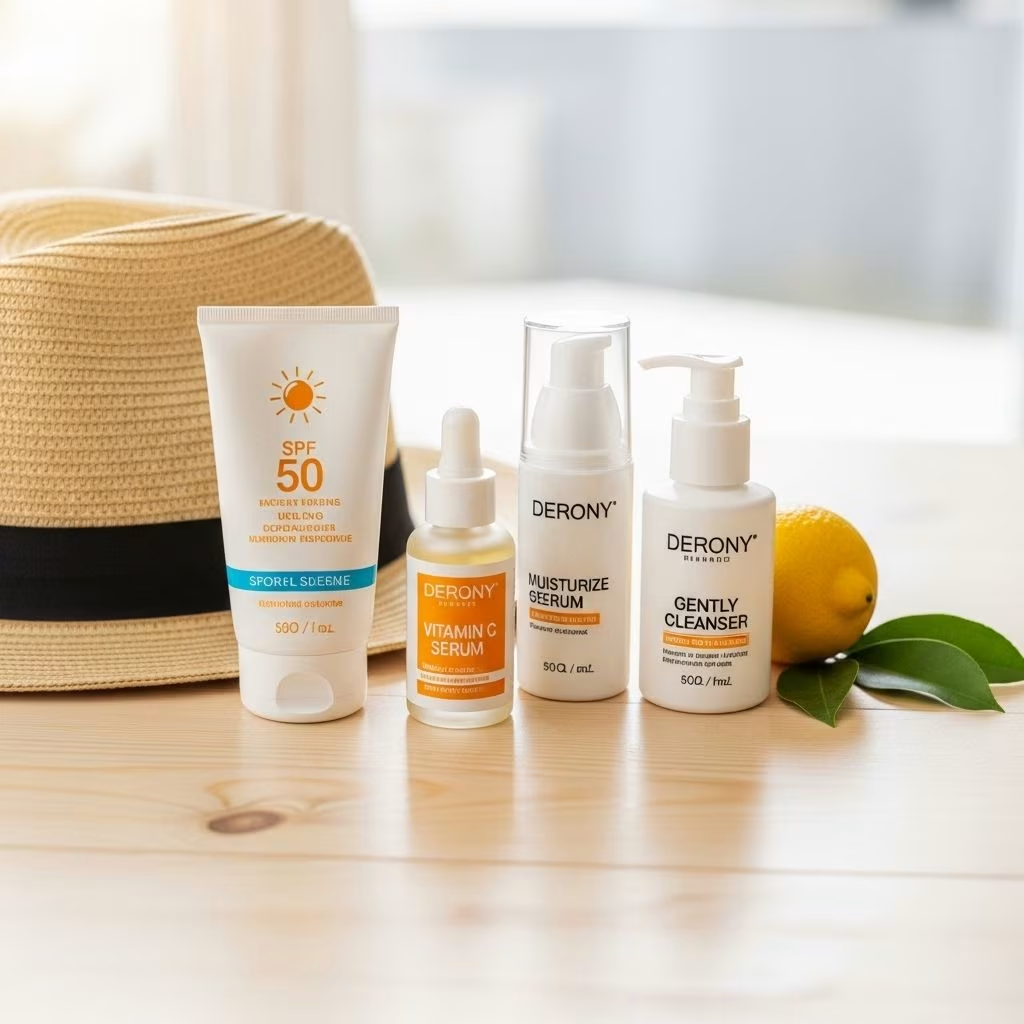
Protecting your skin from sun damage isn’t just about applying sunscreen before heading to the beach. It’s a comprehensive daily commitment that requires understanding your skin’s needs and implementing a consistent routine. The sun’s ultraviolet rays are responsible for approximately 80% of visible aging signs, making sun protection one of the most critical aspects of any skincare regimen. Whether you’re dealing with existing sun damage or looking to prevent future harm, establishing a proper daily routine is essential for maintaining healthy, youthful skin throughout your life.
Sun damage manifests in various ways, from fine lines and wrinkles to dark spots, uneven skin tone, and loss of elasticity. More seriously, prolonged UV exposure increases the risk of skin cancer. The good news is that with the right approach to daily skincare, you can significantly reduce these risks while helping your skin repair and rejuvenate itself. This comprehensive guide will walk you through every step of creating an effective daily skincare routine specifically designed to protect against sun damage and maintain your skin’s health year-round.
Understanding Sun Damage and Its Impact on Your Skin
Before diving into the specifics of a protective skincare routine, it’s crucial to understand what sun damage actually means for your skin. The sun emits two primary types of ultraviolet radiation that affect your skin: UVA and UVB rays. UVA rays make up about 95% of the UV radiation that reaches Earth’s surface and penetrate deep into the skin’s layers, causing premature aging, wrinkles, and contributing to skin cancer development. UVB rays, comprising about 5% of UV radiation, primarily affect the skin’s surface, causing sunburn and playing a significant role in developing skin cancer.
What makes sun protection particularly challenging is that UV rays don’t respect weather conditions or window glass. They penetrate through clouds on overcast days and can pass through windows, meaning your skin is exposed to potential damage even when you’re indoors or when the sun isn’t visibly shining. This constant exposure is why dermatologists emphasize the importance of daily sun protection regardless of your plans or the weather forecast.
The effects of sun damage are cumulative, building up over years of exposure. Early signs include subtle changes in skin texture, the appearance of fine lines, and slight discoloration. Over time, these effects become more pronounced, leading to deeper wrinkles, significant hyperpigmentation, loss of skin elasticity, and visible blood vessels. Beyond aesthetic concerns, chronic sun exposure damages the DNA in skin cells, potentially leading to precancerous changes and skin cancer.
Morning Skincare Routine for Sun Protection
Your morning skincare routine sets the foundation for protecting your skin throughout the day. This routine should focus on cleansing, nourishing, and most importantly, shielding your skin from UV damage. The order in which you apply products matters, as each layer builds upon the previous one to create a comprehensive protective barrier.
Step One: Gentle Cleansing
Start your morning routine with a gentle cleanser suited to your skin type. Cleansing removes overnight oil buildup, dead skin cells, and any residue from evening products, creating a clean canvas for the protective layers you’ll apply. Choose a brightening cleanser if you’re dealing with existing sun damage or hyperpigmentation. For dry skin, opt for a creamy, hydrating cleanser, while oily skin types benefit from gel-based formulations. Avoid harsh cleansers that strip your skin’s natural oils, as a healthy skin barrier is your first line of defense against environmental damage.
Step Two: Toning and pH Balance
After cleansing, apply a toner to restore your skin’s pH balance and prepare it for better absorption of subsequent products. Toners containing antioxidants or hydrating ingredients provide additional benefits while ensuring your skin is optimally prepared for the protective layers to follow.
Step Three: Antioxidant Serum Application
Antioxidant serums are powerhouse products in sun damage prevention. Vitamin C serums are particularly effective, as they help boost collagen production, strengthen the skin barrier against free radicals, and provide additional UV protection when used alongside sunscreen. Vitamin C also helps fade existing dark spots and evens out skin tone. Apply your antioxidant serum to clean, dry skin, allowing it to absorb fully before moving to the next step. When selecting a vitamin C serum, choose high-quality formulations with stable forms of the vitamin, as cheaper alternatives may cause irritation or burning.
Other beneficial antioxidants include vitamin E, ferulic acid, niacinamide, and resveratrol. These ingredients work synergistically to neutralize free radicals generated by UV exposure, preventing cellular damage before it occurs. Niacinamide, in particular, offers multiple benefits including reducing inflammation, improving skin barrier function, and helping to fade hyperpigmentation.
Step Four: Moisturizing for Protection
Moisturizer is non-negotiable in a sun protection routine. Sun exposure depletes your skin’s water content and breaks down the skin barrier, leading to dehydration and increased vulnerability to damage. A good moisturizer replenishes the skin barrier, locks in hydration, and helps prevent early signs of aging. Apply moisturizer immediately after your serum while your skin is still slightly damp to maximize absorption and hydration benefits.
Select a moisturizer appropriate for your skin type. Dry skin requires richer, more emollient formulations, while oily skin benefits from lightweight, oil-free options. Many moisturizers now include SPF, which can be convenient, but remember that these combination products typically provide less protection than dedicated sunscreens. If you’re using a moisturizer with SPF and plan to spend extended time outdoors, apply additional sunscreen for adequate protection.
Step Five: Broad-Spectrum Sunscreen
Sunscreen is the cornerstone of any sun damage prevention routine. This step is absolutely essential every single day, regardless of the weather, season, or your indoor or outdoor plans. UV rays penetrate clouds and windows, exposing your skin to damage even when you’re not in direct sunlight. Apply a broad-spectrum sunscreen with SPF 30 or higher as the final step in your morning routine.
Broad-spectrum protection is crucial because it shields against both UVA and UVB rays. Use approximately one ounce (about a shot glass full) to cover your entire body, or about a nickel-sized amount for your face and neck. Don’t forget often-missed areas including your ears, eyelids, lips, hands, and feet. The sunscreen needs to be reapplied every two to three hours when you’re outdoors, or immediately after swimming or excessive sweating.
When choosing a sunscreen, consider your skin type and personal preferences. Physical (mineral) sunscreens containing zinc oxide or titanium dioxide sit on top of the skin and reflect UV rays, making them ideal for sensitive skin. Chemical sunscreens absorb UV radiation and convert it to heat, offering more cosmetically elegant formulations that blend easily into the skin. Both types are effective when used correctly.
Evening Skincare Routine for Repair and Rejuvenation
While your morning routine focuses on protection, your evening routine emphasizes repair and rejuvenation. Nighttime is when your skin does most of its healing work, making it the perfect opportunity to use treatments that help reverse existing sun damage and strengthen your skin against future exposure.
Thorough Evening Cleansing
Evening cleansing is even more important than morning cleansing because you need to remove not only the day’s accumulation of oil and dead skin cells but also sunscreen, makeup, and environmental pollutants. Consider double cleansing: start with an oil-based cleanser to dissolve sunscreen and makeup, followed by a water-based cleanser to remove any remaining impurities. This thorough cleansing ensures your skin is perfectly clean and ready to absorb the repair treatments you’ll apply.
Exfoliation and Treatment
Exfoliation helps remove dead skin cells, allowing better penetration of treatment products and stimulating cell turnover. However, be cautious with exfoliation frequency, as over-exfoliating can compromise your skin barrier. Most skin types benefit from exfoliating two to three times per week using either chemical exfoliants (like AHAs or BHAs) or gentle physical exfoliants.
Corrective Night Serums
Night serums containing retinoids, lactic acid, L-ascorbic acid, or glycolic acid are highly effective for repairing sun damage. Retinoids (including tretinoin, Retin-A, and retinol) are gold-standard ingredients for treating sun damage. They accelerate cell turnover, stimulate collagen production, fade dark spots, and improve skin texture. Start with lower concentrations if you’re new to retinoids, gradually increasing as your skin builds tolerance.
Apply your corrective night serum after cleansing and before moisturizing. Be aware that many of these ingredients can increase photosensitivity, making your skin more susceptible to sun damage. This is why they’re used at night, and it reinforces the absolute necessity of diligent sunscreen use during the day.
Intensive Night Moisturizer
Finish your evening routine with a nourishing night moisturizer. Evening moisturizers are typically richer than daytime formulations, providing intensive hydration and creating an optimal environment for skin repair. Look for ingredients like hyaluronic acid, ceramides, and peptides that support skin barrier function and repair.
Essential Lifestyle Habits for Sun Damage Prevention
An effective sun protection strategy extends beyond topical skincare products. Your daily habits and lifestyle choices play a significant role in protecting your skin from sun damage.
Hydration from Within
Drinking adequate water is essential for maintaining skin hydration from the inside out. Dehydration manifests visibly on your skin, making you look less radiant and potentially more susceptible to damage. The amount of water you need varies based on your body size, activity level, and climate, but a general guideline is eight glasses per day. You can perform a simple pinch test to check for dehydration: pinch the skin on your arm and release it. If the skin doesn’t bounce back immediately and remains wrinkled, you may be dehydrated.
Protective Clothing and Accessories
Physical barriers provide excellent sun protection. Wear wide-brimmed hats that shade your face, neck, and ears. Choose sunglasses with UV protection to shield the delicate skin around your eyes. Consider clothing with UPF (Ultraviolet Protection Factor) ratings for extended outdoor activities. Seeking shade during peak sun hours (typically 10 AM to 4 PM) significantly reduces your UV exposure.
Dietary Support for Skin Health
Your diet influences your skin’s ability to protect and repair itself. Foods rich in antioxidants, particularly vitamins C and E, help combat free radical damage from UV exposure. Include colorful fruits and vegetables, nuts, seeds, and fatty fish in your diet. These foods provide the nutrients your skin needs to maintain its protective functions and repair damage.
Addressing Different Skin Types and Concerns
Sun protection strategies should be tailored to your specific skin type and concerns. Understanding your skin’s unique characteristics helps you select the most effective products and approaches.
Dry Skin Considerations
Dry skin requires extra attention to hydration and barrier repair. Choose cream-based cleansers and rich moisturizers. Look for sunscreens with hydrating ingredients like hyaluronic acid or glycerin. Dry skin may be more prone to visible sun damage, making consistent protection especially important.
Oily and Acne-Prone Skin
Oily skin benefits from lightweight, oil-free formulations that won’t clog pores. Gel-based moisturizers and mattifying sunscreens work well for this skin type. Remember that sun exposure can worsen post-acne hyperpigmentation, so protecting your skin is crucial for maintaining an even skin tone. Be cautious with ingredients that cause photosensitivity, as they can darken acne marks.
Sensitive Skin Requirements
Sensitive skin requires gentle, fragrance-free products. Mineral sunscreens with zinc oxide or titanium dioxide are typically better tolerated than chemical formulations. Introduce new products gradually, testing them on a small area first to check for reactions.
Mature Skin Needs
Mature skin showing signs of sun damage benefits from comprehensive anti-aging routines including retinoids, antioxidants, and intensive hydration. Focus on products that support collagen production and skin barrier repair. Consider professional treatments alongside your daily routine for more significant improvements.
Professional Treatments for Enhanced Protection and Repair
While a consistent daily skincare routine forms the foundation of sun damage protection, professional treatments can provide additional benefits for both preventing and reversing damage.
Chemical Peels
Chemical peels use acids to exfoliate damaged outer skin layers, revealing fresher, healthier skin underneath. They’re effective for treating hyperpigmentation, fine lines, and uneven texture caused by sun damage. Multiple sessions are typically needed for optimal results, and strict sun protection is essential during and after treatment.
Laser Treatments
Various laser treatments target different aspects of sun damage. IPL (Intense Pulsed Light) therapy effectively treats hyperpigmentation and broken blood vessels. CO2 laser resurfacing addresses deeper wrinkles and damaged collagen. VBeam lasers treat visible blood vessels. These treatments require professional consultation to determine the most appropriate option for your specific concerns.
Microneedling
Microneedling stimulates collagen production and improves product absorption. It’s effective for treating fine lines, texture issues, and hyperpigmentation. The treatment can be enhanced with serums containing growth factors or hyaluronic acid.
Common Mistakes to Avoid
Even with the best intentions, people often make mistakes that compromise their sun protection efforts. Avoid applying insufficient amounts of sunscreen, which is one of the most common errors. Most people apply only about 25% of the recommended amount. Don’t skip sunscreen on cloudy days or when staying indoors near windows. Avoid neglecting often-forgotten areas like ears, eyelids, hands, and the back of the neck.
Don’t rely solely on makeup with SPF for adequate protection, as you’re unlikely to apply enough to achieve the stated SPF level. Avoid using expired sunscreen, as the active ingredients degrade over time. Don’t skip nighttime skincare, as this is when your skin does its most important repair work. Finally, avoid inconsistency in your routine, as sun protection requires daily commitment for effective results.
Building Long-Term Sun Protection Habits
Creating lasting habits is key to maintaining effective sun protection throughout your life. Start by making sunscreen application as automatic as brushing your teeth. Keep sunscreen in visible, convenient locations like your bathroom counter, office desk, and car. Set phone reminders for reapplication if you’re spending time outdoors. Track your routine for the first few weeks to build consistency.
Educate yourself about sun safety and stay informed about new research and product developments. Make sun protection a family priority, teaching children these important habits early. Remember that prevention is always easier and more effective than trying to reverse damage later.
Seasonal Adjustments to Your Routine
While daily sun protection is year-round necessity, you may need to adjust your routine based on seasonal changes. Summer typically requires more frequent sunscreen reapplication and may call for lighter moisturizer formulations. Winter often demands richer moisturizers to combat indoor heating and harsh weather, but sunscreen remains essential as UV rays reflect off snow and penetrate winter clouds.
Spring and fall serve as transition periods where you might adjust product weights and textures. Regardless of season, maintain your core protective routine of cleansing, antioxidants, moisturizing, and sunscreen application.
Frequently Asked Questions
Q: Do I really need to wear sunscreen every day, even when staying indoors?
A: Yes, UV rays penetrate through windows and clouds, exposing your skin to damage even indoors. Daily sunscreen use is essential for comprehensive sun damage prevention regardless of your location or activities.
Q: What SPF level should I use for daily protection?
A: Dermatologists recommend using broad-spectrum sunscreen with SPF 30 or higher for daily use. Higher SPF values provide incrementally more protection, but proper application and reapplication are more important than the exact SPF number.
Q: How often should I reapply sunscreen throughout the day?
A: Reapply sunscreen every two to three hours when outdoors, or immediately after swimming or excessive sweating. If you’re indoors most of the day, morning application is typically sufficient unless you’re near windows.
Q: Can I use the same skincare routine if I have sensitive skin?
A: Yes, but choose gentle, fragrance-free formulations. Mineral sunscreens are typically better tolerated by sensitive skin. Introduce new products gradually and patch test before full application.
Q: Will vitamin C serum alone provide enough sun protection?
A: No, vitamin C serum provides antioxidant protection that complements sunscreen but doesn’t replace it. You must use broad-spectrum sunscreen as your primary UV protection, with vitamin C serum as a supportive layer.
Q: How long does it take to see results from a sun protection routine?
A: Prevention of further damage begins immediately, but visible improvements in existing sun damage typically take 6-12 weeks of consistent routine adherence. Professional treatments can accelerate results.
Q: Is it too late to start sun protection if I already have sun damage?
A: It’s never too late to start protecting your skin. While you cannot completely reverse all sun damage, consistent sun protection prevents additional damage and allows your skin to repair itself to some degree. Many treatments can improve the appearance of existing damage.
Q: Should I use different products in summer versus winter?
A: You may adjust moisturizer weight and texture seasonally, but core protective products like sunscreen and antioxidants should be used year-round. The fundamental routine remains the same regardless of season.
Protecting your skin from sun damage requires commitment, consistency, and the right approach. By following a comprehensive daily skincare routine that includes proper cleansing, antioxidant serums, moisturizing, and most importantly, broad-spectrum sunscreen, you can significantly reduce your risk of sun damage while maintaining healthy, youthful-looking skin. Remember that sun protection is a lifelong investment in your skin’s health and appearance. Start today, stay consistent, and your skin will thank you for years to come.
References
- https://www.puredermoc.com/blog/skincare-tips-and-routines-to-prevent-sun-damage/?bp=40513
- https://www.frontierdermatology.com/5-additions-to-your-skin-care-routine-to-stay-ahead-of-sun-damage/
- https://www.healthline.com/health/beauty-skin-care/sun-damage
- https://monoskincare.com/blogs/news/the-importance-of-sun-protection-in-your-daily-skincare-routine
- https://www.aad.org/public/everyday-care/sun-protection/sun-damage-skin/wrinkles-sun-damage-can-be-treated
- https://dallasassocderm.com/sun-damaged-skin-how-to-repair-and-rejuvenate-after-summer/
- https://www.mdcsnyc.com/post/how-to-prevent-sun-damage-and-achieve-healthy-skin-year-round
- https://www.luminskin.com/blogs/news/sun-damage-sunburn-keeping-your-skin-safe-year-round


