


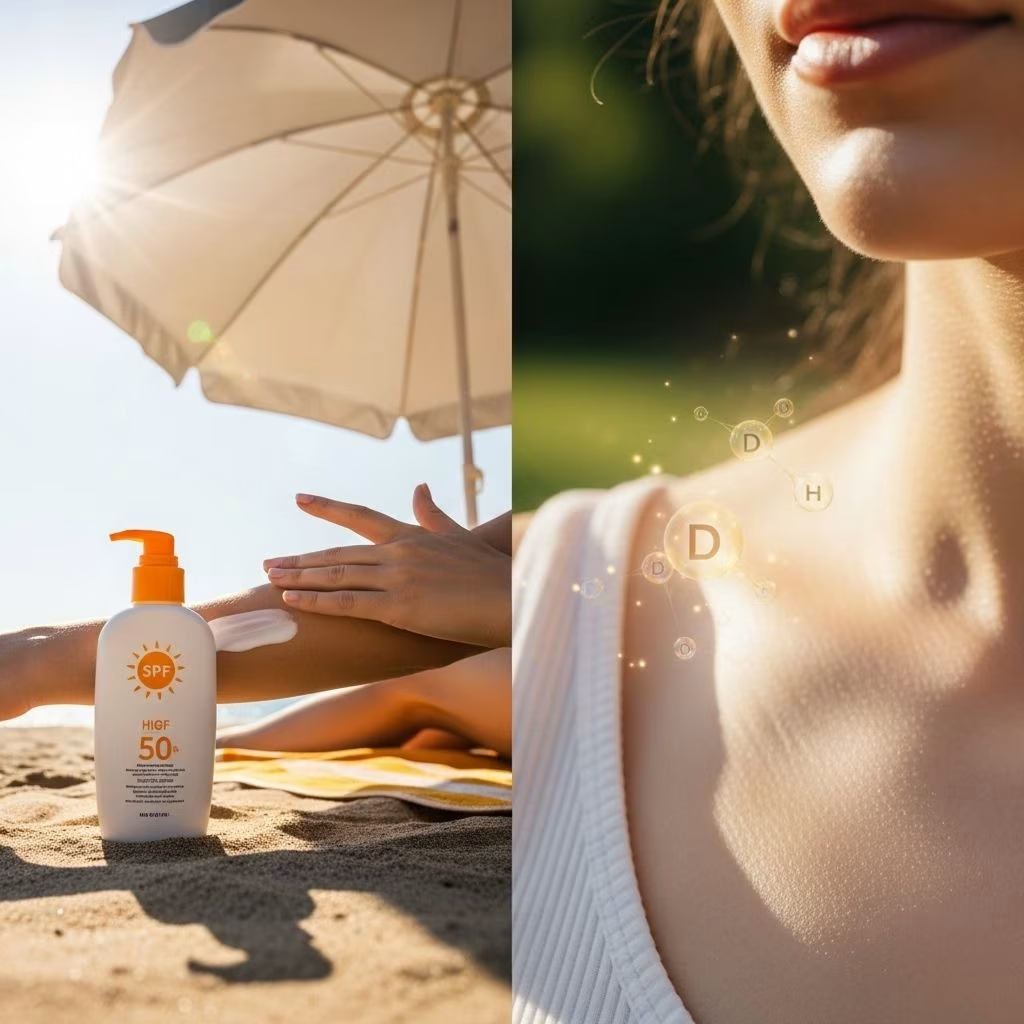
Concerns over vitamin D deficiency and the rising prevalence of skin cancer have fueled intense debates about the possible conflict between sunscreen use and vitamin D synthesis. Does protecting our skin from harmful ultraviolet (UV) rays compromise this vital nutrient? This comprehensive guide examines the science, resolves misconceptions, and provides practical recommendations for maintaining both skin health and adequate vitamin D levels.
Understanding Vitamin D: Its Role and Sources
Vitamin D is an essential nutrient that plays a crucial role in maintaining bone health by helping the body absorb calcium and phosphorus. It is also involved in immune function, cell growth regulation, and reducing inflammation. Deficiency can lead to weakened bones, increased risk of fractures, and other health concerns.
- Primary sources: Sun exposure (UVB rays), certain foods (e.g., fatty fish, egg yolks, fortified products), and supplements.
- Recommended intake: Varies with age, skin color, geographic location, and individual health conditions. Consult guidelines from health organizations.
UV Radiation, Skin Health, and Vitamin D Synthesis
When bare skin is exposed to sunlight, UVB rays trigger the production of vitamin D.
UVA rays (95% of sun’s UV radiation) penetrate deeper and primarily cause skin aging and increased cancer risk, but do not produce vitamin D. UVB rays (only about 5% of sunlight) are needed for vitamin D synthesis but are also responsible for sunburn and skin damage.
- UVA: Causes aging, penetrates deeply, dominant in sunlight, does not initiate vitamin D production.
- UVB: Needed for vitamin D, can cause sunburn, less prevalent but highly energetic.
While sun exposure is essential for vitamin D, it is also a leading risk factor for skin cancer, making protection necessary.
How Sunscreen Works: UVA vs. UVB Protection
Sunscreens are topical products designed to protect the skin by absorbing or reflecting harmful UV rays.
- SPF (Sun Protection Factor): Measures protection against UVB rays.
- Broad-spectrum sunscreens: Protect against both UVA and UVB.
- Some formulations prioritize UVA protection, while others focus on UVB.
Proper use can prevent sunburn, premature aging, and reduce the risk of skin cancer, but it raises questions about vitamin D synthesis.
Does Sunscreen Block Vitamin D Production?
Lab experiments using artificial UV sources have demonstrated that, theoretically, thick applications of sunscreen can block UVB rays and thus reduce vitamin D production. However, real-life use is far more complex.
| Study Setting | Effect on Vitamin D Synthesis | Notes |
|---|---|---|
| Laboratory (artificial UV) | Reduces vitamin D synthesis significantly | Thick, perfectly applied layers; not typical real-life use |
| Field trials/Observational studies | Minimal or no impact | Natural sun exposure, typical real-life sunscreen habits |
While perfect, generous, and repeated sunscreen application in controlled laboratory settings does reduce vitamin D production, most people use sunscreens less thoroughly or regularly, allowing enough UVB penetration for vitamin D synthesis.
What Does the Scientific Research Show?
Systematic reviews and real-world studies indicate sunscreen use does not cause vitamin D deficiency in most people.
- One large systematic review of 75 papers found that, although experimental studies using artificial light demonstrate a risk, field studies and observational trials analyzing natural sun exposure consistently show individuals using sunscreen maintain healthy vitamin D levels.
- Daily use of SPF 15 sunscreens, even when used to prevent sunburn, allowed significant improvement in vitamin D levels in study participants vacationing in high UV index areas.
- Other studies even found self-reported regular sunscreen use associated with higher vitamin D concentrations, possibly due to more frequent sun exposure by cautious individuals.
- International expert panels and dermatologist consensus agree that sunscreen use is unlikely to affect vitamin D production in healthy adults.
Broad-Spectrum vs. Narrow-Spectrum Sunscreen
- Broad-spectrum sunscreens (protecting against UVA/UVB) may allow higher vitamin D synthesis than those mainly blocking UVB, possibly due to transmission of small amounts of UVB.
- High UVA protection reduces vitamin D degradation, not its synthesis.
Real-World Sunscreen Use and Vitamin D Status
Most people do not apply the heavy, continuous layers of sunscreen used in laboratory experiments. Even with recommended applications, some UVB penetrates, permitting vitamin D production.
- Field trials indicate Vitamin D status is maintained, even with daily sunscreen use.
- Incorrect or uneven application is common, leading to exposure of some skin regions to UVB.
- People using sunscreen are often outdoors longer, consciously monitoring sun exposure but not fully eliminating UVB exposure.
Sunscreen Application Habits and Their Impact
A clinical trial revealed that the amount and method of sunscreen application influences UVB penetration and vitamin D synthesis.
- Standard guidelines recommend applying 2 mg/cm². Most people apply much less, reducing the UVB-blocking effect below theoretical levels.
- Using sunscreen correctly according to guidelines can still result in measurable vitamin D synthesis if exposure is adequate.
- Skin color, age, and individual response to sunlight may also affect vitamin D production, regardless of sunscreen use.
Seasonal and Geographic Factors
Seasonal variation (e.g., winter, low latitude with little natural sunlight) is a major factor in vitamin D deficiency, much more so than sunscreen use.
- During winter and in northern latitudes, UVB rays are less intense; vitamin D synthesis drops for everyone, regardless of sunscreen habits.
- Deficiency is more likely due to lack of sun exposure, not exclusively because of sunscreen use.
Balancing Sun Protection and Vitamin D
Experts and dermatologists recommend prioritizing sun protection to lower the risk of skin cancer and aging, secure in evidence that sunscreen does not threaten vitamin D status in most healthy adults.
- Short, regular exposure (5–30 minutes, 2–3 times weekly) to uncovered forearms, hands, or legs may be sufficient for most people to maintain adequate vitamin D.
- People with higher risk of deficiency—e.g., dark skin, older adults, those living in low-sun regions, or with certain medical conditions—may need supplements and dietary adjustments.
- Seek shade, wear protective clothing, and use sunscreen when outdoors for extended periods or during peak UV hours.
- Discuss vitamin D status and supplementation with a healthcare provider if concerned.
Other Ways to Get Vitamin D
- Dietary sources: Fatty fish (salmon, sardines), egg yolks, liver, fortified foods (milk, cereals, orange juice).
- Supplements: Vitamin D tablets or drops are widely available and recommended for high-risk groups or people with documented deficiency.
Safe sun habits and nutrition ensure both skin health and adequate vitamin D—these are not mutually exclusive goals.
Frequently Asked Questions (FAQs)
Q: Does using sunscreen daily cause vitamin D deficiency?
A: Field studies and systematic reviews show daily sunscreen use does not cause vitamin D deficiency for most individuals. Vitamin D synthesis occurs with typical sunscreen application and normal outdoor activities.
Q: Do higher SPF sunscreens block all vitamin D?
A: Laboratory studies show high SPF can block most UVB if applied perfectly, but real-world use still allows some UVB penetration. High SPF usage in natural conditions has not been conclusively shown to cause deficiency.
Q: Can people with darker skin get enough vitamin D with sunscreen?
A: Darker skin produces vitamin D less efficiently from sunlight, so supplementation and dietary sources may be needed, especially if sunscreen is used regularly or in regions with less sun.
Q: Would skipping sunscreen increase vitamin D?
A: Unprotected sun exposure can increase vitamin D but also dramatically raises risks for sunburn, premature aging, and skin cancer. Safer options include brief sun exposure, diet, and supplements.
Q: How do I know if I am vitamin D deficient?
A: Vitamin D status can be checked with a blood test (measuring 25-hydroxyvitamin D). Symptoms of deficiency are subtle and may include fatigue, muscle aches, low immunity, and bone weakness. Consult your healthcare provider for advice.
Key Takeaways
- Sunscreen use in real-world conditions does not generally lead to vitamin D deficiency.
- Public health advice supports continued sunscreen use to reduce skin cancer risks, with no need to compromise vitamin D status for most healthy adults.
- Brief, unprotected sun exposure on small areas, combined with dietary choices or supplements, is usually sufficient to maintain healthy vitamin D.
- Consult healthcare professionals for individual risks, particularly if you have limited sun exposure, darker skin, are elderly, or have health conditions.
Both sun protection and vitamin D are vital for long-term health—there is no need to sacrifice one for the other. Smart habits and balanced approaches can protect your skin and ensure proper nutrition.
References
- https://www.skinhealthinfo.org.uk/sunscreen-application-does-not-prevent-vitamin-d-production-in-the-majority-of-people/
- https://pubmed.ncbi.nlm.nih.gov/30945275/
- https://www.hackensackmeridianhealth.org/en/healthu/2024/05/13/does-sunscreen-block-vitamin-d
- https://www.clinicbarcelona.org/en/news/how-does-sunscreen-affect-vitamin-d-production
- https://pmc.ncbi.nlm.nih.gov/articles/PMC6899926/
- https://www.dpcj.org/index.php/dpc/article/view/3047
- https://www.skincancer.org/blog/sun-protection-and-vitamin-d/


