


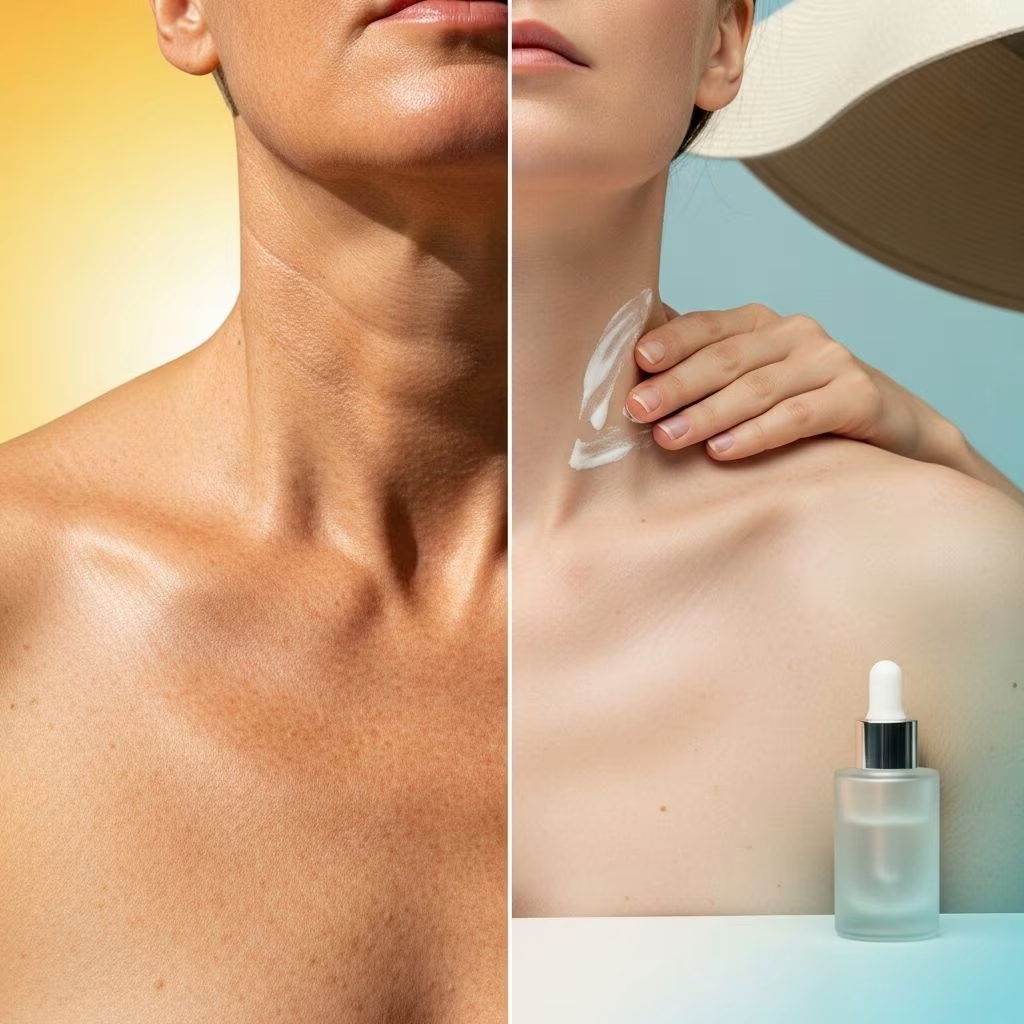
The delicate skin on the chest and neck—often referred to as the décolletage—is highly vulnerable to the effects of the sun. Unlike the face, which typically receives more skincare protection, the chest and neck areas are frequently overlooked, leaving them susceptible to sunspots, wrinkles, redness, and loss of firmness. In this in-depth guide, discover how sun damage manifests on these areas, proven strategies to prevent it, and the full spectrum of modern treatments—both at-home and clinical—to repair and rejuvenate sun-damaged skin.
Understanding Sun Damage on the Chest and Neck
Sun damage, or photoaging, refers to premature aging and skin damage caused by exposure to the sun’s ultraviolet (UV) rays. The skin on your chest and neck is thinner, contains fewer oil glands, and often receives less daily protection than your face. This makes it prone to the cumulative effects of UV exposure, including discoloration, texture changes, and sagging.
The main culprits are UVA and UVB rays. UVA rays penetrate deeply and cause collagen breakdown, while UVB rays are responsible for sunburn and surface-level DNA damage. Over time, both can lead to pigmentation changes and structural alterations in the skin matrix.
Common Signs and Symptoms of Sun Damage
Recognizing sun damage on the chest and neck is the first step toward effective treatment. Typical signs include:
- Hyperpigmentation: Brown spots, known as sunspots or age spots, often appear as patchy discoloration.
- Poikiloderma of Civatte: A combination of redness, brown pigmentation, and thinning skin, usually on the sides of the neck.
- Wrinkles and Fine Lines: Crepey, fragile skin that loses elasticity.
- Tiny blood vessels (telangiectasias): Dilated capillaries, often appearing as chronic redness.
- Dryness and Rough Texture: Lack of moisture, rough patches, and uneven skin tone.
- Precancerous lesions: Such as actinic keratoses, which demand medical evaluation.
Essential Prevention Strategies
Preventing further sun damage and safeguarding vulnerable skin is crucial, regardless of your age or the current state of your chest and neck. Prevention should be part of your daily routine:
- Apply Broad-Spectrum Sunscreen Daily: Use SPF 30 or higher with protection against both UVA and UVB rays every morning, before clothing. Opt for physical blockers (zinc oxide and titanium dioxide) for immediate, broad protection.
- Reapply Sunscreen Every Two Hours: Especially during extended outdoor activities, and after sweating or swimming.
- Wear Protective Clothing and Accessories: Wide-brimmed hats, UPF-rated shirts, and scarves provide physical barriers to UV exposure.
- Avoid Peak Sun Hours: Seek shade between 10 AM and 4 PM, when UV intensity is highest.
Consistent prevention is the foundation for reversing existing damage and achieving long-term results with any treatment.
At-Home Treatments and Skin Care
Incorporate these research-backed steps into your daily routine to address mild to moderate sun damage and maintain results from professional treatments.
1. Gentle Cleansing
Delicate skin demands a gentle touch. Cleanse with lukewarm water and non-stripping cleansers. Avoid harsh scrubs or aggressive exfoliation, which can worsen irritation.
2. Regular Exfoliation
- Use mild chemical exfoliants like lactic acid, glycolic acid, or enzymatic masks once or twice weekly. This removes pigmented, damaged cells and encourages renewal.
- Microdermabrasion at home offers gentle resurfacing but always follow with sunscreen.
3. Antioxidant Serums
Topical antioxidants (such as vitamin C and vitamin E serums) can reduce oxidative stress, suppress pigment production, and rebuild collagen.
- Use antioxidant serum each morning, layering under sunscreen for added protection.
4. Topical Retinoids and Retinol
Retinoids, derivatives of vitamin A, significantly increase cell turnover, fade pigmentation, and stimulate collagen production.
- Prescription-strength tretinoin or over-the-counter retinol creams are both effective but can cause irritation on delicate areas. Apply sparingly and build up gradually.
- Consult your dermatologist before starting a retinoid, especially if pregnant or breastfeeding.
5. Bleaching Agents and Targeted Creams
- Skin-brightening agents such as hydroquinone, kojic acid, licorice extract, or niacinamide can help fade spots and even out skin tone.
- Specialized neck and décolletage creams often contain peptides, growth factors, and antioxidants to improve firmness and reduce visible damage.
6. Moisturizers with Repair Ingredients
- Night creams enriched with peptides, ceramides, and hyaluronic acid restore hydration and reinforce the skin barrier.
- Apply restorative creams to both neck and chest every night.
Professional and In-Office Treatments
For advanced or persistent sun damage, a combination of in-office procedures often yields the most dramatic and durable improvements. Treatment plans should be individualized by a board-certified dermatologist or trained medical professional.
Chemical Peels
Chemical peels apply acids (such as glycolic, salicylic, or trichloroacetic acid) to remove damaged skin layers and promote regeneration.
- Light peels: Minimal downtime; can be performed more frequently for subtle improvements.
- Medium to deep peels: More significant peeling and downtime, ideal for pronounced pigmentation or texture problems.
- A series of treatments provides incremental benefits.
Microdermabrasion
- Non-invasive procedure that gently exfoliates and polishes the skin.
- Improves rough texture and can be combined with chemical peels for enhanced results.
Intense Pulsed Light (IPL) Photorejuvenation
IPL uses broad-spectrum light energy to target brown spots, broken blood vessels, and uneven tone. It’s one of the most effective modalities for poikiloderma (mixed redness and brown patches) on the neck and chest.
- Typically performed as a series (3–5 treatments), spaced several weeks apart.
- Minimal downtime, with some mild discomfort during the procedure (often described as a snapping sensation).
- Expect most improvement in pigmentation, capillaries, and collagen density.
Fractional Laser Resurfacing (e.g., Fraxel)
Fractional lasers create microscopic zones of controlled injury, stimulating collagen renewal and pigment removal.
- Effective for brown spots, crepey skin, and texture irregularities.
- Results are cumulative; 3–5 treatments spaced 6–8 weeks apart are usually recommended.
Vascular Lasers
- Specialized lasers (such as pulsed-dye lasers) effectively reduce chronic redness and visible capillaries—often outperforming IPL for blood vessel-related damage.
Photodynamic Therapy (PDT)
- This advanced light therapy is used to treat actinic keratoses (precancerous lesions) and significant photodamage, combining a photosensitizing agent with a light source to destroy abnormal cells.
Microneedling
- Tiny needles are used to create controlled microinjury, prompting the body to produce collagen and elastin.
- Results in smoother, firmer skin and a gradual reduction of fine lines and pigmentation.
| Treatment | Main Benefits | Recommended For | Recovery |
|---|---|---|---|
| IPL/Photorejuvenation | Fades spots, targets redness, boosts collagen | Poikiloderma, pigmentation, spider veins | Minimal downtime |
| Fractional Laser | Reduces fine lines, evens tone, smooths texture | Crepey skin, sun spots, deep damage | Several days of redness and swelling |
| Chemical Peel | Brightens, evens pigment, softens lines | Mild to moderate damage, rough texture | Mild to moderate redness, peeling |
| Microneedling | Smooths, firms, boosts repair | Mild wrinkles, texture, pigment | Redness and flaking (2–5 days) |
Combining Treatment Modalities for Best Results
No single treatment addresses all aspects of sun damage. Dermatologists frequently recommend a multimodal approach, layering at-home creams and serums with periodic in-office therapies:
- At-home care: Daily sunscreen, antioxidants, retinoids, and nourishing creams enhance and maintain results.
- Procedural treatments: IPL or laser for deep pigmentation and redness; peels or microdermabrasion for texture and tone.
- Personalized schedules: Your regimen will depend on skin type, severity of damage, and desired downtime.
Lifestyle Choices for Long-Term Skin Health
- Healthy Diet: A diet rich in antioxidants (vitamins C, E, A, zinc, selenium) aids skin resilience and repair.
- Avoid Tanning Beds: Artificial UV rays are equally damaging and accelerate skin aging.
- Regular Dermatological Check-Ups: Monitor for suspicious spots, actinic keratoses, or nonhealing lesions.
Frequently Asked Questions (FAQs)
Q: How long does it take to see improvement in sun damage on my chest and neck?
Results vary. Topical treatments may show improvement in 4–12 weeks. Advanced procedures (like IPL or fractional laser) often require a series, with visible results after a few months.
Q: Can I use the same sunscreen for my face on my neck and chest?
Yes, a broad-spectrum facial sunscreen with SPF 30 or higher can be safely used on these areas. Ensure sufficient coverage and reapplication.
Q: Are there any side effects to professional treatments?
Temporary redness, swelling, peeling, and mild discomfort are common after peels, lasers, or microneedling. Serious complications are rare but can occur if guidelines are not followed. Always consult a board-certified provider.
Q: Is it safe to treat sun damage during summer?
Most aggressive treatments are best performed in fall or winter to minimize UV re-exposure during the healing phase. Year-round, sunscreen and antioxidant use are beneficial.
Q: What if I have precancerous lesions?
Precancerous lesions, such as actinic keratoses, require prompt evaluation and specialized medical treatment—photodynamic therapy (PDT), cryotherapy, or prescription creams.
Conclusion
Treating sun damage on the chest and neck is a journey that requires commitment to prevention, bespoke skincare, and—when needed—advanced professional therapies. With a thorough understanding and consistent application of the outlined strategies, restoring youthful, radiant skin is achievable at any age. Consult with a dermatologist for a tailored treatment plan, and remember: the best results come from a blend of diligent daily protection and expert intervention.
References
- https://www.advdermatology.com/blog/treat-sun-damage-neck/
- https://blog.reneerouleau.com/sun-damage-chest/
- https://pacificskin.com/blog/what-can-i-do-for-sun-damage-on-my-chest
- https://www.healthline.com/health/decolletage
- https://www.aad.org/public/everyday-care/sun-protection/sun-damage-skin/wrinkles-sun-damage-can-be-treated
- https://www.scripps.org/news_items/4349-how-to-reverse-sun-damaged-skin
- https://artofskinmd.com/before-and-after/body/chest-rejuvenation/
- https://www.youtube.com/watch?v=PkjrqiwLJkU


