


Introduction
Dark lips, especially those caused by sun damage, are a common cosmetic concern that can affect people of all ages and skin types. While often harmless, darkened lips can lead to self-consciousness and, in some cases, may signal more serious underlying conditions like actinic cheilitis—a precancerous state linked to chronic sun exposure. This comprehensive guide explores the causes, symptoms, medical and natural treatment options, and prevention strategies for sun-induced dark lips, empowering you with the knowledge to maintain healthy, vibrant lips year-round.
Understanding Lip Darkening
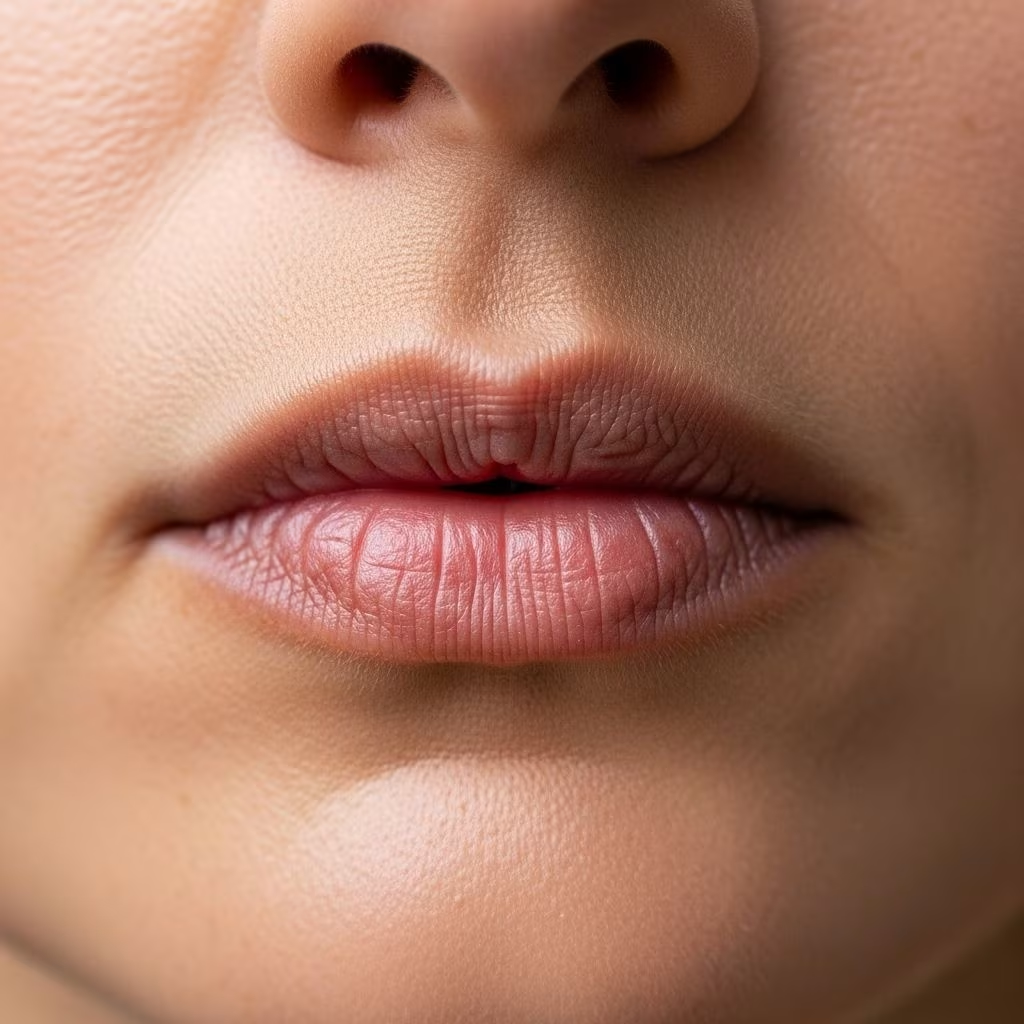
Lip darkening, or lip hyperpigmentation, occurs when the lips become noticeably darker than their natural color. This condition is influenced by the production of melanin, the pigment responsible for skin, hair, and lip color. Increased melanin production—often triggered by sun exposure—can lead to hyperpigmentation, causing patches or overall darkening of the lips.
The skin on the lips is thinner and more delicate than on other parts of the body, making it especially vulnerable to environmental stressors like ultraviolet (UV) radiation. This vulnerability explains why lips are particularly prone to darkening and other forms of sun damage.
Causes of Dark Lips from Sun Damage
Prolonged and repeated exposure to sunlight is a leading cause of lip darkening. The primary mechanisms include:
- UV Radiation: UV rays stimulate melanocytes (pigment-producing cells) to produce more melanin, leading to tanning and darkening of the lips.
- Thinner Skin: The lips have fewer layers of skin and less natural pigment, offering minimal protection against UV damage.
- Dehydration: Sun exposure can dry out the lips, making them more susceptible to cracking, peeling, and subsequent darkening.
- Additional Risk Factors: Smoking, excessive alcohol use, certain medications, and medical conditions like hormonal changes or HPV can exacerbate the effects of sun damage on the lips.
Actinic Cheilitis: Symptoms and Risks
Chronic sun damage can lead to actinic cheilitis, a precancerous condition characterized by persistent dryness, scaling, and discoloration of the lips—most commonly the lower lip.
Key Symptoms
- Persistent dryness and roughness
- Non-healing cracks or fissures
- Loss of the clear border (vermilion border) between the lip and surrounding skin
- White or grayish patches, sometimes with redness or inflammation
- Occasional tenderness or soreness
Associated Risks
Actinic cheilitis significantly increases the risk of developing squamous cell carcinoma, a type of skin cancer, making early diagnosis and treatment critical. Risk factors include chronic sun exposure, fair skin, outdoor occupations, smoking, and immunosuppression.
Treatment Options for Sun-Damaged Lips
Treatment for dark lips due to sun damage depends on the severity and underlying cause. Options range from home care to medical interventions.
Medical Treatments
- Topical Therapies: Creams containing hydroquinone, kojic acid, vitamin C, or retinoids can help lighten hyperpigmented lips.
- Chemical Peels: Peels using trichloroacetic acid (TCA) or alpha hydroxy acids (AHAs) can exfoliate darkened skin and promote renewal.
- Laser Therapy: Laser treatments target pigmented cells, reducing darkness and improving lip texture.
- Surgical Options: In severe or precancerous cases, surgical removal of damaged tissue may be necessary.
- Actinic Cheilitis Management: Treatment focuses on removing precancerous cells and may include cryotherapy, topical chemotherapy, photodynamic therapy, or surgical excision.
At-Home Care
- Moisturizing: Regular use of lip balms with ceramides, squalene, glycerin, or natural butters can prevent dryness and further darkening.
- Exfoliation: Gentle exfoliation with a soft toothbrush or sugar scrub removes dead skin and improves appearance.
- Sun Protection: Daily application of lip balm with SPF 30 or higher is essential to prevent further damage.
Prevention Strategies for Dark Lips
Preventing lip darkening from sun damage involves a combination of protective measures and healthy habits.
- Sunscreen: Use a broad-spectrum lip balm with SPF 30+ daily, even on cloudy days.
- Limit Sun Exposure: Avoid prolonged exposure, especially during peak UV hours (10 a.m. to 4 p.m.).
- Protective Clothing: Wear wide-brimmed hats and seek shade when outdoors.
- Hydration: Drink plenty of water to maintain lip moisture and overall skin health.
- Avoid Irritants: Reduce smoking and alcohol consumption, as these can worsen lip vulnerability to sun damage.
- Healthy Diet: A balanced diet rich in vitamins and antioxidants supports skin resilience.
Natural Remedies for Dark Lips
For those seeking non-medical approaches, several natural remedies may help lighten and care for sun-damaged lips.
- Hydration: Drinking adequate water and using natural moisturizers like coconut oil or shea butter can combat dryness[10].
- Gentle Exfoliation: DIY scrubs with honey and sugar can slough off dead skin gently[10].
- Natural Lightening Agents: Applying beetroot juice, lemon juice (with caution due to acidity), or cucumber slices may help reduce pigmentation over time[10].
- Aloe Vera: Known for its soothing and healing properties, aloe vera gel can aid in recovery from sunburned lips.
While these remedies are generally safe, they are not a substitute for medical treatment in cases of actinic cheilitis or persistent discoloration.
When to See a Doctor
Consult a dermatologist or healthcare provider if you experience:
- Persistent dryness, cracking, or non-healing sores on the lips
- Unusual discoloration, white patches, or loss of lip border definition
- Pain, bleeding, or swelling that does not improve with home care
- Suspicion of actinic cheilitis or skin cancer
Early medical evaluation is crucial for diagnosing precancerous changes and preventing complications.
Lifestyle Tips for Healthy Lips
Maintaining healthy lips goes beyond topical treatments. Consider these lifestyle adjustments:
- Quit Smoking: Smoking exacerbates lip darkening and increases the risk of actinic cheilitis.
- Reduce Caffeine Intake: Excessive caffeine can contribute to dehydration, worsening lip dryness.
- Avoid Licking Lips: Saliva evaporates quickly, leaving lips drier than before.
- Balanced Nutrition: Vitamins A, C, and E, along with zinc and omega-3 fatty acids, support lip health.
- Stress Management: Chronic stress can affect skin health, including the lips.
Frequently Asked Questions (FAQs)
Q: Can sun damage to the lips be reversed?
A: Mild sun damage and darkening can often be improved with consistent sun protection, moisturizing, and treatments like exfoliation or topical lightening agents. However, severe or chronic damage (such as actinic cheilitis) may cause irreversible changes and requires medical attention.
Q: How can I tell if my dark lips are due to sun damage or another cause?
A: Sun-related lip darkening typically affects the lower lip (which gets more sun exposure) and is often accompanied by dryness, scaling, or loss of lip border. Other causes (smoking, medications, anemia, allergies) may produce different patterns. A dermatologist can help diagnose the exact cause.
Q: What is the best way to protect my lips from the sun?
A: Use a lip balm with SPF 30 or higher daily, reapply every two hours when outdoors, wear a wide-brimmed hat, and avoid prolonged sun exposure—especially during peak hours.
Q: Are there any side effects of using lip-lightening creams?
A: Some lightening agents (e.g., hydroquinone) may cause irritation, redness, or increased sensitivity. Always follow product instructions and consult a dermatologist for long-term use.
Q: When should I worry about dark spots on my lips?
A: Seek medical advice if you notice persistent, non-healing sores, rapidly changing spots, pain, bleeding, or any other unusual changes, as these could indicate precancerous or cancerous conditions.
Q: Can natural remedies fully restore my lip color after sun damage?
A: Natural remedies may help improve mild discoloration but are unlikely to fully reverse significant sun damage or actinic cheilitis. Medical treatments are often necessary for more severe cases.
Summary Table: Key Causes, Treatments, and Prevention for Sun-Damaged Dark Lips
| Cause | Treatment | Prevention |
|---|---|---|
| UV radiation (sun exposure) | Topical lightening agents, chemical peels, laser, surgery if severe | SPF lip balm, hats, shade, limit sun exposure |
| Actinic cheilitis (precancerous) | Cryotherapy, topical chemotherapy, photodynamic therapy, surgery | Early detection, sun protection, avoid smoking/alcohol |
| Dehydration/dryness | Moisturizers, hydrating balms, gentle exfoliation | Drink water, avoid caffeine, use humidifiers |
| Other factors (smoking, medication) | Address underlying cause, consult healthcare provider | Quit smoking, review medications with doctor |
References
- https://www.clinikally.com/blogs/news/say-goodbye-to-dark-lips-causes-and-treatment-options
- https://drkormeilidermatology.com/actinic-chelitis/
- https://www.medicalnewstoday.com/articles/326104
- https://my.clevelandclinic.org/health/diseases/23007-actinic-cheilitis
- https://www.aaom.com/index.php%3Foption=com_content&view=article&id=137:solar-cheilitis&catid=22:patient-condition-information&Itemid=120
- https://www.medicalnewstoday.com/articles/lip-discoloration
- https://www.healthline.com/health/sunburned-lips
- https://www.tirabeauty.com/article/articles/lip-hyperpigmentation-treatments-that-a-derm-approves-of
- https://www.webmd.com/skin-problems-and-treatments/what-are-black-spots-on-the-lips
- https://www.celesteeclinics.com/blogs/lip-discoloration-causes-treatment-and-prevention


