


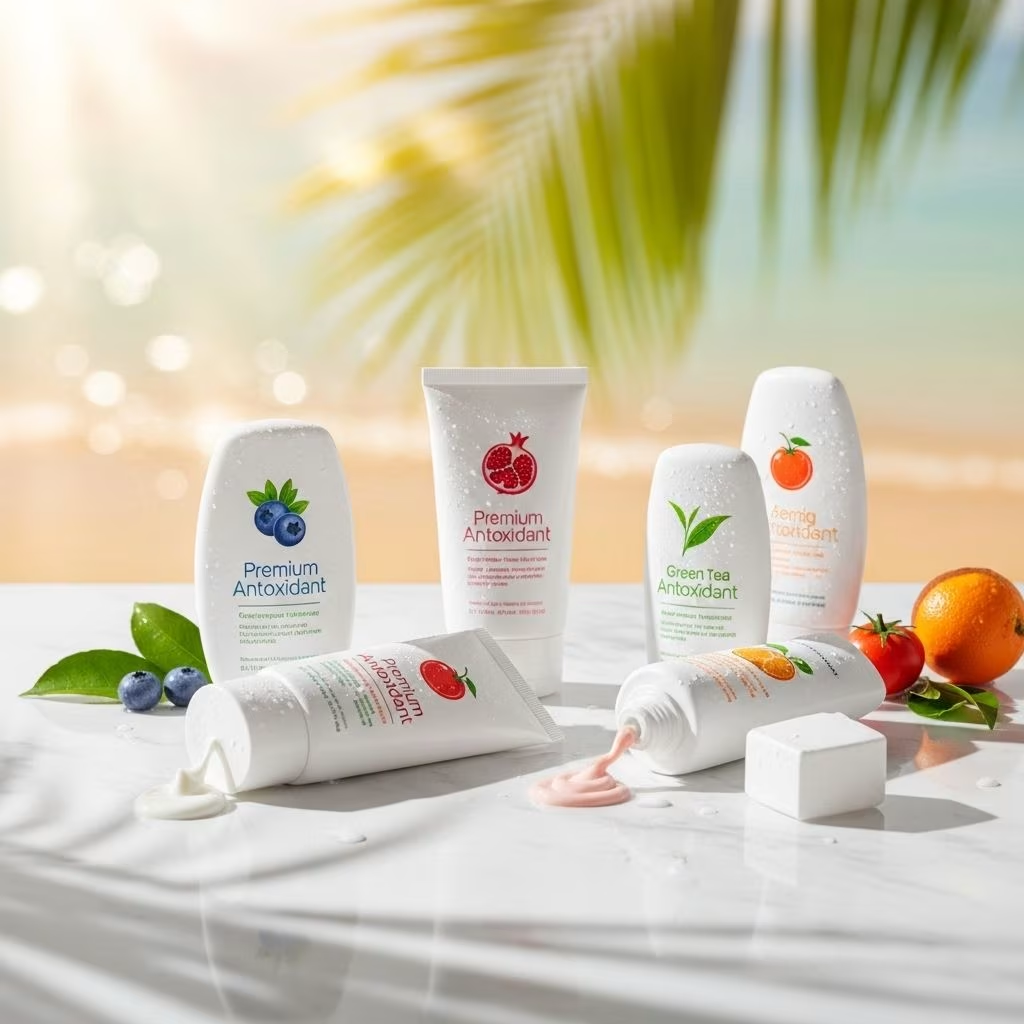
Introduction
Modern sun protection is evolving as research reveals the limitations of traditional sunscreen. While conventional ultraviolet (UV) filters block or absorb damaging rays, new advances are enhancing sunscreen efficacy through the incorporation of antioxidants. Antioxidants such as rosmarinic acid, vitamin C, and green tea polyphenols help counteract the damaging effects of UV-induced oxidative stress. This article explores the science, key ingredients, and practical implications of antioxidant-boosted sunscreens for improved sun protection and skin health.
Understanding Sunscreen and Its Limitations
Sunscreens are formulated to protect skin from UV radiation. The standard active ingredients, such as ethylhexyl methoxycinnamate (UVB filter) and avobenzone (UVA filter), serve as the primary defense by physically or chemically blocking UV rays from reaching the skin. However, multiple studies have demonstrated that even broad-spectrum sunscreens do not fully prevent deeper biological damage caused by UV exposure, particularly oxidative injury at the cellular level.
- UVB rays cause sunburn and direct DNA mutations.
- UVA rays penetrate deeper, generating reactive oxygen species (ROS) and contributing to premature aging and pigment disorders.
- Visible light, especially in the longer wavelengths (VL + UVA1 range), can also trigger pigmentation and exacerbate conditions like melasma and post-inflammatory hyperpigmentation.
Standard sunscreens do little to address these oxidative effects, which play a major role in photoaging, immune suppression, and skin cancer risk.
Role of Antioxidants in Skincare and Sun Protection
Antioxidants are molecules capable of neutralizing ROS, thereby reducing oxidative damage. While the skin possesses endogenous defenses (e.g., superoxide dismutase, catalase), intense or prolonged UV exposure easily overwhelms these systems. Topical antioxidants offer critical support by supplementing the skin’s natural defense mechanisms, mitigating the cellular and molecular impacts of UV exposure.
- Neutralizing ROS: Preventing lipid, protein, and DNA oxidation.
- Reducing inflammation: Modulating pathways and cytokines responsible for chronic tissue injury.
- Supporting immune resilience: Inhibiting UV-induced immunosuppression, helping the skin better resist and recover from environmental stress.
Scientific Mechanisms: How Antioxidants Boost Efficacy of Sunscreens
Research highlights several mechanisms through which antioxidants complement and enhance the protection provided by UV filters:
- Quenching Free Radicals: UV (especially UVA) produces ROS like superoxide, hydrogen peroxide, and hydroxyl radicals. Antioxidants ‘quench’ these ROS, reducing their capacity to trigger inflammation, DNA mutation, and collagen breakdown.
- Synergy with UV Filters: While UV filters absorb or scatter UV energy, antioxidants prevent damage caused by any penetrating rays. This synergistic strategy helps preserve skin integrity, reduce erythema, and slow skin aging processes.
- Augmenting SPF: Clinical studies found that supplementing sunscreen with rosmarinic acid could increase SPF by up to 41%, offering more protection without raising levels of synthetic UV filter chemicals.
- Anti-inflammatory action: Antioxidants like resveratrol, vitamin E, and polyphenols suppress key inflammatory mediators induced by UV exposure, helping to minimize redness, swelling, and chronic skin damage.
- Preserving immune function: Certain antioxidants inhibit the suppression of skin immune cells, which is linked to increased risk of infections and cancer after UV damage.
Key Antioxidants Used in Sunscreen Formulations
A variety of antioxidant molecules have been studied and incorporated into sunscreen products. The following table summarizes their main sources and documented benefits:
| Antioxidant | Main Sources | Skin Benefits |
|---|---|---|
| Rosmarinic Acid | Rosemary, sage, peppermint | Increases SPF, offers anti-aging and hydrating effects, anti-inflammatory, antiviral, immunomodulatory, and anticancer activity |
| Vitamin C (Ascorbic Acid) | Citrus fruits, pepper, green vegetables | Scavenges radicals, boosts collagen synthesis, reduces photodamage |
| Vitamin E (Tocopherol) | Vegetable oils, nuts, seeds | Protects cell membranes, synergizes with vitamin C, enhances moisturization |
| Green Tea Polyphenols | Green tea leaves | Antioxidant, anti-inflammatory, reduces UV-induced immunosuppression |
| Resveratrol | Grapes, berries, peanuts | Potent antioxidant, anti-inflammatory, photoprotective against pigment and erythema, inhibits collagen degradation |
These ingredients may be used alone or in combination to maximize protective benefits. Their presence in sunscreen formulas is supported by in vitro and human clinical data.
Clinical Findings: Efficacy and Added Benefits
- In one study, sunscreens enriched with rosmarinic acid at 0.1% achieved a 41% higher SPF than conventional formulas with identical UV filter concentrations, demonstrating significant enhancement of photoprotection without raising chemical filter levels.
- Products containing antioxidant combinations (e.g., 5-antioxidant blends) outperformed commercial tinted sunscreens in reducing pigmentation, delaying erythema, and maintaining color stability in subjects exposed to VL + UVA1 light. This suggests not only reduced visible damage but also improved cosmetic appearance and potential for treating pigmentary disorders.
- Regular use of antioxidant-infused sunscreens helps maintain skin firmness and elasticity, reduces wrinkle formation, and improves hydration, particularly when ingredients such as rosmarinic acid or vitamin C are included.
- Antioxidants reduce UV-induced immune suppression and chronic inflammation, factors that contribute to long-term sun damage, photoaging, and increased skin cancer risks.
- Clinical trials found that antioxidant-rich formulas are especially beneficial for darker skin phototypes (IV-VI), providing protection against pigmentation and dyschromia that standard UV filters alone may not sufficiently address.
Other Multifunctional Properties
- Some antioxidants (e.g., rosmarinic acid, resveratrol) possess additional benefits leveraged in cosmeceutical products: antiviral, antimicrobial, and anti-cancer activities further enhance the protective potential of antioxidant-enriched sunscreens.
Environmental and Formulation Advantages
An important advantage of using antioxidants in sunscreen is the potential to lower the concentration of synthetic UV filters, which helps reduce the environmental impact. High levels of certain filters have been implicated in aquatic toxicity and persistence in water systems. By boosting efficacy with natural antioxidant molecules, manufacturers can provide superior photoprotection with:
- Reduced volume of synthetic chemicals discharged into the environment
- Improved biodegradability and decreased eco-toxicity potential
- Broader safety profile for sensitive skin types
- Greater consumer acceptance due to multifunctional benefits (including anti-aging, hydration, and potential therapeutic action)
The formulation of antioxidant-enriched sunscreens also enables cosmetic developers to offer products tailored to diverse skin concerns beyond mere UV protection.
Consumer Guidance: Choosing and Using Antioxidant-Infused Sunscreens
With the cosmetic market rapidly evolving, it is essential for consumers to understand key considerations when choosing sunscreen products containing antioxidants:
- Check ingredient lists: Look for listed antioxidants such as rosmarinic acid, vitamin C, vitamin E, resveratrol, or green tea extract.
- Evaluate SPF ratings: Higher SPF products may benefit further from antioxidants but should still meet individual skin needs for broad-spectrum protection.
- Look for clinical evidence: Prioritize products backed by peer-reviewed studies demonstrating efficacy in both UV and visible light protection.
- Consider skin type and conditions: Those with darker skin, pigmentary issues (melasma, PIH), or sensitive skin may gain particular benefits from AO-rich formulas.
- Apply properly: Sunscreens should be applied liberally and re-applied every 2 hours or after swimming or heavy sweating—even for antioxidant-enriched products.
Many contemporary sunscreen products combine antioxidants with other functional ingredients to support overall skin health, including moisturizing agents and anti-aging peptides.
Frequently Asked Questions (FAQs)
Q: Do antioxidants protect against all types of UV damage?
A: Antioxidants mainly mitigate the effects of oxidative stress caused by UVA, UVB, and visible light. While they don’t replace UV filters, they complement sun protection by minimizing long-term cellular damage, inflammation, and photopigmentation.
Q: Can I use a serum with antioxidants under my regular sunscreen?
A: Yes, layering antioxidant-rich serums (such as vitamin C or E) beneath sunscreen can enhance protection. However, properly formulated sunscreen with antioxidants often delivers targeted, time-release benefits within a single product.
Q: Are there risks to using sunscreens with added antioxidants?
A: Most antioxidants used in sunscreen are well-tolerated. Rarely, sensitive individuals may experience irritation from certain botanical extracts. Using patch tests before long-term use and choosing formulas appropriate for your skin type is advised.
Q: Do antioxidant sunscreens work better for darker skin tones?
A: Yes, clinical research shows that AO-enriched sunscreens can better prevent pigmentation and dyschromia in Fitzpatrick skin types IV–VI, making them advantageous for darker skin.
Q: How do antioxidant sunscreens address photoaging?
A: By neutralizing free radicals and reducing inflammation, these sunscreens help preserve collagen, elastin, and overall skin structure—slowing wrinkle formation and loss of firmness.
Conclusion: The Future of Sun Protection
The integration of antioxidants into sunscreen marks a significant advancement in skincare science, providing multi-layered defense against UV rays and oxidative stress. By combining conventional UV filters with biologically active molecules such as rosmarinic acid, vitamin C, and resveratrol, new sunscreen formulations offer greater efficacy, reduced chemical usage, and improved skin health. Consumers seeking superior photoprotection, anti-aging benefits, and environmentally conscious choices are encouraged to prioritize antioxidant-enriched sunscreens for daily use, backed by sound clinical research and customization to individual skin needs.
References
- https://www.technologynetworks.com/biopharma/news/antioxidant-boosts-sunscreen-efficacy-371896
- https://thedermdigest.com/do-antioxidants-offer-uv-protection/
- https://www.oneskin.co/blogs/reference-lab/why-regular-sunscreen-isnt-enough-5-antioxidants-you-need-in-your-spf
- https://pubmed.ncbi.nlm.nih.gov/35587114/
- https://scholarlycommons.henryford.com/cgi/viewcontent.cgi?article=1684&context=dermatology_articles
- https://www.frontiersin.org/journals/physiology/articles/10.3389/fphys.2024.1347414/full


