


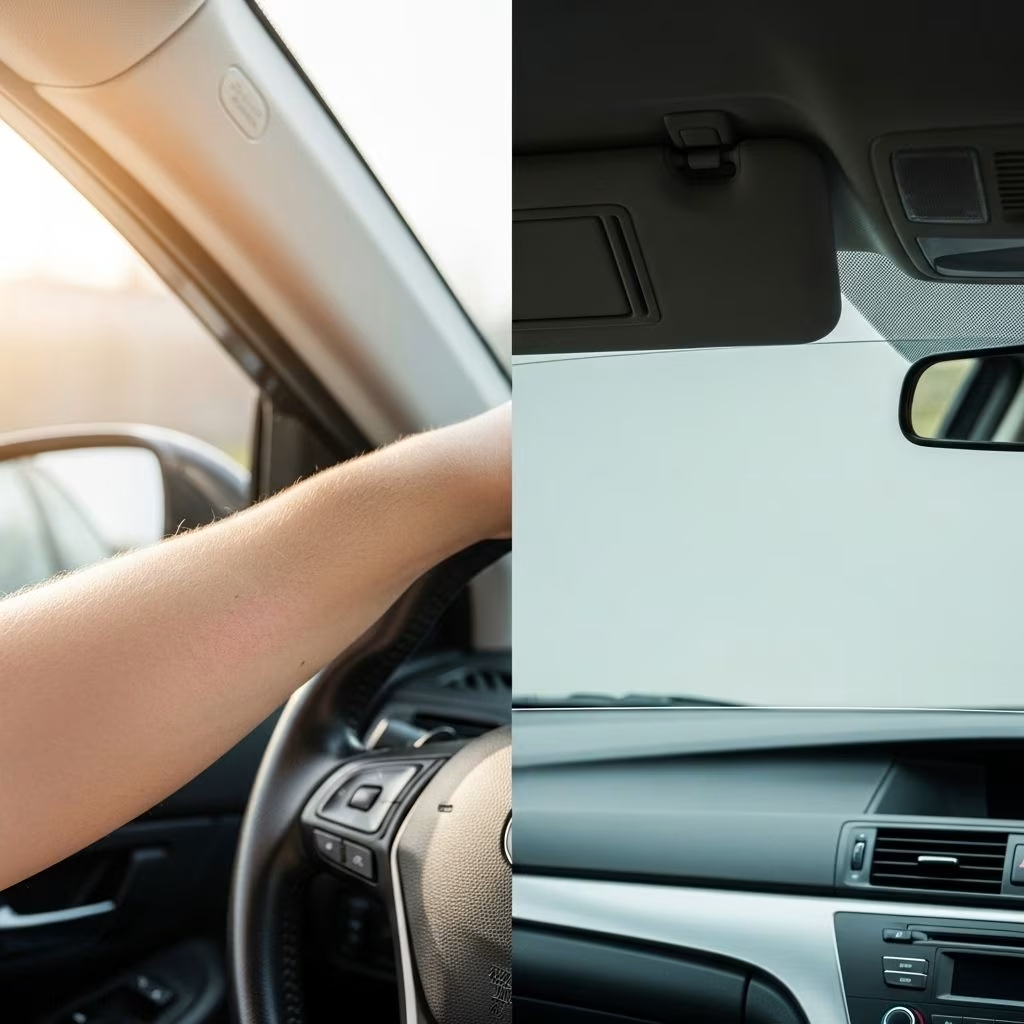
When you slide behind the wheel of your car, you probably don’t think about the invisible threat streaming through your windows. Ultraviolet radiation doesn’t stop at glass barriers, and the consequences of prolonged exposure while driving can be more serious than most people realize. Understanding UV protection while driving is essential for safeguarding both your health and your vehicle’s interior.
Every day, millions of drivers expose themselves to harmful UV rays without adequate protection. The sun’s radiation penetrates through car windows, gradually causing skin damage, accelerating aging, and potentially increasing the risk of skin cancer. Beyond health concerns, UV rays also deteriorate your vehicle’s interior, fading upholstery, cracking dashboards, and diminishing resale value. This comprehensive guide explores everything you need to know about UV protection while driving and how to keep yourself and your vehicle safe.
Understanding UV Radiation and Your Vehicle
Ultraviolet radiation consists of three types of rays: UVA, UVB, and UVC. While UVC rays are absorbed by the Earth’s atmosphere, UVA and UVB rays reach the surface and can penetrate various materials, including car windows. UVA rays constitute approximately 95% of the UV radiation reaching Earth and have longer wavelengths that allow them to pass through glass with relative ease.
The distinction between these ray types matters significantly for drivers. UVB rays are primarily responsible for sunburn and are mostly blocked by standard glass. However, UVA rays penetrate deeper into the skin, causing long-term damage that accumulates over time. These rays don’t produce immediate discomfort, making them particularly insidious for drivers who spend hours on the road without realizing the exposure they’re receiving.
Research has demonstrated that UV radiation levels inside vehicles are substantially lower than direct outdoor exposure, but they remain significant enough to cause concern. The amount of UV radiation you encounter depends on several factors including the time of day, season, geographic location, and most importantly, the type of glass in your vehicle’s windows and the position of your car relative to the sun.
The Science Behind Car Window Construction
Not all car windows provide equal protection against UV radiation, and understanding the construction differences explains why. Front windshields and side windows are manufactured using different processes and materials, resulting in varying levels of UV protection.
Front windshields are constructed from laminated glass, which consists of two layers of glass bonded together with a plastic interlayer, typically polyvinyl butyral. This construction serves multiple purposes: it prevents the windshield from shattering upon impact and provides structural integrity to the vehicle. The plastic layer embedded between the glass panes is what actually blocks UV radiation. Studies have shown that windshields block approximately 96% to 98% of UVA rays and virtually all UVB rays, offering substantial protection to drivers.
Side and rear windows, however, tell a different story. These windows are typically made from tempered glass, which is heat-treated to increase strength and cause it to shatter into small, relatively harmless pieces during an accident. While tempered glass effectively blocks UVB radiation, it allows a significant amount of UVA radiation to pass through. Research analyzing 29 automobiles from 15 different manufacturers found that side windows blocked only 71% of UVA rays on average. Only four of the 29 vehicles tested had side windows with what researchers considered high-level UVA blockage exceeding 90%.
The variation in UVA protection among different vehicles can be substantial. The thickness and color of tempered glass influence how much UVA radiation penetrates, with estimates showing that some side windows allow as much as 79% of UVA rays to pass through. This inconsistency means that the level of protection you receive depends significantly on your specific vehicle make and model.
Health Risks Associated with UV Exposure While Driving
The health implications of UV exposure while driving extend far beyond the temporary discomfort of a sunburn. Prolonged, cumulative exposure to UVA radiation through car windows contributes to serious dermatological concerns that develop gradually over time.
Premature skin aging represents one of the most visible effects of chronic UV exposure. UVA rays penetrate deep into the dermis, breaking down collagen and elastin fibers that keep skin firm and supple. This process leads to wrinkles, fine lines, age spots, and a leathery skin texture. Because UVA exposure doesn’t cause immediate redness or pain like UVB rays, drivers often remain unaware of the damage accumulating during their daily commutes and long road trips.
More concerning is the increased risk of skin cancer associated with unprotected UV exposure. The Skin Cancer Foundation emphasizes that extended periods of UVA exposure without adequate protection significantly elevate the risk of developing various forms of skin cancer. Research by the American Academy of Dermatology has revealed a disproportionate percentage of skin cancer diagnoses beginning on the left side of the body and face in countries where people drive on the right side of the road. This asymmetrical pattern strongly suggests a correlation between driving exposure and skin cancer development.
Beyond skin concerns, UV radiation also poses risks to eye health. Cataracts, a clouding of the eye’s lens that can impair vision, have been linked to UV exposure. Drivers who spend significant time on the road without proper eye and facial protection may face an elevated risk of developing cataracts earlier in life. The cumulative nature of UV damage means that protection should begin early and continue consistently throughout your driving years.
Vehicle Interior Damage from UV Rays
While health concerns rightfully take priority, UV radiation’s impact on your vehicle’s interior represents a significant financial consideration. The sun’s rays don’t discriminate between human skin and automotive materials when inflicting damage.
Dashboard materials are particularly vulnerable to UV degradation. The constant exposure to sunlight causes plastic and vinyl dashboards to fade, crack, and become brittle over time. These cracks not only look unsightly but can also compromise the structural integrity of dashboard components. Similarly, leather and fabric seats suffer from UV exposure, with colors fading and materials weakening, leading to premature wear and tear.
The steering wheel, door panels, and other interior surfaces all experience accelerated deterioration when subjected to unfiltered UV radiation. Research indicates that vehicles without UV-protective window treatments face 60% more degradation and fading of internal fabrics and plastics compared to those equipped with UV-blocking films. This dramatic difference translates directly to your vehicle’s resale value, as a well-preserved interior commands significantly higher prices in the used car market.
The financial implications extend beyond resale considerations. Replacing faded or cracked interior components can be expensive, with dashboard replacements alone costing hundreds or even thousands of dollars depending on the vehicle. Reupholstering seats adds additional costs. When viewed as a long-term investment, UV protection measures become not just a health decision but a smart financial choice that preserves your vehicle’s value and appearance.
Professional Window Tinting Solutions
Professional window tinting represents the most effective and popular solution for comprehensive UV protection while driving. Unlike aftermarket accessories or temporary measures, quality window film provides consistent, long-lasting protection that addresses both health and vehicle preservation concerns.
Professional window tinting involves applying specialized polyester film to the interior surface of your vehicle’s windows. This film is engineered with specific coatings designed to block UV radiation while maintaining visibility and complying with legal requirements. High-quality films can block up to 99% of both UVA and UVB rays, providing protection that far exceeds what standard tempered glass offers.
The benefits of professional tinting extend beyond UV protection. These films significantly reduce glare from the sun and oncoming headlights, enhancing driving safety and comfort. Studies suggest that proper window tinting can potentially decrease glare-related accidents by up to 50% by improving visibility and minimizing eye strain. During bright, sunny days, tinted windows reduce the harsh light that can temporarily blind drivers, allowing for safer navigation and faster reaction times to potential hazards.
Heat reduction represents another substantial advantage of window tinting. By blocking infrared radiation along with UV rays, quality window films can reduce interior temperatures by up to 60%. This not only improves comfort for passengers but also reduces the load on your air conditioning system, potentially improving fuel efficiency. On hot summer days, the difference between a tinted and non-tinted vehicle can be dramatic, with interior temperatures varying by 30 degrees or more.
Privacy and security benefits accompany UV protection when you invest in window tinting. The film makes it difficult for people outside to see into your vehicle, protecting both your privacy and your belongings from potential thieves. This added security can provide peace of mind when parking in unfamiliar areas or leaving valuables in your car temporarily.
Types of UV Protection Films
The window film market offers various options, each with distinct characteristics, performance levels, and price points. Understanding these differences helps you make an informed decision that balances your protection needs with your budget and preferences.
Dyed window film represents the most economical option. This film type uses multiple layers of dye to absorb solar energy and reduce heat and glare. While dyed films provide excellent UV protection and enhance privacy, they offer less heat rejection compared to more advanced options. The dye can fade over time, typically lasting five to ten years before requiring replacement. Despite these limitations, dyed films remain popular for budget-conscious consumers seeking basic UV protection and aesthetic appeal.
Metalized window film incorporates tiny metallic particles that reflect heat and UV radiation away from the vehicle. This construction provides superior heat rejection and durability compared to dyed films, with longevity often exceeding ten years. The metallic layer gives the windows a shiny, reflective appearance from the outside. However, metalized films can interfere with electronic signals, potentially affecting GPS, cellular reception, and radio performance. This interference makes metalized films less desirable for vehicles with extensive electronic systems.
Carbon window film utilizes carbon particles instead of metal or dye, offering excellent heat rejection and UV protection without signal interference. Carbon films have a matte finish that appeals to many vehicle owners and won’t fade over time like dyed films. They block approximately 40% of infrared radiation while maintaining clear visibility and providing up to 99% UV protection. Carbon films typically fall in the mid-to-upper price range but offer superior performance and longevity that justify the investment.
Ceramic window film represents the premium option in UV protection technology. These films use ceramic particles that are non-conductive and non-metallic, providing maximum heat rejection and UV protection without any signal interference. Ceramic films block up to 50% of solar heat while allowing maximum visibility and blocking 99% of UV rays. They’re the most durable option available, often lasting the lifetime of the vehicle without fading or degrading. While ceramic films command the highest price, their superior performance and longevity make them the preferred choice for drivers seeking the best possible protection.
Legal Considerations and Regulations
Before installing window tinting, understanding legal requirements in your jurisdiction is essential. Every state and territory maintains specific regulations regarding window tint darkness, measured as visible light transmission, which determines how much light must pass through the tinted window.
Windshield tinting faces the strictest regulations. Most jurisdictions prohibit tinting the primary viewing area of the windshield, typically requiring a minimum visible light transmission of 75%. However, a tinted band is generally permitted on the top portion of the windshield, usually limited to the upper 4 to 6 inches or the area above the windshield wiper sweep. This band helps reduce glare from overhead sun without obstructing the driver’s primary field of vision.
Side window and rear window regulations vary considerably by location. Some regions allow darker tints on rear windows than front side windows, recognizing that front window visibility is more critical for safe driving. Visible light transmission requirements for front side windows typically range from 25% to 70%, meaning that 25% to 70% of light must pass through the tinted window. Rear side windows and rear windshields often have more lenient requirements or no restrictions at all in certain jurisdictions.
Medical exemptions exist in many areas for individuals with documented light-sensitive conditions or skin disorders that require additional UV protection. These exemptions typically require a physician’s letter and special permits but allow for darker tints than standard regulations permit. If you have a medical condition that would benefit from enhanced UV protection, consulting with your healthcare provider and local motor vehicle department about exemption possibilities is worthwhile.
Professional tinting companies are well-versed in local regulations and can ensure your installation complies with all legal requirements. Working with reputable professionals protects you from potential citations and the expense of removing illegal tint. Many quality installers offer warranties that include free removal and replacement if you receive a ticket due to their work, providing additional peace of mind.
Alternative UV Protection Methods
While professional window tinting offers the most comprehensive protection, several alternative or complementary methods can enhance UV safety while driving.
Removable fabric window covers provide flexible UV protection, particularly useful for rear seat passengers and children. These covers attach to windows with suction cups or static cling and can be easily removed when not needed. They’re particularly popular with parents transporting infants and young children, whose sensitive skin requires extra protection. The effectiveness varies among products, with some blocking up to 98% of UV rays. However, these covers only work when windows are closed and can obstruct visibility if placed on front side windows.
UV-protective clothing and accessories offer personal protection that complements window treatments. Long-sleeved shirts made from UV-protective fabric, wide-brimmed hats, and UV-blocking sunglasses provide additional defense against rays that penetrate windows. While these items don’t protect your vehicle’s interior, they significantly reduce your personal exposure, especially during long drives. Many athletic and outdoor clothing brands now offer stylish options with built-in UV protection rated with Ultraviolet Protection Factor numbers.
Sunscreen application remains a fundamental protective measure that shouldn’t be overlooked. Applying broad-spectrum sunscreen with an SPF of at least 30 to exposed skin before driving provides crucial protection, especially on your face, neck, arms, and hands. The Skin Cancer Foundation recommends reapplying sunscreen every two hours during extended drives. While it might seem excessive for a commute, regular sunscreen use significantly reduces cumulative UV damage over time.
Parking strategies can minimize UV exposure to both you and your vehicle. Whenever possible, park in shaded areas or covered parking structures. Using windshield sunshades when parked not only keeps your car cooler but also reduces UV damage to the dashboard and interior. These simple habits, combined with other protective measures, create a comprehensive approach to UV safety.
Choosing the Right Protection for Your Vehicle
Selecting the appropriate UV protection strategy depends on multiple factors including your budget, driving habits, climate, and personal preferences. A thoughtful evaluation of these elements ensures you invest in protection that meets your specific needs.
Begin by assessing your UV exposure risk. Drivers who spend several hours daily on the road face significantly higher cumulative exposure than those with short commutes. If you frequently drive during peak sun hours between 10 AM and 4 PM, your protection needs increase. Geographic location also matters, as UV intensity varies with latitude and altitude. Residents of southern states and high-altitude areas experience stronger UV radiation than those in northern or coastal regions.
Budget considerations play a natural role in decision-making, but viewing UV protection as a long-term investment rather than an expense changes the calculation. While premium ceramic films cost more initially, their superior performance and longevity often make them more cost-effective over the vehicle’s lifetime. Conversely, if you lease vehicles or change cars frequently, a mid-range option might provide better value. Remember to factor in the costs of potential skin damage treatment and interior replacement when evaluating your budget.
Professional installation versus do-it-yourself application represents another decision point. While DIY window film kits are available at lower prices, professional installation ensures proper application without bubbles, peeling, or uneven coverage. Professionals also guarantee legal compliance and typically offer warranties on their work. The relatively small price difference between professional and DIY installation often makes professional service the wiser choice, especially considering the difficulty of removing poorly applied film.
Consulting with reputable window tinting specialists allows you to see samples, discuss options, and receive recommendations based on your specific vehicle and needs. Quality installers can show you exactly how different films look on your car’s windows and explain the performance differences between options. Many offer lifetime warranties on their installations, providing long-term value and peace of mind.
Frequently Asked Questions
Q: Do car windows provide adequate UV protection without tinting?
A: Front windshields provide excellent UV protection, blocking approximately 96% to 98% of UVA rays and virtually all UVB rays due to their laminated glass construction. However, side and rear windows made from tempered glass typically block only about 71% of UVA rays, leaving you exposed to significant UV radiation during driving. Additional protection through window tinting or other methods is recommended for comprehensive safety.
Q: Can window tinting really reduce the risk of skin cancer?
A: Yes, quality window tinting that blocks up to 99% of UV rays significantly reduces your exposure to the radiation linked to skin cancer development. While no single measure guarantees complete protection, combining window tinting with sunscreen and protective clothing substantially lowers your risk. The American Academy of Dermatology has documented disproportionate skin cancer rates on the left side of drivers’ bodies, suggesting that UV exposure through car windows contributes to skin cancer risk.
Q: Will window tinting affect my visibility while driving?
A: When properly installed and within legal limits, window tinting should not significantly impair visibility. Quality films are designed to reduce glare and heat while maintaining clear sight lines. In fact, many drivers report improved visibility in bright conditions due to reduced glare. However, excessively dark tints can impair night vision and are illegal in most jurisdictions for this reason. Professional installers ensure tinting meets legal visible light transmission requirements for safe driving.
Q: How long does professional window tinting last?
A: The longevity of window tinting depends on the film quality and type. Dyed films typically last five to ten years before fading, metalized films often exceed ten years, and premium ceramic or carbon films can last the lifetime of your vehicle without degrading. Proper installation and care extend film life. Most professional installers offer warranties ranging from several years to lifetime coverage, protecting your investment.
Q: Is window tinting legal in all areas?
A: Window tinting is legal in most jurisdictions, but regulations regarding darkness levels vary significantly by location. Windshields typically require high visible light transmission, usually 75% or more, with only a small tinted band allowed at the top. Side and rear window regulations vary by state or territory. Professional tinting companies understand local regulations and ensure installations comply with legal requirements. Medical exemptions for darker tints are available in many areas for individuals with documented light-sensitive conditions.
Q: Does window tinting help keep my car cooler?
A: Yes, quality window tinting significantly reduces interior temperatures by blocking infrared radiation along with UV rays. High-performance films can reduce heat by up to 60%, making a substantial difference in comfort and reducing air conditioning load. The temperature difference between tinted and non-tinted vehicles can exceed 30 degrees on hot, sunny days. This heat reduction not only improves comfort but can also improve fuel efficiency by reducing air conditioning usage.
Q: Can I apply window tinting myself?
A: While DIY window tinting kits are available, professional installation is strongly recommended. Proper application requires skill and experience to avoid bubbles, peeling, uneven coverage, and compliance issues. Professionals use higher-quality films, ensure legal compliance, and typically offer warranties on their work. The cost difference between DIY and professional installation is often minimal when considering the risk of poor application and the potential need to remove and replace improperly installed film.
Q: Will window tinting interfere with my phone or GPS?
A: Metalized window films can interfere with electronic signals including GPS, cellular reception, and radio, though modern vehicles with external antennas typically experience minimal issues. Carbon and ceramic films do not cause signal interference because they contain no metallic particles. If signal quality is a concern, specifically request non-metallic film options. Most professional installers can recommend appropriate films that provide excellent UV protection without affecting your vehicle’s electronic systems.
UV protection while driving represents a critical aspect of automotive safety that too many drivers overlook. The science is clear: UV radiation penetrates car windows, causing cumulative damage to both occupants and vehicle interiors. While front windshields offer substantial protection, side and rear windows allow significant UVA exposure that contributes to skin aging, increases skin cancer risk, and accelerates interior deterioration. Professional window tinting provides comprehensive, long-lasting protection that addresses these concerns while offering additional benefits including glare reduction, heat rejection, and enhanced privacy. Combined with complementary measures like sunscreen, protective clothing, and smart parking habits, proper UV protection creates a safer, more comfortable driving environment. Whether you’re a daily commuter or weekend road warrior, investing in UV protection preserves your health and your vehicle’s value for years to come.
References
- https://preventcancer.org/article/wear-sunscreen-when-driving/
- https://www.keystonedetailpa.com/why-professional-window-tinting-is-important-for-vehicle-safety
- https://www.cancer.org.au/about-us/policy-and-advocacy/prevention/uv-radiation/related-resources/tinted-windows
- https://www.clearpro.com/car-window-uv-protection/
- https://www.choicewindowtint.com/from-uv-protection-to-privacy-explore-the-many-advantages-of-car-window-tint
- https://www.ultimatefilmsolutions.biz/uv-protection-why-tint-your-car-windows


