


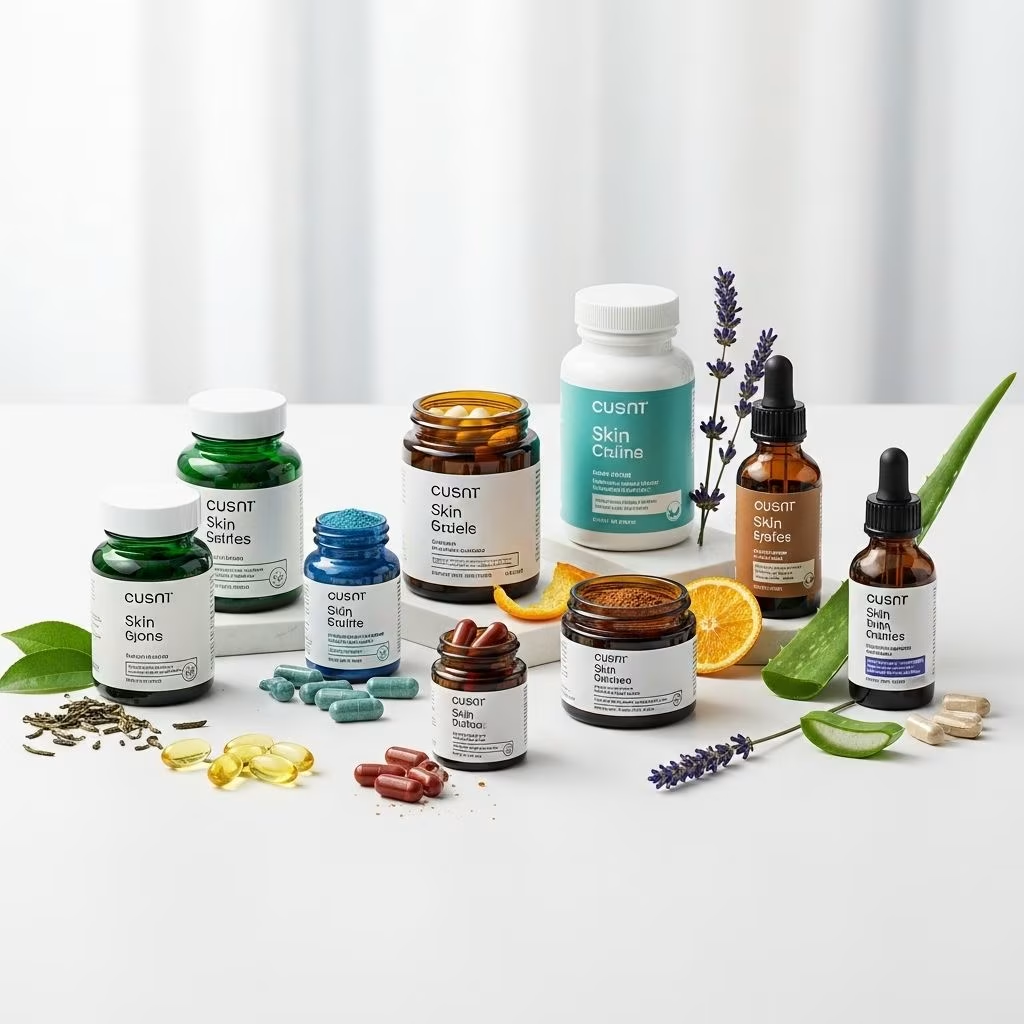
Chronic stress can leave an indelible mark on our bodies, influencing everything from mood and weight to the health and radiance of our skin. Central to this relationship is cortisol, the body’s primary stress hormone, which, when chronically elevated, can accelerate skin aging, contribute to inflammation, and lead to a host of physical and emotional imbalances. Fortunately, a growing body of research points to a variety of evidence-backed supplements capable of helping manage cortisol and restore vitality to both the body and skin.
Understanding Cortisol: Stress, Skin, and Health
Cortisol is a steroid hormone produced by the adrenal glands as part of the body’s natural stress response. In short bursts, it plays essential roles:
- Regulating blood sugar
- Reducing inflammation and helping with immune response
- Assisting with metabolism
- Supporting healthy blood pressure
However, chronic elevation—through ongoing stress, poor lifestyle habits, or hormonal imbalances—can cause a cascade of negative health effects:
- Fatigue and energy crashes
- Weight gain (especially belly fat)
- Poor sleep or insomnia
- Anxiety, mood shifts, and irritability
- Weakened immune system
- Accelerated skin aging: dullness, wrinkles, reduced collagen production, and worsened skin conditions (e.g., atopic eczema, acne)
For the skin, elevated cortisol disrupts the barrier integrity, increases inflammation, and impairs recovery from damage, ultimately fueling conditions like acne, psoriasis, and premature aging.
Why Managing Cortisol Matters for Skin and Wellbeing
Maintaining optimal cortisol levels benefits more than your mood—it is integral to your skin’s ability to repair, renew, and retain luminosity. Chronically high cortisol:
- Increases breakdown of collagen and elastin, leading to fine lines and sagging
- Slows cellular turnover, resulting in dull and uneven skin texture
- Promotes inflammation and aggravates skin conditions such as eczema and psoriasis
- Reduces skin barrier function, making the skin prone to dehydration and irritation
- Can impact hormonal balance, aggravating acne
Strategically reducing cortisol through supplements, nutrition, and lifestyle can help restore healthier, more resilient skin from within.
Top Supplements for Cortisol Management
Several supplements have demonstrated the ability to support healthy cortisol levels and, in turn, protect both stress resilience and skin health.
| Supplement | Mechanism | Additional Benefits | Typical Dosage |
|---|---|---|---|
| Ashwagandha | Adaptogen; modulates stress response via HPA axis regulation | Anxiety relief, improved sleep, immune, thyroid, and libido support | 250–600 mg standardized extract (KSM-66 or Sensoril) |
| L-Theanine | Increases alpha brain waves, promotes relaxation without sedation | Focus support, improved sleep, reduced anxiety | 100–400 mg |
| Magnesium | Essential mineral; balances stress response and nerve function | Muscle relaxation, sleep quality, heart and bone health | 200–400 mg elemental magnesium |
| Omega-3 Fatty Acids | Anti-inflammatory; supports cell membrane and skin barrier function | Cognitive health, cardiovascular protection, anti-aging benefits | 1,000–2,500 mg combined EPA/DHA |
| Phosphatidylserine | Phospholipid; modulates brain and adrenal response to stress | Memory and cognition support, improved exercise recovery | 100–400 mg |
| Magnolia Bark Extract | Adaptogen; regulates cortisol, soothes nervous system | Sleep improvement, reduces stress-related eating | 200–400 mg extract |
| Rhodiola Rosea | Adaptogen; helps body adapt to stress, modulates cortisol | Physical/mental stamina, mood boost | 200–400 mg standardized extract |
| Vitamin C | Antioxidant; lowers cortisol after stress, supports skin renewal | Collagen production, immune support, wound healing | 500–2,000 mg |
Ashwagandha
This ancient Ayurvedic herb is perhaps the best-studied natural cortisol modulator. As an adaptogen, ashwagandha helps regulate the hypothalamic-pituitary-adrenal (HPA) axis, which governs the stress hormone cascade. Multiple trials show that supplementing with ashwagandha can drop cortisol by up to 32%, improve sleep, reduce anxiety, and boost stress resilience over periods of 2–8 weeks. Standardized extracts such as KSM-66 or Sensoril are most effective.
L-Theanine
L-theanine is an amino acid found abundantly in green tea. It works by increasing alpha brain waves, which foster a state of calm alertness. Supplementation reduces psychological and physiological markers of stress, improving attention and sleep quality in stressed individuals without causing drowsiness.
Magnesium
Magnesium is vital for hundreds of biochemical reactions, including the regulation of the nervous system and stress response. Deficiency is common, especially in those experiencing chronic stress. Supplementing with magnesium reduces cortisol and sympathetic nervous system activity, contributing to muscle relaxation, better sleep, and overall calmness. Food sources include leafy greens, nuts, seeds, and whole grains.
Omega-3 Fatty Acids
Omega-3s, particularly EPA and DHA, have anti-inflammatory effects and play a role in maintaining healthy cell membranes—especially important for skin health. Studies show that supplementing with 2.5 grams daily can reduce cortisol by up to 33% within four months, boost resilience to stress, and slow biological aging. Sources include salmon, sardines, chia seeds, flaxseed oil, and walnuts.
Phosphatidylserine
Phosphatidylserine is a phospholipid found in high concentrations in the brain. It blunts the rise in cortisol after acute stress or exercise and supports cognitive function, making it popular for both athletes and those seeking to preserve memory under stress.
Magnolia Bark Extract
Magnolia bark is a traditional remedy now recognized for its adaptogenic and anxiolytic properties. It can lower cortisol, reduce anxiety, and help counteract stress-related eating and sleep difficulties.
Rhodiola Rosea
This Scandinavian adaptogen increases the body’s capacity to adapt to physical and psychological stressors, boosting energy, enhancing mood, and normalizing cortisol.
Vitamin C
Vitamin C is a powerful antioxidant that can blunt the surge in cortisol following stressful events and supports skin renewal and collagen synthesis.
Herbs and Natural Extracts for Skin Health
- Calendula: Supports wound healing, improves hydration and firmness, manages minor skin issues.
- Chamomile: Reduces inflammation, soothes eczema, aids wound healing.
- Turmeric (Curcumin): Potent anti-inflammatory, supports healthy skin, promotes collagen synthesis.
- Green Tea: Antioxidant polyphenols that protect against oxidative damage and inflammation.
- Aloe Vera: Rich in vitamins and polysaccharides, facilitates healing and moisturizes skin.
How Supplements Help the Skin Under Stress
Cortisol management supplements not only reduce the physiological stress response but often confer direct and indirect benefits for skin repair and appearance:
- Reduce inflammation: Omega-3s and adaptogens help calm systemic inflammation, common in skin disorders such as acne and eczema.
- Support collagen and elastin: Vitamin C, ashwagandha, and turmeric support the proteins vital to skin firmness and elasticity.
- Enhance moisture retention: Omega-3s and magnesium aid in skin barrier function, preventing dryness and irritation.
- Restore barrier integrity: Regular intake of antioxidants and phospholipids improves the skin’s resistance to environmental stressors and damage.
- Accelerate healing: Aloe vera, calendula, and curcumin speed skin regeneration and recovery after injury or inflammation.
- Balance sebum production: Adaptogens can regulate hormonally driven oil production, reducing breakouts.
Lifestyle & Dietary Strategies That Support Cortisol Balance
Supplements work best as part of a holistic plan. Consider combining them with these lifestyle approaches for optimal results:
- Prioritize sleep: Aim for 7–9 hours of consistent, quality sleep. Poor sleep directly elevates cortisol.
- Adopt a balanced, whole food diet: Favor colorful fruits, vegetables, lean protein, healthy fats (e.g., from nuts, seeds, olive oil), and avoid processed foods.
- Regular physical activity: Exercise reduces stress hormones over time, especially yoga, walking, and moderate aerobic work; avoid excessive high-intensity training if already stressed.
- Practice mindfulness and relaxation techniques: Meditation, deep breathing, and yoga all modulate the HPA axis and lower cortisol.
- Stay hydrated: Adequate fluid intake supports nutrient absorption and skin health.
- Build healthy social connections: Positive relationships buffer stress and reduce its physiological impact.
Potential Risks & Considerations
While most supplements for cortisol management are generally safe, there are some important considerations:
- Individual variation: Response to supplements can differ based on genetics, predispositions, and interactions with medications.
- Dosage matters: Excess or prolonged use can lead to side effects, including gastrointestinal upset, sedation, or hormonal imbalances.
- Quality control: Choose products from reputable brands, preferably third-party tested for potency and contaminants.
- Consultation: Always talk to a healthcare provider if pregnant, breastfeeding, taking medication, or managing chronic health conditions.
Frequently Asked Questions
Q: Can I take multiple supplements for cortisol management together?
A: Many supplements can be combined, especially if they have unique mechanisms of action (e.g., magnesium, ashwagandha, and omega-3s). However, always introduce one at a time and monitor for reactions. Consult a healthcare provider before creating complex regimens.
Q: How soon will I notice improvements when using these supplements?
A: It varies. Benefits such as improved calm, energy, and skin clarity may manifest in a few days to several weeks, depending on the supplement and individual biology. Many studies cite significant results within 4–8 weeks of regular supplementation.
Q: Are there dietary sources of these nutrients that support cortisol management?
A: Yes. Stress-busting nutrients can be found in fatty fish (omega-3s), leafy greens and seeds (magnesium), citrus and bell peppers (vitamin C), green tea (L-theanine), turmeric spice (curcumin), and adaptogenic herbal teas. An overall balanced, nutrient-rich diet supports optimal stress hormone regulation.
Q: Can supplements alone clear stress-induced skin conditions?
A: Supplements support skin healing and resilience, but for best results, combine them with stress management, dietary changes, gentle skin care routines, and, if needed, professional dermatological or psychological care.
Q: Who should avoid or be cautious with cortisol-lowering supplements?
A: Pregnant or breastfeeding individuals, those with autoimmune disorders, mental health diagnoses, or people on multiple medications should seek medical advice before using adaptogens or hormone-affecting herbs.
Conclusion
Managing stress and optimizing cortisol levels isn’t just about feeling calm—it’s a pathway to vibrant, youthful skin and holistic health. Evidence-backed supplements like ashwagandha, magnesium, L-theanine, omega-3, and targeted adaptogenic herbs offer powerful support, particularly when paired with a nourishing dietary and lifestyle framework. Begin with small, sustainable changes, choose supplements wisely, and always consult your healthcare provider to create a personalized plan for long-term skin and stress resilience.
References
- https://moonjuice.com/blogs/supplements/supplements-to-reduce-cortisol
- https://www.joinmidi.com/post/supplements-to-reduce-cortisol
- https://www.rupahealth.com/post/the-impact-of-stress-on-skin-health-and-how-to-manage-it-with-integrative-medicine
- https://www.goodrx.com/well-being/supplements-herbs/reduce-cortisol
- https://naturesway.com/products/cortisol-manager
- https://www.target.com/s/lower+cortisol
- https://www.healthline.com/nutrition/ways-to-lower-cortisol
- https://www.innerbody.com/best-supplements-to-reduce-cortisol


