


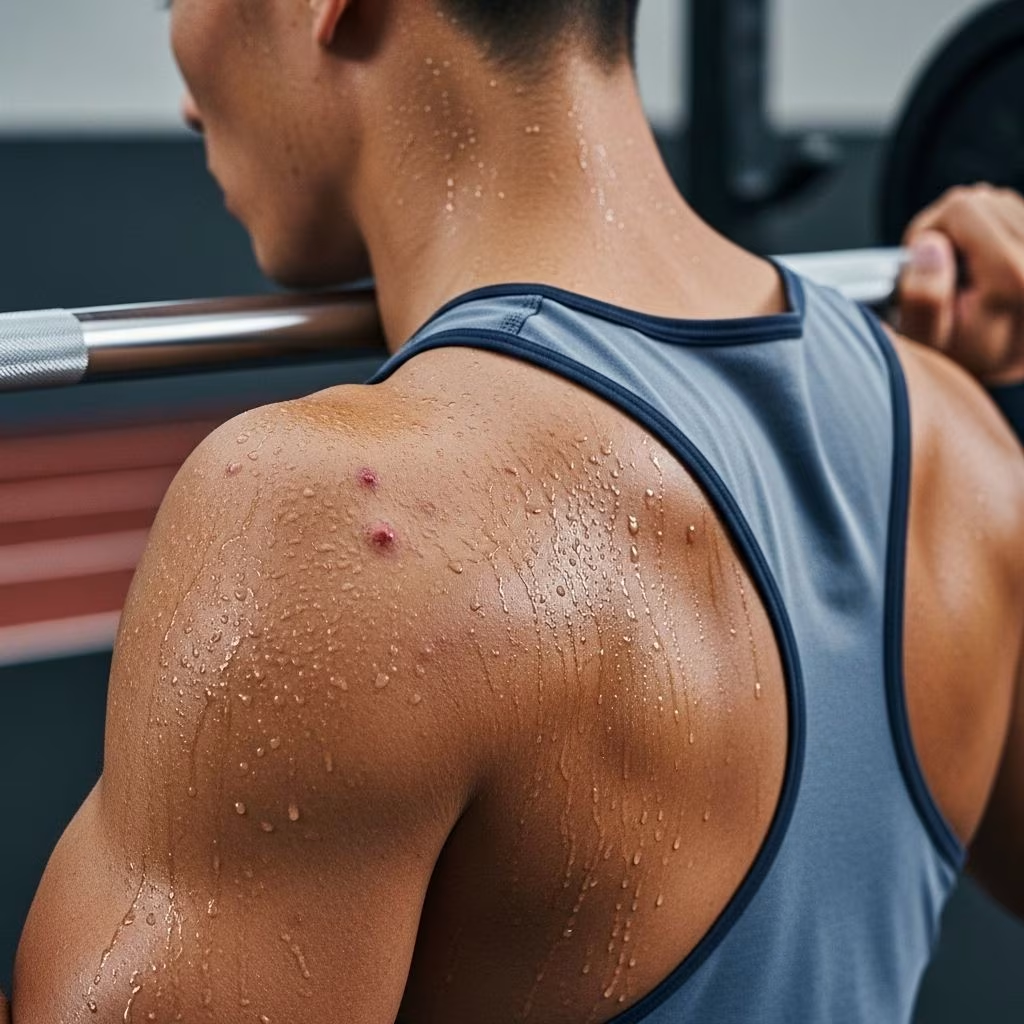
Acne mechanica—frequently termed sweat-related acne—is a common concern among athletes, fitness enthusiasts, and individuals engaging in rigorous physical activity. This in-depth guide explores the connection between sports supplements and acne mechanica, identifies which supplements can aggravate or help manage breakouts, and offers practical strategies for optimizing both skin health and athletic performance.
What Is Acne Mechanica?
Acne mechanica is a form of acne that arises from skin irritation due to repetitive friction, heat, pressure, or occlusion—often exacerbated by athletic gear, helmets, tight clothing, and copious sweating during exercise. Its distinctive features include inflammatory papules, pustules, or comedones localized to areas exposed to friction, such as the shoulders, back, jawline, or hairline .
Common triggers in athletes include:
- Tight sports apparel, straps, or padding rubbing against the skin
- Excessive sweating trapped under equipment
- Prolonged moisture and heat
- Suboptimal skin hygiene after workouts
- Certain supplement-induced hormonal changes
How Do Supplements Impact Sweat-Related Acne?
Supplements are widely used by athletes for muscle gain, recovery, and performance—but some have been associated with an increased risk or severity of acne via various mechanisms, including:
- Hormonal activation increasing oil (sebum) production
- Direct aggravation of skin inflammation or follicle blockage
- Dietary and metabolic changes resulting from new supplementation habits
The relationship between oral supplements and acne mechanica is not always direct; more often, supplements can trigger internal changes that render the skin more susceptible to the friction and sweat-induced irritation characteristic of mechanica outbreaks .
Problematic Supplements for Athletes with Acne Mechanica
Multiple sports supplements have either anecdotal or scientific evidence linking them to acne development or aggravation. Athletes prone to sweat-related acne should be especially cautious with the following:
Whey Protein
- Whey protein is a common supplement implicated in acne among athletes, particularly bodybuilders. Clinical reports and small-study evidence indicate an association between whey supplementation and new or worsening breakouts, especially on the back and shoulders .
- The proposed mechanism involves hormones present in dairy-derived whey and the stimulation of insulin-like growth factor-1 (IGF-1), both of which can increase sebum production and skin cell proliferation, promoting clogged pores and inflammation.
- Switching from whey to plant-based proteins (like pea or hemp) can often reduce acne flares for susceptible individuals .
Creatine
- While creatine monohydrate is not directly linked to acne by strong scientific evidence, anecdotal reports suggest a possible indirect role due to its potential influence on hormones such as dihydrotestosterone (DHT) and IGF-1 .
- Creatine-driven athletic routines often entail high-intensity exercise and increased sweating, which can encourage acne mechanica independent of the supplement itself .
If you experience increased breakouts while using creatine, consider adjusting your skin care regimen and consulting a healthcare professional.
B12 and Other High-Dose Multivitamins
- Excessive intake of Vitamin B12 has been shown to provoke or worsen acne in some individuals due to its effects on skin microbiome and hormonal balance .
- Athletes taking large multivitamin doses should be aware of this risk, especially when combined with heavy sweating and friction.
Testosterone-Boosting Supplements/Anabolic Steroids
- Supplements or drugs that artificially elevate testosterone or related hormones are highly prone to induce or aggravate acne by directly increasing sebum production .
Branched-Chain Amino Acids (BCAAs)
- There is limited evidence directly linking BCAAs to acne; however, like other protein supplements, they may indirectly influence skin through metabolic or hormonal pathways .
Summary Table: Supplement Acne Risk for Athlete Use
| Supplement | Potential Risk for Acne Mechanica | Main Acne-Related Mechanism |
|---|---|---|
| Whey Protein | High | IGF-1 stimulation, dairy hormones |
| Creatine | Low–Moderate (Indirect) | Possible DHT/IGF-1 influence, sweat hygiene issues |
| Vitamin B12 (high-dose) | Moderate | Skin flora disruption, hormone effects |
| Anabolic steroids/test boosters | Very High | Testosterone elevation |
| BCAAs | Low–Unclear | Possible hormonal/metabolic influence |
| Plant protein (pea, hemp) | Very Low | Limited hormonal impact |
Safe and Supportive Supplements for Athlete Skin Health
Athletes looking to maintain clear skin without compromising their training should consider the following supplementation approaches, which are generally regarded as safer for those prone to acne mechanica:
- Plant-Based Protein Powders (pea, brown rice, hemp): Minimal hormonal activity and a lower potential to trigger acne compared to whey .
- Omega-3 Fatty Acids (Fish Oil, Algal Oil): Anti-inflammatory properties may help counteract skin inflammation and support overall barrier function.
- Zinc: Some evidence supports zinc supplementation for reducing acne severity, and it also contributes to immune regulation and recovery.
- Vitamin D: Deficiency in vitamin D has been linked to inflammatory skin conditions, and adequate (not excessive) supplementation supports immune balance and skin health.
- Probiotics: May assist in restoring microbial balance on the skin and throughout the gut, indirectly supporting healthier skin.
- DIM (Diindolylmethane): Used by some practitioners to improve the metabolism of estrogen and androgenic hormones, which can help stabilize hormone-driven breakouts . Consult a healthcare provider before use.
Other Key Tips for Selecting Supplements
- Consult with a registered dietitian or dermatologist before introducing new supplements if you are prone to acne.
- Opt for brands with third-party testing to minimize exposure to undeclared hormones or contaminants.
- Avoid megadoses of vitamins or minerals unless medically advised.
Dietary and Hygiene Strategies to Prevent Acne Mechanica
Even the most acne-friendly supplement plan may not completely prevent sweat-related breakouts unless paired with good skin hygiene and dietary practices:
Performance and Skin-Safe Nutrition
- Balance protein intake: Stick to recommended daily dosages rather than excessive supplementation; favor plant sources when possible .
- Prioritize low-glycemic carbohydrates: High-glycemic diets raise insulin and IGF-1, both linked to acne worsenment.
- Include colorful fruits and vegetables for antioxidants and anti-inflammatory effects.
- Stay well-hydrated to support skin barrier function and faster removal of sweat and toxins .
Hygiene for Active Individuals
- Shower promptly after exercise to remove sweat, bacteria, and friction-created debris .
- Use non-comedogenic or medicated body washes containing ingredients like benzoyl peroxide, salicylic acid, or tea tree oil on breakout-prone areas .
- Wear loose, breathable clothing to reduce friction and heat buildup on the skin.
- Change out of sweaty gear as soon as practical and clean athletic gear regularly.
- Avoid using heavy occlusive moisturizers on areas prone to breakouts during workouts.
Additional Skin Management Techniques
- Spot-treat active lesions with acne-fighting treatments.
- If persistent, seek prescription solutions from a dermatologist familiar with active lifestyles.
Frequently Asked Questions (FAQs)
Q: Can sports supplements alone cause acne mechanica?
A: Most cases of acne mechanica are due to the combination of physical factors (friction, sweat, heat) and personal predisposition. However, certain supplements, particularly those that alter hormones or contain dairy (like whey protein or hormone boosters), may increase susceptibility by raising baseline skin oiliness or inflammation .
Q: Should I avoid all protein supplements if I have sweat-related acne?
A: Not necessarily. Plant-based protein powders (such as pea or hemp) are less likely to affect skin health since they do not stimulate acne-related hormones the way whey protein does. Experiment with alternatives and monitor your skin’s response .
Q: Is there a specific dosage of B12 that causes acne?
A: Acne has most often been seen with high-dose B12 supplementation, far above the standard dietary requirement. Ordinary multivitamin or food-based B12 levels are typically safe for most people .
Q: Are there supplements that actively help reduce my risk of acne?
A: Evidence suggests omega-3 fatty acids, zinc, and adequate vitamin D are beneficial for skin, and probiotics help maintain healthy microbial balance. These are generally regarded as low-risk for triggering acne mechanica, assuming normal dosing .
Q: What steps can I take if supplements seem to aggravate my acne?
A: Adjust by switching to lower-risk options (e.g., from whey to pea protein), optimizing skin hygiene post-workout, staying hydrated, limiting high-glycemic foods, and consulting your healthcare provider or a sports dietitian for tailored advice .
Key Takeaways for Athletes
- Acne mechanica is primarily caused by repetitive physical irritation plus sweat, but certain supplements—especially whey protein and testosterone boosters—can worsen risk in predisposed athletes.
- Switching to plant-based proteins, incorporating skin-supportive nutrients, and practicing rigorous post-workout hygiene are effective preventive measures.
- Consult healthcare professionals before starting or stopping any supplement, especially if managing persistent or severe acne.
References
- https://www.mdacne.com/article/clear-skin-tips-for-whey-protein-users
- https://aventusclinic.com/does-creatine-cause-acne/
- https://www.chcfl.org/does-creatine-cause-acne/
- https://pubmed.ncbi.nlm.nih.gov/23257731/
- https://athleatsnutrition.com/how-to-manage-athlete-acne-with-nutrition/
- https://pmc.ncbi.nlm.nih.gov/articles/PMC10969252/
- https://www.healthline.com/health/acne-mechanica
- https://clearstem.com/blogs/skin-care-learning-center/hormones-acne


