


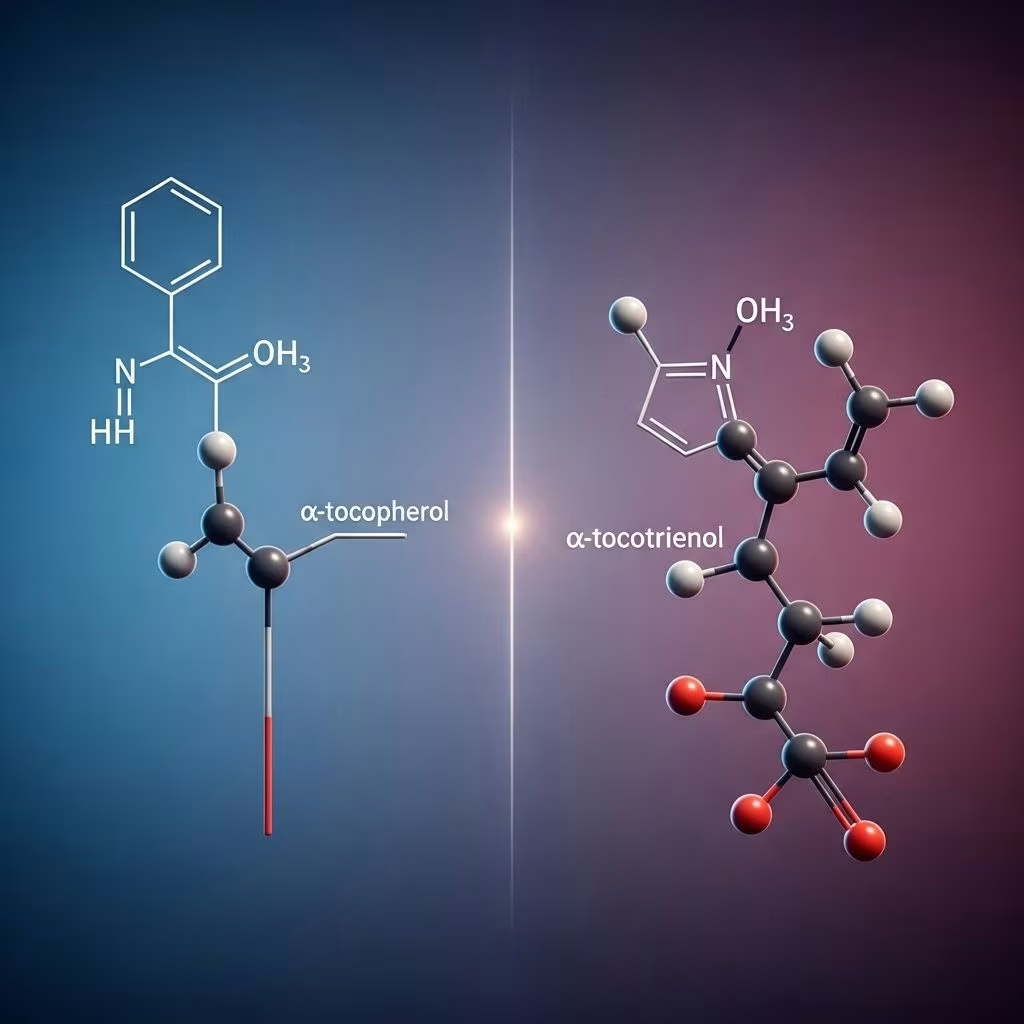
Vitamin E has long been celebrated as a cornerstone ingredient in skincare, revered for its powerful antioxidant properties and ability to protect skin from environmental damage. However, what many people don’t realize is that Vitamin E isn’t just one compound—it’s actually a family of eight distinct molecules, divided into two main groups: tocopherols and tocotrienols. Understanding the differences between these two forms can help you make informed decisions about which type of Vitamin E is best suited for your skin’s unique needs.
While tocopherols have dominated the skincare and supplement industries for decades, emerging research suggests that tocotrienols may offer superior benefits for skin health, particularly when it comes to fighting oxidative stress and preventing premature aging. This comprehensive guide explores the science behind both forms of Vitamin E, their distinct molecular structures, and how each contributes to maintaining healthy, youthful skin.
Understanding the Vitamin E Family
Vitamin E is an essential fat-soluble nutrient that functions primarily as an antioxidant in the body. It plays a crucial role in protecting cell membranes from oxidative damage caused by free radicals—unstable molecules that contribute to skin aging, inflammation, and various skin conditions. The Vitamin E family consists of eight naturally occurring compounds: four tocopherols and four tocotrienols, each designated as alpha, beta, gamma, or delta based on the arrangement of methyl groups on their molecular structure.
Both tocopherols and tocotrienols share fundamental similarities in their molecular architecture. They each possess a chromanol head with a phenolic hydroxyl group that’s responsible for their antioxidant activity, along with a lipophilic tail that allows them to embed into biological membranes. This unique structure enables Vitamin E molecules to position themselves within cell membranes, where they can intercept and neutralize free radicals before these harmful compounds damage cellular structures.
Tocopherols: The Traditional Form of Vitamin E
Tocopherols represent the most abundant and well-studied form of Vitamin E found in nature and the human diet. Alpha-tocopherol, in particular, has been the primary focus of Vitamin E research for decades and is the form most commonly used in dietary supplements and skincare products. This prevalence stems from the fact that alpha-tocopherol is the only form of Vitamin E that can correct vitamin E deficiency in humans, making it essential for proper bodily function.
The molecular structure of tocopherols features a completely saturated phytyl side chain—a 16-carbon tail without any double bonds. This saturated tail allows tocopherols to anchor deeply into cell membranes, where they remain relatively stationary. While this stability provides consistent antioxidant protection, it also limits their mobility within the membrane structure.
Common dietary sources of tocopherols include vegetable oils (particularly wheat germ, sunflower, and safflower oils), nuts, seeds, and leafy green vegetables. Most people obtain adequate amounts of tocopherols through their regular diet, though supplementation may be necessary for individuals with fat malabsorption disorders or specific health conditions.
Benefits of Tocopherols for Skin
Tocopherols offer numerous benefits for skin health. They help protect skin cells from UV-induced oxidative damage, support the skin’s natural barrier function, and contribute to moisture retention. Alpha-tocopherol, specifically, has been shown to reduce the appearance of fine lines and wrinkles while improving overall skin texture. Additionally, tocopherols possess anti-inflammatory properties that can help soothe irritated skin and reduce redness.
Tocotrienols: The Superior Antioxidant
Tocotrienols are a less common but increasingly recognized form of Vitamin E that differs from tocopherols in one critical aspect: their side chain structure. Instead of a saturated tail, tocotrienols possess an unsaturated farnesyl side chain containing three double bonds at specific positions. This seemingly small structural difference has profound implications for their biological activity and effectiveness as antioxidants.
The presence of these double bonds makes the tocotrienol molecule significantly shorter and more flexible than tocopherols. Research has demonstrated that tocotrienols can move through cell membranes 40 to 60 times faster than tocopherols, allowing them to cover more surface area and neutralize free radicals more efficiently. This enhanced mobility translates to superior antioxidant activity—tocotrienols are often referred to as “super Vitamin E” due to their dramatically increased potency.
Tocotrienols are relatively rare in nature, found primarily in specific plant sources including palm oil, rice bran oil, barley oil, oats, and rye. Because they occur in much smaller quantities than tocopherols and are more expensive to extract and process, tocotrienols have historically received less research attention. However, scientific interest in tocotrienols has surged since the 1990s as studies have revealed unique health benefits not observed with tocopherols.
Unique Advantages of Tocotrienols for Skin Health
Tocotrienols offer several distinct advantages for skin health that set them apart from tocopherols. Their superior antioxidant capacity means they can more effectively combat oxidative stress caused by environmental factors like UV radiation, pollution, and toxins. This enhanced protection is particularly valuable for preventing premature skin aging, as oxidative damage is a primary driver of wrinkles, loss of elasticity, and uneven skin tone.
The increased membrane mobility of tocotrienols also allows them to provide more comprehensive protection to tissues with saturated, fatty layers—including the skin. Their ability to rapidly distribute throughout cell membranes means they can respond more quickly to oxidative threats, offering dynamic protection that adapts to changing conditions.
Molecular Structure: Why It Matters for Skin
The structural differences between tocopherols and tocotrienols may seem technical, but they have direct implications for how these compounds function in skin tissue. Both molecules have a tadpole-like shape with a chromanol head containing the antioxidant-active phenolic hydroxyl group and a hydrophobic tail that embeds into cell membranes.
In tocopherols, the saturated 16-carbon side chain allows for deep anchoring into membrane structures. While this provides stable, localized protection, it also means that individual tocopherol molecules cover a relatively small area of the membrane. Think of tocopherols as stationary guards positioned at fixed points throughout the cell membrane.
Tocotrienols, with their unsaturated side chains containing three double bonds, behave quite differently. The double bonds create kinks in the molecular tail, preventing deep anchoring and allowing for much greater lateral movement within the membrane. This flexibility enables tocotrienols to patrol larger areas of the membrane, intercepting free radicals across a wider territory. This mobile, dynamic protection is particularly beneficial for skin cells, which face constant oxidative challenges from both internal metabolic processes and external environmental stressors.
Comparative Benefits for Skin Protection
| Feature | Tocopherols | Tocotrienols |
|---|---|---|
| Antioxidant Potency | Standard antioxidant activity | 40-60 times more potent antioxidant activity |
| Membrane Mobility | Stationary, deeply anchored | Highly mobile, covers more surface area |
| Side Chain Structure | Saturated (no double bonds) | Unsaturated (3 double bonds) |
| Dietary Availability | Abundant in common foods | Rare, found in limited sources |
| Cost | More affordable | More expensive |
| Research History | Extensively studied | Emerging research focus |
| Vitamin E Deficiency | Can correct deficiency | Cannot correct deficiency |
Free Radical Protection and Anti-Aging Benefits
Free radicals are highly reactive molecules that cause oxidative damage to skin cells, leading to visible signs of aging including wrinkles, fine lines, loss of firmness, and uneven pigmentation. These unstable molecules are generated through various processes including UV exposure, pollution, smoking, and normal metabolic activities. Both tocopherols and tocotrienols combat free radical damage by donating electrons to stabilize these reactive molecules, essentially sacrificing themselves to protect cellular structures.
However, tocotrienols’ superior antioxidant capacity means they can neutralize free radicals more efficiently and in greater numbers. This enhanced activity is particularly important for skin health because skin tissue is constantly exposed to environmental oxidative stressors. The ability of tocotrienols to move rapidly through cell membranes allows them to respond quickly to oxidative threats, providing dynamic protection that can adapt to changing conditions throughout the day.
Research has shown that both forms of Vitamin E can help prevent premature aging of skin cells, but tocotrienols may offer more comprehensive protection due to their increased mobility and potency. This translates to better preservation of collagen and elastin fibers, maintenance of skin barrier function, and reduced formation of age spots and other pigmentation irregularities.
Inflammation and Skin Health
Chronic inflammation is increasingly recognized as a major contributor to skin aging and various dermatological conditions. Both tocopherols and tocotrienols possess anti-inflammatory properties that can benefit skin health, but they may work through slightly different mechanisms.
Tocotrienols have been shown to target specific inflammatory factors that are particularly relevant to skin health. By reducing inflammation at the cellular level, tocotrienols can help minimize redness, irritation, and sensitivity while supporting the skin’s natural healing processes. This anti-inflammatory activity complements their antioxidant effects, providing multi-faceted protection against the factors that accelerate skin aging.
The anti-inflammatory benefits of Vitamin E are particularly valuable for individuals with sensitive or reactive skin, as well as those dealing with inflammatory skin conditions. By calming inflammation and reducing oxidative stress simultaneously, Vitamin E—especially in the form of tocotrienols—can help restore balance to compromised skin.
Sources and Supplementation Considerations
For those looking to increase their intake of Vitamin E for skin health benefits, understanding dietary sources is essential. Tocopherols are widely available in the typical Western diet through vegetable oils, nuts, seeds, and fortified foods. Most people consume adequate amounts of alpha-tocopherol through regular dietary intake, making deficiency relatively rare in developed countries.
Tocotrienols, on the other hand, are much less abundant in common foods. The richest natural sources include rice bran oil, palm oil (particularly crude palm oil where tocotrienols comprise about 80% of the Vitamin E content), barley, oats, and rye. However, these sources are not as commonly consumed in large quantities, which is why supplementation may be necessary for those seeking the specific benefits of tocotrienols.
When choosing a Vitamin E supplement for skin health, experts increasingly recommend selecting products that contain both tocopherols and tocotrienols. This combination approach ensures that you receive the essential alpha-tocopherol needed for basic physiological functions while also obtaining the enhanced antioxidant benefits of tocotrienols. Full-spectrum Vitamin E supplements that include all eight isomers (four tocopherols and four tocotrienols) are considered optimal for comprehensive health benefits.
Topical Application vs. Oral Supplementation
Vitamin E can benefit skin health through both topical application and oral supplementation, though these delivery methods work differently. Topical Vitamin E products deliver antioxidants directly to the skin’s surface and upper layers, providing localized protection against environmental damage. When applied to skin, Vitamin E can help strengthen the skin barrier, improve moisture retention, and provide immediate antioxidant defense.
Oral supplementation, conversely, delivers Vitamin E systemically throughout the body, including to deeper layers of skin tissue that topical products cannot reach. This internal approach supports skin health from within, contributing to overall cellular function and providing antioxidant protection at the systemic level. For optimal results, many dermatologists recommend combining both approaches—using topical Vitamin E products for direct surface protection while taking oral supplements to support skin health from the inside out.
When selecting topical skincare products containing Vitamin E, look for formulations that include tocotrienols in addition to tocopherols for maximum antioxidant benefits. The enhanced stability and potency of tocotrienols make them particularly valuable ingredients in anti-aging and protective skincare formulations.
Safety and Side Effects
Both tocopherols and tocotrienols are generally considered safe for most people when used appropriately. Vitamin E is a fat-soluble vitamin, which means it’s stored in body tissues rather than being excreted like water-soluble vitamins. While this allows for efficient utilization, it also means that excessive supplementation can potentially lead to accumulation.
However, adverse effects from Vitamin E supplementation are relatively rare and typically only occur at very high doses taken over extended periods. For topical use, Vitamin E is well-tolerated by most skin types, though individuals with very sensitive skin should introduce new Vitamin E products gradually to ensure compatibility.
It’s worth noting that tocotrienols may actually be safer than high-dose alpha-tocopherol supplementation in certain contexts. Some research suggests that excessive alpha-tocopherol intake can interfere with the absorption and activity of other forms of Vitamin E, including tocotrienols. This is another reason why balanced, full-spectrum Vitamin E supplementation is often recommended over high-dose alpha-tocopherol alone.
The Verdict: Which Is Best for Skin?
When comparing tocopherols and tocotrienols for skin health benefits, the emerging scientific evidence suggests that tocotrienols offer superior antioxidant protection due to their enhanced mobility, increased potency, and unique molecular properties. The 40-60 times greater antioxidant activity of tocotrienols compared to tocopherols represents a significant advantage for combating oxidative stress and preventing premature skin aging.
However, this doesn’t mean that tocopherols should be dismissed or avoided. Alpha-tocopherol remains essential for correcting Vitamin E deficiency and supporting basic physiological functions. The ideal approach for optimal skin health appears to be consuming or applying both forms of Vitamin E, taking advantage of their complementary properties and benefits.
For individuals particularly concerned about anti-aging, environmental protection, and maintaining youthful skin appearance, prioritizing tocotrienol-rich sources and supplements may provide additional benefits beyond what tocopherols alone can offer. Look for skincare products and supplements that specifically highlight their tocotrienol content, and consider incorporating tocotrienol-rich foods like rice bran oil into your diet.
Practical Recommendations for Skin Health
To maximize the skin health benefits of Vitamin E, consider implementing the following strategies. First, aim to consume a varied diet that includes both tocopherol and tocotrienol sources. While tocopherols are abundant in nuts, seeds, and common vegetable oils, make an effort to incorporate tocotrienol-rich foods like barley, oats, and rice bran oil when possible.
Second, if you choose to supplement with Vitamin E, select a full-spectrum product containing both tocopherols and tocotrienols rather than alpha-tocopherol alone. This ensures you receive the broadest range of benefits while avoiding potential imbalances from excessive single-isomer supplementation.
Third, incorporate topical skincare products containing Vitamin E into your daily routine, particularly those formulated with tocotrienols. Look for serums, moisturizers, and sunscreens that feature Vitamin E prominently in their ingredient lists, and apply them consistently as part of your morning and evening skincare regimens.
Finally, remember that Vitamin E works synergistically with other antioxidants, particularly Vitamin C. Using products or taking supplements that combine multiple antioxidants can enhance their overall effectiveness, providing more comprehensive protection against oxidative damage and supporting optimal skin health.
Frequently Asked Questions
Q: Can I use both tocopherols and tocotrienols together for my skin?
A: Yes, absolutely. Using both forms together is actually recommended for optimal skin health benefits. They work complementarily, with tocopherols providing essential Vitamin E functions and stable protection, while tocotrienols offer enhanced antioxidant activity and superior free radical defense. Full-spectrum Vitamin E products containing all eight isomers are considered ideal for comprehensive skin protection.
Q: How long does it take to see results from using Vitamin E for skin?
A: The timeframe for visible results varies depending on whether you’re using topical products or oral supplements. Topical Vitamin E can provide immediate benefits like improved moisture retention and barrier function, though anti-aging effects typically become noticeable after 4-8 weeks of consistent use. Oral supplementation generally requires 8-12 weeks of regular intake before significant improvements in skin quality become apparent.
Q: Are tocotrienols better than tocopherols for all skin types?
A: Tocotrienols offer superior antioxidant activity that benefits all skin types, particularly for anti-aging and environmental protection. However, both forms are valuable for skin health. Sensitive skin may respond well to the anti-inflammatory properties of both forms, while mature skin seeking intensive anti-aging benefits may particularly benefit from tocotrienol-rich formulations.
Q: Why are tocotrienols less common in skincare products than tocopherols?
A: Tocotrienols are rarer in nature, more expensive to extract and process, and have been studied less extensively than tocopherols. Additionally, there are no synthetic versions of tocotrienols available, unlike tocopherols which can be manufactured synthetically. These factors have historically limited their use in commercial skincare products, though this is changing as awareness of their superior benefits grows.
Q: Can I get enough tocotrienols from diet alone?
A: Most people do not obtain significant amounts of tocotrienols from a typical Western diet, as they’re found primarily in specific sources like rice bran oil, palm oil, barley, and oats. If you want to increase your tocotrienol intake substantially for skin health benefits, supplementation or deliberate dietary changes to include these specific foods regularly may be necessary.
Q: Are there any interactions between Vitamin E supplements and medications?
A: Vitamin E can interact with certain medications, particularly blood thinners and anticoagulants, as it has mild anticoagulant properties itself. If you’re taking any medications, especially those that affect blood clotting, consult with your healthcare provider before starting Vitamin E supplementation. This applies to both tocopherols and tocotrienols.
Q: Should I apply Vitamin E directly to my skin or take it as a supplement?
A: Both approaches offer benefits and can be used together for comprehensive skin protection. Topical application provides direct antioxidant defense to the skin’s surface and upper layers, while oral supplementation supports skin health systemically from within. For optimal results, consider combining both methods—use topical Vitamin E products daily while taking a full-spectrum Vitamin E supplement that includes both tocopherols and tocotrienols.
References
- https://www.medicalnewstoday.com/articles/319689
- https://acgrace.com/about-vitamin-e/vitamin-e-tocopherols-vs-tocotrienols-whats-the-difference/
- https://www.aocs.org/resource/the-other-vitamin-e/
- https://phytochem-products.co.jp/post_en/about-vitamin-e-tocopherol-and-tocotrienol/
- https://pmc.ncbi.nlm.nih.gov/articles/PMC6257355/
- https://pmc.ncbi.nlm.nih.gov/articles/PMC8227182/
- https://chriskresser.com/tocotrienols-a-more-potent-and-safe-form-of-vitamin-e/


