


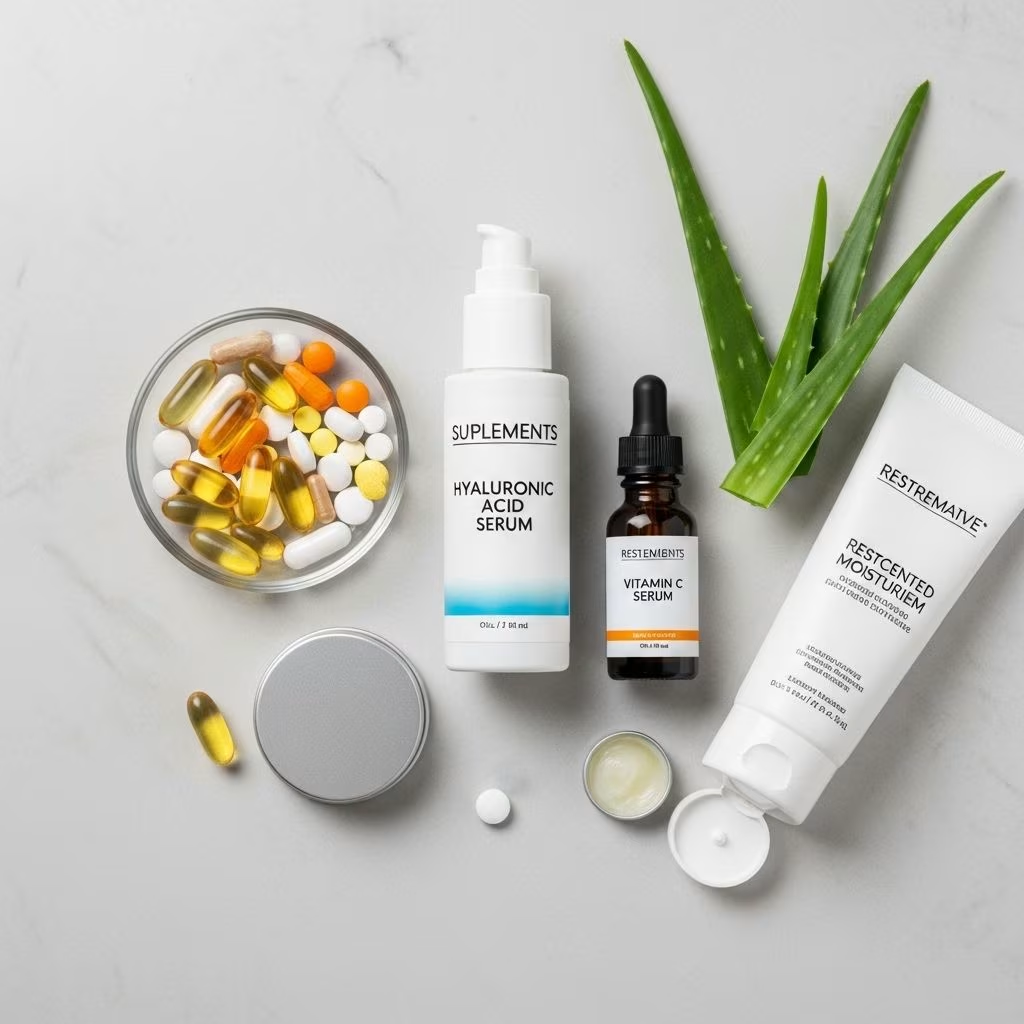
Undergoing an ablative laser procedure is a significant step toward rejuvenated skin, but the journey doesn’t end in the clinic. Optimal recovery and exceptional results rely heavily on post-procedure care, including the strategic use of targeted supplements and topicals. This comprehensive guide distills the latest research and practical recommendations for a scientifically formulated Supplements Post-Ablative Laser Healing Protocol, designed to accelerate healing, minimize downtime, and enhance your aesthetic results.
About Ablative Laser Treatments
Ablative lasers—such as fractional CO2 and erbium:YAG lasers—are powerful tools for resurfacing skin, treating scarring, wrinkles, and sun damage. They create controlled wounds that remove the outermost skin layers, triggering the body’s natural healing process and stimulating new collagen formation. This depth and efficacy come with a need for a meticulous healing protocol to support tissue repair, prevent complications, and optimize outcomes.
Physiology of Healing After Ablative Laser
During the days and weeks following ablative laser treatment, the skin undergoes three primary healing phases:
- Inflammation: Immediate response involving blood vessel dilation and immune cell recruitment.
- Proliferation: Fibroblasts produce collagen and extracellular matrix; new blood vessels form.
- Remodeling: Collagen reorganizes and strengthens, returning skin to a more youthful, even appearance.
Optimal healing depends on an uninterrupted, well-supported transition through each phase, underscoring the importance of both internal and topical supplementation.
Overview: Why Supplements Matter Post-Laser
Laser-induced wounds generate increased oxidative stress and demand higher levels of nutrients necessary for cell regeneration. Strategic supplementation:
- Reduces inflammation, erythema (redness), and edema (swelling)
- Accelerates wound closure and reduces downtime
- Supports collagen synthesis and scar prevention
- Boosts antioxidant defenses and protects against free radical damage
Both oral and topical supplements contribute distinct yet complementary benefits during healing.
Top Oral Supplements for Post-Laser Healing
Oral supplementation fills any micronutrient gaps, optimizes immune responses, and provides systemic support. The following have demonstrated supportive roles post-laser:
L-Lysine
L-Lysine is an essential amino acid crucial for collagen production, tissue repair, and immune function. Doses up to 3,500 mg/day can promote faster wound closure and strengthen new skin.
Vitamin C (Ascorbic Acid)
This antioxidant vitamin is a cofactor for collagen synthesis, reduces oxidative stress, and enhances skin barrier recovery. Vitamin C supplementation (both oral and topical) is linked to faster reduction in erythema and better-quality healing.
Niacinamide (Vitamin B3)
Niacinamide supports epidermal barrier repair, reduces inflammation, and helps prevent post-inflammatory hyperpigmentation—common concerns after ablative procedures. This makes it particularly valuable for individuals prone to pigment changes.
Others: Beta-Glucans, Gotu Kola, and B Vitamins
- Beta-glucans: Polysaccharides with immunomodulatory and wound-healing properties.
- Gotu Kola (Centella asiatica): Enhances fibroblast activity and collagen production.
- Pantothenic Acid (Vitamin B5): Accelerates epithelialization and tissue repair.
Leading Topical Agents and Cosmeceuticals
When applied immediately post-laser, certain topical agents can markedly speed up healing and minimize complications. Recent clinical trials have highlighted several standout options:
Vitamin C, E, and Ferulic Acid Combinations (VCEF)
Topical application of a synergistic combination of Vitamin C (L-ascorbic acid), Vitamin E, and Ferulic acid immediately post-treatment significantly reduces erythema and edema, promotes early wound closure, and increases basic fibroblast growth factor (bFGF) expression—a key driver of tissue repair. Notably:
- Patients receiving VCEF on one side of their face had decreased redness and swelling within 3-7 days versus the untreated side
- There was no increased irritation or contact dermatitis with use
Table: Key Effects of VCEF Serum Applied Post-Laser
| Benefit | Evidence |
|---|---|
| Reduced edema | Significant by day 7 post-procedure |
| Faster erythema clearance | By days 3 and 5 post-procedure |
| Elevated bFGF (collagen synthesis) | Higher on VCEF-treated sites |
| No increase in irritation/dermatitis | Study and clinical experience |
Growth Factors & Peptide Serums
Products containing high concentrations of human or plant-derived growth factors and peptides—such as Tensage Intensive Serum 40 or Tripeptide/Hexapeptide complexes—can:
- Shorten wound-healing and recovery periods post-laser
- Increase collagen and elastin synthesis
- Improve skin texture and reduce redness
Regular application supports the formation of healthy new tissue and optimizes cosmetic results.
Hyaluronic Acid
This naturally occurring molecule intensely hydrates and soothes post-laser skin, enhances cell migration, and reduces risk of excessive dryness and scabbing.
Beta-Glucans Gel
Topical beta-glucans (1-3, 1-6) accelerate wound closure, promote dermal collagen synthesis, and aid barrier repair without irritation. Incorporating this gel daily may help reduce recovery time and enhance the final cosmetic effect.
Other Topicals to Consider
- Epidermal Growth Factor (rhEGF): Supports keratinocyte migration and wound closure.
- Niacinamide Cream: Increases moisture barrier integrity and brightens skin tone.
- Gotu Kola Extracts: Support fibroblast activity and angiogenesis.
Nutritional Support and Diet Tips
Recovery is a whole-body process. In addition to supplements, a nutrient-rich diet helps fuel healing:
- Load up on protein: Skin repair demands higher protein intake.
- Add seaweed: Provides unique polysaccharides and micronutrients beneficial for skin hydration and repair.
- Eat a variety of fruits and vegetables: They are high in antioxidants, flavonoids, and vitamins A, C, and E.
- Stay hydrated: Ample water intake supports cellular functions and toxin removal.
Note: Some herbal or “naturopathic” supplements may interfere with healing or prescribed medications; always disclose all products to your provider.
Step-by-Step Post-Laser Supplement Protocol
While every protocol should be tailored to the individual and supervised by a dermatologist, the following is a general evidence-based regimen:
Immediately Post-Procedure (Day 0–2)
- Apply VCEF serum (Vitamin C, E, Ferulic acid) within minutes post-treatment and repeat once daily.
- Begin oral L-Lysine (up to 3,500 mg/day) if clearance from medical provider.
- Use growth factor serum or peptide-enriched moisturizer as tolerated.
- Soothe with hyaluronic acid gel and/or beta-glucan gel twice daily to maintain moisture and reduce irritation.
Early Healing (Day 3–7)
- Continue VCEF serum and peptide/growth factor products.
- Begin/continue oral niacinamide (Vitamin B3) and Vitamin C.
- Apply topical beta-glucan gel as needed for redness or discomfort.
- Eat a high-protein, antioxidant-rich diet; consider seaweed and leafy greens.
Ongoing Recovery (Week 2+)
- Shift to a hydration-focused skincare routine with gentle, barrier-restoring creams.
- Continue oral and topical supplementation as needed until full healing.
- Introduce niacinamide and lightening agents (if needed) to address post-inflammatory hyperpigmentation.
- Protect new skin with broad-spectrum sunscreen (SPF 30+), applied daily.
Frequently Asked Questions (FAQs)
Which supplements most effectively speed healing after ablative laser?
Clinical trials show a combination of Vitamin C, E, and Ferulic acid (topical VCEF serum) accelerates wound closure and reduces redness, supported by L-Lysine, niacinamide, and beta-glucans.
Can I use vitamin C serum right after an ablative laser?
Yes, studies support immediate post-laser application. However, pure vitamin C serums can sting on open wounds due to acidity, so use professionally formulated VCEF blends to minimize discomfort and maximize absorption.
What foods help my skin heal faster after laser treatment?
Focus on lean proteins, antioxidant-rich fruits and vegetables, omega-3 sources (like fatty fish or flaxseed), and hydrating foods (e.g., cucumber, berries, seaweed).
Is it safe to take herbal/natural supplements after laser?
Some supplements interact with medications or might impair wound healing. Always discuss all intended supplements with your dermatologist before starting.
How can I prevent pigment changes post-laser?
Niacinamide (oral and topical) reduces the risk of post-inflammatory hyperpigmentation. Sun avoidance and diligent SPF are also essential.
Safety Considerations & Professional Advice
Medical supervision is vital when choosing supplements and topicals post-laser, especially for those with allergies, autoimmune concerns, or on medications. Some key tips:
- Use only dermatologist-recommended, medically validated products.
- Discontinue any supplement/agent that causes irritation, pain, or allergic signs.
- If wound healing is abnormally delayed, consult your physician promptly.
- Never use untested home remedies or internet-based fads post-laser.
For pain, standard oral medications such as acetaminophen or NSAIDs may be used (unless otherwise directed).
Conclusion
In summary, a deliberate, evidence-based supplements protocol incorporating both internal and topical measures can dramatically improve comfort, accelerate healing, and enhance results after ablative laser procedures. Consult with your skincare professional to customize this regimen based on your skin type, procedure depth, and unique recovery needs.
References
- https://pubmed.ncbi.nlm.nih.gov/26612341/
- https://pmc.ncbi.nlm.nih.gov/articles/PMC8570656/
- https://lipglossandaftershave.com/skin-healing-supplements/
- https://biopelle.com/latest-blog-posts/benefits-laser-skin-care/
- https://www.webmd.com/vitamins/condition-2584/laser-skin-resurfacing
- https://www.laserskinsolutions.com/blog/change-your-diet-to-help-look-after-your-skin-following-laser-treatments/
- https://www.grangermedical.com/wp-content/uploads/2018/08/76401-Granger-Dr-Rodrigues-Laser-Resurfacing.pdf
- https://www.mskcc.org/cancer-care/patient-education/skin-care-after-fractionated-carbon-dioxide-laser-treatment
- https://store.westaveplasticsurgery.com/skinceuticalsr-ablative-laser-therapy-regimen.html


