


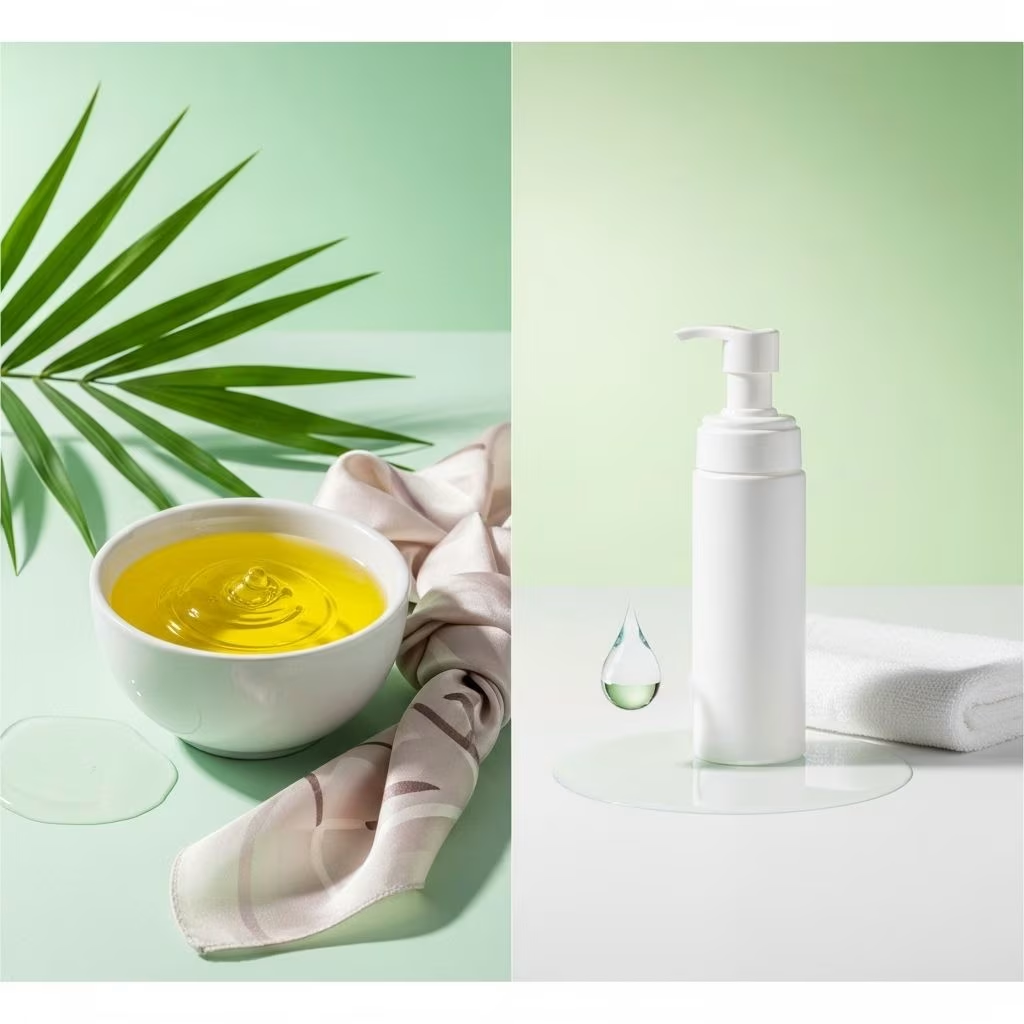
Double Cleansing vs Single Cleanse for Humid Skin
Skincare routines should adapt to climate—and in humid environments, the choice between double cleansing and single cleanse can shape the health and comfort of your complexion. Humidity brings increased sweat, sebum, and environmental impurities, challenging the efficacy of traditional cleansing. This comprehensive guide explores both cleansing methods, their pros and cons, and how humidity influences what your skin truly needs.
Understanding Humid Skin Environments
Humidity refers to high moisture content in the air, often associated with hot climates or rainy seasons. Living in humid regions means your skin:
- Produces more sweat and sebum, leading to a greater risk of clogged pores.
- Attracts more airborne impurities, pollutants, and bacteria.
- May feel greasy, sticky, or experience frequent breakouts.
As a result, cleansing routines must work harder to effectively remove excess oil, sunscreen, makeup, and daily debris without irritating the skin.
What is Double Cleansing?
Double cleansing is a two-step facial cleansing process that originated in Korean and Japanese beauty traditions. It is designed to thoroughly remove both oil-based and water-based impurities in sequence, leaving skin exceptionally clean without stripping its natural protective barrier.
- Step 1: Use an oil-based cleanser (cleansing balm, oil, micellar water) to dissolve makeup, sunscreen, excess sebum, and other oil-based substances.
- Step 2: Follow with a water-based cleanser (gel, foam, cream) to remove sweat, dirt, and residual impurities left behind by the first cleanse.
This process removes more stubborn, pore-clogging debris than single-step cleansing and prepares the skin for better absorption of serums and moisturizers.
Single Cleanse Method
The single cleanse method uses just one cleanser—either oil-based or water-based—to clean the skin in one step. It is most effective for minimal product wearers, and in low-impurity environments where sweat and grime aren’t excessive.
- Best suited for mornings or low-activity days.
- May not effectively remove layers of sunscreen, makeup, or persistent sebum, especially in humid climates.
Why Humidity Matters in Skincare
In humid climates, increased moisture triggers more sweat and sebum production. This creates an ideal environment for pore congestion and bacterial growth, making thorough cleansing essential to prevent acne and breakouts.
- More environmental exposure: Humidity can trap pollutants and debris on skin.
- Frequent sunscreen and makeup use: Reapplication becomes more common, demanding robust cleansing at day’s end.
- Risk of residue: Single cleansing may leave behind product and dirt that can worsen skin clarity.
Double Cleansing Routine: Step-by-Step
- 1. Oil-Based Cleanser: Apply to dry skin and gently massage, focusing on areas with heavy makeup, sunscreen, or oil buildup. Spend 30 seconds to dissolve stubborn products.
- 2. Rinse with Lukewarm Water: Remove the oil-based cleanser (and dissolved impurities) with a splash of water or gentle cloth.
- 3. Water-Based Cleanser: Immediately follow with a water-based foaming or gel cleanser. Apply to damp skin, working into a lather, especially targeting perspiration-prone areas.
- 4. Final Rinse: Rinse thoroughly, ensuring no residue remains. Pat skin dry with a soft towel.
Tip: Avoid harsh scrubbing to prevent irritation and moisture loss. Choose cleansers suited to your skin type—hydrating formulas for dry skin, gentle foams for oily or acne-prone skin.
When Single Cleanse Makes Sense
Single cleansing may be enough in certain circumstances:
- Morning routines: When skin isn’t exposed to heavy makeup or sunscreen overnight.
- Minimal product days: Light or no makeup and little sunscreen.
- Sensitive skin: For those prone to irritation, a single gentle cleanse with the right formula may suffice.
If your skin feels clean and comfortable after a single wash and you aren’t dealing with heavy buildup, double cleansing might not be necessary every time.
Double Cleansing vs Single Cleanse: Comparison Table
| Feature | Double Cleansing | Single Cleanse |
|---|---|---|
| Impurity Removal | Thorough (removes makeup, sunscreen, oil, sweat, dirt) | Limited (may leave residues) |
| Best for | Humid climates, heavy product wear, oily/acne-prone skin | Mornings, sensitive skin, minimal product wear |
| Skin Barrier Protection | Maintains with gentle formulas; risk if overdone | Usually gentler, but less thorough for heavy impurities |
| Preparation for Skincare | Optimizes serum/cream absorption | May leave barriers, reducing efficacy |
| Risk of Over-Cleansing | Possible if harsh formulas are used | Lower, but may under-clean in humid settings |
Key Benefits of Double Cleansing for Humid Skin
- Removes layers of sunscreen, makeup, sweat, and pollution beyond what most single cleansers can achieve.
- Cleanses deep within pores, minimizing congestion and breakouts, which are common in humid climates.
- Maintains the skin’s natural protective barrier when gentle cleansers are used—prevents over-drying.
- Improves absorption of complementary treatments (such as serums and moisturizers) by eliminating barriers.
- Reduces residue that causes dullness, rough texture, and uneven tone.
Potential Drawbacks of Double Cleansing
- Risk of over-cleansing: Using harsh or drying formulas can compromise the skin’s moisture levels and barrier function.
- Time-consuming: Adds extra steps, which some may find inconvenient, especially for simple routines.
- Product overload: Increases the risk of irritation for sensitive skin types if cleansers are not carefully chosen.
- Unnecessary for low-exposure days: If you haven’t been exposed to heavy pollutants, makeup, or sunscreen, a double cleanse may be more than needed.
Tips for Choosing Cleansers in Humid Climates
- Look for gentle, hydrating formulas: Avoid sulfates and harsh surfactants that can strip skin.
- Pick oil cleansers suited to your skin type: Non-comedogenic for oily/acne-prone skin; nourishing for dry skin.
- Choose water-based cleansers that address specific concerns: Gel or foam for oil control; cream for soothing dryness.
- Don’t overuse exfoliating cleansers: In humid environments, physical and chemical exfoliants can irritate the barrier if used alongside double cleansing.
- Adjust frequency based on activity and exposure: Stick to double cleansing in the evening if you’ve worn heavy sunscreen/makeup or sweated significantly; single cleanse in the morning.
Frequently Asked Questions (FAQs)
Is double cleansing necessary for everyone in humid climates?
No, but it is highly recommended for those exposed to heavy sunscreen, makeup, or significant environmental pollutants. If your skin feels clean after a single gentle wash, double cleansing may not be necessary every time.
Can double cleansing irritate sensitive skin?
It can, if harsh cleansers or frequent scrubbing are used. Choose mild, non-irritating formulas designed for your skin type and avoid over-cleansing.
When should I double cleanse?
In humid environments, double cleanse at night after exposure to makeup, sunscreen, or pollution. For minimal days, a single cleanse may suffice.
Should I still moisturize after double cleansing?
Yes. After thorough cleansing, skin better absorbs hydrating serums and creams, so always follow with appropriate moisturizers and treatments.
Are there special products made for humid skin?
Many brands formulate cleansers for humid climates with lightweight textures, balancing hydration and oil control. Non-comedogenic, fragrance-free options are ideal.
Is micellar water sufficient for single cleanse in humidity?
Micellar water is effective for light makeup and environmental debris, but heavy sweat, sunscreen, and sebum may require an additional step in high humidity.
Conclusion
For those living in humid climates, skincare must address excess oil, sweat, and impurities—often exceeding the capacity of single-step cleansers. Double cleansing, when performed with gentle, tailored formulas, offers superior removal of buildup, optimizes skin health, and empowers subsequent skincare steps. However, listen to your skin’s cues: over-cleansing or choosing harsh products can compromise your skin barrier. Find the balance that leaves your skin clean, comfortable, and resilient, letting it thrive despite humidity’s challenges.
References
- https://sonage.com/blogs/blog/what-is-double-cleansing-and-why-your-skin-needs-it
- https://www.skinlaundry.com/blog/double-cleansing
- https://slmdskincare.com/blogs/learn/the-benefits-of-double-cleansing
- https://www.bioderma.us/en/expert-advice/skin-cleansing/Double-cleansing-ultimate-guide.html
- https://ubeauty.com/blogs/the-u-beauty-blog/benefits-of-double-cleansing
- https://nassifmdskincare.com/blogs/skincare-news/is-double-cleansing-beneficial
- https://www.cerave.com/skin-smarts/skincare-tips-advice/what-is-double-cleansing
- https://www.paulaschoice.com/expert-advice/skincare-advice/cleansers/is-double-cleansing-necessary.html


