


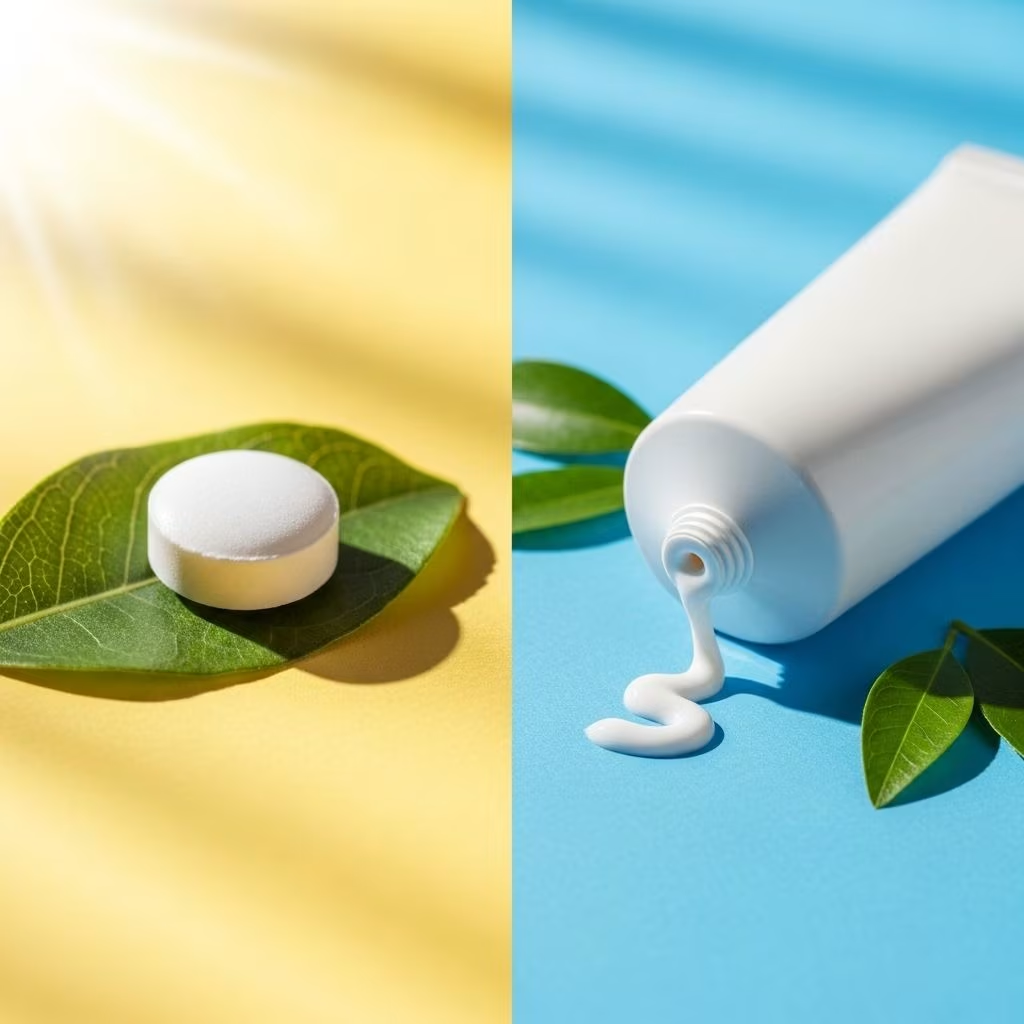
Introduction to Sunscreen and Sweat
Sunscreen is a crucial component of our daily skincare routine, especially during outdoor activities. However, those who engage in sports or live in hot climates often face the challenge of managing sweat while maintaining sun protection. Traditional sunscreens can be washed off by heavy perspiration, leading some to consider alternative forms of sun protection such as sunscreen pills. This article delves into the complexities of sunscreen pills compared to traditional sunscreens, especially in the context of sweating.
Understanding Sunscreen Pills
Sunscreen pills are dietary supplements that claim to provide a level of sun protection from within. They typically contain ingredients like nicotinamide (vitamin B3) or polypodium leucotomos fern extract. While these ingredients may offer some health benefits and minor protection against UV radiation, their effectiveness is limited compared to topical sunscreens. For instance, oral sunscreens provide an SPF equivalent to about 3–5, which is significantly less than the recommended SPF 30 for effective protection against UVB-induced DNA damage and UVA-driven photoaging.
Traditional Sunscreens vs. Sunscreen Pills for Sweating Individuals
Traditional sunscreens, especially those labeled as “sweat-resistant” or “water-resistant,” are designed to stay on the skin longer during physical activities. However, heavy perspiration can still cause these sunscreens to lose effectiveness, necessitating frequent reapplication. On the other hand, sunscreen pills do not block UV rays directly and are not a reliable substitute for topical sun protection.
Effectiveness of Sunscreen Pills
The effectiveness of sunscreen pills is often debated, with the FDA warning against relying solely on these supplements for sun protection. Dermatologists emphasize that sunscreen pills should not replace traditional sunscreens but could be used as an additional precautionary measure. Vitamin B3 supplementation has shown some benefits for individuals at high risk of non-melanoma skin cancer, but the evidence for other ingredients is still inconclusive.
Troubleshooting Common Issues with Traditional Sunscreens and Sweat
There are several common issues that arise when using traditional sunscreens during sweating. These include:
- Sunscreen Loss Due to Perspiration: Heavy perspiration can cause sunscreen to be washed off, reducing its effectiveness. This necessitates frequent reapplications, typically every 30 minutes for “sweat-resistant” sunscreens.
- Eye Irritation: When sweat mixes with sunscreen, it can lead to eye irritation. Using mineral-based sunscreens that are less likely to cause irritation is advisable.
- Choosing the Right Sunscreen: Opting for sports sunscreens that are designed to stay on the skin better can be beneficial. Additionally, incorporating physical sun protection methods like hats and protective clothing can enhance overall sun protection.
Managing Sweat While Maintaining Sun Protection
For individuals who sweat heavily, combining traditional sunscreens with other sun protection strategies can be effective:
- Use Water-Resistant Sunscreens: These are designed to stay on longer during water activities or heavy sweating. It is recommended to reapply every 80 minutes for sunscreens labeled “waterproof”.
- Apply Sunscreen Strategically: Applying sunscreen a few minutes before exposure and reapplying frequently can help maintain protection.
- Complement with Physical Barriers: Using hats, sunglasses, and protective clothing can provide additional protection against UV rays.
- Environmental Considerations: Avoiding peak sun hours (10 AM – 4 PM) and seeking shade can also reduce the need for frequent sunscreen application.
Frequently Asked Questions (FAQs)
Q: Do Sunscreen Pills Work as a Substitute for Topical Sunscreens?
A: No, sunscreen pills should not be used as a substitute for topical sunscreens. They provide minimal protection compared to the SPF of traditional sunscreens and should be considered supplementary rather than primary protection.
Q: How Often Should I Reapply Sunscreen When Sweating?
A: If you are using a “sweat-resistant” sunscreen, reapply every 30 minutes. For “water-resistant” sunscreens, reapply every 40 minutes.
Q: Can Sunscreen Cause Eye Irritation?
A: Yes, especially when mixed with sweat. Mineral-based sunscreens are generally less irritating than chemical ones.
Q: Are There Any Health Benefits to Sunscreen Pills?
A: Some ingredients in sunscreen pills, like vitamin B3, may provide health benefits, but these should not be relied upon as the sole means of sun protection.
Q: How Effective Are Sunscreen Pills for UV Protection?
A: Sunscreen pills provide very limited UV protection, equivalent to an SPF of about 3–5, which is much lower than the recommended SPF 30 for effective protection.
Conclusion
In conclusion, while sunscreen pills may offer some supplementary benefits, they are not a reliable substitute for traditional sunscreens, especially for individuals who sweat heavily. Combining topical sunscreens with physical barriers and environmental precautions provides the best protection against UV damage. Understanding the limitations of sunscreen pills and troubleshooting common issues with traditional sunscreens can help individuals manage sweat effectively while maintaining adequate sun protection.
References
- https://mycarpe.com/blogs/sweatopedia/will-sunscreen-prevent-sweating
- https://wtop.com/health-fitness/2016/07/supplements-may-thwart-the-sweaty-from-sunburn/
- https://indianexpress.com/article/health-wellness/sunscreen-oral-pills-effective-creams-skin-experts-explain-9966946/
- https://www.businessinsider.com/fda-statement-pills-capsules-supplements-replace-sunscreen-2018-5
- https://www.dermatologyboise.com/blog/sports-sweat-and-sunscreen
- https://e-surgery.com/do-sunblock-pills-really-work-myth-busting-sun-safety/
- https://www.utahfacialplastics.com/blog/sunscreen-pills-really-work/
- https://health.howstuffworks.com/skin-care/beauty/sun-care/sweat-proof-sunscreen.htm
- https://www.mayoclinichealthsystem.org/hometown-health/speaking-of-health/myth-or-fact-coconut-is-an-effective-sunscreen


