


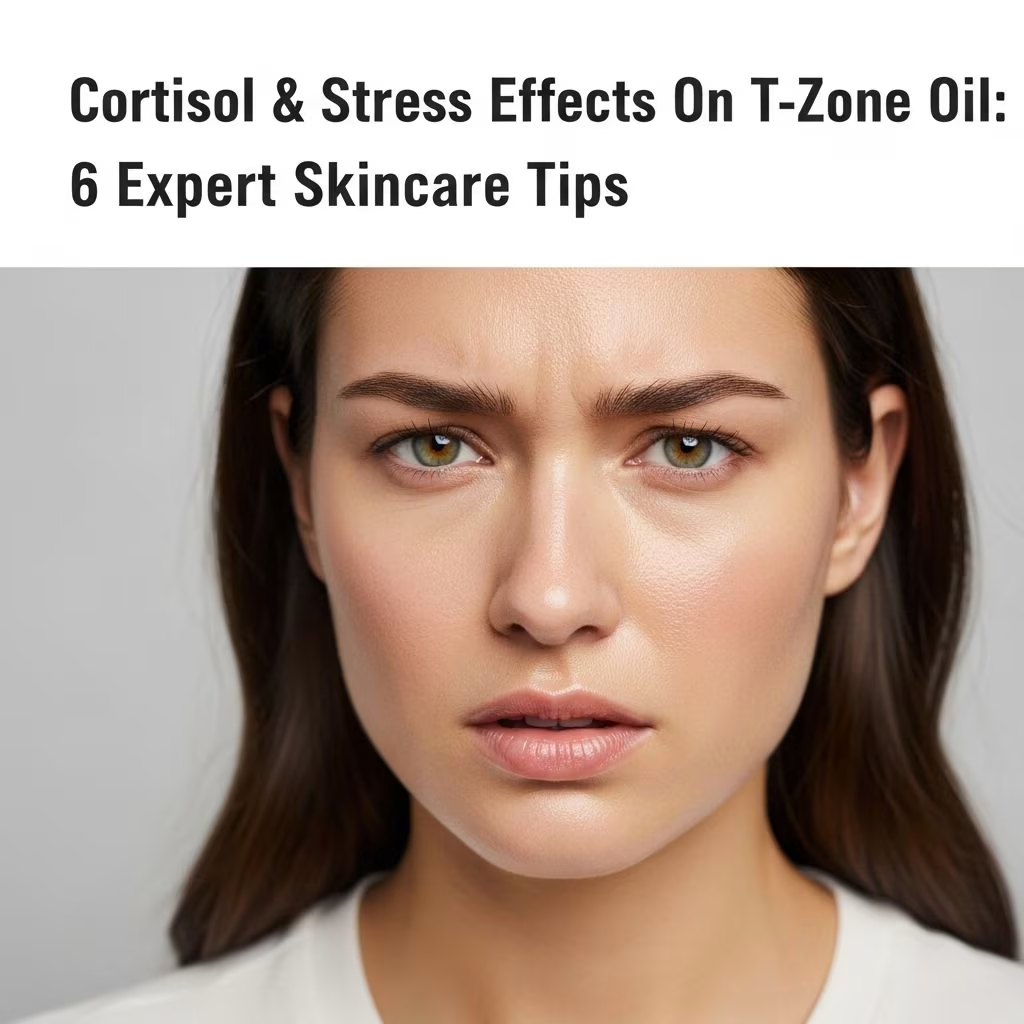
The relationship between cortisol, chronic stress, and T-zone oiliness is more than skin deep. This article delves into how stress and hormonal shifts drive sebum production in the critical forehead, nose, and chin region—known as the T-zone—exploring the biological mechanisms, common effects, and evidence-based strategies for achieving balanced, healthy skin.
Introduction: What is T-Zone Oil?
The T-zone refers to the central area of the face (forehead, nose, and chin) that typically contains a higher concentration of sebaceous (oil) glands. For many, this region appears shinier and is prone to blackheads, whiteheads, and breakouts due to increased oil (sebum) production. While genetics play a role, external and internal factors—particularly hormonal changes caused by stress—can exacerbate oiliness in the T-zone.
Cortisol: The Stress Hormone
Cortisol is a vital hormone released by the adrenal glands in response to physical or emotional stress. Its short-term function is protective, helping the body manage challenges. However, chronic elevation of cortisol—caused by ongoing stress—disrupts various body systems, including the skin.
- Cortisol is integral to the body’s “fight or flight” response, but long-term exposure can trigger undesirable physiological changes.
- This hormone influences inflammation, immune function, and skin health directly and indirectly.
The Science: How Stress Influences Skin
When faced with stress, the body initiates a cascade of hormonal events commonly referred to as the hypothalamic-pituitary-adrenal (HPA) axis response. This system controls the secretion of stress hormones, with cortisol being the most significant. Here’s how stress impacts the skin:
- Hormonal Surge: Stress triggers adrenal glands to release cortisol and other stress hormones like adrenaline.
- Alteration of Sebum Production: Cortisol stimulates sebaceous glands to produce more oil.
- Inflammation: Chronic stress provokes low-grade, systemic inflammation, which can manifest as skin problems.
- Compromised Skin Barrier: Prolonged cortisol exposure weakens the skin’s natural barrier, making it more prone to irritation and dehydration, often resulting in compensatory excess oiliness.
Mechanisms: How Cortisol Increases T-Zone Oil
The link between cortisol and T-zone oiliness comes down to direct stimulation of sebaceous (oil) glands, particularly concentrated in the forehead, nose, and chin.
- Increased Sebaceous Gland Activity: Sebaceous glands in the T-zone are more receptive to hormone fluctuations. In response to cortisol, these glands ramp up sebum production, resulting in a noticeably oilier complexion in stressed individuals.
- Pore Clogging: With higher sebum output, dead skin cells, dirt, and sweat more easily mix with oil, increasing chances of clogged pores—prime breeding grounds for acne-causing bacteria.
| Mechanism | Effect on T-Zone |
|---|---|
| Stimulated Sebaceous Glands | Increased oil (sebum) production |
| Pore Blockage | Promotes blackheads, whiteheads, comedones |
| Inflammatory Cascade | Worsened acne, redness, and swelling |
| Barrier Impairment | Greater sensitivity and oil rebound |
T-Zone Oil Production and Its Effect on the Skin
The T-zone’s naturally dense sebaceous glands make it especially susceptible to hormonal swings. When cortisol remains elevated for prolonged periods:
- Oily shine increases, often accompanied by a greasy feeling across the forehead, nose, and chin.
- Pores may become enlarged and more visible due to expanded oil gland activity.
- There’s a higher risk of clogged pores, leading to blackheads, whiteheads, and inflammatory acne lesions.
- Skin texture can become uneven, and makeup may struggle to adhere or last throughout the day.
Stress, Cortisol, and Specific Skin Conditions
Beyond oiliness, chronically raised cortisol can worsen or trigger various skin issues:
- Acne Vulgaris: The most common result of increased T-zone oil, aggravated by pore-clogging and inflammation.
- Rosacea and Eczema: Chronic stress-driven inflammation can cause these conditions to flare.
- Psoriasis: Stress is a well-known trigger for psoriasis flares, often linked to immune changes initiated by cortisol.
- Skin Aging: Cortisol reduces collagen synthesis, leading to thinner skin, visible pores, and premature wrinkling in oily areas.
Acne and T-Zone Breakouts: The Cortisol Connection
T-zone acne is particularly responsive to hormonal changes caused by stress and cortisol:
- During stressful periods, an uptick in breakouts across the forehead, nose, and chin is commonly observed.
- Cortisol’s direct activation of sebaceous glands, coupled with heightened skin sensitivity, allows acne bacteria (C. acnes) to proliferate.
- Chronic stress delays wound healing, increasing the risk of lingering blemishes and post-inflammatory marks.
A research review published in Dermatology Times concluded that cortisol levels are directly correlated with sebum output and acne breakouts, particularly in stress-prone areas like the T-zone.
Other Hormones That Influence T-Zone Oil
While cortisol plays a headline role, other hormones are influential in T-zone oil regulation:
- Testosterone: This androgen increases sebum production, especially during puberty and hormonal fluctuations. Both men and women experience breakouts in the T-zone during testosterone surges.
- Thyroid Hormones:
- Excess thyroid hormone (hyperthyroidism) increases oil output, adding to T-zone greasiness.
- Low thyroid (hypothyroidism) restricts oil production but can also impair skin barrier, leading to compensatory oil overproduction or patchy dryness.
- Estrogen and Progesterone: Hormonal fluctuations during the menstrual cycle, pregnancy, or menopause can cause shifts in T-zone oiliness, typically around menstruation.
Managing Cortisol and Stress for Healthier Skin
Keeping cortisol in check is critical for anyone struggling with oily T-zones or stress-induced breakouts. Methods span lifestyle interventions, psychological techniques, and targeted skincare practices:
- Regular Exercise: Physical activity lowers baseline cortisol and reduces perceived stress over time.
- Mindfulness Meditation: Meditation, yoga, and deep breathing exercises can directly reduce stress hormone production, leading to calmer skin.
- Adequate Sleep: Quality sleep restores hormonal balance and supports skin repair mechanisms.
- Balanced Nutrition: Diets rich in antioxidants, healthy fats, and hydration help fight inflammation and promote optimal skin resilience. Avoid excessive added sugars, which can worsen hormonal imbalances.
If stress persists and continually affects skin, seeking professional support from dermatologists or therapists is advised. Medical intervention, such as stress management programs or hormone balancing therapies, can be beneficial for severe or persistent cases.
Practical Skincare Tips for T-Zone Oil Control
- Gentle Cleansing: Use a mild foaming or gel cleanser twice daily to remove excess oil without stripping skin.
- Oil-Free Moisturizers: Lightweight, non-comedogenic moisturizers help maintain hydration without increasing shine.
- Targeted Exfoliation: Use chemical exfoliants (salicylic acid or glycolic acid) 1–2 times per week to unclog T-zone pores.
- Clay Masks: A weekly clay mask absorbs excess oil and visibly reduces shine on the forehead, nose, and chin.
- Sun Protection: Choose oil-free, non-comedogenic sunscreens to prevent UV-induced irritation and further oil overproduction.
- Minimal Touching: Avoid touching your face throughout the day; hands transfer dirt, oil, and bacteria, leading to increased breakouts.
Frequently Asked Questions (FAQs)
Q: Why does my T-zone get oilier when I’m stressed?
A: Stress increases cortisol levels, directly stimulating sebaceous glands in your T-zone to produce more oil, resulting in a shinier, greasier appearance and greater breakout risk.
Q: How can I tell if my breakouts are caused by stress?
A: If you notice acne or oil spikes following intense emotional or physical stressors (work, exams, lack of sleep), cortisol-driven sebum production is likely a contributing factor.
Q: Are there lifestyle changes that help T-zone oiliness?
A: Yes. Stress management, regular exercise, nutritious diet, and adequate sleep all lower cortisol and can minimize T-zone oiliness. Combining these with a gentle, targeted skincare routine works best.
Q: Should I avoid moisturizers if my T-zone is oily?
A: No. Skipping moisturizer can cause dehydration, which prompts the skin to produce even more oil. Use lightweight, non-comedogenic formulas to hydrate and reduce compensatory oiliness.
Q: Can chronic stress cause permanent changes to my skin?
A: While most effects are reversible with stress management and skincare, prolonged cortisol exposure can cause lasting changes, such as collagen loss, causing skin thinning and increased pore visibility.
Conclusion
Understanding the connection between cortisol, stress, and T-zone oiliness highlights the importance of a comprehensive approach to skin health. Long-term stress disrupts hormonal function and sebum regulation, especially in the T-zone, leading to increased oiliness, breakout risk, inflammation, and premature skin aging. By targeting both internal and external causes through lifestyle modifications and proper skincare, it is possible to restore and maintain a healthy, balanced complexion even in stressful times.
References
- https://www.jedermskinatelier.com/skincare-blog/hormones-and-skin-health
- https://qureskincare.com/blogs/skin/how-cortisol-affects-the-skin-the-stress-skin-connection-and-what-you-can-do
- https://poshglowskincare.com/2024/06/10/understanding-the-link-between-stress-and-oily-skin/
- https://www.cbsnews.com/news/how-to-lower-cortisol-levels-cortisol-face-concerns/
- https://www.southfaceskin.com/how-hormones-impact-the-look-and-feel-of-your-skin/
- https://www.westlakedermatology.com/blog/how-stress-is-damaging-your-skin/
- https://www.nakinskincare.com/blogs/news/how-cortisol-affects-your-skin-natural-solutions
- https://pmc.ncbi.nlm.nih.gov/articles/PMC9777314/
- https://kintsuspa.com/stress-related-skin-problems-and-how-to-keep-it-clear/


