


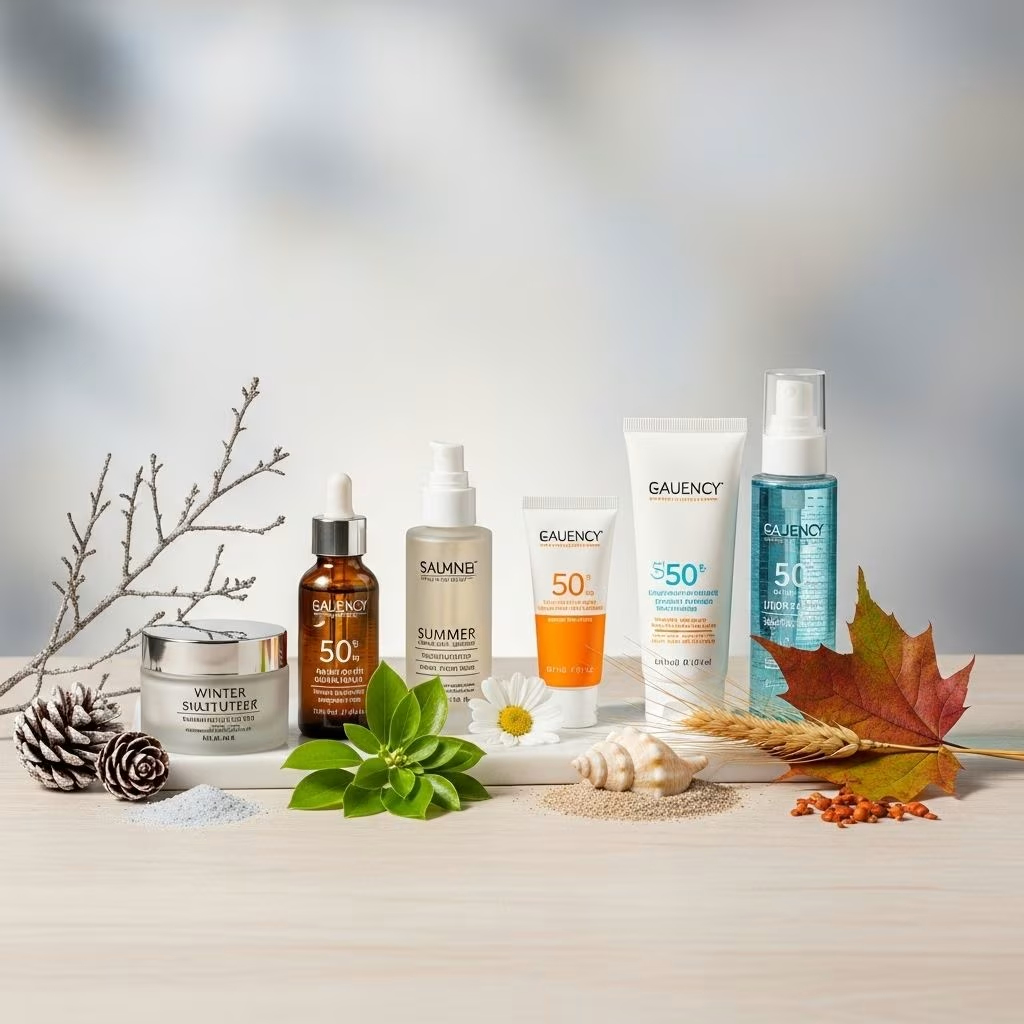
Seasonal Skincare Guide: Routine Changes for Every Climate
Our skin is the frontline defender against environmental changes, making it sensitive to fluctuating temperatures, humidity, sun exposure, and seasonal transitions. Whether you live in the tropics, desert, or temperate regions, understanding how to tailor your skincare routine throughout the year—not just by season but by climate—is critical for keeping your skin healthy, vibrant, and protected.
In this comprehensive guide, explore proven strategies from dermatology experts to optimize your skincare for spring, summer, autumn, and winter, and for every climate from humid to dry and cold to hot.
- Table of Contents
- Why Seasonal Skincare Matters
- Core Principles for All Seasons
- Spring: Renew and Refresh
- Summer: Protect & Hydrate
- Autumn: Repair & Prepare
- Winter: Nourish & Shield
- Climate-Specific Skincare Strategies
- Transitioning Skincare between Seasons
- Seasonal Skincare Routines: Comparisons Table
- Frequently Asked Questions (FAQs)
Why Seasonal Skincare Matters
Environmental shifts have direct effects on skin hydration, barrier function, oil production, and overall health. As temperatures, humidity, and UV levels change, your skin’s needs also transform:
Summer demands increased sun protection and oil control, winter requires rich hydration and barrier repair, spring calls for gentle renewal, and autumn focuses on recovery.
- Changes in humidity and temperature: Shifts affect skin moisture levels and barrier resilience.
- Altered UV exposure: UV radiation fluctuates with seasons and climate, increasing risk for damage or pigmentation.
- Environmental stressors: Pollution, wind, and indoor heating/cooling systems change throughout the year.
- Product efficacy: Some skincare actives and textures work better or worse depending on the climate and season.
Core Principles for All Seasons
- Gentle Cleansing: Cleanse twice daily, adapting your cleanser type to seasonal needs (gel for summer, cream for winter).
- Layered Hydration: Use hydrating serums before moisturizers to maximize moisture retention.
- Consistent Sun Protection: Apply broad-spectrum SPF 30+ daily, even on cloudy days or indoors.
- Mindful Exfoliation: Adjust exfoliation frequency—gentle in winter, regular in humid or hot conditions.
- Customized Moisturizers: Choose lightweight gels in heat, richer creams in cold or dry climates.
- Product Swaps, Not Overhauls: Make gradual adjustments rather than changing your entire routine.
Spring: Renew and Refresh
Spring is synonymous with renewal—both in nature and for your skin. Following the dehydration and barrier stress of winter, springtime skincare should focus on gentle exfoliation, hydration, and protection as temperatures rise and days lengthen.
- Exfoliate Dead Skin Cells: Use a gentle exfoliator 1–2 times weekly to remove dry winter skin, brighten complexion, and boost radiance.
- Lighten Up Your Moisturizer: Swap out heavy creams for lighter, hydrating lotions or gels as humidity rises.
- Sun Protection: Increased outdoor time demands diligent SPF coverage. Apply broad-spectrum sunscreen daily, at least SPF 30.
- Hydrating Serum: Include a hyaluronic acid serum to maintain plump, moisturized skin.
Tip: Allergy season may trigger skin sensitivities; consider fragrance-free and anti-inflammatory products.
Summer: Protect & Hydrate
High temperatures, humidity, and intense sunlight mean your skin is vulnerable to dehydration, breakouts, and UV damage. The main focus is protection and oil control without sacrificing hydration.
- Double Down on Sunscreen: Use water-resistant SPF and reapply every two hours when outdoors or after sweating.
- Lightweight, Oil-Free Moisturizers: Avoid heavy creams. Gel-based or oil-control formulas keep skin hydrated but not greasy.
- Gentle, Regular Cleansing: Sweating and excess oil can clog pores. Wash your face twice daily with a gentle cleanser.
- Mattifying Products: For oily or combination skin, consider mattifying sunscreen and moisturizers to control shine.
- Soothe Sunburns: Use aloe vera gel or gentle, hydrating treatments to soothe any irritation.
- Non-Comedogenic Products: Choose formulas designed not to block pores to prevent summer breakouts.
Autumn: Repair & Prepare
Autumn is a transitional season, marked by declining temperatures and less humidity. Skin may be recovering from summer exposure and prepping for winter dryness. Focus on recovery, barrier fortification, and gradual introduction of richer textures.
- Barrier Support: Opt for ceramide-rich or soothing moisturizers to restore the barrier after summer sun.
- Brightening Treatments: Consider using gentle vitamin C or niacinamide serums to repair summer pigmentation.
- Moderate Exfoliation: Transition from frequent summer exfoliation to weekly gentle scrubs or enzyme-based treatments.
- Protect Against Cooler Winds: Use hydrating balms for lips, hands, and sensitive areas.
- Prepare for Dryness: Start layering hydrating serums under your moisturizer as the air becomes drier.
Winter: Nourish & Shield
Cold air, wind, and indoor heat strip the skin of moisture, weaken its barrier, and increase sensitivity. Winter skincare should focus on deep hydration, minimal irritation, and protective formulas.
- Switch to Cream or Milk Cleansers: Gentle, hydrating cleansers clean without stripping skin.
- Richer Moisturizers & Oils: Use creams, ointments, and facial oils to lock in moisture and combat dryness.
- Humidifier Indoors: Combat dry indoor air by running a humidifier at night.
- Protective Balms: Shield lips, hands, and cheeks with rich balms against wind and cold.
- Limit Exfoliation: Reduce exfoliating frequency to prevent irritation—once weekly is usually sufficient.
- Warm, Not Hot Showers: Maintain skin moisture with shorter, lukewarm showers.
Tip: Apply moisturizer immediately after cleansing to trap hydration.
Climate-Specific Skincare Strategies
In addition to seasonal changes, your local climate strongly influences your skin’s needs. Here’s how to adapt:
Humid Climates
- Lightweight, oil-free moisturizers: Avoid clogging pores with heavy products; opt for gels or lotions.
- Frequent gentle cleansing: Cleanse twice daily to control sweat and oil buildup.
- Mattifying formulas: Control shine with lightweight, mattifying treatments.
Dry Climates
- Layered hydration: Use hydrating serums and rich moisturizers, especially at night.
- Gentle, oil-based cleansers: Prevent stripping essential oils by using creamy or oil-based cleansers.
- Humidifier indoors: Add moisture to indoor air to reduce dryness.
- Extra attention to lips, eyes, and hands: Use balms and creams for sensitive areas that dehydrate faster.
Cold Climates
- Thicker moisturizers: Creams and ointments lock in moisture against the cold and wind.
- Lip and hand balms throughout the day: Protect exposed areas from chapping.
- Bundle up: Use scarves and gloves; minimize skin exposure when outdoors.
Seasonal (Temperate) Climates
- Switch products with the seasons: Rotate lighter formulas in summer, richer in winter; adjust based on transitional periods.
- Monitor skin response: Be proactive with product swaps as weather changes.
Transitioning Skincare between Seasons
- Gradual swaps: Replace products one at a time to allow your skin to adjust.
- Observe changes: Monitor your skin for increased dryness, oiliness, or sensitivity as seasons shift.
- Adjust actives: Consider retinoids and exfoliants in lower concentrations during cold months, increase use in warmer periods as tolerable.
- Consult a dermatologist: For chronic discomfort, sensitivity, or unexpected changes, seek professional advice.
Seasonal Skincare Routines: Comparison Table
| Season | Cleansing | Moisturizer | Sun Protection | Exfoliation | Special Focus |
|---|---|---|---|---|---|
| Spring | Gentle, regular | Light lotion/gel | Broad spectrum SPF 30 | 1–2/week | Renewal, hydration |
| Summer | Twice daily, gentle | Light, oil-free | Reapply frequently, water-resistant | 2–3/week | Hydration, sunburn repair, oil control |
| Autumn | Gentle, barrier support | Rich creams, balms | Daily, SPF 30+ | 1–2/week, gentle | Barrier repair, pigment correction |
| Winter | Cream/milk-based, hydrating | Rich, emollient | Daily, moisturizing SPF | 1/week, minimal | Deep hydration, protection |
Frequently Asked Questions (FAQs)
Q: Why does my skin get drier in winter even if I moisturize regularly?
A: Cold air, wind, and indoor heating strip moisture from the skin, weakening its natural barrier. Using a richer moisturizer and hydrating serums, as well as running a humidifier indoors, helps counteract this issue.
Q: Should I use sunscreen even during the winter or on cloudy days?
A: Yes. UVA and UVB rays can penetrate clouds and windows, contributing to skin damage year-round. Apply broad-spectrum SPF daily regardless of the weather.
Q: How often should I exfoliate my skin?
A: Exfoliate 2–3 times weekly in warmer, humid seasons. In winter or when skin is sensitive, limit exfoliation to once a week using gentle formulas.
Q: How do I transition my skincare routine from one season to another?
A: Make gradual swaps, starting with your cleanser and moisturizer. Monitor skin changes closely and adjust active ingredients as needed. Avoid switching all products at once.
Q: Are climate-specific products necessary if I already adjust my routine seasonally?
A: Climate adds another layer to skin needs. If your local weather is unusually dry, humid, or cold, fine-tuning your product selection and layering approach can further optimize your skin’s health.
Conclusion
Seasonal climate shifts require you to tailor your skincare routine for optimal results. The key lies in observing how your skin responds to temperature and humidity changes, strategically swapping products, layering hydration, and maximizing protection. Use this guide to proactively care for your skin for resilience, radiance, and long-term health in any climate.
References
- https://www.tru-skin.com/blog/seasonal-skin-care-tips-how-to-adjust-your-routine-throughout-the-year
- https://www.sinyderm.com/blog/seasonal-skincare-swaps-how-to-transition-your-routine-between-summer-and-winter
- https://www.isdin.com/us/blog/skincare/how-climate-affects-your-skin/
- https://skinandcancerinstitute.com/seasonal-skin-care-phoenix-weather/
- https://livehealthy.muhealth.org/stories/summer-sun-winter-dryness-and-everything-between-your-guide-seasonal-skin-care
- https://emani.com/blogs/emani-beauty-blog/seasonal-skincare-guide
- https://www.skinjectables.com/blog/seasonal-skincare-routine/
- https://www.dermalogica.com/blogs/living-skin/seasonal-transition-skincare


