


Table of Contents
\
- \
- Understanding the Skin Barrier
- Layers of the Skin Barrier
- Impact of Environmental Stressors on the Skin Barrier
- Mechanisms of Skin Barrier Disruption and Damage
- How the Skin Repairs Itself
- Strategies for Skin Barrier Repair
- Barrier-Boosting Ingredients in Skincare
- Daily Practices to Protect the Skin Barrier
- Frequently Asked Questions
\
\
\
\
\
\
\
\
\
\
Understanding the Skin Barrier
\
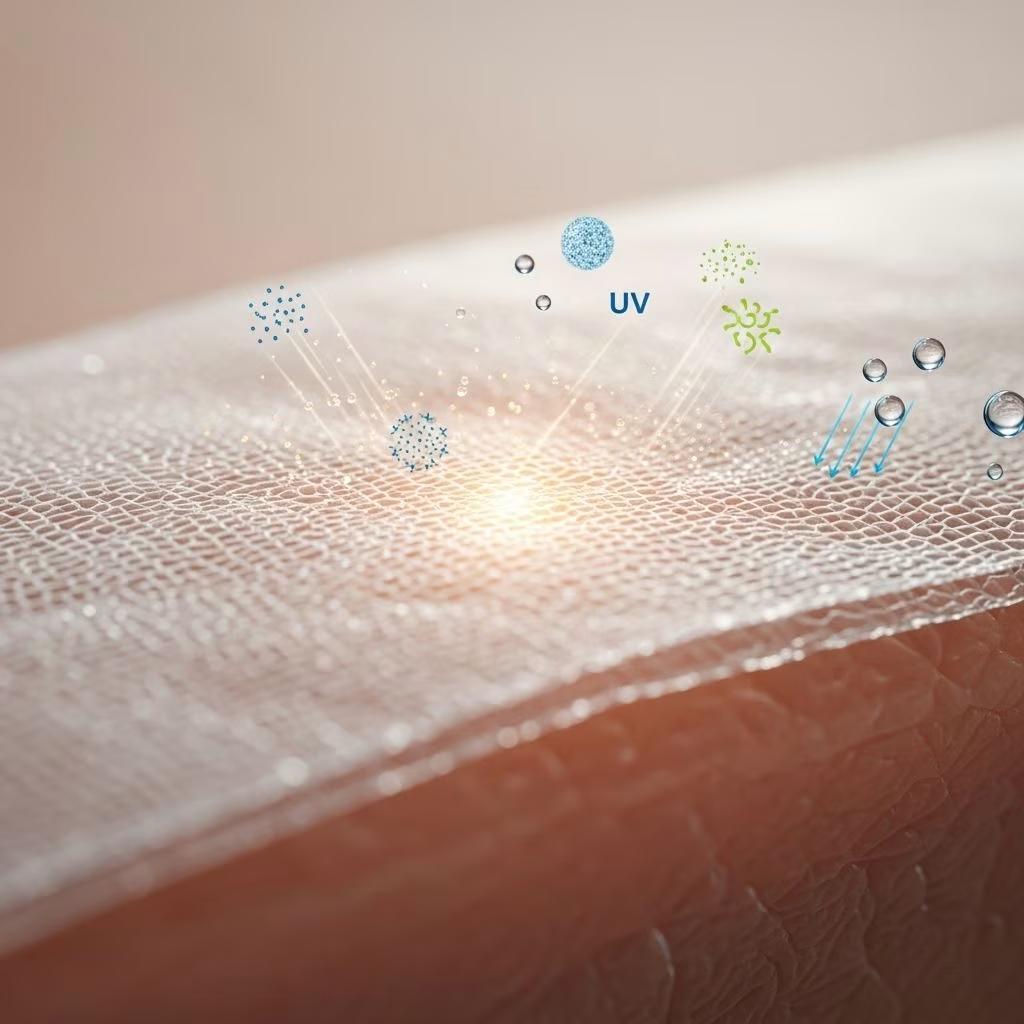
The skin barrier is the outermost layer of your skin and the body’s primary defense against environmental threats. This highly specialized structure is composed primarily of the stratum corneum and functions as both a physical and biochemical shield. It prevents dehydration, minimizes entry of harmful substances, and keeps pathogens at bay.
\
When functioning optimally, the skin barrier:
\
- \
- Retains moisture by controlling transepidermal water loss (TEWL)
- Blocks penetration of toxins, allergens, and pathogens
- Helps regulate body temperature
- Provides immunologic defense via antimicrobial peptides
\
\
\
\
\
Layers of the Skin Barrier
\
The concept of the skin barrier extends beyond just its physical surface. It consists of four interdependent layers:
\
| Layer | Main Components | Key Function |
|---|---|---|
| Physical | Stratum corneum, keratinocytes, lipid matrix (ceramides, cholesterol, fatty acids) | Prevents water loss, blocks entry of irritants & microbes |
| Chemical | Lipids, natural moisturizing factor (NMF), acidic pH (acid mantle) | Maintains hydration, fosters healthy microbiome, supports enzymatic functions |
| Microbiological | Commensal microorganisms | Defends against pathogenic bacteria, supports immune homeostasis |
| Immunological | Immune cells, cytokines, antimicrobial peptides | Protects from allergens, triggers repair mechanisms |
\
Disruption of any layer compromises overall barrier integrity and increases skin sensitivity.
\
Impact of Environmental Stressors on the Skin Barrier
\
Modern living exposes our skin to a multitude of environmental stressors that undermine barrier health:
\
- \
- Pollution: Particulate matter and chemical residues can penetrate and inflame the barrier.
- UV Radiation: Sunlight accelerates oxidative stress and degrades lipids and proteins essential for barrier resilience.
- Climate Extremes: Dry air, wind, and drastic temperature changes disrupt humidity balance and lipid organization.
- Household Irritants: Detergents, solvents, and aggressive personal care products can strip protective lipids from the skin.
- Microbial Assault: Pathogenic bacteria and fungi exploit a weakened barrier to invade deeper layers.
- Allergens & Chemicals: Fragrances, preservatives, and certain active ingredients trigger barrier irritation.
\
\
\
\
\
\
\
Over time, repeated exposure to these stressors heightens transepidermal water loss and sets the stage for chronic inflammation and skin disorders.
\
Mechanisms of Skin Barrier Disruption and Damage
\
Understanding how the skin barrier gets damaged is key to effective repair and prevention strategies. Common mechanisms include:
\
- \
- Lipid Depletion: Essential fatty acids, ceramides, and cholesterol form the ‘mortar’ that keeps cells sealed. Harsh cleansers, aging, and environment degrade these lipids.
- Protein Damage: Keratin, filaggrin, and other proteins in the stratum corneum are targets of oxidation, enzymatic degradation, and mutation (e.g., filaggrin deficiency in eczema).
- pH Disturbance: The acid mantle (pH 4–6) is crucial for enzymatic activity and microbiome stability; alkalinizing soaps and over-exfoliation destabilize pH balance.
- Microbiome Imbalance: Antibiotics, antiseptics, and environmental aggressors reduce beneficial microbes, allowing pathogens to proliferate.
- Inflammatory Cascade: Barrier compromise triggers release of cytokines (TNF, IL-1, IL-6), leading to further keratinocyte activation and possible chronic inflammation.
\
\
\
\
\
\
Signs of barrier breakdown include persistent dryness, redness, itching, flakiness, heightened sensitivity, and increased susceptibility to infections.
\
How the Skin Repairs Itself
\
The skin possesses sophisticated, multi-step self-repair mechanisms in response to barrier damage:
\
- \
- Immediate Lipid Replacement: Lamellar bodies in the epidermis quickly release precursor lipids (mainly ceramides) to rebuild the barrier, typically restoring up to 20% of function in hours.
- Synthesis of New Lipids: The skin upregulates production and conversion of lipid precursors to replenish and reinforce the intercellular lipid matrix.
- Natural Moisturizing Factor (NMF) Generation: Increased conversion of prefilaggrin to filaggrin, and subsequent degradation to amino acids (NMFs), boosts humectancy and retains epidermal moisture.
- Inflammatory Response: Initiated by increased TEWL, the skin releases cytokines to promote keratinocyte proliferation, thickening the epidermis for added defense.
- Activation of Antimicrobial Peptides: When pathogens invade, specialized peptides target and neutralize microbes, preventing infection.
\
\
\
\
\
\
Most day-to-day damage is self-repairable if the stressor is removed and supportive care is provided. Chronic exposure or severe assault, however, may exceed the skin’s innate capacity for regeneration.
\
Strategies for Skin Barrier Repair
\
Scientific research affirms that barrier restoration is best achieved through targeted interventions:
\
- \
- Simplifying Skincare Regimens: Reduce product load. Avoid strong actives (retinoids, AHAs) when recovering from barrier damage.
- Using Moisturizers: Select formulations with occlusives, humectants, and emollients. Occlusives (e.g., petrolatum) seal in moisture; humectants (e.g., glycerin, hyaluronic acid) draw water from dermis; emollients (e.g., squalane) smooth and replenish the lipid matrix.
- Supporting Acidic pH: Use cleansers and products with a skin-friendly pH (4–6) to maintain the acid mantle, optimizing barrier enzyme activity and promoting microbiome health.
- Barrier-Supportive Diet: Essential fatty acids (e.g., omega-3, omega-6), vitamins A, C, D, and E, and hydration support lipid synthesis and skin renewal.
- Limiting Exposures: Minimize contact with harsh climates, UV, pollutants, and household chemicals. Physical barriers (clothing, sunscreen) provide added protection.
- Microbiome-Friendly Products: Choose prebiotic and probiotic skincare to encourage growth of protective bacteria and stave off dysbiosis.
- Targeted Medical Therapy: For severe barrier impairment (eczema, atopic dermatitis), topical corticosteroids, calcineurin inhibitors, and barrier creams may be indicated under professional guidance.
\
\
\
\
\
\
\
\
Barrier-Boosting Ingredients in Skincare
\
The following ingredients are scientifically validated to support barrier repair and resilience:
\
- \
- Ceramides: Mimic natural skin lipids to fortify the intercellular membrane and lock in moisture.
- Fatty Acids & Cholesterol: Restore the lipid matrix for improved water retention and barrier structure.
- Glycerin & Hyaluronic Acid: Boost hydration by attracting and retaining water in the stratum corneum.
- Petrolatum & Dimethicone: Provide occlusive protection to block TEWL and seal microfissures.
- Panthenol (Vitamin B5): A humectant and skin-soothing agent that supports epithelial tissue regeneration.
- Prebiotics/Probiotics: Enhance microbiome balance and prevent colonization by harmful bacteria.
- Niacinamide: Reduces inflammation and supports synthesis of ceramides.
- Antioxidants (Vitamin E, C): Counteract free radical damage from pollution and UV exposure.
\
\
\
\
\
\
\
\
\
Daily Practices to Protect the Skin Barrier
\
To maintain and optimize skin barrier health, implement the following practices:
\
- \
- Use gentle, non-foaming cleansers with adjusted pH
- Limit hot water exposure; opt for lukewarm showers
- Apply moisturizer within 3 minutes of bathing to seal hydration
- Avoid over-exfoliation; restrict use of mechanical scrubs and acid peels
- Wear broad-spectrum sunscreen daily to prevent UV-induced oxidative damage
- Separate actives (retinoids, exfoliants) from barrier-repair routines
- Wear protective clothing in extreme climates or high-pollution areas
- Hydrate adequately—skin mirrors systemic hydration status
- Monitor and treat underlying conditions that compromise skin barrier (eczema, psoriasis, diabetes)
\
\
\
\
\
\
\
\
\
\
Routine attention to these factors fortifies the barrier and helps skin recover from minor insults before they progress into chronic problems.
\
Frequently Asked Questions (FAQs)
\
Q: What are early signs of a damaged skin barrier?
\
A: The main indicators are increased dryness, sensitivity, redness, itching, flakiness, and a tight feeling. Persistent damage may result in visible scaling, breakouts, or infections.
\
Q: How long does it take to repair the skin barrier?
\
A: Mild damage can repair in a few days with supportive care; severe disruption due to disease or trauma may require weeks and professional intervention.
\
Q: Can diet influence skin barrier repair?
\
A: Yes. Diets rich in essential fatty acids, antioxidants, and adequate hydration facilitate lipid synthesis and reinforce the skin’s innate defense.
\
Q: Are all moisturizers equally effective for barrier repair?
\
A: No. Optimal formulations include ceramides, fatty acids, and cholesterol. Products with strong fragrances or harsh preservatives may aggravate barrier damage.
\
Q: Is it possible to ‘over-repair’ or confuse the skin barrier?
\
A: Overuse of potent actives (acids, retinoids), constant exfoliation and layering heavy occlusives may overwhelm or disrupt the natural repair cycle. Balance and moderation promote optimal states.
\
References
\
- \
- Understanding the Epidermal Barrier in Healthy and Compromised Skin PMC5608132
- The Skin Barrier and Moisturization: Function, Disruption, and Repair PubMed 37717558
- Skin Barrier Science – Dr Sebagh drsebagh.com
- Skin Barrier Function – DermNet dermnetnz.org
- Fundamentals of Skin Barrier Physiology jcadonline.com
\
\
\
\
\
\
References
- https://pmc.ncbi.nlm.nih.gov/articles/PMC5608132/
- https://pubmed.ncbi.nlm.nih.gov/37717558/
- https://karger.com/spp/article/36/4/174/863006/The-Skin-Barrier-and-Moisturization-Function
- https://www.drsebagh.com/blogs/skin-secrets/skin-barrier-science
- https://www.healthline.com/health/skin-barrier
- https://jcadonline.com/fundamentals-of-skin-barrier-physiology/
- https://health.clevelandclinic.org/skin-barrier
- https://onlinelibrary.wiley.com/doi/10.1111/jocd.16171
- https://dermnetnz.org/topics/skin-barrier-function


