


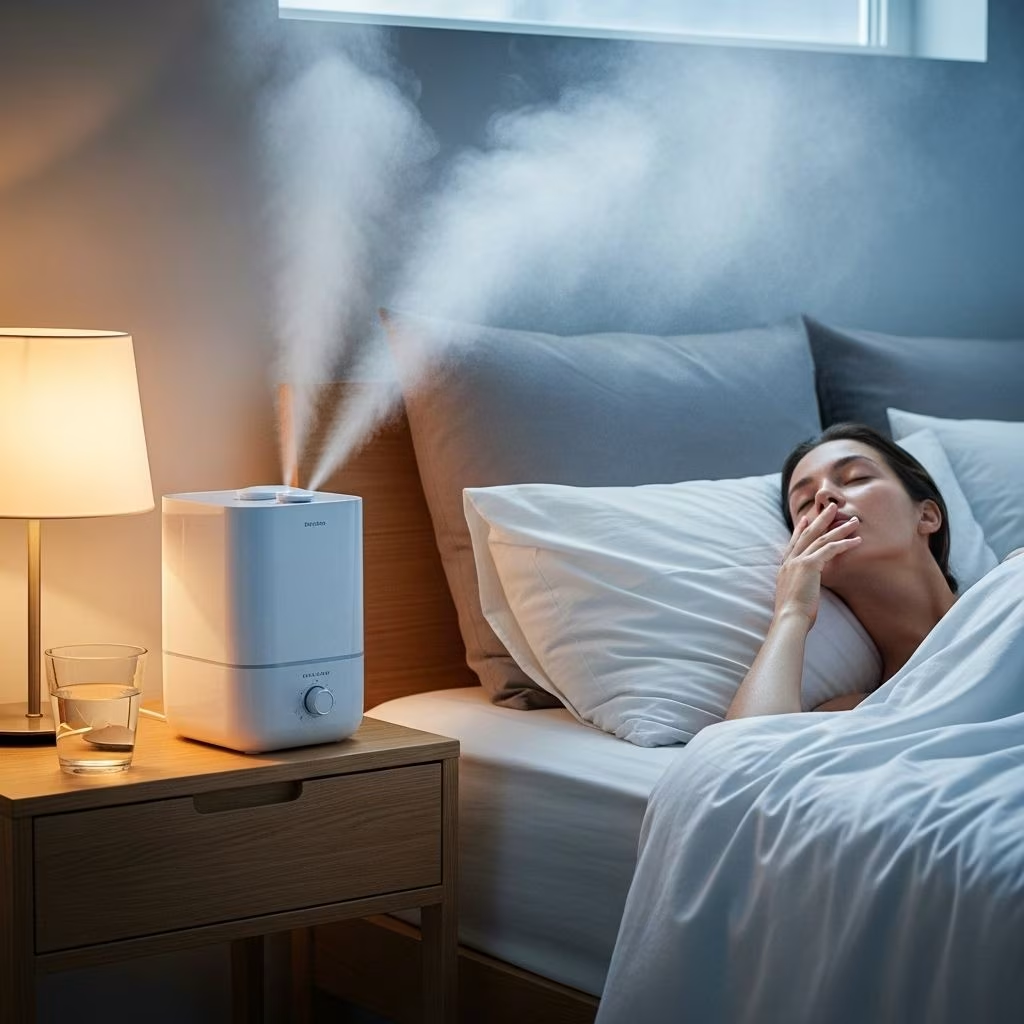
Environmental factors—especially the air quality and humidity in your bedroom—directly impact the health and appearance of your skin. Using a bedroom humidifier overnight is an increasingly recommended approach to counteract skin dryness, enhance hydration, and optimize the sleep environment for holistic wellness. This comprehensive guide delves into the science of skin hydration, the benefits of a humidifier, overnight usage strategies, and answers to common questions, empowering you to leverage humidification for your healthiest, most radiant skin.
Why Skin Hydration Matters
Skin is the body’s largest organ, acting as a barrier against environmental stressors. Adequate hydration is crucial for maintaining:
- Elasticity – Prevents fine lines and maintains suppleness.
- Barrier Function – Reduces sensitivity, irritation, and susceptibility to pollutants and bacteria.
- Even Tone and Texture – Dehydrated skin appears dull, flaky, and uneven, while well-hydrated skin glows with vitality.
When trans-epidermal water loss is high—often due to dry indoor air—skin’s outer layer suffers, making it more prone to cracking, redness, and itching.
How Humidity Affects Skin Overnight
Humidity refers to the water vapor content in the air. Optimal indoor humidity is generally between 30% and 50%. At night, cold weather and indoor heating systems can reduce this to as low as 10-20%, particularly in winter months or arid climates.
- Low humidity increases water loss from the skin, causing tightness, flakiness, and exacerbating conditions like eczema or psoriasis.
- Humidified air helps skin maintain its natural moisture balance, reducing irritation and supporting overnight skin repair.
Why Overnight?
- Skin undergoes crucial repair and regeneration processes during sleep. Dehydrating air impedes these mechanisms, reducing overnight healing and moisture retention.
- Prolonged exposure to dry air means that sleeping unprotected through the night is a high-risk period for skin dehydration.
Benefits of a Bedroom Humidifier
Humidifiers restore water vapor into the environment, ensuring your bedroom maintains an ideal atmosphere for both skin health and sleep quality. Leading dermatologists and sleep experts consistently recommend humidifier use for the following skin benefits:
- Deeper skin hydration: Prevents dryness, flakiness, and minimizes the appearance of dry patches.
- Improved skin barrier: A moist environment strengthens the skin’s natural defenses.
- Smoother texture: Fine lines and patchiness are minimized, creating a glowy complexion.
- Soothed sensitive skin: Beneficial for eczema, psoriasis, and post-procedural healing (e.g., after cosmetic treatments).
- Enhanced product absorption: Hydrated skin better absorbs serums, creams, and topicals, making overnight routines more effective.
- Plumper lips and softer hands: Regions prone to chapping, like lips and hands, benefit from sustained humidity.
Table: Comparison of Skin Condition With and Without Overnight Humidifier Use
| Skin Attribute | Dry Air/No Humidifier | Optimal Humidity/Humidifier |
|---|---|---|
| Hydration | Low, flaky, itchy | High, smooth, comfortable |
| Barrier Function | Weakened, sensitive | Stronger, resilient |
| Complexion | Dull, uneven | Glowy, even |
| Product Absorption | Poor, patchy | Enhanced, even |
Choosing the Right Humidifier for the Bedroom
Your choice of humidifier can greatly influence its efficacy, safety, and convenience. Consider these factors:
- Type: Popular options include cool mist, warm mist, ultrasonic, and evaporative humidifiers. Cool mist types are generally safer, especially for households with children or pets.
- Size and Capacity: Ensure the device’s water tank is suitable for your bedroom size and can run for 7-9 hours without refilling.
- Noise Level: Models labeled as ‘whisper quiet’ or with white noise features double up as sleep aids.
- Ease of Cleaning: Regular cleaning prevents mold and bacterial buildup. Select models with simple assembly and accessible parts.
- Features: Look for humidity sensors, timers, and auto shut-off for added convenience and safety.
Smart Buying Tips
- Choose a device certified for medical or home use, not just decorative aromas.
- Consider a built-in hygrometer to monitor room humidity levels.
Best Practices for Overnight Humidification
- Keep humidity between 30-50%: Excessive humidity (>60%) can foster dust mites and mold. Use a humidity meter for accuracy.
- Location matters: Place the humidifier at least a few feet from your bed but close enough for direct skin benefit. Avoid placing it near electronics or on absorbent surfaces.
- Bedtime routine: Turn on the humidifier 30 minutes before sleep for immediate effect.
- Use distilled or demineralized water: Tap water may leave mineral deposits or promote microbial growth.
- Clean regularly: Clean the tank and components daily or as recommended by the manufacturer to prevent mold and bacteria.
Synergizing Skincare with Humidifier Use
Combining a humidifier with a nighttime skincare regimen maximizes skin hydration and repair:
- Cleansing: Remove makeup and debris before bed to prevent blockage and dryness.
- Humectant-rich serums: Ingredients like hyaluronic acid, glycerin, and aloe vera attract moisture. These work optimally when ambient air is humid.
- Occlusive moisturizers: Follow with creams or oils that lock in hydration overnight.
- Lip care: Apply a nourishing balm before bed to counteract overnight lip dehydration, amplified by a humid room.
- Hand and body creams: Bonus use for those with rough elbows, knees, or feet exposed overnight.
Special Considerations by Skin Type
- Dry, sensitive, and mature skin: These types benefit the most, as they lose moisture quickly.
- Eczema and psoriasis-prone skin: Overnight humidity reduces flare-ups by alleviating dryness and itching.
- Acne-prone skin: Hydration helps maintain barrier integrity and prevent overproduction of sebum due to dehydration. Be sure to maintain strict device hygiene to avoid microbial buildup.
Additional Health Benefits
While the spotlight is on skin, there are other benefits to using a humidifier in the bedroom:
- Improved respiratory comfort: Humidified air soothes nasal passages, reduces the risk of nosebleeds, and eases symptoms of colds, allergies, and sinus issues.
- Soothed throat and voice: Beneficial for those who snore, use CPAP machines, or experience dry mouth.
- Healthier hair and scalp: Decreases frizz, increases softness, and improves scalp hydration.
- Reduced static electricity: Low humidity increases static shock and flyaway hair. Humidifiers minimize these annoyances.
- Better sleep quality: Moist air can enhance sleep comfort and help regulate body temperature.
Potential Risks and How to Avoid Them
While humidifiers are generally safe, improper use or poor maintenance can create unwanted problems:
- Mold, bacteria, and allergens: Standing water and residue in the device promote growth and dispersion of pathogens.
- Dust mites and over-humidity: High humidity fosters dust mite populations, especially problematic for allergy sufferers.
- Mineral dust: Tap water, especially in hard water regions, can release fine mineral dust unless you use distilled or filtered water.
- Burn risk (for warm mist models): Always use cool mist options in households with children or pets.
Mitigate these risks by:
- Cleaning your humidifier frequently, per manufacturer instructions.
- Using distilled or demineralized water.
- Monitoring humidity and ventilating the room as needed.
Frequently Asked Questions (FAQs)
What humidity level is best for skin health overnight?
Aim for an indoor humidity between 30% and 50%. Levels above 60% can lead to mold, while lower levels promote skin dehydration and discomfort.
Is it safe to run a bedroom humidifier all night?
Yes, as long as the device is well-maintained, used with clean or distilled water, and room humidity is monitored.
Can a humidifier help with other skin concerns, like eczema or acne?
Yes. Added humidity soothes eczema and psoriasis, and for acne-prone skin, it balances the moisture barrier. Always keep the device impeccably clean to avoid mildew or microbial spread.
Will a humidifier improve my hair as well?
Absolutely. Moist air decreases hair frizz, increases scalp comfort, and promotes healthy, shiny hair.
What if my bedroom feels too humid?
Monitor humidity with a hygrometer. If it consistently exceeds 50-60%, reduce machine output or ventilate the room to prevent mold or dust mite growth.
Can I add essential oils to my humidifier for extra skin benefits?
Only if your humidifier is specifically designed for essential oils. Otherwise, oils can damage the device or encourage fungal growth.
How often should I clean my humidifier?
Ideally, rinse and change the water daily, and perform a thorough clean at least weekly, following manufacturer guidelines.
Summary: Elevate Skin Health Every Night
Using a bedroom humidifier overnight is a scientifically backed, dermatologist-approved strategy for lasting skin hydration and comprehensive wellness. When combined with effective skin routines and prudent maintenance habits, this practice can transform your complexion and your sleep—in any climate, season, or skincare stage.
References
- https://frenchquartermag.com/humidifiers-and-skin-health-what-you-need-to-know/
- https://vitruvi.com/blogs/spaces/the-beauty-benefits-of-using-a-humidifier
- https://www.holmesproducts.com/why-you-should-add-a-humidifier-to-your-beauty-routine.html
- https://www.sleepfoundation.org/bedroom-environment/benefits-of-a-humidifier-while-sleeping
- https://www.mayoclinic.org/diseases-conditions/common-cold/in-depth/humidifiers/art-20048021
- https://health.clevelandclinic.org/how-you-can-tell-if-you-need-a-humidifier


