


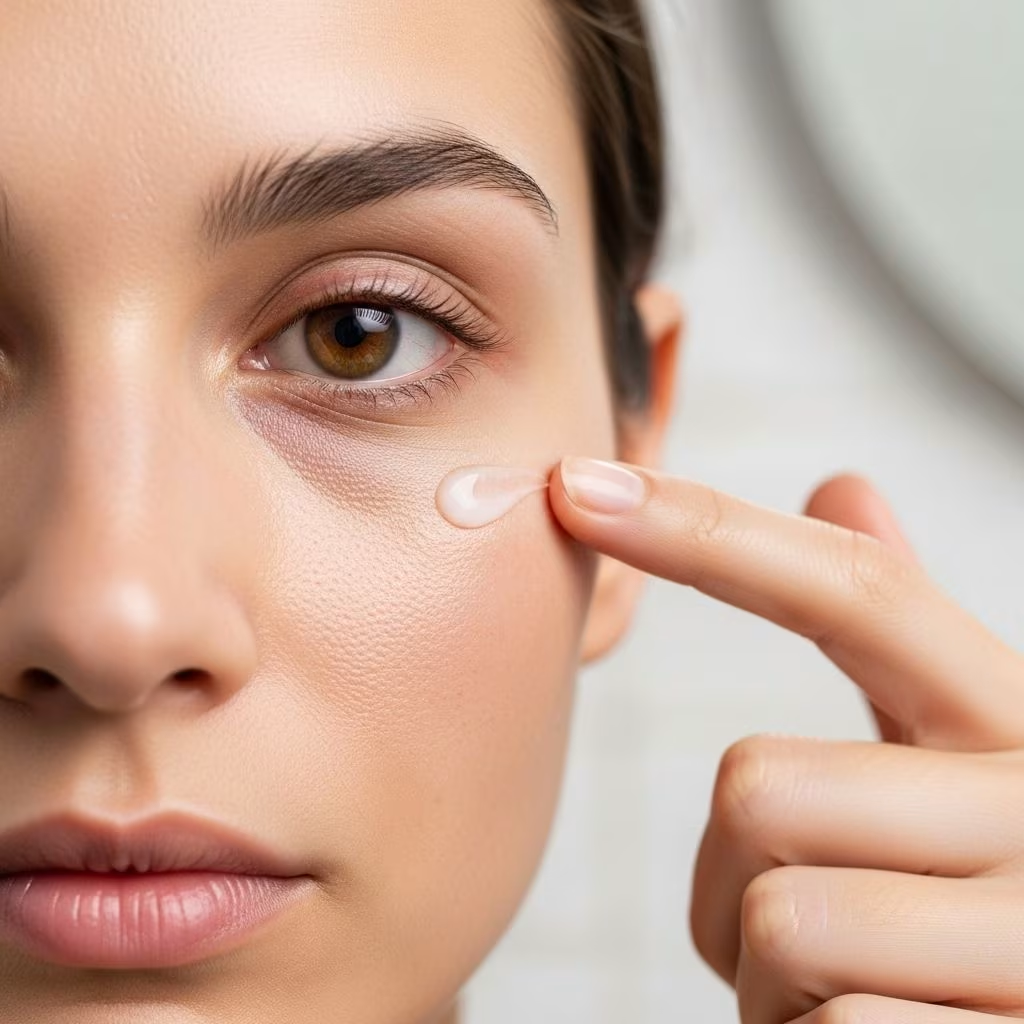
Under-Eye Bags: Seasonal Allergy Skincare Relief
Seasonal allergies bring a host of challenges to your skin, particularly the delicate eye area which is prone to puffiness, swelling, and discoloration. If you suffer from under-eye bags each spring or fall, know that you’re not alone—and that targeted skincare and allergy relief tactics can help you reclaim comfort and confidence.
Introduction
Each year, millions experience the disruptive effects of seasonal allergies on their skin. Under-eye bags, often called allergic shiners, are a telltale sign of inflammation and congestion fueled by airborne allergens like pollen and dust. While these symptoms are uncomfortable and may impact self-image, the right approach can alleviate both appearance and discomfort.
Understanding Under-Eye Bags & Allergic Reactions
Under-eye bags refer to puffiness, swelling, and dark circles beneath the eyes, typically resulting from fluid retention, inflammation, and weakened capillaries. During allergy season, your immune response triggers the release of histamines, which cause blood vessels to dilate and fluid to accumulate under the eyes.
Other common skin symptoms include redness, dryness, hives, and irritation, especially on the face.
Allergic shiners are specifically caused by allergic rhinitis—when congestion affects the blood vessels under the eyes and creates visible dark circles or puffiness.
Why is this area so vulnerable? The skin under the eyes is thinner and has fewer oil glands than the rest of the face, making signs of inflammation and volume changes more pronounced.
Key Causes: Why Allergies Give You Puffy Eyes
- Histamine Release: Allergens like pollen or pet dander trigger the immune system, releasing histamines that widen blood vessels and encourage fluid leakage under the skin.
- Congestion & Venous Stasis: Nasal congestion disrupts normal flow in veins beneath the eyes, causing blue or dark discoloration and swelling.
- Environmental Triggers: Dry windy days, high pollen counts, and direct exposure to allergens can worsen symptoms.
- Skin Sensitivity & Barrier Weakness: Allergies can weaken the skin’s protective barrier, leading to dryness, scaling, and increased vulnerability to irritants.
- Lifestyle Factors: Sleep deprivation, dehydration, and excessive salt intake amplify fluid retention and exacerbate puffiness in this area.
Symptoms: How Allergy Season Shows on Your Skin
| Symptom | Description |
|---|---|
| Puffy/Sunken Eyes | Visible swelling under the eyes with possible dark circles; hallmark of allergic reaction. |
| Redness | Inflamed skin around eyes and face due to dilated capillaries and irritation. |
| Itchy, Watery Eyes | Triggered by histamines; leads to rubbing, more swelling, and irritation. |
| Dryness or Flaking | Barrier damage and moisture loss from allergy inflammation. |
| Hives/Eczema | Red, raised patches that signal immune system overdrive. |
Effective Relief Strategies for Under-Eye Bags
- Cold Compresses:
Applying a clean, cold compress for 10 minutes immediately calms puffiness and inflammation around the eyes. This constricts blood vessels, reduces fluid buildup, and soothes irritation. Repeat as needed throughout the day. - Antihistamines:
Oral antihistamines (such as cetirizine, loratadine, or diphenhydramine) interrupt the allergy cycle, easing swelling and itchiness. Antihistamine eye drops target localized symptoms and are especially quick to relieve discomfort. Always use products specifically designed for eye allergies. - Nasal Irrigation:
Saline rinses in the nose help flush out allergens, control congestion, and indirectly reduce under-eye swelling. - Moisturizing & Barrier Protection:
Use gentle, fragrance-free moisturizers (look for ceramides or hyaluronic acid) to fortify the skin barrier and alleviate dryness. - Retinol Creams:
Select eye-specific retinol products to stimulate collagen and improve skin density, but avoid if pregnant or breastfeeding. Always consult with a dermatologist for prescription-strength products. - Cool Indoor Environment:
Air conditioning maintains indoor humidity, prevents overheating, and filters airborne allergens to minimize exposure.
Building Your Allergy-Proof Skincare Routine
Key Steps for Sensitive, Allergy-Prone Skin
- Cleanse Gently: Use a hydrating and non-irritating cleanser to remove pollen and allergens. Avoid scrubbing or harsh exfoliants, which can compromise skin defenses.
- Hydrate and Protect: Apply a moisturizer with soothing ingredients twice daily. Avoid products containing strong fragrances, alcohol, or preservatives that aggravate irritation.
- Barrier Repair: Ceramides and occlusive balms (like petroleum jelly) help seal in moisture and block entry points for allergens around the eyes and nostrils.
- Sunscreen: Choose hypoallergenic sunscreens to prevent sun-induced inflammation, which may compound allergy symptoms.
- Eye Cream Selection: Opt for creams containing caffeine (reduces fluid retention), hyaluronic acid (boosts hydration), and antioxidants (combats inflammation).
- Apply Eye Drops: Use lubricating or medicated drops formulated for allergy relief to flush allergens away and restore comfort.
- Skip Makeup (if Possible): Hypoallergenic makeup may help, but best to avoid it entirely during peak allergy days for maximum comfort.
Morning & Evening Allergy-Relief Routine
- Wash face and hands thoroughly upon waking and before bed
- Apply cool compress to under-eye area (if puffy)
- Use antioxidant-rich serum and fragrance-free moisturizer
- Gently dab retinol or targeted eye cream (as prescribed)
- Finish with hypoallergenic sunscreen before outdoor exposure
Lifestyle Changes and Preventive Measures
- Monitor Pollen Counts: Limit outdoor activities during high pollen days. Use air purifiers indoors and keep windows closed.
- Clothing & Accessories: Wear sunglasses and a broad-brimmed hat to shield eyes and prevent allergens from settling on your face.
- Hydration: Drink plenty of water throughout the day to curb fluid retention and support skin health.
- Dietary Habits: Minimize salty and processed foods, which worsen puffiness and can increase fluid accumulation under the eyes.
- Good Hygiene: Shower and change clothes after outdoor exposure. Wash pillowcases regularly to eliminate allergens.
- Environmental Control: Use HEPA filters, maintain indoor humidity below 50%, and opt for allergen-proof bedding.
Advanced & Dermatologist Solutions
- Prescription Medications:
For chronic or severe symptoms, corticosteroid eye drops, prescription antihistamines, and skin creams may be necessary. Always consult with a healthcare provider. - Immunotherapy:
Allergy shots or sublingual tablets build tolerance over time and can dramatically lessen allergy-induced under-eye swelling. - Eczema & Sensitive Skin Management:
Prescription creams and stricter skin routines for those with eczema, atopic dermatitis, or highly reactive skin. - Professional Allergy Testing:
Consider testing to pinpoint triggers and receive customized treatment plans if symptoms persist or escalate. - Dermatologist Monitoring:
Seek help for persistent, worsening, or severe reactions to prevent complications and identify next-step therapies.
Frequently Asked Questions (FAQs)
Q: Can seasonal allergies cause permanent under-eye bags?
A: No. Allergic swelling and discoloration typically resolve with proper allergy management. Persistent symptoms may indicate chronic allergies or underlying health issues that need evaluation.
Q: Are cold compresses safe to use multiple times a day?
A: Yes. Cold compresses soothe puffiness and inflammation and are safe for repeated use if kept clean and not applied for more than 10 minutes at a time.
Q: Should I use retinol eye cream for allergy-induced bags?
A: Retinol creams can improve skin thickness, but use only eye-specific formulations and avoid during pregnancy or breastfeeding. Consult a dermatologist for prescription options.
Q: Will antihistamines help with under-eye puffiness?
A: Yes. Oral antihistamines and allergy-specific eye drops block histamine release, reducing swelling, itch, and irritation.
Q: When should I see a dermatologist for allergy-related skin reactions?
A: If home treatment doesn’t work, or if symptoms are severe or worsening, it’s best to consult a skin specialist for advanced therapies and testing.
Summary: Your Allergy Season Toolkit
- Use cold compresses for instant relief from under-eye puffiness
- Take oral or topical antihistamines to combat symptoms at their source
- Optimize your skincare routine with gentle cleansers, barrier creams, and targeted eye care products
- Monitor allergen exposure, stay hydrated, and adjust lifestyle habits for maximum protection
- Seek dermatologist advice for persistent, severe, or complex symptoms
With a proactive approach, seasonal allergies need not overshadow your appearance or comfort. Adopt these expert-backed strategies to ease under-eye bags, strengthen your skin’s defenses, and enjoy every season with clearer, healthier skin.
References
- https://enticare.com/2025/03/10/how-to-treat-seasonal-allergy-face-symptoms/
- https://camelbackderm.com/2025/03/31/the-truth-about-seasonal-allergies-and-your-skin/
- https://www.healthline.com/health/beauty-skin-care/how-to-get-rid-of-bags-under-eyes
- https://my.clevelandclinic.org/health/diseases/allergic-shiners
- https://www.premieridaho.com/blog/seasonal-allergies-protecting-your-eyes-during-allergy-season
- https://www.aspireallergy.com/blog/puffy-eyes-and-allergies
- https://acaai.org/allergies/allergic-conditions/eye-allergy/


