


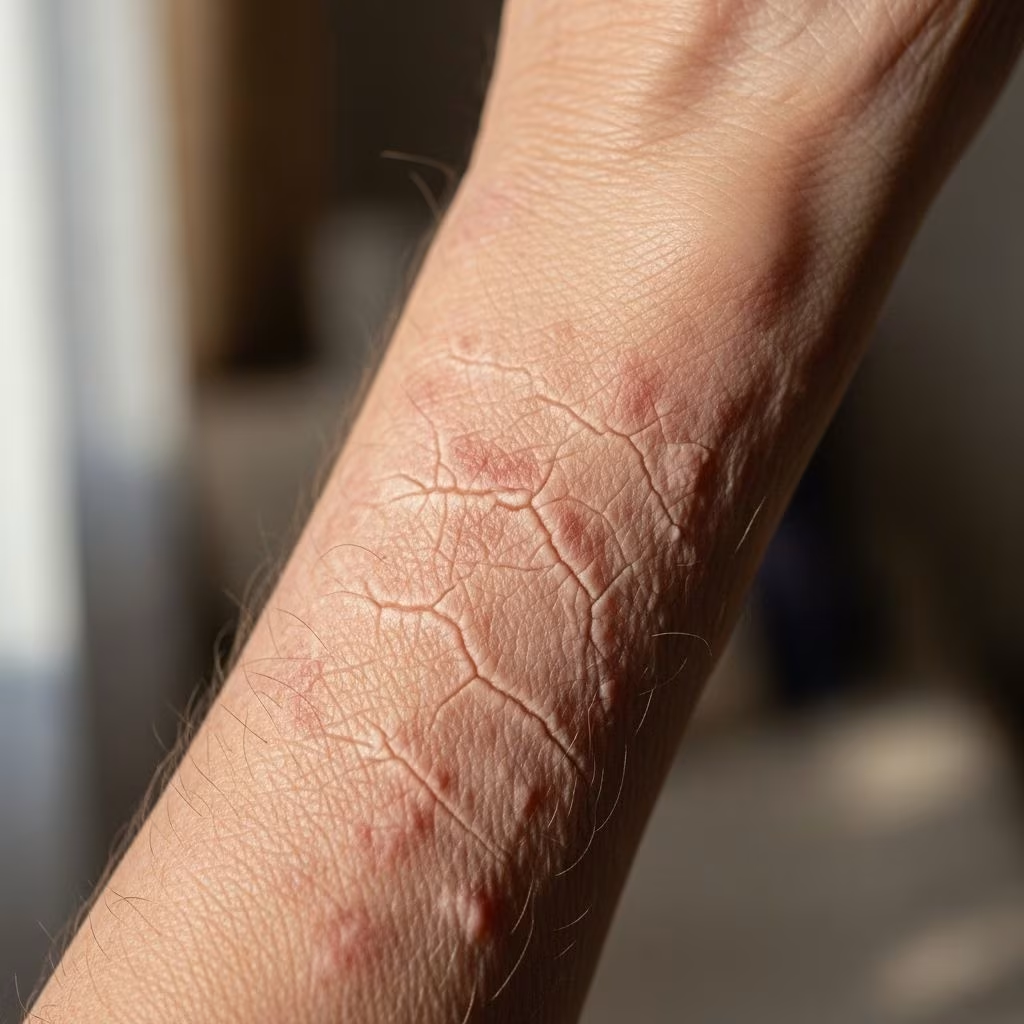
Introduction to Asteatotic Eczema in the Elderly
Asteatotic eczema, also known as eczema craquelé or dry skin eczema, is a type of skin condition that affects many elderly individuals, particularly during the winter months. It is characterized by dry, cracked, and scaly skin, often intensified by cold weather, dry air, and decreased skin barrier function. Managing this condition requires a comprehensive approach that includes skincare strategies, environmental adjustments, and stress management techniques.
Skincare Strategies for Managing Asteatotic Eczema
To manage asteatotic eczema effectively, it is essential to focus on restoring and maintaining the skin barrier. Here are some key strategies:
- Moisturizing: Use thick emollient creams or ointments immediately after bathing and throughout the day to lock in moisture. Products in tubes and jars are often thicker and more effective than those with pumps, which may contain alcohol and exacerbate dryness.
- Cleansing: Recommend lukewarm baths with fragrance-free cleansers to minimize irritation and protect the skin barrier.
- Product Selection: Opt for hypoallergenic and fragrance-free moisturizers to reduce the risk of allergic reactions.
Environmental Control Measures
Environmental factors play a significant role in exacerbating asteatotic eczema. Here are some strategies to control these factors:
- Humidifiers: Use humidifiers to combat dry air caused by indoor heating, which can severely dry out the skin.
- Clothing: Encourage wearing soft, breathable fabrics and layer clothing to prevent overheating and irritation.
- Household Changes: Use hypoallergenic pillowcases, air filters, and regularly vacuum carpets and curtains to reduce exposure to dust mites and other allergens.
Stress Management Techniques
Stress can significantly exacerbate eczema symptoms. Implementing stress management techniques is crucial for overall skin health:
- Mindfulness: Engage in mindfulness exercises or meditation to reduce stress levels.
- Relaxation Techniques: Practice relaxation techniques such as deep breathing or yoga.
- Engaging Activities: Participate in enjoyable activities to maintain emotional well-being.
Phototherapy for Eczema
For cases where topical treatments are insufficient, phototherapy may be recommended. This involves controlled exposure to ultraviolet light under the guidance of a healthcare professional to reduce inflammation and alleviate symptoms.
Exploring Alternative Therapies
Some seniors may find relief in alternative therapies like acupuncture or herbal remedies. However, it is essential to consult with a healthcare provider before incorporating these into a treatment regimen.
Frequently Asked Questions (FAQs)
Q: What are the common symptoms of asteatotic eczema?
A: Common symptoms include dry, scaly, cracked skin, often accompanied by itchiness and discomfort.
Q: How does winter affect asteatotic eczema?
A: Winter exacerbates symptoms due to cold air, indoor heating, and increased exposure to allergens and stressors.
Q: What skincare products are best for asteatotic eczema?
A: Thick emollient creams or ointments, preferably fragrance-free and hypoallergenic, are recommended for managing dry skin.
Conclusion
Managing asteatotic eczema in the elderly during winter requires a multifaceted approach that includes effective skincare routines, environmental adjustments, and stress management. By implementing these strategies and consulting healthcare professionals when necessary, seniors can effectively control their symptoms and improve their quality of life.
References
- https://home.hippoed.com/blog/winter-skin-care-for-patients-with-atopic-dermatitis-key-tips-for-clinicians
- https://pmc.ncbi.nlm.nih.gov/articles/PMC7044141/
- https://illinoisderm.com/blog/eczema-care-for-seniors-managing-skin-health-in-later-years/
- https://eczema.org/information-and-advice/types-of-eczema/eczema-in-later-life/
- https://nationaleczema.org/blog/six-tips-for-keeping-eczema-calm-in-winter/
- https://magazine.medlineplus.gov/article/eczema-and-the-cold
- https://www.mayoclinic.org/diseases-conditions/atopic-dermatitis-eczema/diagnosis-treatment/drc-20353279
- https://eczema.org/information-and-advice/triggers-for-eczema/weather-and-eczema/


