


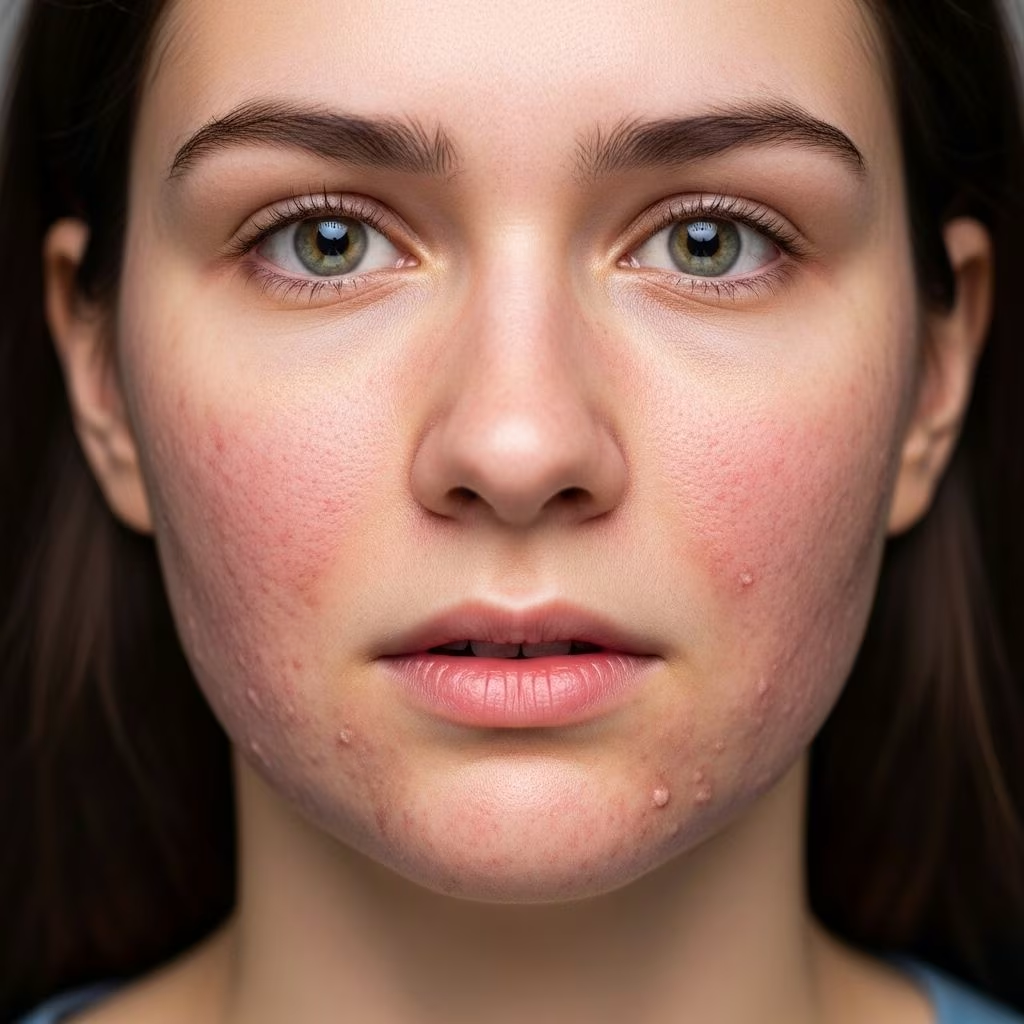
Facial eczema is a persistent, often distressing skin condition that can impact self-esteem and quality of life. Effective management depends on choosing appropriate skincare products, understanding medical treatments, and avoiding triggers that can cause flare-ups. This comprehensive guide addresses the latest evidence-based strategies, recommended products, and crucial avoidances for sustainable facial eczema relief.
Understanding Facial Eczema
Facial eczema refers to inflammation of the skin on the face, most commonly resulting from atopic dermatitis, a chronic inflammatory skin disorder characterized by intense itching, dryness, and red, scaly patches. Unlike eczema on other parts of the body, the facial skin is thinner and more sensitive, making treatment more challenging and the use of potent medications riskier .
- Common symptoms: Itching, redness, scaling, burning sensation, flaking, occasional oozing or crusting.
- Age of onset: Can begin in infancy, childhood, or adulthood. Babies often present with eczema on the cheeks or forehead, while adults may see involvement of eyelids, periocular, and perioral areas.
- Types: Atopic dermatitis is the most frequent, but seborrheic dermatitis, contact dermatitis (irritant/allergic), and less often, nummular eczema can also affect the face .
The unpredictable nature of the disease—and the potential for embarrassment or self-consciousness—raises the importance of individualized, gentle care methods and psycho-social support where needed .
Common Triggers and Causes
Understanding and avoiding triggers is central to managing facial eczema, as flare-ups are often provoked by specific external factors :
- Environmental irritants: Harsh winds, dry air, sudden temperature changes, pollution, and sun exposure.
- Allergens: Dust mites, animal dander, pollen, certain foods, or skin contact with nickel and other allergens.
- Personal care products: Fragrances, dyes, certain preservatives, alcohol-based products, and some sunscreens.
- Stress: Psychological stress is a known trigger and may exacerbate existing eczema.
- Dietary factors: In some individuals, foods such as dairy, nuts, eggs, or soy can trigger or worsen eczema.
- Hormonal changes: Fluctuations during puberty, menstruation, or pregnancy may correlate with flares.
Understanding Your Triggers
It can be helpful to maintain a symptom diary noting changes in skin condition and possible exposures, foods, or emotional events that precede a flare. Discuss these observations with a healthcare provider for tailored advice and allergy testing if needed .
Medical Treatments for Facial Eczema
Treatment options are targeted according to the severity of eczema and the appearance/extent of facial involvement. For all types and severities of facial eczema, the foundation of management is skin barrier repair and inflammation control :
Topical Treatments
- Corticosteroids (Steroid Creams): The main first-line treatment for acute flares. Only low-potency steroids are recommended for the delicate skin of the face (e.g., hydrocortisone 1%), and only for short durations (usually less than two weeks). Overuse leads to thinning of the skin and other side effects .
- Calcineurin Inhibitors: When corticosteroids are inappropriate or ineffective, non-steroidal calcineurin inhibitors (e.g., pimecrolimus [Elidel], tacrolimus [Protopic]) are preferred. These are safe for sensitive facial areas (eyelids, folds) and can be used longer-term, though users should minimize sun exposure due to photosensitivity .
- Topical PDE-4 inhibitors: Newer options like crisaborole ointment have anti-inflammatory effects and avoid steroid side effects (useful for mild-to-moderate cases).
Systemic and Advanced Therapies
- Oral Antihistamines: May relieve severe itching, especially at night, but do not address the underlying inflammation directly .
- Immunosuppressants and biologics: For severe, treatment-resistant cases, options include cyclosporine, methotrexate, mycophenolate, or azathioprine (short-term use due to side effects) . Injectable biologics like dupilumab (Dupixent), lebrikizumab, nemolizumab, and tralokinumab target the immune system and are increasingly used for moderate-to-severe eczema .
- JAK Inhibitors: Medications such as ruxolitinib cream (Opzelura) for topical use, abrocitinib (Cibinqo), and upadacitinib (Rinvoq) for oral use work by modulating inflammatory pathways. They are reserved for refractory or severe disease, following physician supervision .
- Phototherapy: Controlled ultraviolet light treatment is considered for persistent, widespread eczema, though the face is particularly sensitive, and long-term risk includes skin aging and increased cancer risk, so use is limited .
- Antibiotics / antifungals: For clinically infected eczema or if overgrowth of skin yeast is contributing to flares, short courses of prescribed antimicrobials may be recommended .
Procedures for Severe Eczema
- Wet Wrap Therapy: For intense, acute flares, corticosteroid ointment is applied, then covered with moist gauze and dry bandages, sometimes under medical supervision, to boost efficacy and hydrate the skin .
- Counseling/Biofeedback: Stress management and support for behavioral habit modification can help patients who scratch habitually or feel emotionally impacted by visible flares .
Recommended Skincare Products
Daily skincare forms the cornerstone of facial eczema management. Choose products specifically labeled for sensitive or eczema-prone skin, and avoid any with fragrances, dyes, or potential irritants. Here are product types generally considered effective and safe :
| Product Type | Key Features | Example Ingredients/Brands |
|---|---|---|
| Moisturizers (Emollients) | Thick, fragrance-free, non-comedogenic; restores barrier, reduces water loss. | Cetaphil Cream, Eucerin Advanced Repair, Aquaphor Healing Ointment, Vaseline, Vanicream |
| Non-Soap Cleansers | Low-foaming, non-drying, free from sulfates/fragrance; cleanses without stripping. | Cetaphil Gentle Skin Cleanser, CeraVe Hydrating Cleanser, La Roche-Posay Toleriane |
| Barrier Repair Creams | Contains ceramides, cholesterol, fatty acids to mimic skin’s natural barrier. | CeraVe Moisturizing Cream, Aveeno Eczema Therapy Balm |
| Sunscreens (for Sensitive Skin) | Physical filters (zinc oxide, titanium dioxide), fragrance-free, non-alcoholic. | Neutrogena Sheer Zinc, Blue Lizard Sensitive, Vanicream Sunscreen |
| Makeup (if needed) | Mild, non-comedogenic, hypoallergenic, minimal ingredients. | Almay Sensitive Skin, BareMinerals, Clinique Redness Solutions |
Moisturizers should be applied liberally and often, especially after cleansing while the skin is still damp. Ointments are most effective for locking in moisture but may be greasy—use these at night if desired .
Daily Skincare Routines and Best Practices
Consistent daily care reduces flare frequency and severity. Key habits include:
- Gentle Cleansing: Use lukewarm (not hot) water and a gentle, soap-free cleanser. Avoid over-washing and never scrub the skin—pat dry with a soft towel .
- Timely Moisturization: Apply moisturizer within three minutes of washing (“soak and seal” method) to lock in hydration .
- Limit Exposures: Shorten shower/bath time, and use humidifiers during dry weather to maintain skin hydration.
- Sun Safety: When outdoors, use fragrance-free, mineral-based sunscreens formulated for sensitive skin.
- Minimize Makeup: During a flare, skip makeup entirely, as cosmetic ingredients can intensify irritation and prolong inflammation.
Products and Ingredients to Avoid
Choosing what not to use is as important as picking the right treatment. The following agents are documented triggers for facial eczema and should be avoided :
- Fragrances and dyes: Present in many soaps, moisturizers, and cosmetics; leading cause of irritant or allergic reaction.
- Alcohol-based products: Found in toners and astringents; dries and strips skin, worsening eczema.
- Harsh exfoliants and scrubs: Mechanical or chemical exfoliants damage the fragile skin barrier, increasing irritation.
- Sulfates (SLS): Common in foaming cleansers and shampoos; known to provoke eczema flares.
- Preservatives and parabens: Certain preservatives (e.g., methylisothiazolinone) have been implicated in contact sensitivities.
- Nickel and metallic compounds: Traces in shaving tools, jewelry, or even product packaging can initiate reactions in sensitized individuals.
- Essential oils: While marketed as “natural,” many contain potent allergens.
- Hot water: Though not an ingredient, frequent hot showers or washing can worsen facial eczema by depleting natural oils.
Lifestyle Tips and Environmental Management
Beyond products, small adjustments in daily life can help prevent flares and support recovery. Consider the following tips:
- Maintain regular hydration: Drink adequate water, and avoid caffeinated or alcoholic beverages that may increase dehydration.
- Monitor environmental humidity: Use a humidifier in the home when indoor heating or air conditioning is in use.
- Dress for comfort: Opt for soft, breathable fabrics such as cotton; avoid wool or synthetics, which may irritate facial skin if touched.
- Manage stress: Integrate relaxation techniques (deep breathing, yoga, mindfulness) to reduce the risk of stress-induced flares.
- Sleep hygiene: Good rest supports immune health and reduces the urge to scratch at night, which can worsen or prolong facial eczema.
- Identify allergies: Work with an allergist if triggering allergens are suspected, and consider patch testing for personal care products.
Advanced and Emerging Therapies
The field of eczema management is rapidly evolving, with new medications and therapies expanding options for people who do not respond to standard care:
- Biologic therapies: Injectable drugs such as dupilumab and tralokinumab target pathways involved in eczema’s inflammation, offering hope for severe, persistent cases .
- JAK inhibitors: Topical (ruxolitinib) and oral (abrocitinib, upadacitinib) agents block specific inflammation enzymes, showing promising results for moderate-to-severe eczema that resists older treatments .
- PDE-4 inhibitors: Topical medications such as crisaborole focus specifically on facial skin, helping to ease inflammation without steroids or their side effects.
These new treatments are generally reserved for moderate-to-severe eczema that does not respond to topical measures and are available only by prescription from a dermatologist or immunologist.
Frequently Asked Questions (FAQs)
What should I do first when I notice an eczema flare on my face?
Gently cleanse your face with a mild, soap-free cleanser and apply a thick, fragrance-free moisturizer immediately after drying. Avoid makeup and any new skincare products, and if your usual self-care doesn’t control symptoms, contact a healthcare provider for medical therapy.
Is it safe to use steroid creams on facial eczema?
Low-potency steroid creams can be used under medical supervision for short periods (usually less than two weeks), but prolonged use risks side effects like thinning skin. Alternatives such as calcineurin inhibitors are often recommended for longer-term care of sensitive facial areas.
Are natural or homemade remedies safe for facial eczema?
Some natural emollients (like pure petrolatum/Vaseline) are generally safe, but many essential oils, herbal extracts, and DIY blends carry a high risk of triggering irritation or allergic reactions. Always discuss with your dermatologist before trying new home remedies.
Can I wear sunscreen or makeup if I have facial eczema?
Yes, but only use products formulated for sensitive skin—zinc oxide/titanium dioxide-based sunscreens and hypoallergenic cosmetics without fragrances or alcohol are preferred. Always patch-test on a small area first.
How can I help my baby or child with facial eczema?
Use gentle, fragrance-free cleansers and moisturizers after brief, lukewarm baths; identify and avoid irritants; seek medical advice if rashes persist, look infected, or if scratching disrupts sleep.
Conclusion
Managing facial eczema is a dynamic process that relies on a combination of suitable skincare products, mindful avoidance of triggers and irritants, and ongoing medical support where necessary. With a personalized approach and the right information, most people can achieve substantial improvement in comfort, appearance, and quality of life.
References
- https://www.webmd.com/skin-problems-and-treatments/eczema/eczema-face-manage
- https://www.mayoclinic.org/diseases-conditions/atopic-dermatitis-eczema/diagnosis-treatment/drc-20353279
- https://www.dexeryl.com/en/your-skin/atopic-dermatitis/eczema-body/face-eczema
- https://my.clevelandclinic.org/health/diseases/24604-eczema-on-face
- https://nationaleczema.org/treatments/
- https://www.aafp.org/pubs/afp/issues/2020/0515/p590.html
- https://pmc.ncbi.nlm.nih.gov/articles/PMC4773205/


