


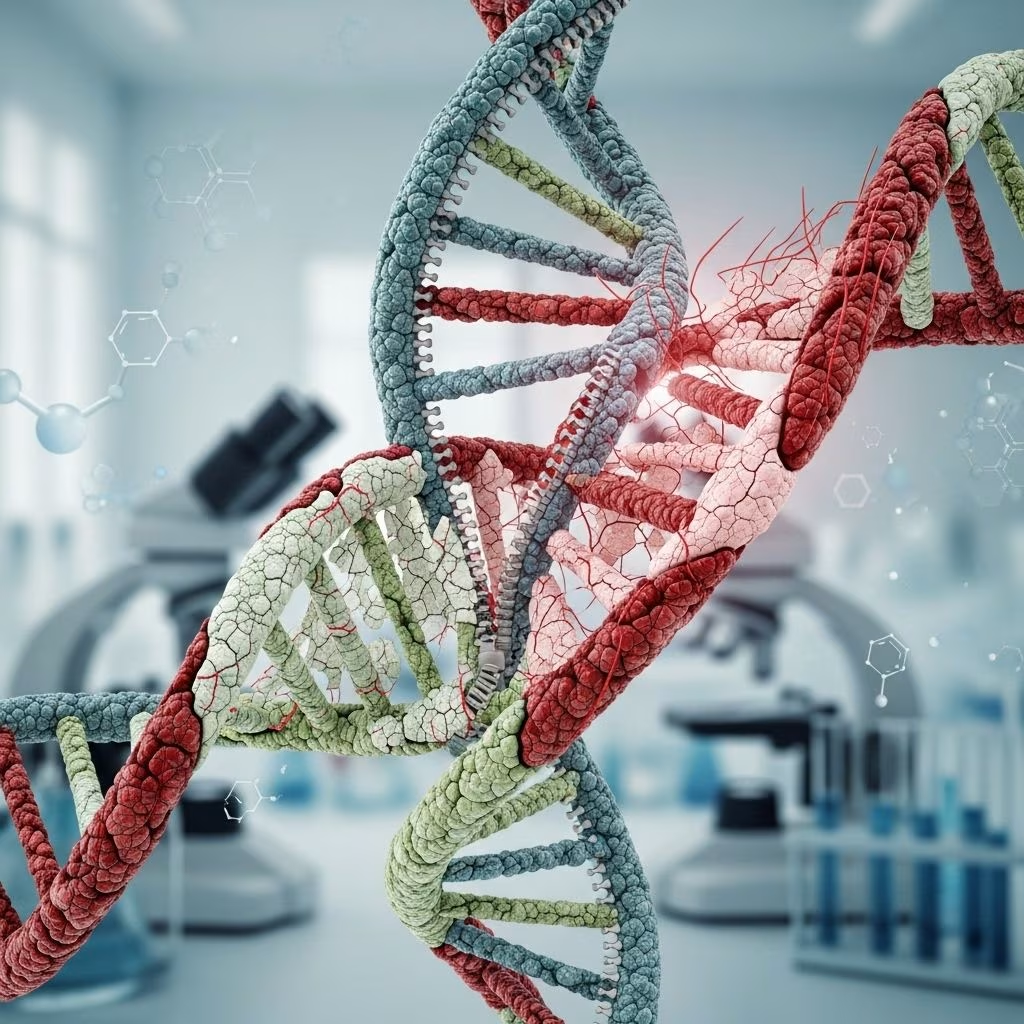
Unraveling the Genetic Link: Eczema, Psoriasis, and Ichthyosis
- Introduction
- Skin Barrier Structure and Its Genetic Basis
- Eczema and Its Inherited Genetic Predisposition
- Ichthyosis: Types and Underlying Mutations
- Psoriasis: Genetics, Triggers, and Skin Pathology
- Shared Genetic Pathways and Clinical Overlap
- Clinical Implications and Management
- Future Directions in Research
- Frequently Asked Questions (FAQs)
Introduction
Chronic skin disorders such as eczema, psoriasis, and ichthyosis affect millions worldwide. These conditions not only cause discomfort and social stigma, but can also serve as windows into the complex role genetics play in health and disease. Recent research has highlighted overlapping genetic mutations — notably in the filaggrin gene — as central to the pathogenesis of eczema and ichthyosis, and offers insights into the partly-shared genetic underpinnings of psoriasis. This article explores the genetic relationships among these disorders, emphasizing shared pathways, risk factors, and future avenues for research and treatment.
Skin Barrier Structure and Its Genetic Basis
The skin barrier, particularly its outermost layer called the epidermis and its key protein components, is central to the development of many skin disorders. A functional skin barrier prevents water loss, protects against pathogens, and reduces allergen penetration. Key proteins involved include:
- Filaggrin: Crucial for barrier formation and hydration of the stratum corneum. Loss-of-function mutations affect skin integrity.
- Other regulatory proteins: Such as those governing immune signaling and keratinocyte function, which affect inflammation and cell turnover.
Genetic mutations impacting these proteins compromise skin barrier function. Individuals with such mutations are predisposed to dry, scaly skin and enhanced susceptibility to environmental allergens.
Eczema and Its Inherited Genetic Predisposition
Atopic eczema (also known as atopic dermatitis) is the most prevalent childhood skin condition, affecting up to 20% of children in industrialized nations. Symptoms include:
- Red, itchy, inflamed skin
- Scaling and dry patches
- Associated allergies (asthma, hay fever, food allergies)
The most significant predisposing genetic factor for eczema is mutation of the filaggrin gene (FLG). Up to 50% of children with moderate to severe eczema carry one or two FLG mutations. This deficiency creates a “leaky” skin barrier, increases water loss, and allows allergens to penetrate, triggering immune responses.
Other genetic factors involved in eczema include:
- Variants in immune-regulatory genes (such as those affecting cytokine signaling)
- Genes influencing cell adhesion and barrier repair
| Gene | Role in Eczema |
|---|---|
| FLG (Filaggrin) | Barrier function, hydration, allergen penetration |
| SPINK5 | Protease inhibition, barrier regulation |
| Cytokine-related genes | Immune response modulation |
Filaggrin Mutation and Eczema Risk
Mutations in the FLG gene confer a substantial risk for developing atopic dermatitis; these mutations are located within a known eczema susceptibility locus on chromosome 1. The breakdown in barrier function allows allergens to enter through the skin and elicit an immune response, fueling both the skin symptoms and systemic allergic conditions.
Ichthyosis: Types and Underlying Mutations
Ichthyosis encompasses a group of genetic skin disorders marked by dryness, scaling, and thickened skin:
- Ichthyosis vulgaris: The most common form, linked to loss-of-function mutations in FLG.
- Netherton syndrome: Involves mutation in the gene coding for SPINK5, a protein that regulates epidermal breakdown.
- Congenital ichthyoses: Include a variety of subtypes with different gene mutations, some under study for roles in inflammation and skin barrier strength.
Approximately one percent of Europeans display clinical ichthyosis vulgaris, with up to ten percent having a milder, subclinical form. These individuals often show additional signs such as keratosis pilaris, hyperlinearity of palms and soles, and an increased risk of atopic disorders.
Relationship Between Ichthyosis and Eczema
- Mutation of FLG causes both ichthyosis vulgaris and increases risk for atopic eczema.
- “Leaky” barrier function leads to overlapping symptoms: dry, scaly, itchy skin.
- Netherton syndrome patients often suffer from both ichthyosis and eczema due to unchecked epidermal breakdown.
Psoriasis: Genetics, Triggers, and Skin Pathology
Psoriasis is a chronic, immune-mediated skin condition characterized by:
- Red, scaly plaques
- Thickened skin due to rapid cell turnover
- Possible joint involvement (psoriatic arthritis)
Unlike eczema and ichthyosis, which are strongly linked to barrier-related gene mutations, psoriasis involves a complex genetic landscape. Notable points:
- Family history significantly increases risk.
- Susceptibility loci include genes related to immune regulation (e.g., HLA-Cw6) and keratinocyte proliferation.
- Recent studies explore overlap in inflammatory pathways, especially as psoriasis and eczema both represent chronic, inflammatory skin diseases.
| Disorder | Key Defect | Main Genetic Factors |
|---|---|---|
| Eczema | Barrier, allergy | FLG, immune genes |
| Ichthyosis Vulgaris | Barrier | FLG |
| Psoriasis | Immune, proliferation | HLA-Cw6, other immune genes |
Shared Genetic Pathways and Clinical Overlap
While each disorder has distinct features, advances in genetics reveal surprising overlap:
- Filaggrin mutations: Central to both eczema and ichthyosis, creating impaired barrier function and dry, itchy skin.
- Immune system dysregulation: Underlies all three conditions, resulting in chronic inflammation and, in some cases, allergic symptoms.
- Environmental interactions: Genetics combine with external factors such as allergens, irritants, and infections to manifest disease.
This overlap can present clinically as patients with one disorder being predisposed to another, or as mixed symptoms that challenge diagnosis and treatment.
The Role of Filaggrin in Pathogenesis
Filaggrin is a critical player in skin disease genetics. Its deficiency increases water loss, promotes allergen penetration, and fuels a cascade of immune and inflammatory responses. Epidemiological evidence shows filaggrin mutations are a major risk factor for eczema and ichthyosis, and may influence other barrier-related disorders.
Interactions Beyond Genes: The Skin Microenvironment
Factors that compromise the skin’s barrier — such as exposure to irritants, repeated hand washing, and environmental allergens — exacerbate genetically predisposed conditions.
- Individuals with filaggrin mutations should minimize exposure to irritants such as nickel and harsh detergents.
- Early-life exposure (e.g., neonatal contact with cats) may increase risk for atopic dermatitis.
- Smoking cessation is recommended to reduce asthma risk in affected individuals.
Clinical Implications and Management
Understanding the genetic foundations of eczema, psoriasis, and ichthyosis directly impacts clinical management:
- Diagnosis: Identifying genetic mutations (especially FLG in eczema/ichthyosis) informs prognosis and guides therapy choices.
- Targeted therapies: Research is ongoing into treatments that enhance skin barrier function and modulate immune responses.
- Preventive strategies: Avoidance of irritants, allergens, and other environmental triggers is critical, especially for those with known genetic risks.
- Personalized medicine: Genetic testing may increasingly inform decisions about biologic therapies, immunomodulators, and emollient use.
Patients and caregivers should collaborate with dermatologists experienced in genetic skin disorders to optimize both medical and practical aspects of care.
Future Directions in Research
The identification of the filaggrin gene in barrier function — and its impact on both eczema and ichthyosis — fundamentally changed dermatology research. Key frontiers include:
- Novel gene discoveries: Genome-wide association studies (GWAS) continue to identify new loci relevant to these disorders.
- Skin microbiome interactions: How bacteria and fungi influence genetically-predisposed inflammation and barrier breakdown.
- Therapeutic development: A new class of drugs aims to restore barrier integrity or modulate inflammatory pathways.
- Precision medicine: Matching therapies to each patient’s unique genetic profile.
Frequently Asked Questions (FAQs)
Q: What is the most important genetic factor in eczema and ichthyosis?
A: The most important genetic factor is mutation in the filaggrin gene (FLG), which impairs barrier function and increases risk of both conditions.
Q: Can genetic testing help diagnose these skin disorders?
A: Yes, genetic testing can identify FLG mutations and other relevant genes, guiding diagnosis and tailoring treatment strategies.
Q: Is psoriasis genetically linked to eczema and ichthyosis?
A: While psoriasis has distinct immune and proliferation–related genes, there is partial overlap in immune dysregulation; family history increases risk and common inflammatory pathways are being explored.
Q: What lifestyle changes are recommended for patients with genetic skin disorders?
A: Patients should minimize exposure to skin irritants, allergens, and tobacco smoke, maintain optimal skin hydration, and consider environmental factors such as pet exposure. Collaboration with dermatologists for individualized care is essential.
Q: Are these disorders curable?
A: Currently, these conditions are chronic and not curable. However, management through early intervention, targeted therapies, and lifestyle modifications significantly improves quality of life.
Q: Why does dry skin appear in all three disorders?
A: Barrier dysfunction—whether genetic or acquired—leads to increased transepidermal water loss, resulting in dry, scaly skin common to eczema and ichthyosis, and sometimes seen in psoriasis.
Summary
Genetic research has fundamentally shaped our understanding of eczema, psoriasis, and ichthyosis. Central to this knowledge is the discovery of filaggrin mutations as key drivers in barrier dysfunction, predisposing individuals to dry, itchy, and inflamed skin. While eczema and ichthyosis share direct genetic links, psoriasis presents overlapping immune pathways. Precise diagnosis, early management, and modern genetic insights are improving care and guiding future research for these common, chronic skin conditions.
References
- https://www.firstskinfoundation.org/eczema-and-ichthyosis
- https://pmc.ncbi.nlm.nih.gov/articles/PMC3042307/
- https://pmc.ncbi.nlm.nih.gov/articles/PMC6317863/
- https://dermnetnz.org/topics/ichthyosis-vulgaris
- https://academic.oup.com/bjd/article/175/S2/4/6616332
- https://www.dermatologytimes.com/view/study-finds-novel-pathogenic-variants-inflammatory-cytokines-and-activated-jak-stat-signaling-in-patients-with-congenital-ichthyosis
- https://eliteayurveda.com/blog/comparing-ichthyosis-vulgaris-and-psoriasis/
- https://mediatum.ub.tum.de/doc/1118210/1118210.pdf


