


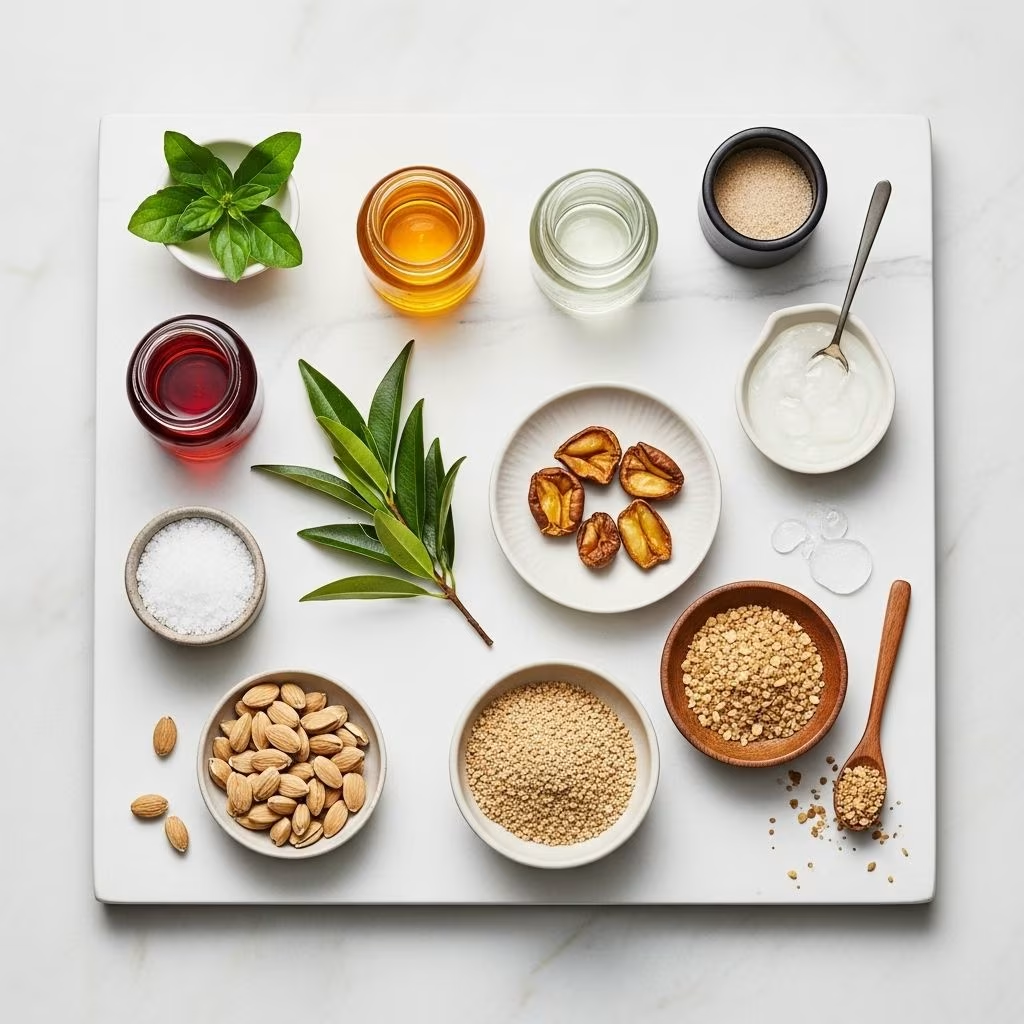
Introduction to Combination Skin
Combination skin is characterized by its dual nature, being oily in some areas, typically the T-zone (forehead, nose, and chin), while remaining dry or normal on others, often the cheeks. Managing this skin type requires a delicate balance between hydrating dry zones and controlling oil in oily areas. A well-crafted skincare routine that includes the right actives can help achieve this balance.
Understanding Actives for Combination Skin
Actives in skincare refer to ingredients that have a specific biochemical effect on the skin, such as reducing oil production, improving skin texture, or enhancing hydration. For combination skin, it’s crucial to select actives that target various concerns without exacerbating either dryness or oiliness.
Top Actives for Combination Skin
– Salicylic Acid & BHAs: These keep pores clear and reduce blackheads and whiteheads, especially in the T-zone. They are effective exfoliants that help prevent breakouts without overdrying the skin.- Azelaic Acid: Useful for reducing redness and hyperpigmentation, making it a good alternative to salicylic acid for those who are sensitive or during pregnancy/breastfeeding.- Niacinamide (2–5%): Refines pores, regulates oil production, and strengthens the skin barrier, making it ideal for addressing multiple skin concerns simultaneously.- Retinoids: Includes retinol or prescription retinoids like Adapalene or Tretinoin. These help regulate oil, smooth texture, and address breakouts and fine lines.- Vitamin C: Brightens dull skin and supports collagen production, helping to protect against premature aging.- Hyaluronic Acid & Polyglutamic Acid: Provide weightless hydration for both dry and oily zones without clogging pores.- Ceramides: Strengthen the skin barrier, preventing over-dryness in dry areas without clogging oily zones.- Zinc PCA: Known for balancing sebum and reducing the appearance of enlarged pores, giving a matte finish.
Daily Skincare Routine for Combination Skin
### Morning Routine
In the morning, focus on protecting your skin from environmental stressors while maintaining hydration and a shine-free complexion.
– 1. Cleanser: Use a gentle, hydrating cleanser that won’t strip your skin of its natural oils. Look for ingredients like salicylic acid or niacinamide to regulate oil production and moisturize dry areas.- 2. Toner: Opt for a lightweight, alcohol-free toner containing hyaluronic acid or glycerin to balance skin moisture. For occasional use, a toner with AHAs or BHAs can help exfoliate and prevent breakouts.- 3. Serum: Choose a lightweight serum with vitamin C or niacinamide to regulate oil and enhance skin brightness.- 4. Moisturizer: Use a light, non-greasy moisturizer that hydrates your skin without clogging pores. Gel-based or water-based moisturizers are ideal, containing ingredients like hyaluronic acid and glycerin.- 5. Sunscreen: Apply a broad-spectrum sunscreen with SPF 30 or higher. Opt for lightweight, non-greasy formulas that won’t exacerbate oiliness.### Evening Routine
At night, focus on deep cleansing and repairing your skin while addressing specific skin concerns.
– 1. Double Cleanse: Begin with a cleansing balm or oil to remove makeup and sunscreen, followed by a gentle foaming cleanser to thoroughly clean the skin.- 2. Actives: Use retinol or prescription retinoids to address oil regulation, fine lines, and breakouts. Start with a lower frequency (2–3 times a week) to avoid purging.- 3. Moisturizer: Apply a slightly richer moisturizer at night to restore hydration and prevent water loss. Use a layered approach by applying a gel moisturizer all over and enriching dry patches with a nourishing cream.- 4. Optional Treatments: Consider using spot treatments for areas of concern, such as acne or hyperpigmentation, and finish with a gentle massage to enhance product absorption.
Weekly Skincare Routine
– Exfoliation: Perform chemical exfoliation 2–3 times a week using AHAs or BHAs to keep pores clear and skin texture refined.- Masks: – Active Mask: Use once a week, opting for a gentle enzyme or AHA/BHA mask to exfoliate and decongest pores. – Hydrating Mask: Apply a hydrating mask with ingredients like niacinamide, centella, or hyaluronic acid to nourish and protect the skin barrier weekly or as needed.
Managing Combination Skin Challenges
– Shine Control: Incorporate products containing silica or starch powders for a matte finish in oily areas.- Hydration: Ensure that dry areas receive adequate moisture without clogging pores by using lightweight, oil-free products.- Acne and Breakouts: Use salicylic acid or retinoids to address acne-prone areas without drying out the rest of the skin.
Frequently Asked Questions (FAQs)
Q: What are the best actives for combination skin?
A: Salicylic acid, niacinamide, retinoids, vitamin C, and hyaluronic acid are among the top actives for addressing multiple combination skin concerns.
Q: How often should I exfoliate combination skin?
A: Exfoliate 2–3 times a week using chemical exfoliants like AHAs or BHAs to maintain skin clarity without over-drying or irritating the skin.
Q: Can I use heavy oils on combination skin?
A: It’s best to avoid heavy oils in the morning routine as they can exacerbate oiliness in the T-zone and lead to clogged pores. Instead, opt for lightweight, oil-free products.
Conclusion
Managing combination skin requires a thoughtful approach to balancing hydration and oil control. By incorporating the right actives into your skincare routine and maintaining a consistent AM and PM regimen, you can achieve a radiant and balanced complexion.
References
- https://www.lancome.in/en_IN/beauty-magazine/skincare-blogs/skincare-routine-for-combination-skin.html
- https://cityskinclinic.com/the-skincare-routines/combination-skin/
- https://pmdbeauty.com/blogs/pmd/creating-a-skincare-routine-for-combination-skin-your-complete-guide
- https://www.nordstrom.com/browse/content/blog/combination-skin-care-routine
- https://www.cerave.com/skin-smarts/skincare-routines/a-balanced-skincare-routine-for-combination-skin
- https://www.sephora.com/beauty/skincare-for-combo-skin
- https://www.oneskin.co/blogs/reference-lab/combination-skin
- https://www.theinkeylist.com/blogs/news/our-guide-to-combination-skin


