


What Is Skin Cycling?
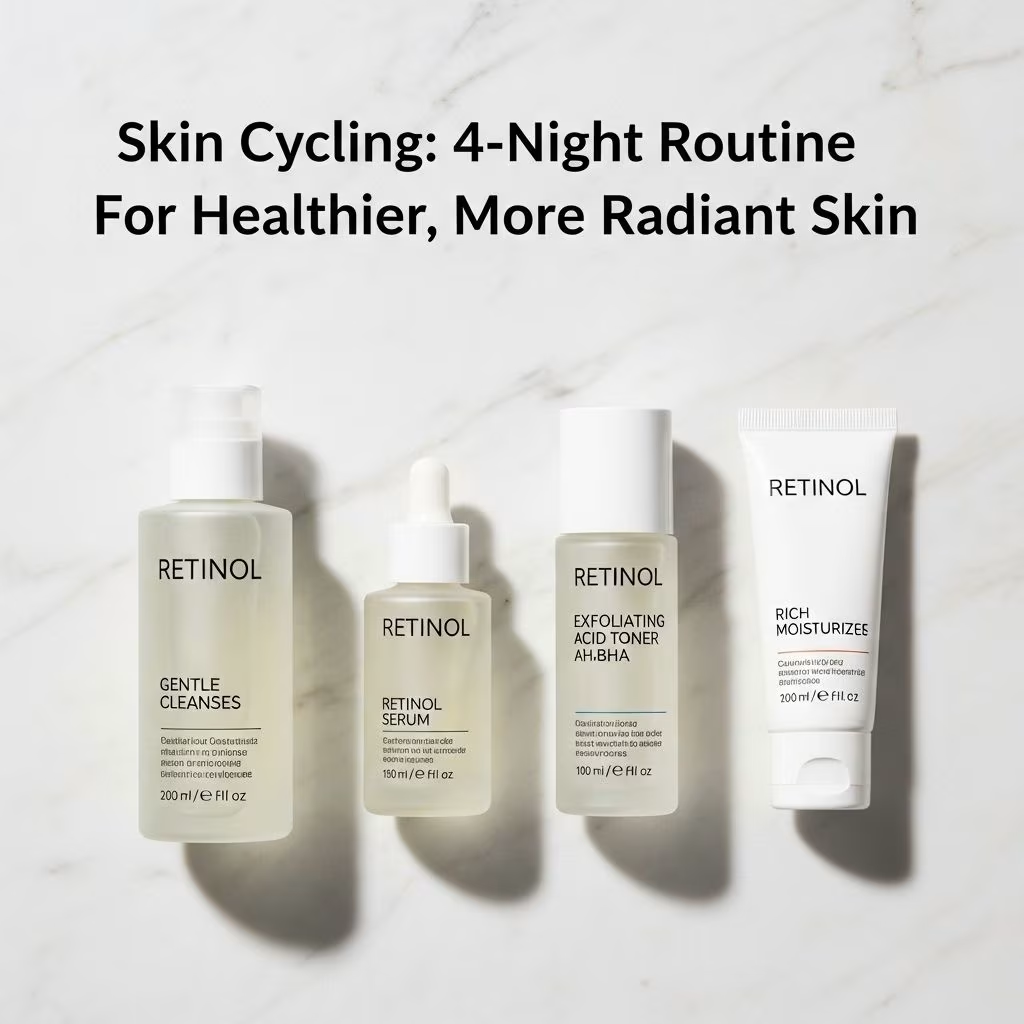
Skin cycling is a strategic, multi-night skincare routine that helps you safely integrate powerful actives—like retinoids and exfoliants—into your regimen while minimizing irritation and supporting skin recovery. Originally popularized by dermatologist Dr. Whitney Bowe, the method alternates exfoliation, retinoid application, and dedicated nights for recovery, repeating the cycle every three to five nights. By limiting the use of actives to just two nights per cycle, your skin gets the benefits of these proven ingredients without the risk of overuse or sensitivity.
Benefits of Skin Cycling
- Reduces Irritation: By separating actives and allowing recovery nights, skin cycling significantly lowers the risk of redness, dryness, and irritation—common with daily use of potent ingredients.
- Enhances Efficacy: Skin cycling helps your skin better absorb and benefit from exfoliants and retinoids when used in manageable doses.
- Simplifies Routine: The structured approach makes it easier to follow and lessens the temptation to overload your skin with products.
- Supports Skin Barrier: Recovery nights focus on hydration and barrier repair, promoting long-term skin health and resilience.
Who Should Try Skin Cycling?
Skin cycling is especially well-suited for those who want to introduce active ingredients (exfoliants, retinoids) for the first time or who have experienced irritation from combining these actives. It’s also valuable for anyone with sensitive skin, acne-prone skin, or those looking to simplify their nighttime routine. Pregnant women should avoid retinoids but can still benefit from the structured approach for hydration and gentle exfoliation.
How to Start Skin Cycling
Begin by assessing your current skincare habits and identifying any actives you are already using. Start with a gentle cleanser, an exfoliant, a retinoid or retinol, and a moisturizer suitable for your skin type. Slowly introduce new products one at a time, and always patch test before full application to avoid unexpected reactions. Consistency is key—stick to the cycle for several weeks to see results.
Step-by-Step Skin Cycling Routine
The classic skin cycling routine follows a four-night cycle:
| Night | Focus | Key Steps |
|---|---|---|
| 1 | Exfoliation | Cleanse, apply chemical exfoliant (AHA/BHA), moisturize |
| 2 | Retinoid | Cleanse, apply retinol or prescription retinoid, moisturize |
| 3 & 4 | Recovery | Cleanse, hydrate with serums and moisturizers—no actives |
Night 1: Exfoliation
After cleansing, apply a chemical exfoliant such as glycolic acid (AHA) or salicylic acid (BHA) to remove dead skin cells, unclog pores, and improve texture. Avoid physical exfoliants like scrubs, which can be harsh and irritate the skin. Follow with a gentle moisturizer if needed.
Night 2: Retinoid Application
Cleanse your skin, then apply a pea-sized amount of retinol or prescription retinoid. These ingredients accelerate cell turnover, helping with acne, wrinkles, and uneven skin tone. If you have sensitive skin, layer your moisturizer first to buffer potential irritation. Always avoid retinoids if pregnant.
Nights 3 & 4: Hydration and Recovery
Focus solely on hydration and repairing your skin barrier. Use gentle cleansers, hydrating serums (like hyaluronic acid), and soothing moisturizers. Avoid all exfoliants and retinoids. These recovery nights are essential for preventing over-exfoliation and supporting skin health.
After completing four nights, repeat the cycle from the beginning. Consistency is crucial for seeing improvements in skin texture, clarity, and overall radiance.
Choosing the Right Products
- Cleanser: Opt for a gentle, pH-balanced cleanser suitable for daily use.
- Exfoliant: Chemical exfoliants (AHAs, BHAs, PHAs) are preferred over physical scrubs for effective yet gentle exfoliation.
- Retinoid: Start with a low-concentration over-the-counter retinol and gradually increase strength as tolerated. Prescription retinoids are more potent and should be used under dermatologist supervision.
- Moisturizer: Choose a hydrating, non-comedogenic moisturizer that suits your skin type—creamier for dry skin, lighter for oily skin.
- Serums: Hydrating serums like hyaluronic acid or polyglutamic acid can boost moisture on recovery nights.
Common Mistakes to Avoid
- Overusing Actives: Applying exfoliants and retinoids together or too frequently can lead to irritation and compromise your skin barrier.
- Skipping Recovery Nights: These nights are crucial for repair and should not be overlooked.
- Neglecting Sunscreen: Retinoids and exfoliants increase sun sensitivity. Always apply a broad-spectrum SPF during the day.
- Ignoring Skin Signs: If you experience persistent redness, burning, or peeling, scale back actives and focus on hydration.
Adjusting for Your Skin Type
- Dry/Sensitive Skin: Use milder exfoliants (lactic acid, PHA), buffer retinoids with moisturizer, and prioritize hydration on recovery nights.
- Oily/Acne-Prone Skin: Salicylic acid (BHA) is especially effective. You may tolerate more frequent exfoliation, but still include recovery nights.
- Combination Skin: Tailor your routine to different areas—gentler actives on cheeks, stronger on T-zone if needed.
Frequently Asked Questions (FAQs)
Q: How long does it take to see results from skin cycling?
A: Most people notice improvements in skin texture and clarity within 4 to 6 weeks of consistent cycling, though individual results may vary.
Q: Can I use other actives like vitamin C or niacinamide while skin cycling?
A: Non-irritating actives like vitamin C and niacinamide can be used daily, even on recovery nights, as they do not typically cause sensitivity in most people. However, potent exfoliants and retinoids should remain on their designated nights.
Q: What if I miss a night in my skin cycling routine?
A: Skip the missed night and continue as scheduled. Consistency matters more than perfection.
Q: Is skin cycling safe for all skin types?
A: Skin cycling is generally safe for most skin types when adjusted for sensitivity. If you have a skin condition (rosacea, eczema), consult a dermatologist before starting.
Q: Can I do skin cycling in the morning?
A: Skin cycling is designed as a nighttime routine. Actives like retinoids can break down in sunlight, and exfoliants increase sun sensitivity. Always use sunscreen in the morning.
Q: How do I know if my skin is irritated from skin cycling?
A: Signs of irritation include persistent redness, burning, stinging, dryness, flaking, or increased breakouts. If these occur, reduce the frequency of actives and focus on hydration.
Conclusion
Skin cycling is an evidence-based, dermatologist-endorsed approach to integrating skincare actives safely and effectively. By strategically alternating exfoliation, retinoid application, and recovery nights, you can maximize the benefits of powerful ingredients while minimizing the risk of irritation and over-exfoliation. Start with the basics, choose products suited to your skin type, and be patient—consistent, thoughtful care is the key to healthier, glowing skin.
References
- https://health.osu.edu/health/skin-and-body/skin-cycling
- https://theordinary.com/en-us/blog/skin-cycling.html
- https://www.healthline.com/health/skin-cycling
- https://www.theinkeylist.com/blogs/news/what-is-skin-cycling
- https://www.oneskin.co/blogs/reference-lab/how-to-skin-cycle
- https://www.ulta.com/discover/skin/what-is-skin-cycling-and-how-do-you-do-it
- https://bioelements.com/blogs/blog/estheticians-guide-to-skin-cycling
- https://us.rodial.com/blogs/blog/the-ultimate-guide-to-skin-cycling


