


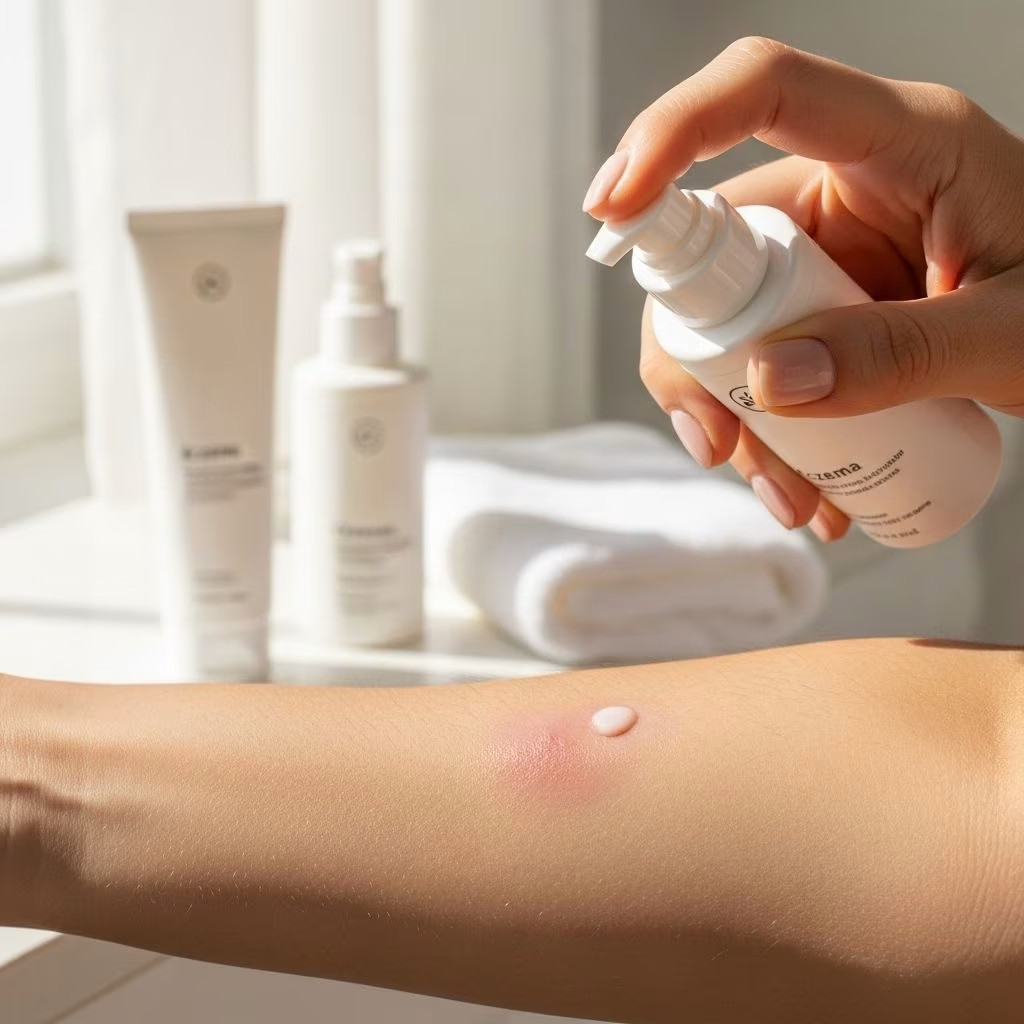
Eczema, also known as atopic dermatitis, affects millions worldwide, making skin sensitive, dry, and susceptible to flare-ups. Developing an active skincare routine tailored for eczema-prone skin is essential to reduce discomfort, soothe irritation, and strengthen the skin’s protective barrier. This comprehensive guide explores expert-recommended steps and strategies for daily care, featuring evidence-based product choices, practical application tips, and answers to common questions.
Understanding Eczema-Prone Skin
Eczema-prone skin is defined by its impaired barrier function, making it vulnerable to irritation, dryness, and environmental triggers. The key characteristics include:
- Redness, itching, and dry patches that can flare unpredictably
- A tendency to lose moisture quickly due to weakened skin barrier
- Sensitivity to soaps, fragrances, environmental factors, and stress
Managing eczema involves more than just treating flare-ups: a consistent daily routine is essential to reinforce the skin barrier and maintain comfortable, resilient skin .
Overview: Elements of an Eczema-Friendly Skincare Routine
An effective routine for eczema-prone skin is built on these pillars:
- Gentle cleansing to remove impurities without stripping moisture
- Thorough moisturizing with ingredients that repair and protect the barrier
- Sun protection with non-irritating formulas
- Targeted relief using soothing balms or treatments during flare-ups
- Avoidance of known triggers such as fragrances and harsh chemicals
The routine should be performed morning and night for consistent results .
Morning Skincare Routine for Eczema-Prone Skin
The goal every morning is to protect, soothe, and hydrate your skin, creating a foundation that shields against daily irritants.
Step-by-Step Morning Routine
- Gentle Cleansing: Use a fragrance-free, hydrating cleanser designed for sensitive skin. Avoid foaming cleansers, sulfates, and strong soap .
- Wash face and body with lukewarm water (never hot), patting dry with a soft towel rather than rubbing.
- Moisturizing Immediately: Within 3 minutes of cleansing, apply a rich, fragrance-free moisturizer with ingredients like ceramides, glycerin, shea butter, or colloidal oatmeal. Applying to damp skin helps lock in hydration .
- Choose creams or ointments over lotions, as they offer more hydration and protection.
- Soothing Any Irritation: If redness or itching appears, use a cooling cream or cold compress. Eczema creams containing colloidal oatmeal can provide fast relief .
- Apply Sunscreen: Finish with a mineral (physical) sunscreen, SPF 30 or higher, formulated for sensitive skin. Choose zinc oxide or titanium dioxide-based products, avoiding chemical filters like oxybenzone and octinoxate .
This routine defends against daily environmental aggressors and moisture loss.
Evening Skincare Routine for Eczema-Prone Skin
At night, focus on removing impurities, deeply moisturizing, and supporting skin repair.
- Gentle Cleansing: Repeat morning cleanser, or use a non-stripping micellar water for very sensitive skin. Remove sunscreen, makeup, and environmental irritants .
- Extra Hydration: Apply a thicker emollient or ointment to face and body, especially to areas prone to outbreaks .
- This step is vital overnight, as skin loses moisture fastest during sleep.
- Eye Care: For sensitive eye areas, gently dab a fragrance-free, hydrating eye cream.
- Hand and Body Treatment: If you have eczema on your hands or body, apply a thick restoring cream, then wear soft cotton gloves or pajamas to lock in moisture and prevent scratching during sleep .
Cleansing: Do’s and Don’ts
| Do | Don’t |
|---|---|
|
|
Short baths or showers (5-10 minutes) hydrate skin without over-drying. Always finish with immediate moisturization [10].
Moisturizing: Locking in Hydration
Moisturizing is the cornerstone of eczema management. The right technique and product can make or break your routine.
- Apply moisturizer on damp skin after bathing to trap water.
- Use thick creams or ointments (not lightweight lotions) with ingredients like ceramides, hyaluronic acid, and shea butter .
- Reapply throughout the day to dry, itchy, or flare-prone areas as needed.
- Petroleum-based ointments provide superior hydration in severe cases or over cracked skin .
Exfoliation Guidance
Exfoliation isn’t essential for eczema-prone skin and should be approached with caution:
- Limit exfoliation to once every 1-2 weeks, or avoid if you’re experiencing a flare-up.
- Opt for gentle chemical exfoliants like lactic acid in low concentrations; skip physical scrubs and brushes altogether .
- Discontinue any exfoliating products that sting, burn, or increase redness.
Sun Protection for Eczema-Prone Skin
- Select mineral sunscreens with zinc oxide or titanium dioxide for broad-spectrum defense.
- SPF 30+ is recommended for daily facial and body use.
- Avoid chemical sunscreens with ingredient triggers like oxybenzone and octinoxate .
- Test new sunscreen on a small patch before full application to check for reactions.
Targeted Body and Hand Care
Problem areas like hands, feet, elbows, and knees often need additional care:
- Use occlusive moisturizers (petroleum jelly, thick creams) before bed.
- Cover with cotton gloves or socks to intensify absorption and reduce scratching.
- Apply extra relief creams to patches of active eczema, ensuring the formulas are steroid-free for routine use (unless prescribed).
Lifestyle Tips for Flare Prevention
- Identify and avoid personal triggers: These may include fragranced products, wool, household cleaners, pollen, or certain foods.
- Use a humidifier in dry weather to maintain moisture in the air.
- Wear loose, breathable fabrics (preferably cotton or bamboo) and avoid rough or scratchy materials.
- Keep nails short to minimize skin damage from scratching.
- Manage stress with relaxation techniques, as emotional stress can exacerbate eczema symptoms.
Ingredients to Look For (and Which to Avoid)
| Recommended Ingredients | Ingredients to Avoid |
|---|---|
|
|
Frequently Asked Questions (FAQs)
Q: Can I wear makeup with eczema-prone skin?
A: Yes, but choose fragrance-free, non-comedogenic formulas, test new products on a small area, and always remove makeup completely using gentle cleansers.
Q: How often should I shower or bathe?
A: Once daily for 5–10 minutes in lukewarm water is best. Moisturize within 3 minutes of stepping out to trap hydration [10].
Q: Are topical steroids safe for daily use?
A: Steroid creams should be used only as prescribed and not as a daily moisturizer. For maintenance, stick to barrier-strengthening creams and ointments. Consult your dermatologist for persistent flares.
Q: What fabrics are best for eczema-prone skin?
A: Choose soft, natural fibers such as cotton or bamboo. Stay away from wool, polyester, or tight-fitting synthetic materials that can cause friction and trap heat.
Q: When should I see a dermatologist?
A: If your eczema worsens, doesn’t respond to over-the-counter measures, or frequently becomes infected (oozing, yellow crust, fever), seek professional care.
Summary Table: Active Routine Essentials
| Step | Action | Recommended Products/Ingredients |
|---|---|---|
| Morning |
|
|
| Evening |
|
|
Final Tips
- Keep a skin journal to track triggers and flare patterns.
- Patch-test all new products before full use to avoid reactions.
- Never skip moisturization—even when your skin feels normal.
Building an active skincare routine for eczema-prone skin means prioritizing moisture, barrier protection, and minimizing irritation. With the right daily habits, ingredients, and supportive lifestyle changes, long-term skin comfort and resilience are achievable for everyone managing eczema.
References
- https://www.laroche-posay.us/skincare-tips-and-advice/eczema-dry-skin/skincare-routine-for-eczema.html
- https://rejuvaskin.com/blogs/distributor/building-an-eczema-friendly-skincare-routine
- https://www.healthline.com/health/eczema/eczema-skin-care-routine
- https://www.aad.org/public/diseases/eczema/types/atopic-dermatitis/atopic-dermatitis-coping
- https://nationaleczema.org/blog/6-essential-products-and-ingredients-for-eczema/
- https://health.clevelandclinic.org/eczema-skin-care
- https://www.cerave.com/skincare/eczema
- https://iconic-elements.com/en/i-have-eczema-my-skin-cannot-tolerate-a-skin-routine/
- https://www.youtube.com/watch?v=D_6iwtpUar8
- https://nationaleczema.org/treatments/bathing/


