


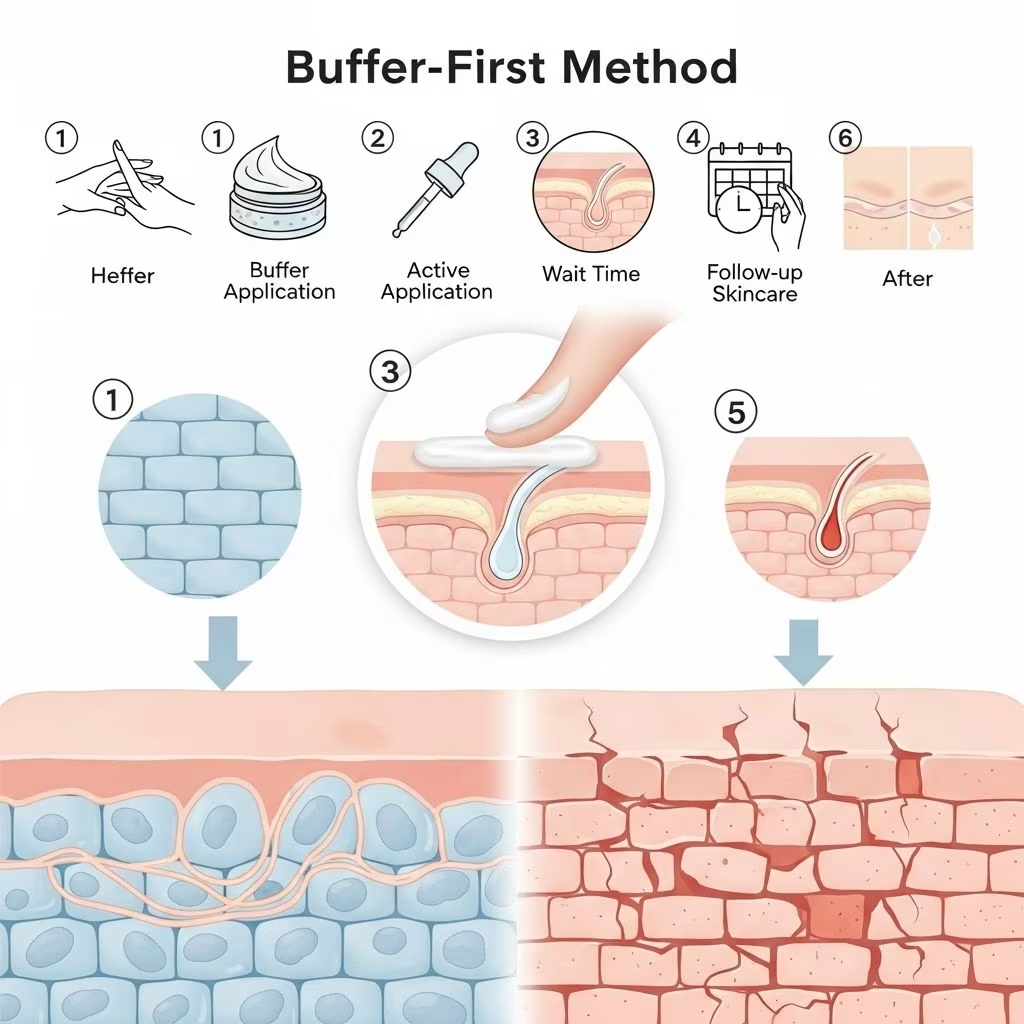
Achieving radiant and healthy skin is a delicate balance between using potent actives for visible results and maintaining the integrity of the skin barrier. As high-performance ingredients like retinoids and acids surge in popularity, so does the risk of irritation, sensitivity, and barrier compromise. The buffer-first method has emerged as a strategic approach to safely layer actives, optimizing effectiveness while protecting the skin’s vital defenses.
Understanding the Skin Barrier
The skin barrier—mainly the outermost layer called the stratum corneum—is crucial for maintaining skin health. This layer consists of corneocytes (skin cells), intercellular lipids (notably ceramides, fatty acids, and cholesterol), and natural moisturizing factors, all working together like a brick-and-mortar wall.
- Functions: Prevents moisture loss, shields against environmental aggressors (like pollution and UV), and supports a healthy skin microbiome.
- Signs of Damage: Redness, irritation, dryness, flakiness, and increased sensitivity are typical when the barrier is disrupted.
Maintaining a strong barrier is pivotal before introducing or layering potent actives to your skincare regimen.
What Are Barrier-Compromising Actives?
Barrier-compromising actives are potent skincare ingredients capable of delivering significant improvements in tone, texture, or clarity but also carry a notable risk of irritation or barrier impairment if not used properly.
- Common examples: Retinoids (retinol, tretinoin), exfoliating acids (AHAs, BHAs), benzoyl peroxide, ascorbic acid (vitamin C), and even strong niacinamide formulations.
- Risks: Overuse or incorrect layering can cause redness, dryness, peeling, increased sensitivity, and, in severe cases, conditions like dermatitis.
- Mechanisms of damage: pH disruption, excessive exfoliation, loss of lipids, and chemical reactions that destabilize the protective lipids and proteins.
The Rise of Multi-Active Skincare
With ingredient-savvy consumers demanding visible results, the trend is toward combining multiple actives in a single routine or formulation. This approach increases the risk of unwanted interactions and cumulative irritation.
- Why layer actives? To target several skin concerns at once—such as acne, hyperpigmentation, and signs of aging.
- Main challenge: Balancing efficacy with tolerance to prevent triggering sensitivities or chronic inflammation.
- Industry response: Growth in ‘active calm’ products that promise strong results while respecting barrier integrity.
Challenges of Layering Actives
When layering actives, especially those that are harsh or incompatible, consumers and formulators face several challenges:
- Ingredient incompatibilities: Some actives destabilize, neutralize, or reduce the efficacy of others when used together (e.g., vitamin C with niacinamide, or retinoids with AHAs/BHAs).
- pH conflicts: Many actives are only effective within narrow pH ranges; mismatched layering can deactivate them and irritate the skin.
- Cumulative irritation: Layering too many strong actives, or using them too frequently, increases the risk of compromise.
- Formulation stability: Some ingredients may react or degrade when combined, resulting in poor texture, separation, and shortened shelf life.
- Barrier damage: Stripping cleansers, harsh surfactants, and overuse of actives all contribute to a weakened barrier.
The Buffer-First Method: Principles & Practice
The buffer-first method involves applying a barrier-supportive, non-active layer—known as a buffer—before introducing strong active ingredients. This buffer acts as a safety net, helping to slow down the penetration of the actives, dispersing their concentration, and reducing overall irritation.
- What does buffering achieve?
- Reduces risk of acute irritation and long-term barrier impairment.
- Helps maintain the integrity of the lipid matrix and maintain hydration.
- Ensures more even and tolerable results from strong actives.
- Who should use it? Anyone with sensitive, dry, or previously compromised skin, or those new to strong actives.
Buffering is especially critical when layering ingredients like retinoids, AHAs/BHAs, and benzoyl peroxide—either with each other or with other potentially irritating products.
Step-by-Step Guide to Buffering Actives
- Cleanse gently: Use a mild, non-stripping, pH-balanced cleanser to avoid pre-irritating the skin.
- Apply buffer: Use a thin layer of a neutral moisturizer, hydrating serum, or barrier ointment (petrolatum-free for oily types) on clean skin.
- Wait a minute or two: Let the buffer settle and partially absorb (but not fully dry) for optimal diffusion.
- Introduce actives: Apply your barrier-compromising active (retinoid, acid, etc.) over the buffer.
- Finish with moisturization: Seal the actives in with an additional layer of moisturizer or a suitable occlusive for overnight protection.
- Sun protection: In the morning, always follow up with SPF to shield the vulnerable, exposed skin.
Choosing Effective Buffering Ingredients
The effectiveness of the buffer depends on its compatibility with your active ingredients and your skin type. The best buffering agents have the following characteristics:
- Neutral pH (ideally between 5-7 to match healthy skin)
- Non-occlusive and non-comedogenic for those with acne-prone or oily skin
- Hydrating and replenishing lipids to reinforce the barrier
- Common buffers: Lightweight moisturizers (glycerin, hyaluronic acid), barrier creams (ceramides, squalane, cholesterol), and calming serums (panthenol, allantoin, bisabolol, colloidal oatmeal).
Look for fragrance-free, minimal-ingredient options for maximum tolerance.
Key Formulation and Layering Tips
- Pair actives with biomimetic, barrier-supportive ingredients: Modern formulations combine growth factors, ceramides, and NMFs to calm irritation and rebuild the lipid matrix, reducing trans-epidermal water loss (TEWL).
- Limit the number of strong actives per routine: Focus on targeted outcomes and avoid overcomplicating; too many actives compound risk.
- Alternate actives rather than layering: Use one active at night and another in the morning, or space them out by several days。
- Patch test new routines: Especially when introducing new actives or buffer products, test to avoid delayed hypersensitivity or allergy.
- Monitor skin response and adjust as needed: If redness, tingling、 or peeling develops, scale back use and prioritize barrier repair agents。
Common Mistakes to Avoid
- Skipping the buffer: Applying strong actives directly to bare, freshly cleansed skin increases absorption and risk of irritation。
- Using harsh cleansers: Over-cleansing strips lipids and primes skin for more severe active-induced damage。
- Combining incompatible actives: Ascorbic acid with niacinamide, benzoyl peroxide with retinoids, and overuse of exfoliating acids are notorious for trouble。
- Ignoring recovery signs: Persisting with actives through itching, burning, or visible barrier damage escalates the risk of long-term sensitivity。
- Inadequate sun protection: Many actives heighten photosensitivity; always use SPF in the morning。
Table: Common Actives and Buffering Pairings
| Active Ingredient | Potential Barrier Risks | Recommended Buffer | Best Practices |
|---|---|---|---|
| Retinoids (Retinol, Tretinoin) | Dryness, flakiness, redness | Ceramide-rich cream or hyaluronic-based serum | Apply buffer before and after; introduce slowly |
| Exfoliating Acids (AHA, BHA) | Irritation, barrier weakening | Glycerin-based moisturizer, panthenol serum | Start with infrequent use; layer buffer immediately after |
| Benzoyl Peroxide | Peeling, inflammation | Squalane or niacinamide lotion | Buffer before active to reduce drying |
| Ascorbic Acid (Vitamin C) | Sensitization, pH disruption | Lightweight hydrating serum (no conflicting actives) | Use on alternate days from retinoids/acids |
| Niacinamide (at high dose) | Mild irritation, flushing | Simple moisturizer, colloidal oatmeal cream | Layer as last step, or dilute when starting out |
Frequently Asked Questions (FAQs)
Q: What is the most important rule when layering barrier-compromising actives?
A:Always prioritize skin barrier health before and during the use of strong actives. Employ the buffer-first method and monitor for any signs of irritation. A compromised barrier hinders results and increases sensitivity to future actives.
Q:Can all skin types benefit from buffering?
A:Yes, but those with sensitive, dry, or already compromised skin will see the most benefit. Oily or acne-prone skin should use lightweight, non-comedogenic buffers.
Q:How long should I wait after applying a buffer before using an active?
A:Usually 1–3 minutes—let the buffer absorb, but not fully dry. This allows some controlled diffusion of the active without complete occlusion.
Q:Are there actives that should never be layered, even with buffering?
A:Yes. Some ingredient combinations—such as retinol and benzoyl peroxide, or vitamin C and high pH products—should be used on alternating days or different routines entirely.
Q:What should I do if my skin becomes irritated even when buffering?
A:Discontinue all actives immediately. Focus on repair with ceramide-rich moisturizers, calming agents (like colloidal oatmeal, panthenol, and allantoin), and SPF. Resume actives only when skin returns to baseline comfort.
Conclusion
The buffer-first approach is a cornerstone of safe and effective modern skincare when using potent, barrier-compromising actives. By understanding your skin’s needs, selecting compatible buffers, and respecting the power of actives, you can enjoy the best of performance skincare with minimal risk. Barrier health and visible results are not mutually exclusive if you layer with intention.
References
- https://chemistconfessions.com/blogs/skin-barrier-repair
- https://www.letsmakebeauty.com/blog/post/skincare-ingredients-that-should-not-be-used-together
- https://www.cosmeticsandtoiletries.com/cosmetic-ingredients/balancing-soothing/article/22946227/expert-opinions-on-compromised-and-sensitive-skin-care-barrier-resilience-dermocosmetics-biomimetic-multifunctional-and-more
- https://formulabotanica.com/healthy-skin-barrier-guide/
- https://artofskincare.com/blogs/learn/top-10-ingredients-for-repairing-a-compromised-skin-barrier
- https://pmc.ncbi.nlm.nih.gov/articles/PMC5608132/
- https://www.crodabeauty.com/en-gb/resources/blog/unlocking-the-power-of-ceramides-skin-barrier-solutions-and-formulation-insights
- https://www.susannekaufmann.com/blogs/journal/spotlight-on-the-skin-barrier
- https://www.healthline.com/health/skin-barrier


