


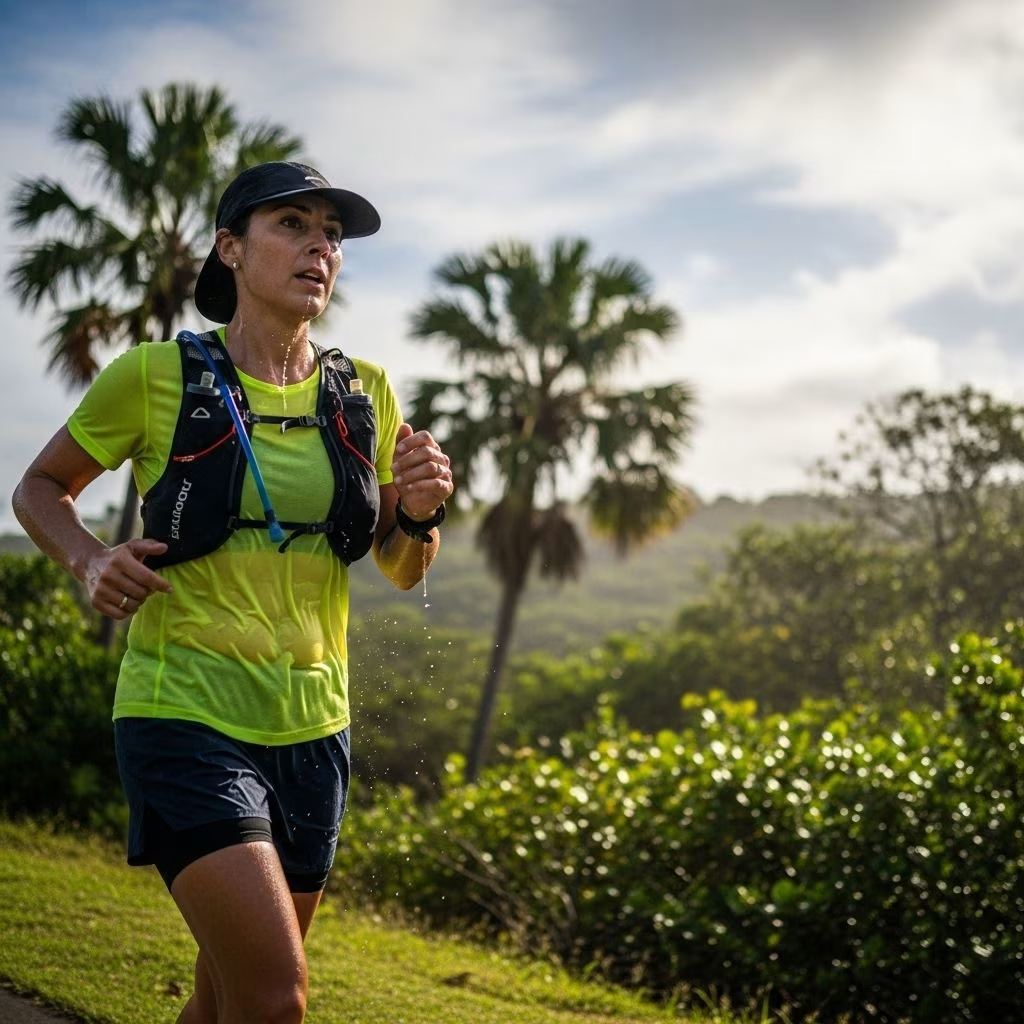
Exercising in hot and humid weather challenges both seasoned athletes and casual fitness enthusiasts. The combined stress of high temperatures and elevated humidity demands a strategic approach to safeguarding health and maximizing the effectiveness of outdoor activity. This comprehensive guide provides actionable routines, adaptation strategies, and essential safety advice for staying active in even the stickiest weather conditions.
Understanding Hot and Humid Weather
Hot weather is defined by elevated ambient temperatures, often 85°F (29°C) and above. Humidity refers to the moisture content in the air, measured as a percentage; relative humidity above 60% substantially affects comfort and safety during physical activity.
Humidity makes a given air temperature feel hotter, a phenomenon captured by the ‘heat index.’ For instance:
- A 90°F day with 50% humidity feels like 95°F.
- The same temperature with 80% humidity feels like 113°F.
This reduced rate of sweat evaporation leads to decreased effectiveness of your body’s natural cooling mechanism, making it crucial to factor both heat and humidity into workout planning.
Why Exercise Feels Harder in Heat and Humidity
When you exercise, your muscles generate heat. Your body cools itself by moving more blood to the skin and producing sweat. In high humidity, sweat fails to evaporate efficiently, resulting in higher core temperature, increased heart rate, and greater perceived effort for the same level of work.
- Your heart works harder to direct blood to your skin for cooling.
- Reduced sweat evaporation raises risk of overheating.
- Electrolyte loss through sweat becomes pronounced.
Over time, and with acclimatization, some athletes develop adaptations such as improved cardiovascular fitness and more efficient sweating, but caution is always essential when conditions are extreme.
Risks of Exercising in Hot and Humid Weather
Exercising in hot and humid weather increases the risk of several heat-related illnesses, ranging from mild to life-threatening:
- Dehydration: Loss of fluids impairs performance and can lead to confusion, dizziness, or collapse.
- Heat cramps: Painful muscle spasms due to significant electrolyte loss.
- Heat exhaustion: Fatigue, nausea, profuse sweating, headache, rapid pulse; requires prompt cooling and hydration.
- Heat stroke: A medical emergency marked by confusion, loss of consciousness, and high body temperature; call emergency services immediately.
High-risk groups include older adults, children, those with heart disease or chronic conditions, and individuals unacclimated to the heat.
Preparation: Pre-Workout Tips
- Consult your doctor if you have any underlying health conditions (heart disease, diabetes, recent illness, or medication affecting fluid balance).
- Check the weather forecast—especially the heat index—to determine whether outdoor activity is advisable.
- Plan your activity window: Early morning (before 9 a.m.) or later evening (after 6 p.m.) helps avoid peak heat and UV.
- Prepare water or electrolyte drinks in advance.
- Inform someone about your workout plans and expected return time if exercising alone.
The Active Routine: Structure for Safe Exercise
Building an active routine for hot and humid weather requires flexibility and awareness. Here’s an optimal structure for maximizing safety and benefits:
- Warm-Up (5–10 minutes): Gentle dynamic movements to slowly raise your heart rate and allow your body to begin thermoregulation. Include arm circles, leg swings, brisk walking, or light jogging.
- Main Activity (20–40 minutes): Choose lower- to moderate-intensity aerobic activities (walking, cycling, swimming, yoga) or alternate intervals of activity with short breaks.
- Hydration Breaks: Pause every 10–15 minutes for small sips of water or electrolyte drinks, regardless of thirst.
- Cool Down (5–10 minutes): Slow your activity gradually, stretch major muscle groups, and move into the shade or a cooler environment as soon as possible.
Keep sessions shorter than usual, especially during initial exposure to hot weather. Gradually increase duration and intensity over several weeks to allow acclimatization.
Hydration and Nutrition Strategies
Hydration is non-negotiable in hot climates. Here’s how to keep your body functioning optimally:
- Drink 16–20 oz (about 500–600 mL) of water 2–3 hours before your workout.
- During exercise, sip water or electrolyte drinks every 10–15 minutes. For sessions longer than 60 minutes or very heavy sweating, add electrolytes.
- After your workout, rehydrate with water and a balanced snack containing carbohydrates, protein, and salt to support recovery.
Avoid alcohol and caffeine prior to outdoor activity; both can contribute to dehydration. Thirst is not a reliable indicator—drink preventively.
Choosing the Best Time and Place
- Timing: Avoid midday (12 p.m.–3 p.m.) when sun and heat peak. Aim for sunrise or late evening workouts.
- Location: Prefer shaded parks, forested trails, or routes with breezes. If possible, alternate between indoor and outdoor spaces to manage temperature exposure.
- Plan B: Move your workout inside if heat index or humidity climbs above 90°F and 80% respectively.
Attire and Gear for Hot, Humid Conditions
| Item | Recommendation |
|---|---|
| Clothing | Lightweight, loose, and light-colored. Prefer moisture-wicking synthetics or technical fabrics over cotton. |
| Hat/Visor | Protects face and eyes; choose breathable, wide-brimmed styles. |
| Sunscreen | Use broad-spectrum, water-resistant (SPF 30+). Reapply every two hours or after heavy sweating. |
| Sunglasses | UV-blocking lenses to reduce glare and eye strain. |
| Shoes | Breathable mesh, designed for quick-drying comfort. |
| Hydration Tools | Carry a water bottle, hydration pack, or belt for easy sipping during your activity. |
Listening to Your Body: Warning Signs
Pay attention to early symptoms of heat-related stress so you can intervene quickly:
- Intense or unusual fatigue
- Dizziness or fainting
- Flushed or damp skin, or conversely, cessation of sweating
- Rapid pulse, vomiting, confusion, irritability
- Muscle cramps or tightness
If symptoms appear:
- Stop exercising; move to shade or air conditioning immediately.
- Hydrate with cool water or electrolyte fluids.
- If condition does not improve or worsens (especially confusion or unconsciousness), seek emergency medical help at once.
Adapting Intensity and Type of Activities
- Lower intensity: Reduce duration, speed, and resistance to account for heat stress. For example, walk instead of run, or cycle at a gentler pace.
- Interval training: Alternate short bursts of effort with longer periods of rest or gentle movement.
- Water exercises: Swimming, water aerobics, or paddleboarding offer full-body workouts with natural cooling.
- Indoor activities: If heat or humidity is extreme, switch to treadmill walking, indoor cycling, elliptical machines, or group fitness classes in air-conditioned spaces.
- Cross-training: Alternate between different activities throughout the week to avoid repetitive strain and keep motivation high.
Cooling Down and Recovery
- Slow your pace and move to a cooler environment immediately after finishing.
- Use cool, damp towels, take a tepid shower, or immerse arms/feet in cool water.
- Elevate your feet and focus on deep, slow breathing to help your heart recover.
- Continue to hydrate and refuel with balanced meals; replace lost electrolytes if you experienced heavy sweating.
Allow extra rest between hard sessions during prolonged heat spells to reduce risk of cumulative fatigue or illness.
Frequently Asked Questions (FAQs)
Q: Can I build fitness in hot and humid weather?
A: Yes, if you take precautions. Gradual acclimatization can improve your body’s cooling mechanisms and cardiovascular fitness, though performance may initially feel lower due to thermal stress.
Q: What’s the best drink for hot-weather exercise—water or sports drink?
A: For sessions under an hour, water is generally sufficient. For longer, high-intensity, or high-sweat workouts, a sports drink with electrolytes helps replace sodium and prevent cramps.
Q: What are the signs of heat exhaustion versus heat stroke?
| Heat Exhaustion | Heat Stroke |
|---|---|
| Heavy sweating, weakness, cold/clammy skin, headache, nausea, dizziness, fast/weak pulse | No sweating, hot/dry/red skin, confusion, rapid pulse, unconsciousness, body temp above 104°F/40°C (medical emergency) |
Q: Is it better to work out indoors when it’s humid?
A: If the heat index is above 90°F or humidity exceeds 80%, it is safer to move your workout indoors to minimize risk.
Q: Can children and older adults exercise safely in the heat?
A: These groups are more vulnerable and require extra caution. Choose cooler hours, reduce intensity, and ensure close supervision and regular hydration.
Final Tips for Active Living in the Heat
- Embrace flexibility—adapt your plan as weather changes
- Buddy up—a partner improves safety, motivation, and accountability
- Allow at least 10–14 days for full acclimatization when summer heat first arrives
- Maintain motivation by exploring varied activities, from swimming to indoor cycling to group fitness classes
- Never ignore warning signs; err on the side of caution to keep exercise safe and enjoyable in every season
References
- https://www.hackensackmeridianhealth.org/en/healthu/2023/09/18/is-it-safe-to-work-out-in-humid-weather
- https://www.texashealth.org/newsroom/News-Releases/2024/Tips-for-Exercising-in-Texas-Heat-Humidity
- https://bastyrclinics.org/about/news/beat-heat-how-exercise-safely-and-stay-hydrated-hot-weather
- https://www.heart.org/en/healthy-living/fitness/getting-active/how-to-stay-active-in-warm-weather
- https://www.trainingpeaks.com/blog/why-its-harder-to-exercise-in-humid-conditions/
- https://www.massgeneral.org/orthopaedics/sports-medicine/womens-sports-medicine/heat-and-humidity


