Fascinating Fun Facts About Rottweilers
Rottweilers, commonly referred to as Rotties, are much more than their powerful build and commanding presence; they possess a deep history, remarkable versatility, and loyal, loving personalities. Ranked among the most popular dog breeds in the United States, Rottweilers have been known as diligent workers, vigilant protectors, and affectionate companions. This article delves into their ancient lineage, enduring roles, and memorable traits for a comprehensive view of what makes the Rottweiler truly special.
Contents
- Rottweilers Descend From Ancient Roman Dogs
- Rottweilers’ Drover Heritage
- Rottweilers as Money Guardians
- The Evolution of the Breed
- Modern Roles of Rottweilers
- Physical Characteristics of Rottweilers
- German vs. American Rottweilers
- The Rottweiler Personality
- Caring for Rottweilers
- Frequently Asked Questions (FAQs)
Rottweilers Descend From Ancient Roman Dogs
Rottweilers trace their ancestry to the hardy herding dogs accompanying the Roman legions two millennia ago. Bred from mastiff-type dogs in Asia and favored by the Romans for their strength and intellect, these dogs were entrusted with guiding and protecting livestock—vital sustenance for ever-expanding armies. As the Romans moved across Europe, their dogs interbred with local canines, producing robust, loyal animals distinguished for reliability and vigor.
Key Points
- Ancient Legacy: Rottweilers are considered one of the oldest existing dog breeds.
- Roman Roots: Their lineage can be directly traced to Roman herding and guard dogs.
- Evolution in Germany: After the Romans settled in southern Germany, the breed evolved further, particularly in the town of Rottweil.
Rottweilers’ Drover Heritage
Throughout history, Rottweilers were often called ‘drovers’—a term referring to dogs that herd livestock over long distances. As armies traveled, Rottweilers proved indispensable in gathering and guiding cattle and sheep, ensuring the military had fresh provisions en route. This crucial livestock moving role not only highlighted their intelligence but also their steadiness under pressure.
- Livestock Herding: Rottweilers efficiently directed cattle, making them essential in agricultural and military contexts.
- Adaptability: Their herding skills persist in modern canine sports and competitive herding events, where they rival traditional shepherd breeds.
- Endurance: Their physical strength and stamina enabled them to keep pace over challenging terrain.
Rottweilers as Money Guardians
Rottweilers’ reputation as vigilant guardians stemmed from their distinct ability to protect more than livestock. In rural German markets centuries ago, butchers—known locally as Metzgers—would entrust their earnings to these formidable dogs. The tradition involved tying a purse containing money around the dog’s neck. Thieves, aware of the Rottweiler’s protective nature, rarely dared to approach.
- “Metzgerhund”: The German nickname for Rottweilers—meaning “butcher’s dog”—celebrates this historic role.
- Guardian of Wealth: Their instinct to defend property and people has made them natural protectors for centuries.
- Role Expansion: In addition to herding and guarding, Rottweilers also pulled carts laden with goods to marketplace stalls.
The Evolution of the Breed
Rottweilers continued to evolve as practical working dogs in Germany. With the rise of industrialization in the late 19th century, traditional cattle driving declined, and the breed’s primary function shifted. Yet, their intelligence, courage, and adaptability enabled them to thrive in new capacities, such as police, military, and rescue work.
- Police & Military Dogs: Rottweilers were soon recruited to serve as police and war dogs due to their impressive discipline and reliability.
- Search & Rescue: Their keen nose and steady nerves made them invaluable in emergency operations—Rottweilers were among the breed dispatched in search and rescue missions after major disasters.
In 1931, the American Kennel Club (AKC) registered the first Rottweiler, highlighting the breed’s international appeal and ushering in decades of growth in North America.
Modern Roles of Rottweilers
Today, Rottweilers excel in a remarkable diversity of canine professions. While their working history is celebrated, their adaptability has allowed them to become beloved household pets, therapy animals, and competitors in multiple dog sports.
- Service Dogs: Their trainability and reliability make them effective assistance animals.
- Therapy Dogs: Rottweilers’ gentle side shines in therapy roles, providing comfort in hospitals, nursing homes, and schools.
- Sporting Stars: Rottweilers regularly compete in tracking, herding, obedience, agility, rally, and more.
- Family Protectors: Within the home, they are revered for loyalty and a watchful, protective instinct.
Physical Characteristics of Rottweilers
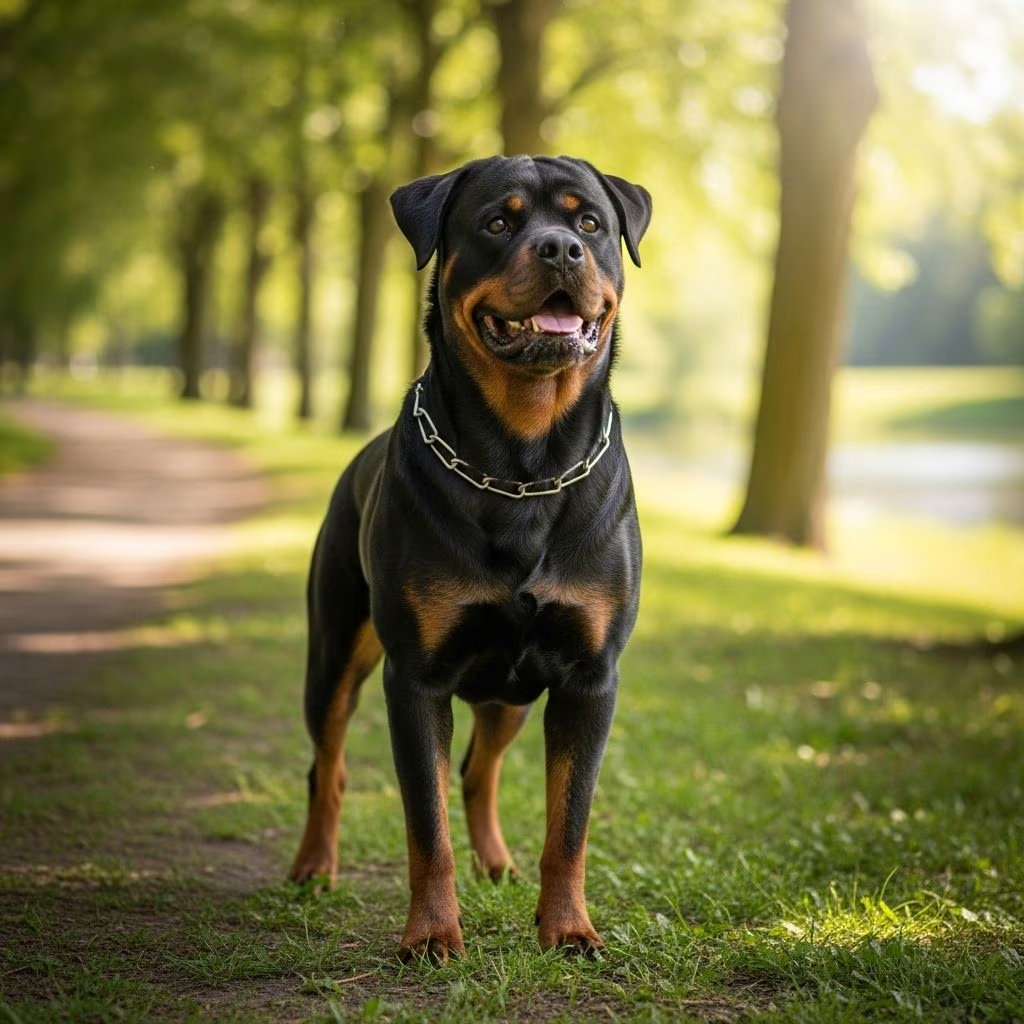
The Rottweiler stands out for its muscular frame, solid build, and unmistakable black-and-tan coat. These physical qualities not only contributed to their historical working roles but also remain central to modern breed standards.
| Trait | Characteristic |
|---|---|
| Size | Males: 24-27 inches tall, 95-135 lbs; Females: 22-25 inches tall, 80-100 lbs |
| Coat | Short, dense, and black with distinctive rust to mahogany markings |
| Body | Broad chest, powerful limbs, compact and muscular build |
| Head | Broad, with a pronounced stop and strong jaw |
| Eyes | Dark, almond-shaped, conveying intelligence and alertness |
German vs. American Rottweilers
Not all Rottweilers are created equal: depending on breeding location, notable differences exist, especially between German and American Rottweilers.
| Feature | German Rottweiler | American Rottweiler |
|---|---|---|
| Breed Standards | Strict ADRK guidelines; must pass temperament, structure, and health tests for breeding | AKC standards; emphasis on appearance, fewer breeding restrictions |
| Body Build | Larger, stockier, broad head, thick bones | More varied; often leaner and less uniform |
| Tail | Natural tail (docking banned in Germany) | Tail docking common for show; may have docked or natural tail |
| Role Emphasis | True working dogs, bred for working capabilities | Bred largely for physical standards; working capability varies |
The Rottweiler Personality
Contrary to the intimidating exterior, Rottweilers are noted for their affectionate, steady, and loyal nature. Owners frequently describe their dogs as confident and loving, forming deep bonds with their households.
- Loyalty: Rottweilers are devoted guardians, known to protect their family vigorously.
- Obedience: Biddable and eager to please, Rottweilers respond well to training and excel in obedience sports.
- Intellect: Highly intelligent, they quickly discern threatening versus playful behaviors.
- Gentleness: With responsible ownership, Rottweilers display remarkable patience and gentleness, especially around children.
- Calmness: Despite their strength, Rottweilers maintain a considered, sedate temperament, making them manageable household pets.
Caring for Rottweilers
A healthy Rottweiler requires more than exercise and affection; their dietary needs and training guidance must also be addressed for optimal well-being.
- Diet: Rottweiler puppies have large appetites and rapid growth in their first year. Consult a veterinarian to tailor feeding regimens according to age, size, and activity level.
- Exercise: Moderate to vigorous daily activity is needed to maintain muscle tone and mental stimulation.
- Training: Early socialization and obedience training are essential for balanced, well-adjusted dogs.
Frequently Asked Questions (FAQs)
Q: Are Rottweilers aggressive?
A: Rottweilers are not naturally aggressive; they are protective and calm when properly trained and socialized. Responsible ownership and early training are essential to harness their natural guarding instincts constructively.
Q: Can Rottweilers live with children and other pets?
A: Yes, Rottweilers often make excellent family pets, showing affection and patience, especially when raised with children and other animals from a young age. Proper introduction and supervision are always recommended.
Q: How much exercise do Rottweilers need?
A: Daily robust exercise is advised—long walks, playtime, training, and interactive activities. Engaging their mind is as important as maintaining their physical health.
Q: How do I choose between a German and American Rottweiler?
A: The choice often comes down to the desired role (working dog vs. show companion), preferred physical traits, and temperament. German Rottweilers are bred as working dogs with stricter health and behavioral standards; American Rottweilers offer more variety in appearance.
Q: What are common health concerns for Rottweilers?
A: Like many large breeds, Rottweilers may be susceptible to hip and elbow dysplasia, heart conditions, and certain cancers. Regular veterinary check-ups, a balanced diet, and controlled exercise can mitigate health risks.
Celebrating Rottweilers: Living Legends Among Dogs
From ancient Roman camps to modern family homes, Rottweilers have embodied strength, intelligence, and devotion across the centuries. Whether herding cattle, guarding valuables, excelling in competitive canine sports, or offering companionship and comfort, Rottweilers continue to earn admiration worldwide. Responsible training and thoughtful care reveal the gentle heart beneath the breed’s robust exterior—confirming the Rottweiler as an extraordinary member of the canine community.
References
- https://www.akc.org/expert-advice/lifestyle/fun-facts-rottweiler/
- https://www.embracepetinsurance.com/waterbowl/article/9-fun-facts-about-rottweilers
- https://www.akc.org/expert-advice/dog-breeds/rottweiler-history/
- https://animals.howstuffworks.com/pets/german-rottweiler-vs-american-rottweiler.htm
- https://www.tasteofthewildpetfood.com/articles/behind-the-breed/rottweiler/