


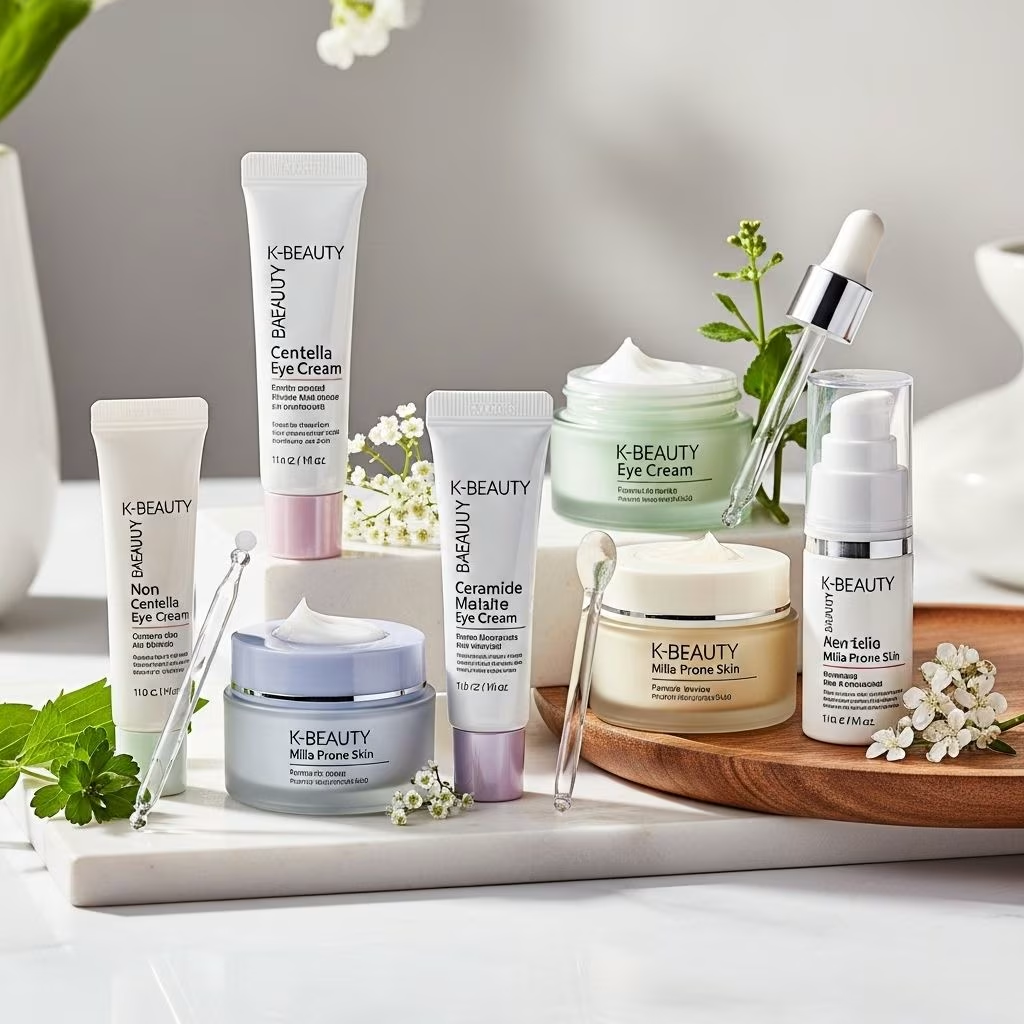
Milias—those tiny, white bumps around the eyes—can be a persistent and frustrating concern for skincare enthusiasts. While Korean beauty (K-Beauty) is celebrated for its innovative, gentle formulations, those with milia-prone skin require special consideration even within this advanced category. This in-depth guide explores the science behind milia, common triggers, and how to select and use K-Beauty eye creams that nourish without clogging pores or worsening the issue.
What Is Milia?
Milia are small, white or yellowish bumps that typically appear around the eyes, cheeks, or temples. Though often confused with whiteheads, milia are not related to acne. They form when keratin—a natural skin protein—becomes trapped beneath the surface due to slow cell turnover, buildup of dead skin, or occlusive skincare products. Milia are painless, benign, but can be persistent and often require careful management.
Common Triggers for Milia Formation
- Use of overly rich, occlusive creams (e.g., those containing vaseline or petrolatum)
- Lack of gentle exfoliation around the eye area
- Sun damage causing thickened or less flexible skin
- Genetic predisposition and certain dermatological conditions
Are K-Beauty Eye Creams Safe for Milia-Prone Skin?
K-Beauty has built its reputation on gentle, hydrating products that deliver results without harshness. However, some K-Beauty eye creams contain rich emollients or occlusives that can trigger or worsen milia in susceptible individuals. To select milia-safe K-Beauty eye creams, focus on lightweight, non-comedogenic formulas that prioritize hydration, barrier support, and gentle rejuvenation over heavy occlusion or aggressive anti-aging actions.
How Korean Skincare Philosophy Aligns with Milia-Prone Needs
- Layering Approach: Preference for thin layers and gentle build-up of hydration rather than thick, heavy creams.
- Focus on Skin Barrier Health: Use of ingredients that soothe and strengthen delicate undereye skin.
- Use of Innovative, Gentle Actives: Emphasis on mild forms of retinoids, natural antioxidants, and fermented extracts suitable for sensitive areas.
Key Ingredients to Avoid with Milia
Certain commonly used eye cream ingredients are known to contribute to milia when used by those who are prone. The primary advice is to avoid anything too thick or occlusive and ingredients that can clog pores or impede gentle cell renewal.
- Petrolatum (petroleum jelly), mineral oil, heavy waxes: These occlusive emollients can trap keratin beneath the skin’s surface.
- Heavy silicones: While providing cosmetically elegant feel, they may be too occlusive for sensitive, milia-prone skin if overused.
- Butter-rich formulas (shea/cocoa butter): Rich butters may be too much for the undereye area for those susceptible to milia.
- Thick creams: Thickness alone isn’t always a problem, but excessive emollience (especially at night) can worsen milia.
Ingredients to Look For in Milia-Safe K-Beauty Eye Creams
Opt for lightweight emulsions, gels, or serums containing the following ingredients that help restore, brighten, and refresh while minimizing risk of milia:
- Gentle Retinoids: Retinal (retinaldehyde) or bakuchiol are known for boosting cell turnover and gently resurfacing skin without the irritation of prescription retinol; retinal in K-Beauty formats is noted to be highly effective and less likely to cause problems if properly formulated.
- Fermented Extracts: Fermented black rice, ginseng, and other natural ingredients provide antioxidants and support skin strength.
- Peptides: For strengthening delicate skin and boosting elasticity without heavy buildup.
- Lightweight Humectants: Glycerin, hyaluronic acid, and panthenol deliver hydration with minimal residue.
- Soothing Botanicals: Centella asiatica, green tea extracts, and licorice root to calm and brighten.
Best K-Beauty Eye Creams for Milia-Prone Skin
Below is a comparison table of leading K-Beauty options praised for their gentle, effective formulations targeted toward milia-prone individuals, along with an overview of each product’s star ingredients and benefits.
| Product | Key Actives | Main Benefits | Texture & Suitability |
|---|---|---|---|
| Beauty of Joseon Revive Eye Serum (Ginseng & Retinal) | Ginseng root extract, Retinaldehyde (retinal), Niacinamide | Firming, brightening, anti-aging, gentle renewal | Silky, non-greasy, ideal for milia-prone and sensitive skin |
| Haruharu Wonder Black Rice Bakuchiol Eye Cream | Fermented black rice, Bakuchiol, Hyaluronic acid | Antioxidant support, wrinkle reduction, lightweight hydration | Creamy yet fast-absorbing, less irritation than retinol |
| Puriito Centella Green Level Eye Cream | Centella asiatica, Peptides, Ceramides | Soothing, barrier-support, non-comedogenic hydration | Light gel-cream, good for layering |
| Klavuu White Pearlsation Ideal Actress Backstage Cream | Niacinamide, Pearl extract | Brightening, smoothing, anti-fatigue | Gel-cream, absorbs quickly |
| Mizon Snail Repair Eye Cream | Snail mucin, Peptides, Hyaluronic acid | Regenerative, gentle, hydrating | Light gel texture, suitable AM/PM |
Spotlight: Top-Rated Product Reviews
- Beauty of Joseon Revive Eye Serum with Ginseng & Retinal: Consistently tops expert lists for milia-prone eyes due to its combination of anti-aging actives and non-irritating, lightweight formula. It is noted for visibly improving fine lines and overall moisture level within as little as 30 days.
- Haruharu Wonder Black Rice Bakuchiol Eye Cream: Praised for using bakuchiol, a natural alternative to retinol with a lower risk of irritation and buildup. It is well tolerated by those with very sensitive or easily irritated skin, while still addressing wrinkles and dark circles.
- Puriito Centella Eye Cream: A favorite for individuals dealing with irritated, easily sensitized undereye skin. It calms with centella while supporting barrier repair through peptides.
Pro Tips for Application and Layering
How you apply your eye cream and what you combine it with is as important as the product itself. The unique structure of the undereye skin—it being thinner, with fewer oil glands—means it requires extra caution and tailored care routines.
- Apply a tiny amount (no larger than a grain of rice per eye) using the ring finger to minimize tugging and pressure.
- Pat, do not rub, along the orbital bone and avoid getting product too close to the lash line.
- Use gentle chemical exfoliation once or twice a week (e.g., a PHA eye peel) to encourage healthy cell turnover but avoid harsh scrubs or daily actives near the eyes.
- Never combine heavy petrolatum/oil-based occlusives with eye creams if prone to milia. Avoid the “retinoid sandwich” method (layering with thick occlusive) in this area.
- Ensure sunscreen is applied (carefully, with a mineral or sensitive-skin formula) to help prevent new milia formation due to sun damage.
Do’s and Don’ts for Milia-Prone Skin
| Do’s | Don’ts |
|---|---|
|
|
Frequently Asked Questions (FAQs)
Q: Can using an eye cream cause milia?
A: Yes, certain eye creams—especially those with occlusive, comedogenic, or very thick formulations—can contribute to milia formation in susceptible individuals. Opt for lightweight, milia-safe K-Beauty formulas.
Q: Will retinol or retinal make milia worse?
A: Retinol can sometimes irritate sensitive eyes and worsen milia if not properly formulated. However, retinaldehyde (retinal), as found in some K-Beauty serums, and bakuchiol, are effective and generally safer for milia-prone individuals when used accordingly.
Q: Should I exfoliate the undereye area if I have milia?
A: Gentle chemical exfoliation with PHAs is recommended no more than once or twice a week to help prevent buildup. Avoid harsh scrubbing or strong acids; always patch test.
Q: Can milia go away on their own?
A: In many cases, milia resolve without intervention. Persistent or bothersome milia should be assessed by a dermatologist, who may remove them safely.
Q: What lifestyle changes help prevent milia?
A: Use only non-comedogenic eye creams, avoid sun damage with regular SPF, and ensure proper cleansing to remove all makeup and sun protection at the end of the day.
Conclusion
Choosing the right K-Beauty eye cream for milia-prone skin hinges on careful ingredient selection and a gentle, tailored skincare approach. Stick to formulas that are lightweight, non-occlusive, and packed with proven actives like ginseng, retinol alternatives, peptides, and ferment filtrates. Remember: the most beautiful results come from respecting the unique needs of your skin—especially the delicate undereye area. When in doubt, patch-test and consult a dermatologist or skincare professional.


