


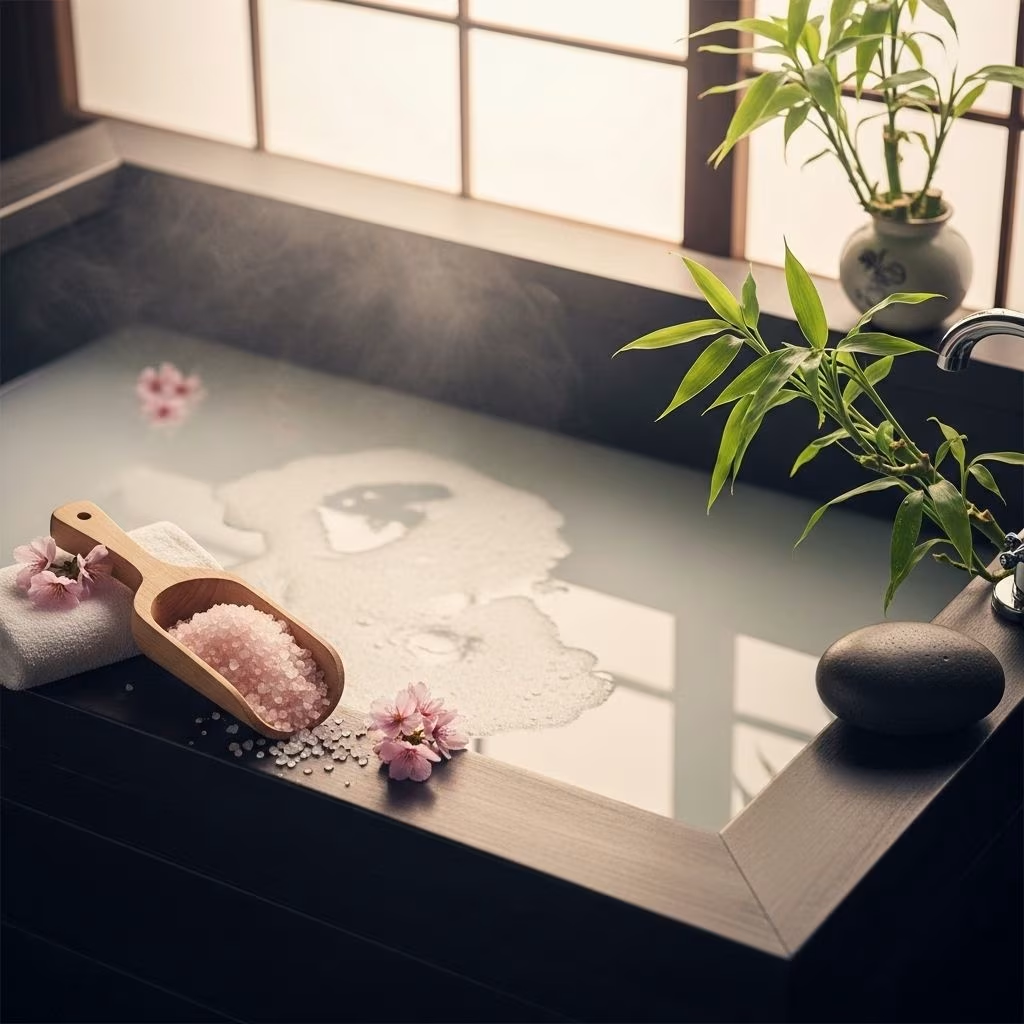
Japanese bath rituals date back centuries, rooted in the country’s volcanic landscape and reverence for natural healing. Today, the transformative power of Japanese bath salts is celebrated worldwide—for relaxation, emotional balance, and a range of skincare benefits. This comprehensive guide will explore origins, ingredients, scientific benefits, and how to use bath salts to elevate your daily wellness and beauty routine.
Introduction to Japanese Bath Culture
Japanese bathing goes far beyond simple hygiene—it is a daily meditation, a moment of sanctuary, and a source of community. The word ofuro refers to the traditional deep soaking bathtubs in Japanese homes, while onsen are the mineral-rich hot springs scattered across Japan’s volcanic terrain. Public bathhouses (sento) and onsen resorts are cultural cornerstones, with bathwater that is revered for its healing and rejuvenating effects.
Bathing in mineral-rich waters is believed to boost longevity, enhance the skin, and relax the mind. This practice is so deeply embedded that many Japanese families invest in bath powders, tablets, and salts that mimic the unique composition of famous hot springs and allow the onsen experience to be recreated at home.
Onsen and the Ritual of Mineral Baths
An onsen is a natural hot spring, geothermally heated and infused with minerals dissolved from Japan’s volcanic soil. The minerals in each onsen vary by region, but typical compositions include sulfur, silica, sodium, iron, magnesium, and calcium.
- Regional significance: Each onsen resort is known for unique mineral water—like Beppu’s diverse springs or Kusatsu’s highly acidic sulfuric baths.
- Therapeutic reputation: Bathing in these waters is said to relieve muscle aches, soothe skin, and stimulate blood flow.
- Spiritual cleansing: Purification is a core element—cleansing oneself before entering communal baths is both polite and believed to help purify the mind and body.
Japanese bath salts were developed to replicate onsen’s most prized properties, making it possible to access their restorative promise anywhere.
Understanding Japanese Bath Salts
Japanese bath salts are mineral-rich powders, crystals, or tablets crafted to mimic the relaxing and therapeutic effects of a hot spring bath. They often combine bath minerals with natural herbs, essential oils, and sometimes collagen or plant extracts.
- Bases used: Natural minerals (e.g., magnesium, sodium, sulfur, calcium)
- Botanicals: Yuzu (Japanese citrus), green tea, Japanese cypress, and cedar are common aromatics
- Additional actives: Collagen, moisturizing oils, fermented rice bran extract, and skin-calming botanicals
High-quality bath salts use authentic, unfragranced minerals and may be free from dyes or synthetic additives, making them suitable for sensitive skin.
Core Skin and Health Benefits
| Benefit | Description | Key Ingredients |
|---|---|---|
| Hydration | Minerals draw water into the outer skin layers, softening and plumping the skin. | Magnesium, calcium, silica |
| Detoxification | Enhanced sweating flushes impurities; minerals bind and remove toxins from the skin’s surface. | Magnesium, sodium, sulfur |
| Improved Circulation | Warm baths promote vasodilation, leading to better nutrient delivery and skin cell renewal. | Carbon dioxide, iron, magnesium |
| Soothing Inflammation | Minerals help calm irritation, reduce redness, and ease sensitive skin. | Magnesium, green tea, sesame oil |
| Barrier Fortification | Regular use helps build a resilient skin barrier to lock in moisture and defend against pollutants. | Inulin, plant oils, rice bran |
| Antioxidant Protection | Minerals and botanicals neutralize damaging free radicals linked to premature aging. | Sulfur, green tea, yuzu |
| Aromatherapy | Natural essential oils relax the mind, relieving stress and improving mood. | Yuzu, hinoki, lavender |
Key Minerals and Herbs in Japanese Bath Salts
- Magnesium: Soothes inflammation, relieves muscle tension, and enhances moisture retention. Essential for barrier repair and supporting healthy skin.
- Sulfur: Known for antibacterial properties and efficacy in calming eczema or acne-prone skin. Contributes to detoxification and neutralizing skin irritations.
- Calcium: Promotes skin cell turnover and increases skin elasticity.
- Silica: Softens skin and boosts its natural resilience, reducing roughness and dryness.
- Yuzu (Japanese Citrus): High in vitamin C and antioxidants; invigorates the senses, brightens and tones skin.
- Green Tea: Offers polyphenol antioxidants and soothes inflamed or sun-damaged skin.
- Japanese Cypress (Hinoki): Provides a calming scent, has antibacterial properties, and supports relaxation.
Modern formulas may also include collagen peptides, fermented extracts, and microbiome-supporting prebiotics, further enhancing elasticity and skin comfort.
Science Behind the Beauty: How Bath Salts Enhance Skin
The beauty efficacy of Japanese bath salts stems from how minerals and botanicals interact with the body. Scientific research highlights that when the skin is exposed to a warm, mineral-rich solution, the following occur:
- Increased skin permeability: Warm water gently opens pores, allowing minerals to penetrate more deeply and work their restorative magic.
- Enhanced microcirculation: Heat dilates blood vessels, boosting nutrient and oxygen delivery and accelerating cell turnover for brighter, fresher skin.
- Boost in natural moisturizing factors (NMFs): Minerals like magnesium and calcium support the synthesis of the skin’s moisturizing molecules, strengthening its defense against dehydration.
- Support for the skin microbiome: Some salts now include prebiotics and gentle botanicals designed to balance the skin’s ecology, reducing inflammation and reinforcing its natural defences.
Clinical studies corroborate these findings, showing measurable increases in skin hydration, softness, and barrier function following regular mineral bathing.
Ritual: How to Use Japanese Bath Salts Effectively
To unlock the full spectrum of benefits, intention and technique matter:
- Fill your tub with comfortably warm water (ideally 37-40°C/98-104°F). Avoid overly hot water, which can strip natural oils from the skin.
- Add 2-4 tablespoons—or the manufacturer’s recommended amount—of bath salts. Swirl gently to dissolve.
- Soak for 15-20 minutes to maximize mineral absorption and relaxation.
- Breathe deeply, letting the aromatic botanicals enhance your sense of well-being.
- After bathing, pat skin dry gently and immediately apply a moisturizer or body oil to seal in hydration.
- For best results, repeat 2-3 times weekly, especially during dry or stressful seasons.
Incorporating Bath Salts into Your Skincare Routine
Bath salts are a catalyst for better skincare results:
- Prepping the skin: The bath softens dead skin cells and primes the surface for better absorption of serums, lotions, and oils.
- Post-bath treatments: Apply hydrating or barrier-repair creams immediately after to lock in benefits.
- Weekly ritualization: Use as a reset for sensitive skin, or as a luxurious addition to self-care for glowing, resilient skin.
Choosing the Right Japanese Bath Salts
Given the variety of available products, consider these factors before purchasing:
- Skin sensitivity: Opt for unscented, dye-free formulas if you have reactive skin.
- Desired effect:
- For relaxation: Choose salts with botanicals like yuzu, hinoki, or lavender.
- For detoxification: Seek magnesium- and sulfur-rich blends.
- For hydration: Formulas with added plant oils or collagen peptides.
- Authenticity: Select brands that source minerals from renowned Japanese onsen regions or use traditional compositions.
- Quality labels: Look for products from reputable brands, free of unnecessary synthetics and with clear ingredient lists.
Comparing Japanese vs. Traditional Bath Salts
| Aspect | Japanese Bath Salts | Conventional Bath Salts |
|---|---|---|
| Mineral Content | Complex blends (sulfur, silica, magnesium, calcium, unique to region) | Often just Epsom or sea salt (mainly magnesium sulfate, sodium chloride) |
| Cultural significance | Inspired by onsen, deep heritage and ritual value | Primarily Western relaxation aid |
| Additives | Medicinal herbs, essential oils, botanicals, collagen | Occasionally perfumed or colored, fewer botanicals |
| Fragrance | Delicate, natural, often yuzu, hinoki, green tea | Varies, may be synthetic or strong |
| Skincare focus | Hydration, barrier support, anti-aging, soothing | Primarily relaxation and muscle relief |
Frequently Asked Questions (FAQs)
Q: Are Japanese bath salts safe for sensitive skin?
A: High-quality, fragrance-free Japanese bath salts are suitable for most sensitive skin types. If you have allergies or eczema, perform a patch test or use formulas specifically labeled for sensitive skin.
Q: How often should I use Japanese bath salts?
A: For visible skin benefits, soak in a mineral bath 2-3 times per week. Overuse may dry out some skin types, so find what works for your skin and schedule.
Q: Can I combine Japanese bath salts with other oils or skincare products?
A: Yes! Adding a few drops of essential oil, or applying lotion or oil after your bath, enhances skin hydration and aromatherapy benefits.
Q: Do Japanese bath salts dye or stain bathtubs?
A: Most reputable brands do not stain bathtubs, especially if they avoid artificial colors. Rinse your tub thoroughly after use with any product.
Q: Are Japanese bath salts suitable for children?
A: Many salts are safe for children, especially unscented, gentle blends. Always check the label and consult your pediatrician if uncertain.
Conclusion
Japanese bath salts offer a harmonious blend of ancient ritual and modern skincare science. Rich with minerals and authentic botanicals, they provide real, clinically supported improvements to skin texture, resilience, and radiance—while transforming your bathroom into a serene retreat. With a regular mineral bath ritual, you can achieve not only visible beauty benefits but holistic mental and emotional restoration—an echo of Japan’s timeless onsen tradition.
References
- https://sparrowfindsfromjapan.com/2024/05/28/transform-your-bath-with-japanese-bath-salts-experience-onsen-at-home/
- https://cureaquagel.com/blogs/media/a-beginner-s-guide-to-japanese-bath-salts
- https://www.nuebiome.com/blogs/the-bioferment-blog/unlocking-bath-salt-benefits-enhance-your-skincare-ritual-with-a-relaxing-soak
- https://wabisabi-store.jp/blogs/%E3%83%8B%E3%83%A5%E3%83%BC%E3%82%B9/japanese-onsen-origins-benefits-and-beauty
- https://japanwithlovestore.com/fr/blogs/blogs/japanese-bath-salts
- https://upcirclebeauty.com/blogs/upcircle/benefits-of-bathing-salts
- https://www.onsensecret.com/products/japanese-hot-spring-mineral-bath-soothe-revitalize


