


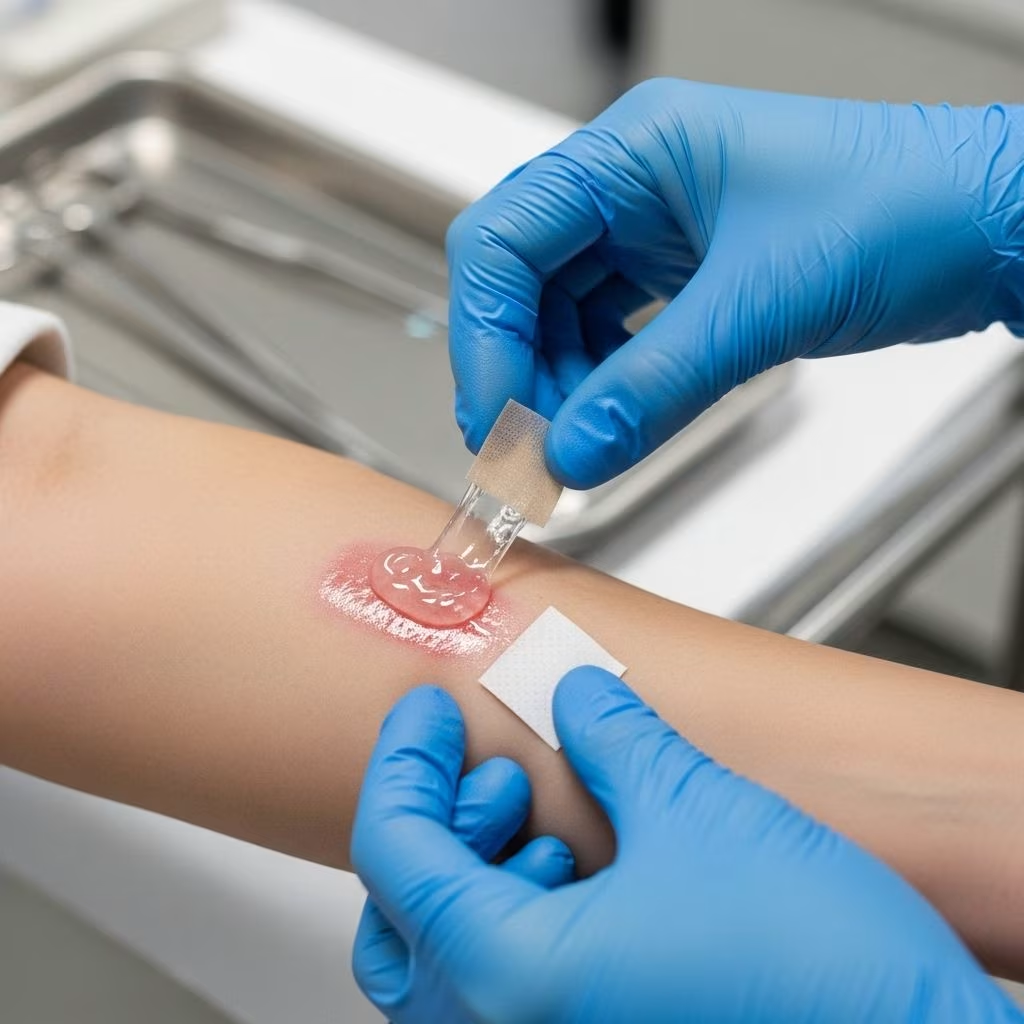
Introduction to Ablative Laser Resurfacing
Ablative laser resurfacing is a widely used dermatologic procedure designed to improve the appearance of aging, sun-damaged, or scarred skin by delivering concentrated laser energy to remove the outer layers of skin and stimulate collagen production. While the procedure can yield dramatic improvements in skin texture, tone, and tightness, it is considered a controlled injury to the skin, making proper wound care and dressing instructions critical for safe and effective healing.
Understanding the Procedure
Ablative lasers—such as CO2 and Er:YAG lasers—work by vaporizing the epidermis and, depending on settings, the superficial to mid-dermis, which removes damaged skin and encourages new, healthier skin to form. Fractional ablative lasers create microscopic columns of injury, leaving untreated skin to aid in faster healing. The depth and density of the laser application depend on the condition being treated and the patient’s skin type, but deeper treatments require more vigilant wound care to prevent complications.
Pre-Procedure Preparation
Before undergoing ablative laser resurfacing, patients should:
- Consult with a dermatologic surgeon to discuss goals, medical history, and suitability for the procedure.
- Disclose all medications, supplements, and previous skin treatments.
- Begin antiviral medication if prescribed, particularly for those with a history of cold sores, to prevent herpes simplex reactivation.
- Minimize sun exposure in the weeks leading up to the procedure to reduce the risk of pigmentation changes.
- Arrange for transportation on the day of the procedure, as sedation may be used.
What to Expect During the Procedure
The procedure is typically performed in a dermatologic surgeon’s office under local anesthesia, sometimes with the addition of sedation for patient comfort. Protective eye shields are used to safeguard the eyes from laser exposure. The surgeon fires the laser in a controlled manner over the treatment area, creating the desired depth of injury. The duration of the procedure varies from 30 minutes to two hours, depending on the size and technique used.
Immediate Post-Procedure Care
Immediately following ablative laser resurfacing, the treated skin will be sensitive, swollen, and may ooze or form a crust. The following steps are essential:
- The skin is typically covered with a protective ointment and a non-stick dressing or mask bandage to shield the fresh wound and promote healing.
- Patients are advised to rest and avoid strenuous activity for the first 24–48 hours.
- Pain, burning, and itching are common and may be managed with prescribed or over-the-counter pain relievers and cool compresses.
Detailed Wound Care and Dressing Instructions
Initial Dressing
Dressings serve to protect the newly lasered skin from infection, minimize oozing, and maintain a moist healing environment. Common initial dressing options include:
| Dressing Type | Purpose | Duration |
|---|---|---|
| Occlusive ointment (e.g., petrolatum-based) | Maintain moisture, prevent crusting, protect from bacteria | First 2–5 days |
| Non-stick gauze | Absorb exudate, prevent sticking | As needed for 1–3 days |
| Hydrocolloid or silicone dressing | Promote healing, reduce pain, protect from friction | As directed by provider |
Cleaning the Wound
Proper cleaning is essential to prevent infection and promote optimal healing:
- Gently cleanse the treated area with a mild, non-irritating cleanser as recommended by your provider, usually starting 24–48 hours post-procedure.
- Pat the skin dry—do not rub.
- Avoid picking, scratching, or peeling the skin, as this can lead to scarring or prolonged healing.
Application of Topical Agents
After cleansing, reapply the prescribed ointment (such as petrolatum or a specialized healing ointment) to keep the wound moist and protected. Avoid products containing alcohol, fragrances, or other irritants until the skin is fully healed.
Frequency of Care
Frequency of wound care and dressing changes depends on the extent of treatment and the amount of drainage. Typically, patients are instructed to perform wound care 2–3 times daily during the initial healing phase.
Recovery Timeline and What to Expect
- Days 1–3: Skin is red, swollen, and may ooze. A mask bandage or ointment is typically worn continuously.
- Days 4–7: Swelling and oozing decrease, and a crust may form. Continue gentle cleansing and moisturizing.
- Weeks 1–2: New skin begins to grow, but the area may remain pink or red. Makeup can usually be applied after two weeks.
- Weeks 2–4+: Skin continues to heal, with gradual fading of redness. Full healing may take several months, and sun protection remains critical during this period to prevent pigmentation changes.
Expected Healing Time
Most patients experience significant healing within 2 weeks, but the skin may remain pink for several months. Fractional CO2 treatments often heal even faster due to the preservation of untreated skin between laser columns.
Pain and Symptom Management
Pain, burning, tingling, and itching are common after ablative laser resurfacing. These symptoms can be managed with:
- Pain relievers: Over-the-counter analgesics like ibuprofen may be used as directed for discomfort.
- Cool compresses: Apply gently to relieve burning and swelling.
- Antihistamines: Oral antihistamines can help with itching if approved by your provider.
- Antiviral medication: Continue as prescribed to prevent viral infections, especially if you have a history of cold sores.
Complications and Risk Management
While ablative laser resurfacing is generally safe when performed by experienced providers, potential complications include:
- Infection: Keep the wound clean and follow all instructions to minimize risk.
- Scarring: More likely with deeper treatments or improper wound care. Avoid picking at scabs or crusts.
- Pigmentation changes: Hyperpigmentation or hypopigmentation can occur, especially with sun exposure during healing.
- Delayed healing: May occur in patients with certain medical conditions or poor wound care adherence.
When to Seek Medical Attention
Contact your provider if you experience:
- Increased pain, redness, swelling, or pus, which may indicate infection.
- Persistent bleeding.
- Signs of allergic reaction to medications or dressings.
- Unusual scarring or delayed healing beyond the expected timeline.
Sun Protection and Long-Term Care
Sun exposure after ablative laser resurfacing can cause permanent pigmentation changes. Patients should:
- Avoid direct sun exposure during the initial healing phase and for several months afterward.
- Use a broad-spectrum sunscreen (SPF 30 or higher) on healed skin when going outdoors.
- Wear protective clothing and hats when in the sun.
Frequently Asked Questions (FAQs)
How long does it take for skin to heal after ablative laser resurfacing?
Most patients experience significant healing within 2 weeks, but redness and sensitivity may persist for several months. Fractional treatments often heal faster, sometimes within 1–2 weeks, while full-face procedures may take longer.
Can I wear makeup after the procedure?
Makeup can generally be applied after about two weeks, once the skin has re-epithelialized and any crusting has resolved. Always use clean, non-comedogenic products and consult your provider for specific guidance.
What should I do if my skin feels itchy or burns after treatment?
Itching and mild burning are common. Use cool compresses, prescribed ointments, and oral antihistamines if recommended by your provider. Avoid scratching, as this can lead to scarring or infection.
How can I prevent pigmentation changes after laser resurfacing?
Strict sun avoidance and diligent use of sunscreen are the most effective ways to prevent pigmentation changes. Follow your provider’s instructions for care and sun protection during the healing process.
When can I resume my normal skincare routine?
Wait until your provider confirms that your skin is fully healed before reintroducing active skincare products (such as retinoids, alpha hydroxy acids, or vitamin C). Resume your routine gradually to avoid irritation.
Is ablative laser resurfacing painful?
The procedure itself is performed under local anesthesia and/or sedation to minimize discomfort. After the procedure, mild to moderate pain, burning, or itching is common and can be managed with medications and cool compresses.
How often can I repeat ablative laser treatments?
The frequency depends on your skin type, the condition being treated, and your provider’s recommendation. Multiple treatments may be needed for optimal results, but adequate time should be allowed between sessions for full healing.
References
- https://www.ucsfhealth.org/treatments/ablative-laser-resurfacing
- https://jamanetwork.com/journals/jamadermatology/fullarticle/2290937
- https://www.binasss.sa.cr/nov23/31.pdf
- https://www.ncbi.nlm.nih.gov/books/NBK557474/
- https://pubmed.ncbi.nlm.nih.gov/33196756/
- https://www.skintherapyletter.com/cosmetic-dermatology/ablative-laser-resurfacing-care/
- https://www.medparkhospital.com/en-US/lifestyles/how-to-care-for-your-skin-after-laser-treatment
- http://southlakeplasticsurgery.com/wp-content/uploads/2024/05/ABLATIVE-LASER-Pre-and-Post-Care.pdf
- https://www.mskcc.org/cancer-care/patient-education/skin-care-after-fractionated-carbon-dioxide-laser-treatment


