


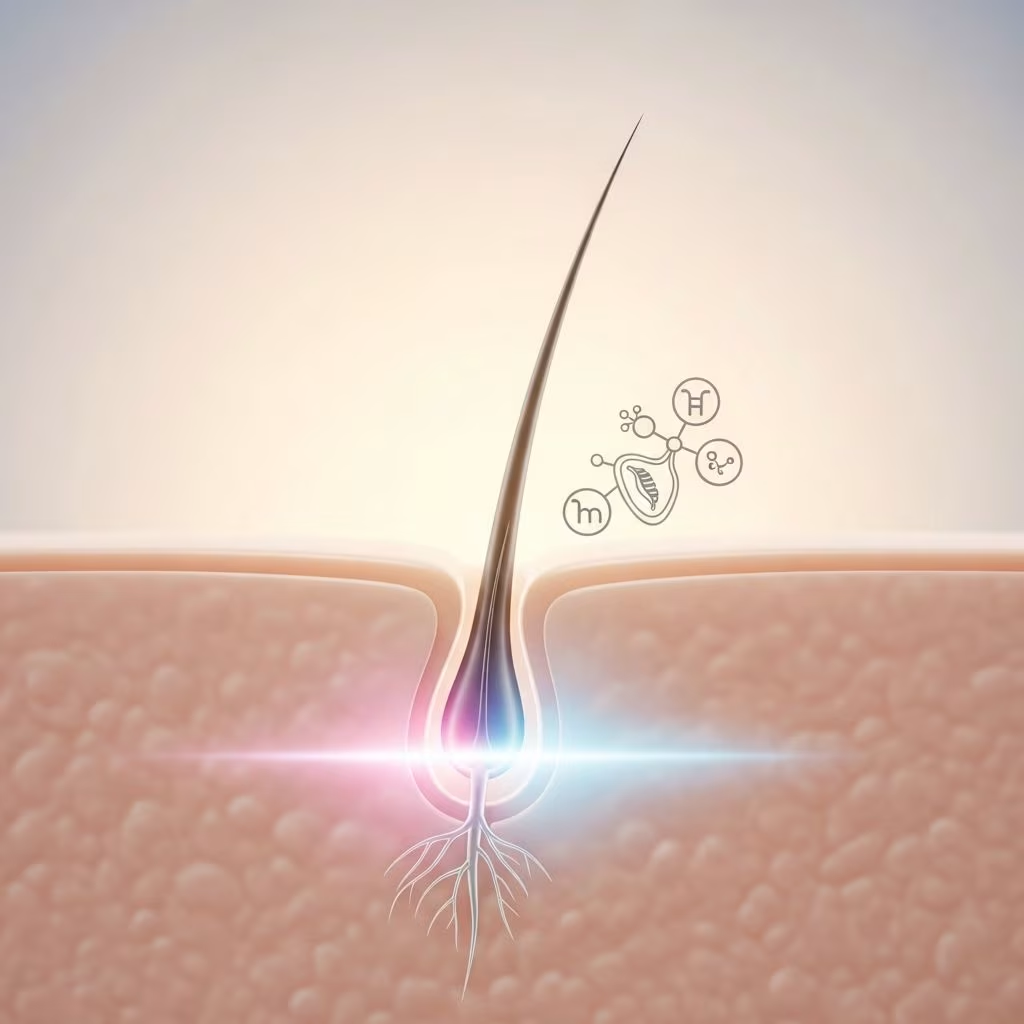
Introduction
Laser hair removal stands as one of the most effective cosmetic solutions for achieving smooth, hair-free skin. By targeting hair follicles with concentrated light energy, it dramatically slows regrowth and offers semi-permanent results. Yet, the final outcomes are not dictated solely by technology; the subtle and dynamic interplay of the body’s hormones has a profound impact. Hormones not only regulate hair cycles but also influence the density, thickness, and distribution of hair, making hormonal profile a critical factor for optimizing laser hair removal treatments. This article explores the multifaceted role hormones play in shaping laser hair removal results, addressing conditions such as PCOS, menopause, and the menstrual cycle to guide both patients and practitioners to more predictable outcomes.
Understanding Laser Hair Removal Technology
Laser hair removal works by delivering intense laser light to targeted hair follicles. The pigment (melanin) in the follicles absorbs this light, which then converts into heat and disrupts the hair-producing cells. To be effective, the treatment relies on catching hairs in their anagen phase—the active growth period where the follicle is best connected to the root. This means multiple sessions are necessary, as not all hairs are synchronized in the same phase during a given appointment.
- Most people see about a 10% to 25% reduction in hair growth even after the first session.
- Full results require repeated treatments spaced according to hair growth cycles.
Laser hair removal is most successful on dark, coarse hair, where melanin concentration is higher and laser energy absorption is maximized. However, as will be detailed, hormonal influences can alter hair characteristics and cycles, affecting procedure efficacy.
Hair Growth and the Hormonal Cycle
Hair growth isn’t constant; it cycles through multiple stages:
- Anagen (Growth phase): Active hair production; most susceptible to laser removal.
- Catagen (Transitional phase): Follicle begins to detach from the root; less effective for laser targeting.
- Telogen (Resting phase): Hair is dormant before shedding; laser treatment here is least effective.
Hormonal fluctuations—driven by events such as puberty, menstrual cycle, pregnancy, contraceptive use, or menopause—change the timing and duration of these phases, thus affecting when and how laser treatment should be scheduled for optimal results.
Key Hormones Impacting Laser Hair Removal
Several hormones play major roles in regulating hair cycles, texture, and the body’s overall responsiveness to laser removal:
- Estrogens (such as oestrogen)
- Androgens (such as testosterone)
- Prolactin
- Progesterone
Each hormone has unique effects which can result in increased or decreased hair growth, change hair texture, and influence the number of required laser sessions.
Estrogen and Androgens
Estrogen and androgens are the primary regulators of hair growth in different body areas:
- High estrogen tends to produce softer, finer hair—sometimes making it harder for the laser to target hairs effectively.
- Low estrogen or elevated androgens (male hormones such as testosterone) stimulate thicker, coarser hair—often leading to excessive growth in areas like the face, chest, or back.
The following table summarizes hormonal effects on hair growth and resultant impact on laser hair removal:
| Hormone | Effect on Hair | Impact on Laser Results |
|---|---|---|
| High Estrogen | Finer, softer hair; reduced density | May require more sessions; less responsive |
| Low Estrogen | Increased coarser hair (esp. facial) | More targetable by laser, but can appear in new areas |
| High Androgens | Thicker, darker, increased growth | Requires frequent sessions; more new hair possible |
| Prolactin (Pregnancy, PCOS) | Stimulates hair and skin pigment cells | Light therapies may be less effective |
Laser hair removal treatments targeting androgen-driven growth (such as from PCOS or menopause) often demand more frequent or lifelong maintenance to control regrowth.
Hormonal Conditions Affecting Results
Certain medical conditions characterized by hormonal imbalance challenge laser hair removal efficacy and dictate unique treatment strategies:
- Polycystic Ovary Syndrome (PCOS): Leads to elevated androgen levels, causing excessive hair growth.
- Thyroid Dysfunction: Alters metabolism and hair cycles; may lead to diffuse thinness or increased growth.
- Adrenal Hyperplasia: Overproduction of androgens, increasing hair density and coarseness.
- Hyperprolactinemia: High prolactin enhances pigment cell activity, reducing laser effectiveness, especially during pregnancy or certain syndromes.
Patients with these conditions typically require more laser sessions, ongoing hormonal management, and sometimes adjunctive therapies to achieve optimal results. Treating the underlying hormonal imbalance in tandem with laser hair removal maximizes hair reduction.
Laser Hair Removal & PCOS
PCOS is one of the most significant conditions influencing excess hair growth in women. It is marked by chronically high androgen levels, stimulating dense, coarse, and often dark body and facial hair. Key challenges and considerations:
- Laser hair removal works for PCOS-driven hair, but typically requires more frequent sessions and ongoing maintenance to suppress regrowth.
- Effectiveness can vary depending on androgen control—patients on hormonal therapies (such as oral contraceptives or anti-androgens) generally achieve better, longer-lasting outcomes.
- Combination therapies—hormonal management alongside repeated laser treatments—are recommended for persistent cases.
Studies show that while laser hair removal significantly reduces unwanted hair in PCOS subjects, untreated PCOS or poor hormonal control often results in variable-to-poor outcomes, demanding more interventions to maintain results.
Pregnancy, Menopause, and Other Life Stages
- Pregnancy: Hormonal shifts during pregnancy—including elevated prolactin—can reduce responsiveness to lasers and sometimes contraindicate treatment due to melanocyte stimulation. Most clinicians recommend postponing laser procedures until after pregnancy.
- Menopause: Post-menopausal changes, involving reduced estrogen and increased androgen, often lead to new or unexpected hair patterns, such as facial hair in women previously unaffected. Scheduling and session frequency may need adjustment as hair cycles change.
- Contraceptive Use: Oral contraceptives and low-androgenic progestins suppress androgen production and can make hormonal hair less resistant to laser, enhancing results.
Life stages and related hormonal therapies/imbalances must be discussed during consultation to align expectations and optimize treatment protocols.
Optimizing Treatment under Hormonal Fluctuations
Hormonal shifts demand careful planning and ongoing adjustments to laser hair removal strategy. Considerations for clinicians and patients:
- Schedule treatment during periods of hormonal stability: For example, the follicular phase of the menstrual cycle is considered optimal for women, as it coincides with more consistent anagen phase activity.
- Communicate known hormonal conditions: Patients with PCOS, thyroid issues, or ongoing hormonal therapy should inform their provider to adapt the treatment plan.
- Combine laser with hormonal management: Adjunctive therapies, like anti-androgens or oral contraceptives, can enhance hair reduction and minimize regrowth.
- Expect more sessions for hormonal hair: Patients with active hormonal imbalances, such as PCOS or menopause, should anticipate a greater number of appointments and consider maintenance sessions.
- Be aware of special populations: Pregnant individuals or those undergoing significant hormonal therapy may temporarily see reduced efficacy or contraindications.
Regular assessment, hormonal profiling, and personalized scheduling deliver the best outcomes for patients navigating hormonal fluctuations.
Frequently Asked Questions (FAQs)
Does laser hair removal work for those with hormonal hair growth?
Yes, but the effectiveness can vary based on the underlying hormonal imbalance and how well it is managed. Patients with PCOS, menopause, or other conditions often need additional sessions and sometimes adjunctive therapies.
Will I need more sessions if I have a hormonal imbalance?
Typically yes. Conditions causing excess androgen (such as PCOS) or other imbalances often necessitate more frequent and ongoing treatment to maintain results.
Can pregnancy affect laser hair removal results?
During pregnancy, increased prolactin and other hormonal shifts can reduce responsiveness to lasers. Most clinicians advise postponing laser hair removal until after pregnancy.
Should laser hair removal be scheduled around my menstrual cycle?
Scheduling during more hormonally stable periods (such as the follicular phase) may improve consistency and outcomes but isn’t strictly necessary for all patients.
Does ongoing hormonal treatment improve laser hair removal outcomes?
Direct hormonal management—via oral contraceptives, anti-androgens, or similar therapies—often improves outcomes for excess hair caused by imbalance, especially for PCOS or post-menopausal women.
Conclusion
The effectiveness and longevity of laser hair removal are deeply shaped by hormones. Estrogen and androgens modulate hair growth cycles and characteristics, while hormonal imbalances such as those from PCOS or menopause can demand customized, longer-term strategies for optimal results. By understanding and addressing hormonal factors—through timing, adjunct therapies, and ongoing communication between patient and practitioner—laser hair removal can deliver highly effective, life-changing outcomes even in the face of hormonal challenges.
References
- https://londonpremierlaser.co.uk/blog/does-oestrogen-affect-laser-hair-removal/
- https://www.skinperfectionlondon.co.uk/2023/03/does-laser-work-on-hormonal-hair/
- https://pmc.ncbi.nlm.nih.gov/articles/PMC7190465/
- https://www.thelasercafe.com/blog/hormones-laser-hair-removal-appointments
- https://sevlaser.com/blog/laser-hair-removal-and-hormonal-imbalance-are-hormones-affecting-your-results/
- https://www.skindeeplaserservices.com/blog/2021/february/what-factors-will-affect-laser-hair-removal-resu/
- https://www.northshoreplasticsurgery.net/blog/laser-hair-removal-and-hormonal-changes
- https://owmintegrativewellness.com/minimizing-hormonal-hair-growth-with-cosmetic-laser-and-ipl-treatments/
- https://my.clevelandclinic.org/health/treatments/21757-laser-hair-removal


