


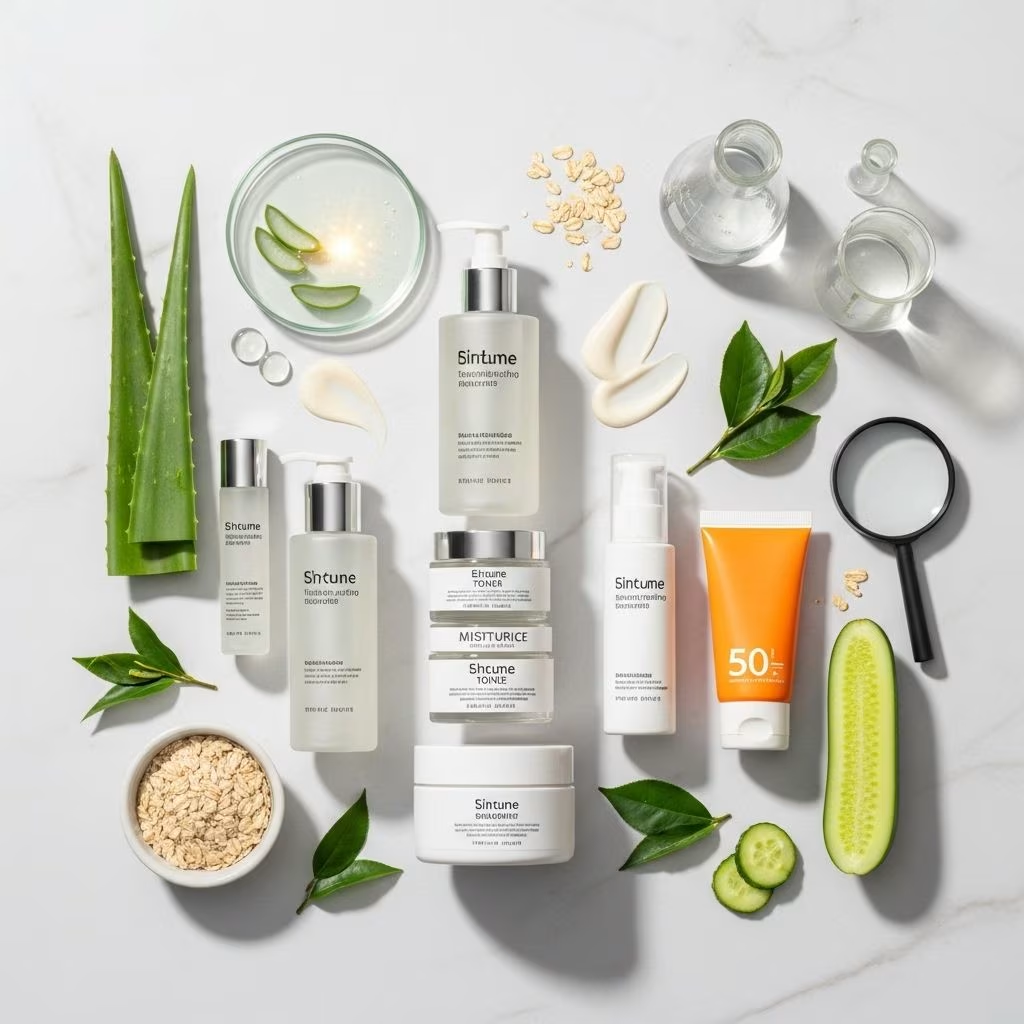
Layering multiple skincare products is a hallmark of modern routines, promising enhanced results—from hydrated skin to minimized signs of aging. But this complexity comes with crucial guidelines, grounded in both scientific principles and practical rules. Understanding the correct order, why order matters, and how to customize for your needs ensures every layer works for you—not against you.
Introduction: The Philosophy & Purpose of Layering
Layering skincare is more than just a beauty ritual—it’s a strategic process to maximize the penetration and efficacy of each product. This approach recognizes that the skin benefits from a tailored sequence, where every layer builds upon the previous one. Effective layering:
- Helps active ingredients target specific concerns
- Optimizes absorption for best results
- Prevents product interference or dilution
- Protects the skin barrier for long-term health
Whether your regime is simple or elaborate, following a science-backed order prevents irritation and enhances outcomes.
The Science Behind Layering: Why Order Matters
The key scientific principle behind layering is penetration depth—the ability of skincare ingredients to reach target layers within the skin. Product formulation (e.g., water-based, anhydrous, oil-based) determines how deeply and rapidly ingredients penetrate:
- Water-based solutions penetrate quickly, delivering hydration and actives deep into the skin.
- Anhydrous (water-free)/oil-based products act as occlusives, typically sealing in previous layers. They penetrate less deeply and slowly.
- Creams and ointments provide surface hydration and protect the outer skin barrier.
The rule of “thinnest to thickest” leverages these characteristics—apply lightweight, rapidly absorbed products first, followed by richer, sealing products. This preserves product efficacy and prevents heavier products from blocking lighter ones.
Fundamentals of Layering: Golden Rules & Core Principles
- Start with a clean canvas. Cleanse thoroughly to remove impurities, giving active ingredients direct access to your skin.
- Apply water-based and treatment products first. These deliver potent ingredients deep into the skin before barriers form.
- Seal with oils and creams. These lock in moisture and previous actives, providing sustained hydration.
- Finish with sunscreen (AM routine). Sunscreen acts as the final protective layer against UV radiation.
- Wait between layers. Allow a minute or two after applying active serums so ingredients absorb fully.
- Monitor for interactions. Avoid layering actives known to cause irritation when combined (see below).
Consistency and ingredient synergy are vital—layering isn’t just about order but about how products interact.
Step-By-Step Skincare Layering Order Explained
Below is the universal order for an effective skincare routine, rooted in scientific consensus, expert recommendations, and optimized absorption:
-
Cleanser
Removes dirt, sweat, oil, and makeup. Preps the skin for subsequent layers.
-
Toner
Balances pH, delivers gentle exfoliation, and primes skin for active ingredients. Use alcohol-free options for sensitive skin.
-
Essence or Hydrating Mist (optional)
Boosts hydration with water-based nutrients, enhancing absorption of following actives.
-
Targeted Serums
- Antioxidant serums (Vitamin C)—protect against free radicals. Apply first to maximize penetration.
- Corrective serums (retinol, peptides, acids)—address fine lines, discoloration, acne, etc.
- Layer according to texture, starting with the lightest formula.
-
Eye Cream
Apply gently to the orbital area before heavier facial moisturizers to avoid interference.
-
Moisturizer
Locks in hydration and all previous actives, provides a protective barrier.
-
Oil (optional)
Seals in moisture. Use as final step before sunscreen in the morning or alone at night if needed.
-
Sunscreen (AM)
Always apply as the final step in the morning. Sunscreen forms a shield against UVA/UVB damage, preventing premature aging and sunburn.
Key Ingredient Interactions: What to Mix, Separate, or Avoid
Certain actives can become more effective or more irritating based on pairing and layering. Understanding compatibility is crucial for both efficacy and safety:
| Ingredient | Safe Layering Partners | Combinations to Avoid | Notes |
|---|---|---|---|
| Retinol / Retinoids | Ceramides, Hyaluronic Acid | AHAs, BHAs, Vitamin C | Use at night, moisturize well |
| Vitamin C (Ascorbic Acid) | Vitamin E, Ferulic Acid | AHAs, BHAs, Retinol | Apply first in AM routine |
| AHAs / BHAs (Exfoliating acids) | Hydrating serums, Ceramides | Retinol, Vitamin C | Don’t combine with retinoids; use 1-2x weekly |
| Niacinamide | Most active ingredients | – | Compatible, soothes irritation from actives |
| Hyaluronic Acid | All serums/moisturizers | – | Hydration booster, apply on damp skin |
Customizing Your Routine for Different Skin Types & Concerns
There is no one-size-fits-all. Tailor your routine to your specific skin type, concern, and tolerance:
- Dry or Sensitive Skin:
- Limit layering to essentials: gentle cleanser, hydrating toner/serum, moisturizer, sunscreen.
- Avoid strong actives (retinols, acids) without patch testing.
- Include ceramides, squalane, and soothing botanicals.
- Oily or Acne-Prone Skin:
- Opt for lightweight, non-comedogenic formulas.
- Include exfoliating acids (AHAs, BHAs) for oil control—alternate days.
- Hydrate sufficiently to balance oil levels.
- Finish with a mattifying sunscreen.
- Mature or Dull Skin:
- Target with antioxidants, peptides, and barrier-strengthening ingredients.
- Layer corrective serums for texture, discoloration, and radiance.
- Regularly include gentle exfoliation but watch for over-irritation.
- Hyperpigmentation:
- Use brightening serums (niacinamide, vitamin C).
- Daily sunscreen is essential to prevent worsening pigment.
Always observe skin’s response and adjust frequency, concentration, or layering sequence accordingly.
Common Layering Mistakes and How to Avoid Them
- Using incompatible actives together: Can cause irritation, redness, or sensitivity. Check compatibility tables and do patch tests before mixing new actives.
- Skipping sunscreen: Undermines all morning skincare steps, leaving skin at risk for UV damage.
- Applying too many products at once: May overload skin and dilute efficacy; prioritize based on concern.
- Not allowing enough time between layers: Short waiting times can cause pilling or reduce absorption.
- Ignoring skin’s real-time feedback: Adapt routine if dryness, irritation, or breakouts develop.
- Layering by brand instructions only: Always prioritize product format, textures, and ingredient science over marketing claims.
Frequently Asked Questions (FAQs)
Q: Does layering more products always mean better results?
No. While multi-step routines can target multiple concerns, over-layering risks irritation or diminishing absorption. Focus on essentials and match your concerns.
Q: Can I mix actives like retinol and acids?
Avoid using strong actives together unless directed by a professional. Retinol and exfoliating acids often cause irritation when layered—alternate evenings or use in separate regimes if needed.
Q: How long should I wait between applying layers?
Wait 30 seconds to 2 minutes after applying serums, especially actives, before applying the next product to maximize absorption and prevent pilling.
Q: Where does facial oil go in my routine?
After moisturizer, before sunscreen (AM), or as the final step (PM). Oils seal in hydration and keep prior actives from evaporating, but should not precede lighter serums or creams.
Q: Is toner necessary?
Toners help rebalance pH, remove residual impurities, and prep skin for actives. While not essential, they benefit those exposed to hard water or using cleansers with high pH.
Summary Table: Layering Order Cheat Sheet
| Step | Product Type | Texture/Format | Purpose | AM/PM |
|---|---|---|---|---|
| 1 | Cleanser | Liquid/Gel | Remove dirt & debris | BOTH |
| 2 | Toner | Light liquid | Prep, exfoliate, balance | BOTH |
| 3 | Essence/Mist | Water-based | Hydrate, prime | BOTH |
| 4 | Active Serums | Light gel/liquid | Treat specific concerns | BOTH |
| 5 | Eye Cream | Cream/gel | Hydrate, treat eye area | BOTH |
| 6 | Moisturizer | Cream/lotion | Seal, hydrate | BOTH |
| 7 | Oils | Oil | Seal, add moisture | BOTH |
| 8 | Sunscreen | Cream/gel | Protect from UV | AM |
By following a strategic layering order and understanding the science behind product formats, you maximize every formula’s effectiveness, prevent irritation, and empower your skin’s natural resilience. Consistency and careful adaptation pave the way for radiant, healthy skin.
References
- https://www.englishdermatology.com/layering-skincare-is-more-really-more-how-to-get-the-most-out-of-multiple-skincare-products/
- https://www.skinceuticals.com/skincare-advice/how-to-layer-skincare-products-in-order.html
- https://theordinary.com/en-us/blog/skincare-layering-guide.html
- https://www.drrachelho.com/blog/layer-skincare-products-correct-order-doctor/
- https://www.biossance.com/blog/skincare-layering-guide/
- https://nulastin.com/blogs/news/order-of-operations-layering-skincare-like-a-pro


