


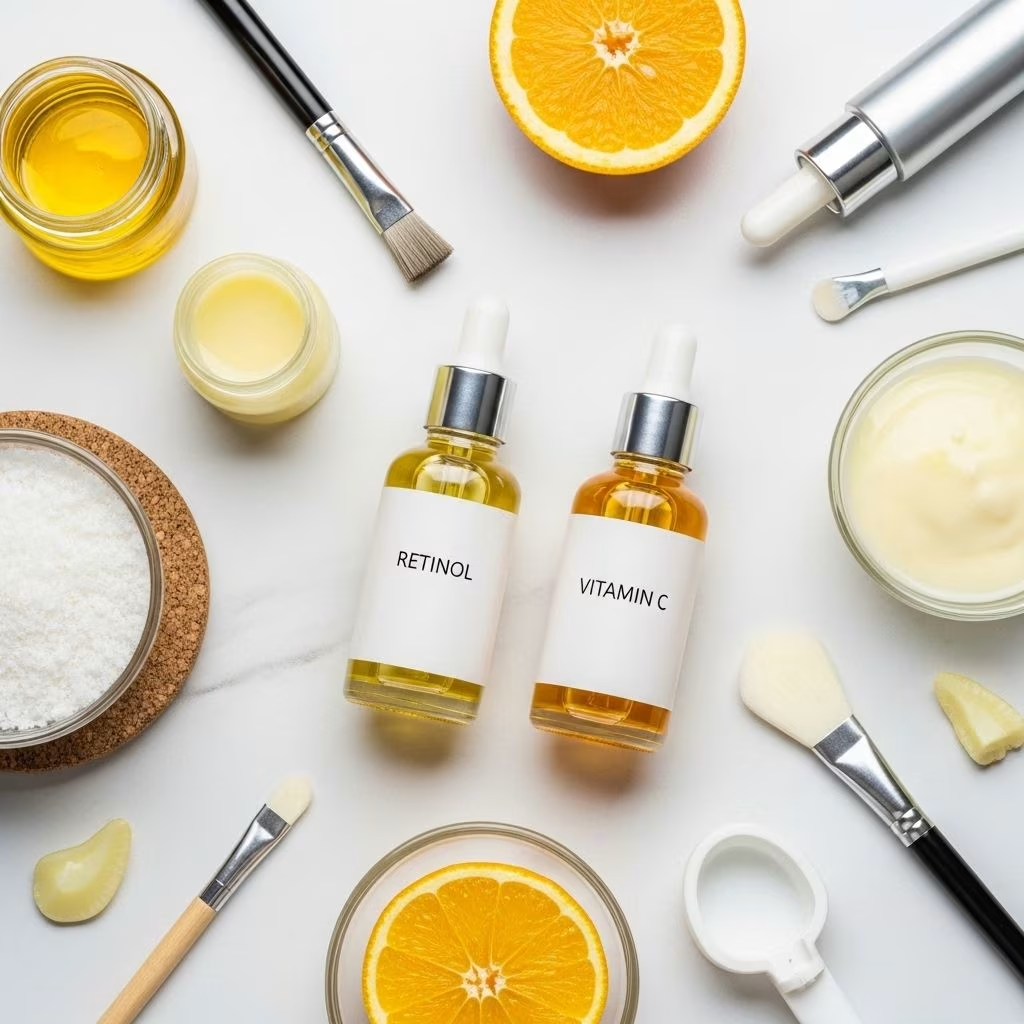
In the world of skincare, few ingredient combinations generate as much excitement and confusion as retinol and vitamin C. Both are celebrated as gold-standard actives with decades of research backing their efficacy, yet questions about how to use them together persist. Can these powerhouse ingredients coexist in your routine? Should they be layered together or kept separate? This comprehensive guide will demystify the art and science of combining retinol and vitamin C for optimal results.
Understanding Retinol and Vitamin C
Before diving into layering techniques, it’s essential to understand what makes each ingredient special and how they function within your skin.
Retinol: The Cell Communicator
Retinol belongs to the retinoid family, derivatives of vitamin A that have revolutionized skincare since their introduction. This ingredient works as a cell-communicating compound, essentially instructing your skin cells to behave more like younger, healthier versions of themselves. Retinol penetrates deep into the skin where it stimulates cellular turnover, accelerates the shedding of dead skin cells, and promotes the generation of fresh new cells.
The mechanism behind retinol’s effectiveness involves binding to specific receptors in skin cells, triggering a cascade of beneficial processes. It encourages fibroblasts to produce more collagen and elastin, the structural proteins that keep skin firm and supple. Additionally, retinol helps regulate sebum production, making it valuable for managing acne-prone skin, while simultaneously addressing signs of photoaging like fine lines, wrinkles, and uneven texture.
Vitamin C: The Antioxidant Protector
Vitamin C, scientifically known as ascorbic acid, functions primarily as a potent antioxidant that neutralizes free radicals generated by UV exposure, pollution, and other environmental stressors. These unstable molecules cause oxidative stress that breaks down collagen, damages DNA, and accelerates visible aging. By intercepting free radicals before they wreak havoc, vitamin C serves as your skin’s frontline defense system.
Beyond its protective qualities, vitamin C plays a critical role in collagen synthesis. It acts as a cofactor for enzymes responsible for stabilizing and cross-linking collagen molecules, making it indispensable for maintaining skin firmness. Vitamin C also inhibits the enzyme tyrosinase, which is responsible for melanin production, making it exceptionally effective at brightening skin tone, fading dark spots, and evening out hyperpigmentation.
Benefits of Combining These Powerhouse Ingredients
When used correctly, retinol and vitamin C create a synergistic relationship that addresses multiple skin concerns simultaneously. Their complementary mechanisms deliver comprehensive anti-aging and skin-perfecting benefits that neither ingredient can achieve alone.
Comprehensive Anti-Aging Protection
The combination tackles aging from multiple angles. Vitamin C provides daytime antioxidant protection against environmental damage that accelerates aging, while retinol works overnight to repair existing damage and stimulate renewal processes. Together, they create a 24-hour defense and repair system that keeps skin looking youthful and resilient.
Enhanced Collagen Production
Both ingredients stimulate collagen synthesis through different pathways. Vitamin C provides the enzymatic support necessary for collagen formation, while retinol signals cells to increase collagen production. This dual approach results in firmer, more elastic skin with improved structural integrity and reduced appearance of fine lines and wrinkles.
Superior Brightening Effects
The brightening power of this duo is unmatched. Vitamin C inhibits melanin production and fades existing dark spots, while retinol accelerates cell turnover to shed pigmented cells more quickly. The result is a more radiant, even-toned complexion with diminished hyperpigmentation, sun spots, and post-inflammatory marks from acne.
Improved Skin Texture and Tone
Retinol refines skin texture by promoting cellular turnover and unclogging pores, while vitamin C smooths the skin surface through its role in collagen production. Together, they create noticeably smoother, more refined skin with minimized pore appearance and improved overall texture.
The pH Factor: Why Timing Matters
Understanding pH requirements is crucial for maximizing the effectiveness of both retinol and vitamin C. These ingredients operate optimally at different pH levels, which is the primary reason many dermatologists recommend separating their application.
Vitamin C, particularly in its most effective form as L-ascorbic acid, requires an acidic environment with a pH of 3.5 or lower to penetrate the skin barrier effectively and remain stable. At this pH, vitamin C maintains its potency and can deliver its full spectrum of benefits. However, this acidic environment can be irritating, especially when combined with other actives.
Retinol, conversely, functions best at a pH closer to that of skin, typically between 5.0 and 6.0. At this slightly acidic to neutral pH, retinol can convert into its active form, retinoic acid, without causing excessive irritation. When vitamin C and retinol are mixed together, their pH requirements conflict. The acidic nature of vitamin C can potentially deactivate retinol, while adding retinol raises the pH of vitamin C, reducing its efficacy.
This pH incompatibility explains why the most widely recommended approach involves temporal separation: using vitamin C in the morning when its antioxidant protection is most needed, and applying retinol at night when skin enters its natural repair phase.
Layering Methods: Finding What Works for You
There are several approaches to incorporating both retinol and vitamin C into your skincare routine. The best method depends on your skin type, tolerance level, and skincare goals.
The Separated Approach (Recommended for Most)
This method involves using vitamin C during your morning routine and retinol in your evening routine. This temporal separation eliminates pH conflicts, maximizes each ingredient’s effectiveness, and minimizes the risk of irritation. It’s the safest and most effective approach for most skin types, particularly those new to active ingredients or with sensitive skin.
The Alternate Day Method
For those with sensitive skin or just starting with these ingredients, alternating days can be beneficial. Use vitamin C morning and evening on certain days, then switch to retinol in the evening on alternate days. This approach allows your skin to experience the benefits of both ingredients while providing recovery time between applications.
The Layered Night Approach (Advanced Users)
Some individuals with resilient skin who have built up tolerance can layer both ingredients in their nighttime routine. This advanced technique involves waiting 20-30 minutes between applications to allow each product to absorb and establish its optimal pH environment. However, this method carries a higher risk of irritation and should only be attempted after establishing tolerance to each ingredient separately.
Your Morning Routine with Vitamin C
The morning routine focuses on protection, making it the ideal time for vitamin C application. Here’s how to structure your AM skincare routine for maximum benefit.
Step 1: Gentle Cleansing
Begin with a gentle, pH-balanced cleanser to remove overnight oil production and prepare your skin for active ingredients. Avoid harsh cleansers that strip the skin barrier, as this can increase sensitivity to vitamin C. Pat your face dry, leaving skin slightly damp to enhance absorption.
Step 2: Vitamin C Serum Application
Apply your vitamin C serum to clean, slightly damp skin. Use 3-4 drops for the entire face and neck, gently pressing the product into skin rather than rubbing. The dampness helps with absorption and distribution. Allow the serum to fully absorb for 1-2 minutes before proceeding to the next step.
Step 3: Hydrating Layers
Follow with a hydrating serum containing hyaluronic acid if desired. This ingredient draws moisture into the skin and provides a plumping effect that complements vitamin C’s brightening benefits. Apply while skin is still slightly damp for maximum hydration.
Step 4: Moisturizer
Lock in all previous layers with a suitable moisturizer for your skin type. This creates a protective barrier that seals in the active ingredients and maintains skin hydration throughout the day.
Step 5: Broad-Spectrum Sunscreen (Non-Negotiable)
Finish with a broad-spectrum sunscreen of at least SPF 30. This step is absolutely essential when using vitamin C and especially critical when retinol is part of your routine. Vitamin C actually enhances your sunscreen’s effectiveness by providing additional antioxidant protection, while sunscreen prevents the photodegradation of vitamin C and protects the newly revealed skin cells from retinol use.
Your Evening Routine with Retinol
The evening routine emphasizes repair and renewal, making it perfect for retinol application. Here’s how to structure your PM routine effectively.
Step 1: Double Cleansing
Start with an oil-based cleanser to remove sunscreen, makeup, and oil-based impurities. Follow with a water-based cleanser to remove any remaining residue and prepare skin for treatment products. Ensure your face is completely clean and dry before applying retinol, as applying it to damp skin can increase irritation.
Step 2: Wait Time
Allow your skin to dry completely for 10-15 minutes after cleansing. This waiting period reduces the risk of irritation by ensuring retinol doesn’t penetrate too quickly or deeply.
Step 3: Retinol Application
Apply a pea-sized amount of retinol to your entire face, avoiding the immediate eye area and lips. Start with the forehead, then cheeks, chin, and neck. Use gentle, upward motions and allow the product to absorb for several minutes before applying additional products.
Step 4: Hydrating Support
After retinol has absorbed, apply a hydrating serum if desired. Hyaluronic acid is particularly beneficial as it helps counteract the potential drying effects of retinol while supporting the skin barrier.
Step 5: Rich Moisturizer
Finish with a nourishing moisturizer appropriate for your skin type. Look for formulations containing ceramides, niacinamide, or peptides to support skin barrier function and enhance retinol’s benefits. For very dry skin, consider applying a facial oil as the final step to seal in moisture.
Advanced Layering: Using Both at Night
For experienced users with resilient skin, layering both vitamin C and retinol in the evening routine is possible, though it requires careful technique and close attention to your skin’s response.
The Sandwich Method
This technique involves applying vitamin C first, waiting 20-30 minutes for it to absorb and establish its acidic pH environment, then applying retinol. The extended wait time allows each ingredient to work at its optimal pH before the next product is applied. Finish with a rich moisturizer to buffer any potential irritation.
The Buffer Method
Another approach involves applying a thin layer of moisturizer first, then vitamin C, waiting 15-20 minutes, applying retinol, and finishing with another layer of moisturizer. This buffering technique reduces irritation risk while still allowing both ingredients to deliver benefits.
Monitoring Your Skin
When attempting advanced layering, watch for signs of over-exfoliation or irritation, including excessive redness, flaking, burning sensations, or increased sensitivity. If any of these occur, immediately return to the separated approach and allow your skin to recover before attempting combination use again.
Skin Type Considerations
Different skin types require tailored approaches when incorporating retinol and vitamin C into their routines.
Sensitive Skin
Start with lower concentrations of both ingredients. Use vitamin C at 10% or less and retinol at 0.25% or lower. Consider the alternate-day method rather than daily use of both ingredients. Always buffer retinol with moisturizer and choose gentle, fragrance-free formulations. If irritation occurs, reduce frequency rather than eliminating the ingredients entirely.
Oily and Acne-Prone Skin
This skin type generally tolerates both ingredients well and may even benefit from slightly higher concentrations. Choose lightweight, non-comedogenic formulations and consider vitamin C derivatives like sodium ascorbyl phosphate, which offers additional sebum-regulating benefits. Retinol helps manage acne by preventing clogged pores and regulating oil production.
Dry and Mature Skin
Focus on intense hydration to support the use of both actives. Layer hyaluronic acid between steps and use richer moisturizers. Consider retinol esters like retinyl palmitate, which convert to retinoic acid more slowly and cause less irritation. Oil-soluble vitamin C derivatives may be more comfortable for very dry skin.
Combination Skin
Apply products strategically to different zones if needed. Use full-strength formulations on resilient areas like the forehead and chin while buffering application on sensitive areas like the cheeks. This zoned approach allows you to customize treatment intensity across your face.
Common Mistakes to Avoid
Understanding what not to do is just as important as knowing proper technique. Here are critical mistakes to avoid when layering retinol and vitamin C.
Starting Too Strong Too Fast
The most common error is using high concentrations of both ingredients from the beginning. This overwhelms the skin and causes irritation that could have been avoided. Always start with lower concentrations and build up gradually as your skin develops tolerance.
Skipping Sunscreen
Neglecting daily broad-spectrum sunscreen is perhaps the biggest mistake you can make when using these ingredients. Retinol increases photosensitivity, making unprotected skin more vulnerable to UV damage. Vitamin C works synergistically with sunscreen but cannot replace it. Without proper sun protection, you risk undoing all the benefits these ingredients provide.
Applying to Damp Skin
While dampness helps some ingredients absorb, applying retinol to wet or damp skin dramatically increases penetration and irritation risk. Always ensure skin is completely dry before retinol application.
Using Conflicting Products
Avoid using other strong exfoliants like AHAs, BHAs, or physical scrubs on the same days you use retinol, especially when first building tolerance. Too many actives at once compromises the skin barrier and causes sensitivity.
Inconsistent Application
Both vitamin C and retinol require consistent use over time to deliver visible results. Sporadic application won’t provide the cumulative benefits these ingredients are known for. Establish a routine and stick with it for at least 12 weeks before evaluating effectiveness.
Neglecting the Neck and Chest
These areas show aging as prominently as the face but are often neglected in skincare routines. Extend both vitamin C and retinol application to the neck and décolletage for comprehensive anti-aging benefits.
Building Tolerance and Starting Slowly
Successfully incorporating retinol and vitamin C requires patience and a methodical approach to building tolerance.
The First Month: Introduction Phase
Start with vitamin C alone for 2-3 weeks before introducing retinol. This allows your skin to adjust to one active ingredient at a time. Begin with 3-4 times per week application of vitamin C in the morning, gradually increasing to daily use as tolerance builds.
The Second Month: Adding Retinol
Once vitamin C is well-tolerated, introduce retinol at the lowest concentration (0.25% or 0.3%). Use it once or twice per week in the evening, on non-consecutive nights. Continue your morning vitamin C routine as established. Monitor your skin closely for any signs of irritation.
The Third Month: Increasing Frequency
If no irritation occurs, gradually increase retinol frequency to every other night, then eventually to nightly use if desired. Your morning vitamin C routine should now be fully established and comfortable.
Beyond Three Months: Optimization
After three months of consistent use with good tolerance, you may consider increasing retinol strength or exploring advanced layering techniques if desired. However, many people find excellent results with the separated approach and choose to maintain this routine long-term.
Managing Retinization
The adjustment period to retinol, called retinization, commonly involves mild flaking, dryness, or temporary purging where underlying congestion surfaces more quickly. These effects typically resolve within 2-4 weeks. Support your skin through this period with extra hydration and consider temporarily reducing frequency if irritation becomes uncomfortable.
Frequently Asked Questions
Q: Can I use vitamin C and retinol at the same time in my routine?
A: While it’s possible for those with resilient skin, it’s generally recommended to use vitamin C in the morning and retinol at night. This separation prevents pH conflicts, maximizes each ingredient’s effectiveness, and minimizes irritation risk. The separated approach is particularly important for beginners or those with sensitive skin.
Q: How long before I see results from using retinol and vitamin C together?
A: Initial brightening effects from vitamin C may appear within 2-4 weeks, while retinol’s effects on texture and fine lines typically become noticeable after 8-12 weeks of consistent use. Significant improvements in deeper wrinkles and substantial collagen building may take 6 months or longer. Consistency is key to achieving optimal results.
Q: What should I do if I experience irritation when using both ingredients?
A: Immediately reduce frequency of use or temporarily discontinue the most recently introduced product. Focus on gentle, barrier-supporting skincare with simple cleansers and rich moisturizers. Once irritation subsides, reintroduce products one at a time at reduced frequency, ensuring your skin has fully adapted before increasing usage.
Q: Do I need to use these ingredients every day to see benefits?
A: While daily use provides maximum benefits once tolerance is established, consistent use 3-4 times per week can still deliver significant results, especially for sensitive skin. The key is consistency over intensity. Regular use at a frequency your skin tolerates well is more beneficial than aggressive daily use that causes irritation.
Q: Should I take breaks from using retinol and vitamin C?
A: Routine breaks aren’t necessary unless you’re experiencing irritation or your skin needs recovery time. However, some people choose to reduce frequency during extreme weather conditions or when skin is compromised. Both ingredients are safe for long-term continuous use when your skin tolerates them well.
Q: Can I use these ingredients if I’m pregnant or breastfeeding?
A: Vitamin C is generally considered safe during pregnancy and breastfeeding. However, retinol and retinoids should be avoided during pregnancy and while nursing due to potential risks. Consult your healthcare provider for personalized guidance and ask about pregnancy-safe alternatives like bakuchiol or azelaic acid.
Q: What concentration of vitamin C and retinol should I start with?
A: Begin with vitamin C at 10-15% concentration and retinol at 0.25-0.3%. These strengths provide noticeable benefits while minimizing irritation risk for most skin types. As tolerance builds over several months, you can gradually increase to higher concentrations if desired, with vitamin C up to 20% and retinol up to 1%.
Q: Is it necessary to wait between applying different products?
A: Waiting 1-2 minutes between most products allows for adequate absorption. However, when using retinol, ensure skin is completely dry (wait 10-15 minutes after cleansing) before application. If attempting advanced nighttime layering of both ingredients, wait 20-30 minutes between vitamin C and retinol application.
Q: Can I use these ingredients around my eyes?
A: The eye area is more delicate and sensitive. Use specialized eye products formulated with appropriate concentrations for this area, or carefully apply regular products avoiding the immediate eye area. Some people can tolerate regular products near the eyes after building tolerance, but proceed cautiously and discontinue if irritation occurs.
Q: What’s the difference between retinol and prescription retinoids?
A: Retinol is an over-the-counter retinoid that converts to retinoic acid (the active form) through skin metabolism. Prescription retinoids like tretinoin are already in the active form, making them more potent and faster-acting but also more likely to cause irritation. The same layering principles apply to both when combined with vitamin C.
References
- https://us.comfortzoneskin.com/blogs/blog/retinol-and-vitamin-c
- https://www.cerave.com.au/blog/everyday-skin-care/retinol-and-vitamin-c
- https://wishtrend.com/blogs/glam/retinol-vitamin-c-to-mix-or-not-to-mix
- https://exponentbeauty.com/blogs/dose/adding-vitamin-c-and-retinol-into-your-daily-skincare-routine
- https://lovekinship.com/blogs/news/how-to-use-vitamin-c-serum-and-hyaluronic-acid-and-retinol
- https://www.drdennisgross.com/retinol-and-vitamin-c-skincare-guide.html
- https://exponentbeauty.com/blogs/dose/ultimate-guide-to-layering-when-to-apply-vitamin-c-retinol-more
- https://www.skin.software/journal/retinol-and-vitamin-c


