


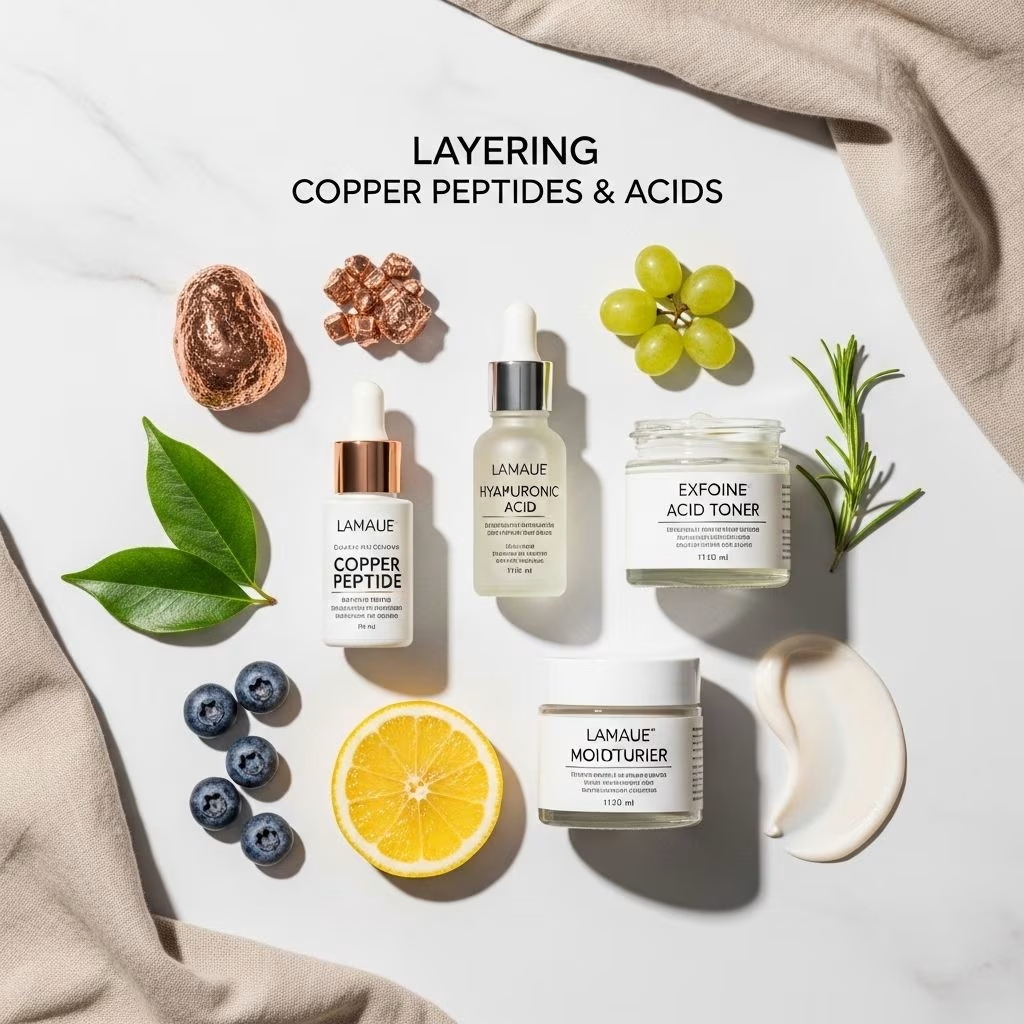
Introduction to Layering Copper Peptides & Acids
Layering skincare products has become a popular technique for achieving optimal results, especially when combining powerful ingredients like copper peptides and skincare acids. Copper peptides, known for their anti-aging properties, work by stimulating collagen and elastin production, while skincare acids offer exfoliation and rejuvenation benefits. However, understanding how to layer these ingredients effectively is crucial to maximize their benefits and minimize potential drawbacks.
What are Copper Peptides?
Copper peptides are naturally occurring compounds consisting of small protein fragments bound to copper ions. They are found in various tissues, including the skin, and play a significant role in skin repair and regeneration. Copper peptides, such as GHK-Cu, are praised for their ability to increase collagen production, improve skin elasticity, and reduce the appearance of fine lines and wrinkles.
Benefits of Copper Peptides in Skincare
- Anti-aging Effects: Stimulate collagen and elastin production to reduce wrinkles and improve skin firmness.
- Antibacterial and Anti-inflammatory Properties: Beneficial for acne-prone or sensitive skin.
- Antioxidant Effects: Protect against UV damage and pollution, reducing inflammation and promoting healthier skin.
- Improvement in Skin Texture and Tone: Enhance skin elasticity and even out skin tone.
What are Skincare Acids?
Skincare acids, including alpha-hydroxy acids (AHAs) and beta-hydroxy acids (BHAs), are used for exfoliation, brightening, and hydration. They help remove dead skin cells, unclog pores, and improve skin texture. Common examples include glycolic acid, lactic acid, and salicylic acid.
Benefits of Skincare Acids
- Exfoliation: Remove dead skin cells to reveal smoother skin.
- Pore Reduction: Unclog pores and reduce their appearance.
- Brightening Effects: Even out skin tone and reduce hyperpigmentation.
Layering Copper Peptides with Skincare Acids
Combining copper peptides with skincare acids can be beneficial but requires careful consideration. While copper peptides focus on collagen synthesis and skin repair, skincare acids provide exfoliation and skin brightening. However, using these ingredients together can sometimes limit their effectiveness due to pH compatibility issues or increased skin sensitivity.
Challenges and Considerations
- pH Compatibility: Ensure that the pH of both products is compatible to avoid deactivation of active ingredients.
- Skin Sensitivity: Start with low concentrations to avoid irritation, especially if you have sensitive skin.
- Product Selection: Choose products with a high concentration of copper peptides and well-formulated acids to maximize benefits.
How to Layer Copper Peptides & Acids
To layer these ingredients effectively, start by applying a gentle exfoliating acid in the morning, followed by a copper peptide serum or cream. This sequence helps maintain skin health while avoiding potential irritation. Always apply sunscreen during the day as copper peptides can increase skin sensitivity to the sun.
Step-by-Step Guide to Layering
- Preparation: Cleanse your face with a gentle cleanser.
- Exfoliation: Apply a gentle acid (e.g., glycolic or lactic acid) to help remove dead skin cells.
- Copper Peptide Application: Follow with a copper peptide serum or cream to stimulate collagen production and skin repair.
- Moisturizing and Sun Protection: Finally, apply a moisturizer and sunscreen to hydrate and protect your skin.
Alternatives to Layering
If you find layering too complex or experience irritation, consider using products that combine copper peptides with gentle acids in a single formula. These products are designed to work synergistically, providing exfoliation and anti-aging benefits without the need for multiple layers.
Conclusion
Layering copper peptides with skincare acids can be a powerful strategy for achieving youthful, healthy-looking skin. However, it requires a thoughtful approach to avoid potential drawbacks. By understanding the benefits of each ingredient and how to combine them effectively, you can create a skincare routine that addresses multiple skin concerns simultaneously.
Frequently Asked Questions (FAQs)
Q: Can I use copper peptides with retinol?
A: While both ingredients are beneficial for anti-aging, using them together may reduce their effectiveness. It’s best to use them on alternate days or consult a dermatologist for guidance.
Q: How often should I layer skincare acids and copper peptides?
A: Start with a once or twice weekly application of acids and use copper peptides daily. Adjust as needed based on skin sensitivity and response.
Q: Are copper peptides safe for sensitive skin?
A: Copper peptides are generally safe but can increase skin sensitivity. Begin with a small patch test and gradually increase usage if tolerated well.
Q: Can I use other skincare products with copper peptides and acids?
A: Yes, but choose products that are gentle and won’t interfere with the effectiveness of these ingredients. Avoid harsh products or those that alter the skin’s pH significantly.
References
- https://hudsonfacialplastics.com/copper-peptides/
- https://www.healthline.com/health/copper-peptides
- https://www.biossance.com/blog/the-ultimate-guide-on-copper-peptide/
- https://www.creative-peptides.com/article/copper-peptides-classification-benefits-and-mechanism-of-action-223.html
- https://pmc.ncbi.nlm.nih.gov/articles/PMC6073405/
- https://pmc.ncbi.nlm.nih.gov/articles/PMC4556990/
- https://www.jenniferbaronmd.com/blog/vitamin-c-v-copper-peptides-a-scientific-perspective
- https://nichebeautylab.com/en/products/copper-peptide


