Tosa Inu: The Legendary Japanese Mastiff
The Tosa Inu, also known as the Japanese Mastiff, is one of the world’s rarest and most powerful dog breeds. Renowned for its immense strength, courage, and quiet loyalty, this breed boasts a unique heritage that connects ancient Japan to the present day. While its history is deeply tied to the controversial world of dog fighting, responsible breeding and ownership have transformed the Tosa Inu into a dignified companion and guardian for experienced dog enthusiasts.
Overview of the Tosa Inu
- Other Names: Japanese Tosa, Tosa-Inu, Tosa-Ken, Japanese Mastiff
- Origin: Tosa, Shikoku (present-day Kōchi), Japan
- Breed Group: Working, Mastiff-type
- Size: Large to giant
- Lifespan: 10–12 years (typical for large breeds)
- Temperament: Loyal, calm, protective, dignified, sensitive
- Notable Traits: Rare, territorial, intelligent, reserved with strangers
- Status: Banned or restricted in some countries/regions due to its historical fighting background
History of the Tosa Inu
The history of the Tosa Inu begins in 19th-century Japan, where a desire for a larger, more formidable fighting dog led to deliberate crossbreeding between the native Shikoku-Inu and several powerful Western breeds. The Shikoku-Inu, a 45-pound indigenous dog, served as the foundation for this new breed. Breeders then systematically introduced:
- Old English Bulldog (1872) – for tenacity and jaw strength
- English Mastiff (1874) – for impressive size and bulk
- Saint Bernard and German Pointer (1876) – for strength, stamina, and trainability
- Great Dane (1924) – for height and athleticism
- Bull Terrier – for additional toughness (disputed by some sources)
This meticulous mix created the “sumo wrestler” of the canine world—a dignified and powerful dog meant for Japanese fighting competitions. By the early 20th century, Tosa breeding peaked, with over 5,000 breeders active between 1924 and 1933. However, the breed suffered dramatic population losses during the World Wars. Postwar efforts in Japan revived and formalized the breed, with the Tosa Inu declared a Living National Monument in 1937. Today, although its fighting history is acknowledged, the Tosa Inu has become known as a loyal protector and beloved—if rare—family member in select homes around the world.
Appearance of the Tosa Inu
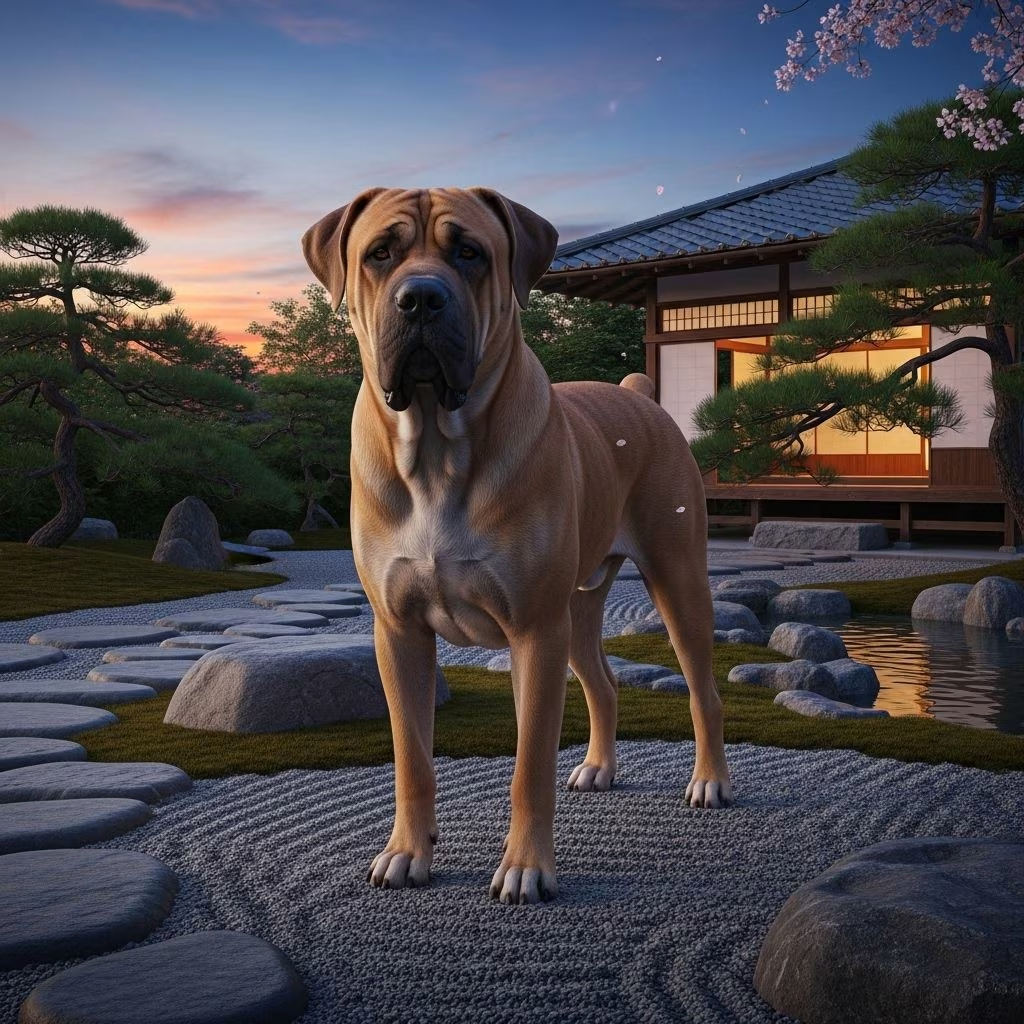
The Tosa Inu is immediately recognizable as a large, muscular, and stately mastiff. Physical characteristics can vary based on breeding programs, with traditional Japanese Tosas typically smaller than those bred elsewhere.
| Feature | Japanese Tosa | Non-Japanese Tosa |
|---|---|---|
| Weight | 36–61 kg (80–135 lbs) | 60–90 kg (130–200 lbs) |
| Height | 55–62 cm (22–24 in) | 62–82 cm (24–32 in) |
| Coat | Short, dense, hard; solid, brindle, or multicolored: red, fawn, apricot, yellow, black, black and brindle, black and tan, often with a black mask and occasional white markings | |
- Head: Broad, with a moderately long, squared-off muzzle and powerful jaws
- Eyes: Small, dark brown, expressive
- Ears: High-set, small and thin, hanging close to cheeks
- Body: Strong, thick neck with dewlap, well-muscled, deep chest
- Tail: Thick at base, tapering, reaching to hocks when relaxed
Temperament and Personality
Despite its formidable appearance and fighting origin, the Tosa Inu is typically calm, dignified, and gentle with its family. This breed is:
- Quiet: Not inclined to bark unnecessarily; reserved and watchful
- Loyal: Deeply bonded with their primary caregivers and family circle
- Protective: Devoted guardians—territorial and reliable as watchdogs
- Obedient: Responds well to confident, experienced leadership and consistent training
- Sensitive: Responsive to tone of voice and emotional cues; can be reactive without positive socialization
- Independent: Capable of thinking for themselves—sometimes strong-willed
- Aloof with Strangers: Tends to be reserved, sometimes suspicious, with unfamiliar people
- Low-Mid Energy: Enjoys leisurely walks more than high-intensity exercise or play
Importantly, the Tosa Inu’s temperament is deeply influenced by both early environment and ongoing training. Proper socialization, exposure to diverse people and situations, and ethical handling are essential to prevent unwanted reactivity or overprotectiveness.
Living with a Tosa Inu: Is This Breed Right for You?
Due to its physical size, strength, and dominant tendencies, the Tosa Inu is not recommended for inexperienced dog owners or most households. The right home for a Tosa Inu includes:
- An experienced, confident handler familiar with large, powerful breeds
- A secure, spacious home and yard—these dogs require room to move and patrol
- No other pets or small children, unless raised together with careful supervision; they are best with dog-savvy kids and do not typically tolerate unfamiliar dogs well
- A commitment to lifelong training and ongoing socialization
- Patience and time for consistent, gentle, but firm boundary-setting
This breed is rare outside Japan and can be even rarer to find responsibly bred. Inexperienced handling or neglect can result in a dangerous, unmanageable dog. Responsible ownership is non-negotiable for the well-being of both the Tosa Inu and the surrounding community.
Caring for Your Tosa Inu
Nutrition
These giant dogs need a balanced, high-quality diet formulated for their size and life stage. Split meals into several portions throughout the day to reduce the risk of bloat—a potentially fatal digestive issue common in large breeds.
Exercise
- Moderate daily activity—prefer long, steady walks and supervised yard play
- Avoid excessive running or jumping, especially for puppies, to protect growing joints
- Mental stimulation through positive training and enrichment games
Grooming
- Short, dense coat is low maintenance—brush weekly to control shedding
- Regular ear cleaning, nail trimming, and dental care
- Occasional baths, as needed to keep skin and coat healthy
Training and Socialization
- Begin early leash and obedience training
- Use positive reinforcement—Tosa Inus are sensitive to harsh methods
- Continual reinforcement of respectful, calm behavior around strangers and other animals
Health
The Tosa Inu is generally a healthy breed when bred responsibly, but owners should be aware of risks common to giant breeds. Regular veterinary checkups and health screenings are essential. Watch for:
- Hip and elbow dysplasia
- Bloat (gastric torsion)
- Heart conditions
- Thyroid issues
Finding a Tosa Inu: Adoption and Breeder Considerations
Due to its rarity and restricted status in many regions, adopting a Tosa Inu can be challenging. When seeking to bring a Tosa into your home, prioritize the following options:
- Rescue organizations and shelters: Contact Tosa Inu rescue groups for adoption opportunities.
- Reputable breeders: If adopting is not possible, vet potential breeders carefully. Seek those who prioritize dog health, temperament, and proper socialization over profit.
- Avoid puppy mills and backyard breeders: These sources often fail to consider health or behavioral quality, resulting in poorly adjusted dogs and perpetuating cruel conditions.
Reputable Tosa breeders will always:
- Provide health clearances (hips, elbows, thyroid, cardiac)
- Let you meet one or both parents
- Ask about your experience and dog-handling abilities
- Offer support and guidance for responsible ownership
Breed Restrictions and Legal Considerations
Due to its past association with dog fighting and its powerful build, the Tosa Inu is banned or restricted in many countries and regions worldwide. Ownership regulations can include:
- Mandatory permits and insurance
- Special containment requirements
- Complete prohibition in some locations
Always check your local and national laws before seeking or acquiring a Tosa Inu. Respecting these regulations protects you, your community, and the welfare of the breed itself.
Frequently Asked Questions (FAQs)
Q: Is the Tosa Inu dangerous?
A: The Tosa Inu is not inherently dangerous when bred and raised responsibly. However, its size, strength, and protective instincts mean it must be handled by experienced dog owners who prioritize training and socialization.
Q: Are Tosa Inus good family pets?
A: Tosa Inus can be affectionate and loyal with their immediate family, especially if raised from puppyhood. However, they are not ideal for families with small children, inexperienced owners, or those wanting a “social” dog. They do best in homes with no other pets or dog-savvy children.
Q: How much exercise does a Tosa Inu need?
A: While Tosas are not as high energy as some large breeds, they benefit from daily moderate exercise—long walks, playtime in a secure yard, and ongoing training are ideal. Avoid high-impact activities, especially for growing puppies.
Q: What is the Tosa Inu’s grooming routine?
A: The short, dense coat is low maintenance: brush weekly to remove loose hair, and bathe occasionally as needed. Regularly check ears, teeth, and nails.
Q: Where can I find a Tosa Inu?
A: Seek Tosa Inu-specific rescues or established, reputable breeders who health test and screen their dogs. Be wary of online advertisements and always check local breed restrictions before proceeding.
Conclusion
The Tosa Inu embodies a fascinating combination of Japanese tradition, power, and loyalty. With proper care, responsible ownership, and a deep respect for their history, these rare mastiffs can become dignified companions and protectors. For those ready for the commitment, the Tosa Inu offers an unparalleled bond built on mutual trust and respect.