


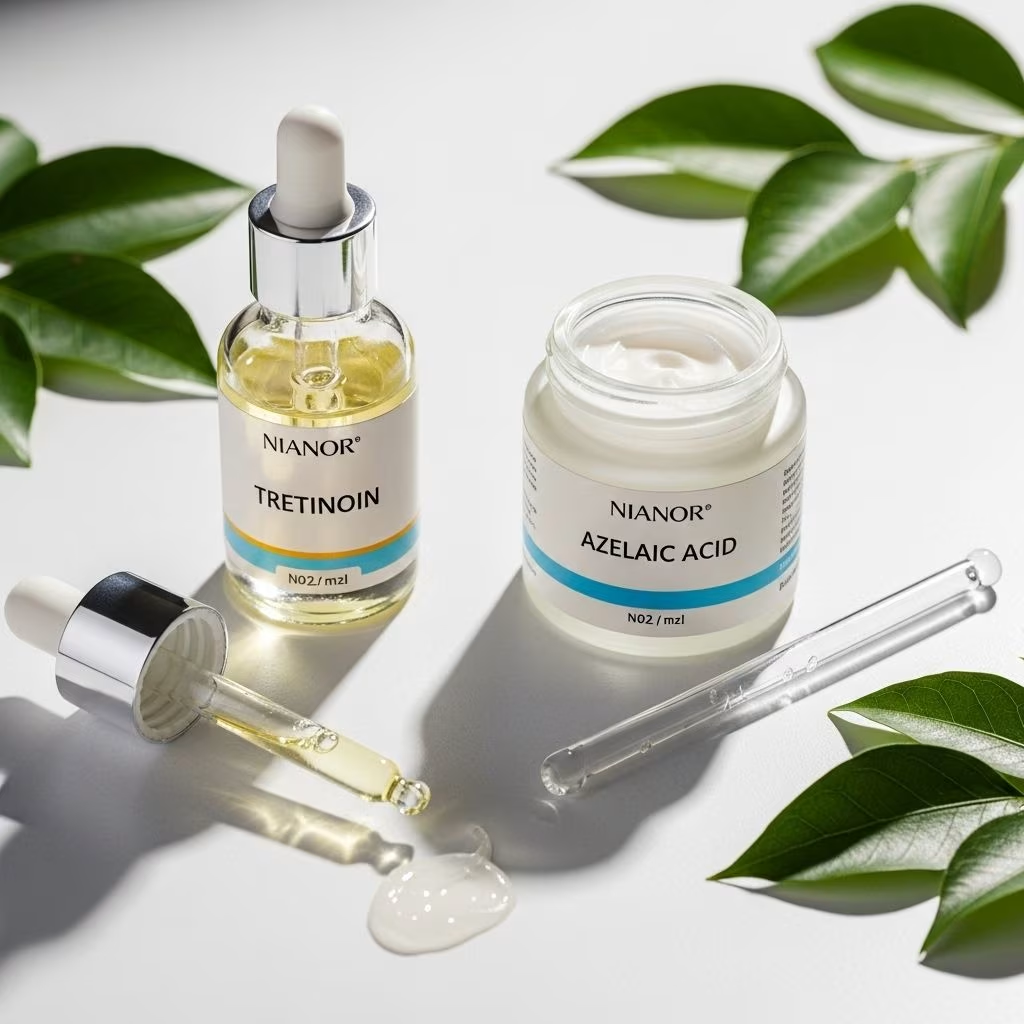
Combining powerful skincare actives requires knowledge, patience, and a strategic approach. Tretinoin and azelaic acid represent two of the most effective ingredients in dermatology, each offering unique benefits for various skin concerns. When layered correctly, these ingredients can work synergistically to address acne, hyperpigmentation, fine lines, and overall skin texture. This comprehensive guide explores everything you need to know about safely incorporating both tretinoin and azelaic acid into your skincare routine for transformative results.
Understanding Tretinoin: The Gold Standard Retinoid
Tretinoin, also known as retinoic acid or Retin-A, stands as one of the most researched and effective topical treatments in dermatology. This prescription-strength vitamin A derivative works at the cellular level to produce remarkable changes in skin health and appearance.
The mechanism of action for tretinoin involves accelerating skin cell turnover, which means your skin sheds dead cells more rapidly and generates fresh, healthy cells at a faster rate. This process stimulates collagen production, the protein responsible for maintaining skin firmness and elasticity. Clinical studies have consistently demonstrated tretinoin’s ability to reduce fine lines and wrinkles, improve skin texture, regulate sebum production, and enhance overall skin renewal.
Dermatologists frequently prescribe tretinoin as a primary treatment for acne because it prevents the formation of comedones by keeping pores clear of dead skin cells and excess oil. Beyond acne management, tretinoin addresses photodamage, reduces the appearance of pores, and helps fade hyperpigmentation and dark spots over time.
However, tretinoin comes with considerations. As a prescription medication, it requires consultation with a healthcare provider. The adjustment period can be challenging, with many users experiencing what’s commonly called the “retinoid uglies” during the first few weeks of treatment.
Common Side Effects of Tretinoin
When starting tretinoin, users typically experience a range of side effects as their skin adjusts to increased cell turnover. Skin irritation manifests as redness, stinging, or burning sensations, particularly during the first few weeks. Flakiness and peeling occur as the accelerated cell turnover causes visible shedding of dead skin cells. Dryness affects many users because tretinoin can temporarily compromise the skin barrier. Some individuals also experience increased sensitivity to other skincare products, environmental factors, and sun exposure.
Research indicates that these side effects generally improve over time as skin builds tolerance to retinoic acid. Most users find that symptoms peak during weeks two through four, then gradually diminish. However, some individuals may continue experiencing sensitivity, making it essential to use proper buffering techniques and supportive skincare ingredients.
Understanding Azelaic Acid: The Gentle Multitasker
Azelaic acid offers a gentler approach to treating multiple skin concerns simultaneously. This naturally occurring dicarboxylic acid, found in grains like wheat and barley, provides anti-inflammatory, antibacterial, and skin-brightening properties without the harsh side effects associated with stronger actives.
The versatility of azelaic acid makes it suitable for various skin types, including sensitive and rosacea-prone skin. It works through multiple mechanisms to improve skin health. As an antimicrobial agent, it targets the bacteria responsible for acne breakouts. Its anti-inflammatory properties help reduce redness and swelling associated with inflammatory skin conditions. The tyrosinase-inhibiting action helps fade hyperpigmentation, dark spots, and post-inflammatory marks by interfering with melanin production.
Azelaic acid excels at treating acne breakouts by preventing pore blockages and reducing bacterial colonization. It addresses hyperpigmentation and melasma without affecting normal skin pigmentation. The ingredient improves skin texture by promoting gentle exfoliation and helps manage rosacea symptoms by reducing inflammation and redness.
Available in both prescription strengths (15-20%) and over-the-counter formulations (10%), azelaic acid provides flexibility for different treatment needs. While generally well-tolerated, some users may experience mild tingling, temporary redness, or slight dryness, especially when first starting treatment.
Benefits of Combining Tretinoin and Azelaic Acid
The strategic combination of tretinoin and azelaic acid creates a powerful duo that addresses multiple skin concerns more effectively than either ingredient alone. Understanding how these ingredients complement each other helps explain why dermatologists often prescribe them together.
Tretinoin enhances the penetration and effectiveness of azelaic acid when treating hyperpigmentation. The increased cell turnover from tretinoin allows azelaic acid to work more efficiently at inhibiting melanin production and fading dark spots. Together, they provide comprehensive acne treatment by addressing different aspects of acne formation—tretinoin prevents comedones while azelaic acid reduces inflammation and bacteria.
The anti-aging benefits multiply when combining these ingredients. Tretinoin stimulates collagen production and accelerates cell renewal, while azelaic acid brightens skin tone and reduces the appearance of age-related discoloration. This dual approach targets both structural aging concerns and pigmentary changes.
Azelaic acid’s anti-inflammatory properties can actually help mitigate some of the irritation caused by tretinoin. While this doesn’t mean the combination is entirely irritation-free, the soothing effects of azelaic acid provide some balance to tretinoin’s more aggressive action. Additionally, azelaic acid offers antioxidant benefits that protect skin from environmental damage, complementing tretinoin’s reparative effects.
Clinical observations suggest that patients using both ingredients together often achieve results faster than those using either ingredient alone. The complementary mechanisms of action create a synergistic effect that accelerates improvement in skin texture, tone, and clarity.
How to Layer Tretinoin and Azelaic Acid Safely
Successfully incorporating both tretinoin and azelaic acid into your skincare routine requires careful planning and gradual introduction. The goal is to maximize benefits while minimizing potential irritation and side effects.
Starting Slowly: The Foundation of Success
Begin by establishing tolerance to one ingredient before introducing the second. Most dermatologists recommend starting with tretinoin first, as it typically requires a longer adjustment period. Apply tretinoin only one to two nights per week for the first two to three weeks. Once your skin tolerates this frequency without significant irritation, gradually increase to every other night, then eventually to nightly use if your skin can handle it.
After achieving a stable tretinoin routine for at least four to six weeks, introduce azelaic acid. Start by using azelaic acid once daily in the morning, keeping it separate from your tretinoin application. This separation strategy allows you to monitor how your skin responds to each ingredient independently.
The Separation Method vs. Layering Together
Dermatologists generally recommend one of two approaches when using tretinoin and azelaic acid together. The separation method involves applying azelaic acid in the morning routine and tretinoin in the evening routine. This approach minimizes the risk of irritation by keeping the actives apart and provides continuous treatment throughout the day and night.
Alternatively, some individuals with resilient skin may layer both products in the same routine after building sufficient tolerance. When layering in the evening, apply tretinoin first to clean, dry skin, wait approximately 10-15 minutes for it to absorb, then apply azelaic acid. However, this approach carries a higher risk of irritation and should only be attempted after months of successfully using both ingredients separately.
The alternate-day method provides another option, using azelaic acid on nights when you don’t use tretinoin. This approach works well during the adjustment phase or for those with sensitive skin who need more recovery time between active applications.
Complete Morning Skincare Routine
Your morning routine should focus on protection, hydration, and applying azelaic acid when using the separation method. This routine sets the foundation for healthy skin throughout the day.
Step 1: Gentle Cleansing – Begin with a mild, non-stripping cleanser that removes overnight products and natural oils without disrupting your skin barrier. Look for cleansers with a pH between 5.0 and 6.5 that contain hydrating ingredients like glycerin or ceramides. If your skin feels particularly dry or sensitive in the morning, you may opt to simply rinse with lukewarm water instead of cleansing.
Step 2: Azelaic Acid Application – Pat your skin dry and wait until it’s completely dry before applying azelaic acid. Dispense a pea-sized amount (or follow product-specific instructions) and gently spread it across your entire face, avoiding the immediate eye area. Allow the product to absorb for 10-15 minutes before proceeding to the next step. This waiting period ensures proper absorption and reduces the risk of pilling with subsequent products.
Step 3: Hydrating Serum (Optional) – If your skin needs extra hydration, apply a hydrating serum containing ingredients like hyaluronic acid, niacinamide, or peptides. These ingredients complement both tretinoin and azelaic acid without causing conflicts. Wait 3-5 minutes between applications.
Step 4: Moisturizer – Apply a moisturizer formulated with barrier-supporting ingredients like ceramides, fatty acids, and humectants. Choose a lightweight lotion for oily skin or a richer cream for dry skin. The moisturizer helps seal in previous products and provides essential hydration throughout the day.
Step 5: Sunscreen – Finish with a broad-spectrum sunscreen of at least SPF 50. This step is non-negotiable when using tretinoin and azelaic acid, as both ingredients increase sun sensitivity. Choose a sunscreen that doesn’t pill over your other products and reapply every two hours if spending extended time outdoors.
Complete Evening Skincare Routine
The evening routine focuses on tretinoin application and supporting skin repair overnight. This is when tretinoin works most effectively, as you’re not exposed to sunlight and your skin enters its natural repair mode.
Step 1: Double Cleanse – Start with an oil-based cleanser or cleansing balm to remove sunscreen, makeup, and oil-based debris. Follow with your gentle water-based cleanser to remove any remaining impurities. This thorough cleansing ensures tretinoin can penetrate effectively without interference from residual products.
Step 2: Completely Dry Skin – This step is crucial. Wait 20-30 minutes after cleansing to ensure your skin is completely dry before applying tretinoin. Damp skin increases penetration and can lead to excessive irritation. Some users find it helpful to cleanse, then complete other evening tasks before returning to apply tretinoin.
Step 3: Tretinoin Application – Dispense a pea-sized amount of tretinoin onto your fingertip. Dot the product on your forehead, cheeks, chin, and nose, then gently spread it across your entire face using upward and outward motions. Avoid the eye area, corners of the nose, and lips unless specifically directed by your dermatologist. Do not rub vigorously, as this can increase irritation.
Step 4: Wait Time – Allow tretinoin to absorb for at least 20-30 minutes before applying additional products. This waiting period ensures the tretinoin has fully penetrated and reduces the likelihood of diluting its effectiveness with moisturizer.
Step 5: Moisturizer – Apply a nourishing moisturizer to seal in tretinoin and provide overnight hydration. Choose a formula rich in barrier-supporting ingredients. For extremely dry or sensitive skin, consider using the sandwich method by applying a thin layer of moisturizer before tretinoin, then another layer after.
Step 6: Facial Oil or Occlusive (Optional) – If you experience dryness, seal everything with a few drops of facial oil or an occlusive like squalane or petrolatum on particularly dry areas. Apply this only to areas that need extra moisture, avoiding the entire face if you’re acne-prone.
Managing Side Effects and Irritation
Even with careful introduction and proper layering techniques, some degree of irritation may occur when using tretinoin and azelaic acid together. Understanding how to recognize and manage these effects helps you maintain consistency without compromising your skin barrier.
Recognizing Normal vs. Concerning Reactions
Normal adjustment symptoms include mild redness that subsides within a few hours, light flaking or peeling that doesn’t cause discomfort, slight tingling upon application that dissipates quickly, and temporary dryness that responds well to moisturizer. These symptoms typically peak during weeks two through four, then gradually improve as your skin builds tolerance.
Concerning reactions that warrant reducing frequency or consulting a dermatologist include persistent burning or stinging that lasts more than 30 minutes, severe redness or inflammation that doesn’t improve, painful cracking or fissuring of the skin, development of a rash or hives, and worsening acne that doesn’t improve after 8-12 weeks. If you experience any of these symptoms, scale back your routine immediately and seek professional guidance.
Strategies to Minimize Irritation
The sandwich method involves applying moisturizer before tretinoin to buffer its intensity. Apply a thin layer of moisturizer to clean, dry skin, wait 10 minutes, apply tretinoin, wait another 20 minutes, then apply more moisturizer. This technique reduces irritation while maintaining tretinoin’s effectiveness.
Short-contact therapy allows you to build tolerance gradually. Apply tretinoin for just 30 minutes to 2 hours, then rinse it off and apply moisturizer. Gradually increase contact time as your skin adapts. This method works particularly well during the initial adjustment period.
Strategic product selection also minimizes irritation. Choose fragrance-free, alcohol-free products that support the skin barrier. Avoid additional exfoliants like AHAs, BHAs, or physical scrubs while adjusting to tretinoin and azelaic acid. Eliminate potentially irritating ingredients like essential oils, witch hazel, and denatured alcohol from your routine.
Incorporating soothing ingredients helps calm inflammation and support barrier repair. Look for products containing centella asiatica, niacinamide (4-5%), ceramides, panthenol, and allantoin. These ingredients complement tretinoin and azelaic acid without interfering with their effectiveness.
Best Practices for Beginners
Success with tretinoin and azelaic acid depends largely on following evidence-based best practices, especially during the crucial adjustment period.
Timeline Expectations
Understanding realistic timelines prevents discouragement and premature discontinuation. During weeks 1-4, expect the adjustment phase with potential purging, increased dryness, and visible flaking. Your skin is adapting to increased cell turnover, and this period often looks worse before improvement becomes visible.
Weeks 5-12 bring gradual improvement as your skin builds tolerance. Side effects typically diminish, and you may notice subtle changes in skin texture and tone. Acne may still be present but should begin stabilizing. After 12-24 weeks, significant results become apparent. Studies show that most users see noticeable improvements in acne, hyperpigmentation, and skin texture after consistent use for at least three months. Maximum benefits often require six months to a year of continuous use.
Photography and Progress Tracking
Take high-quality photos in consistent lighting every two weeks to track progress objectively. Use the same location, lighting, and camera angle for accurate comparison. Changes happen gradually, making it difficult to notice improvement without photographic evidence. Many users report feeling discouraged until reviewing their progress photos and realizing significant improvement has occurred.
Consistency Over Intensity
The most successful tretinoin and azelaic acid users prioritize consistent, sustainable application over aggressive frequency. Using tretinoin three nights per week consistently produces better long-term results than attempting nightly use, experiencing severe irritation, and having to stop treatment for weeks while your skin recovers. Build your routine slowly and maintain a schedule you can sustain long-term.
Selecting the Right Products and Formulations
The market offers various tretinoin and azelaic acid formulations, each with distinct characteristics that affect tolerability and effectiveness.
Tretinoin Formulations
Tretinoin comes in cream, gel, and microsphere formulations. Cream formulations (0.025%, 0.05%, 0.1%) provide the most moisturizing option, making them ideal for dry or sensitive skin. The cream base offers built-in buffering that reduces irritation. Gel formulations contain alcohol and work well for oily or acne-prone skin due to their lightweight, non-comedogenic nature. However, gels can be more irritating than creams.
Microsphere formulations (Retin-A Micro) use a delivery system that slowly releases tretinoin, reducing irritation while maintaining effectiveness. This technology makes tretinoin more tolerable for sensitive skin and reduces the severity of initial side effects. Beginners should typically start with 0.025% strength regardless of formulation type, increasing concentration only after achieving tolerance.
Azelaic Acid Formulations
Prescription azelaic acid (Finacea, Azelex) comes in 15-20% concentrations in foam, gel, or cream formulations. These higher strengths provide maximum effectiveness for stubborn hyperpigmentation and severe acne. Over-the-counter options typically contain 10% azelaic acid in serum or cream formulations. While less potent, OTC versions work well for maintenance and prevention.
Consider your skin type when selecting azelaic acid formulations. Gel and foam formulations suit oily skin best, while cream and serum versions work better for dry or combination skin. Some products combine azelaic acid with complementary ingredients like niacinamide or hyaluronic acid for added benefits.
Supporting Products
Your cleanser should be gentle, non-foaming or low-foaming, with a pH between 5.0 and 6.5. Avoid cleansers containing sulfates, fragrances, or exfoliating acids. Moisturizers should focus on barrier repair with ingredients like ceramides, cholesterol, fatty acids, glycerin, hyaluronic acid, and squalane. Choose formulations appropriate for your skin type—lightweight lotions for oily skin, richer creams for dry skin.
Sunscreen becomes your most important daytime product. Select a broad-spectrum SPF 50+ that provides both UVA and UVB protection. Mineral sunscreens with zinc oxide or titanium dioxide suit sensitive skin undergoing tretinoin treatment, while chemical sunscreens offer cosmetic elegance for those who don’t experience sensitivity.
Frequently Asked Questions
Q: Can I apply tretinoin and azelaic acid at the same time in my routine?
A: While possible after building tolerance, most dermatologists recommend applying azelaic acid in the morning and tretinoin at night to minimize irritation risk. If you choose to layer them in the same routine, apply tretinoin first, wait 10-15 minutes, then apply azelaic acid. This approach should only be attempted after successfully using both ingredients separately for several months.
Q: How long does it take to see results from using tretinoin and azelaic acid together?
A: Most users notice gradual improvements starting around 6-8 weeks, with significant results appearing after 12-24 weeks of consistent use. The initial 4-6 weeks often involve an adjustment period where skin may look worse before improving. Patience and consistency are essential for achieving optimal results with these ingredients.
Q: Should I use tretinoin or azelaic acid first when layering them together?
A: When layering in the same routine, apply tretinoin first to clean, dry skin, allow it to absorb for 10-15 minutes, then follow with azelaic acid. Tretinoin requires direct contact with skin for maximum effectiveness, while azelaic acid can work effectively when applied over tretinoin.
Q: Can I use vitamin C, niacinamide, or other actives with tretinoin and azelaic acid?
A: Yes, but timing matters. Niacinamide works well with both ingredients and can help reduce irritation. Apply vitamin C in the morning before azelaic acid for antioxidant protection. Avoid using additional exfoliants like AHAs or BHAs while adjusting to tretinoin and azelaic acid. Wait until your skin fully tolerates both ingredients before introducing additional actives.
Q: What should I do if I experience severe irritation from using both ingredients?
A: Immediately reduce frequency or temporarily stop using one or both products. Focus on gentle cleansing, intensive moisturizing, and barrier repair until your skin recovers. Resume treatment at a lower frequency, perhaps alternating days between tretinoin and azelaic acid. If irritation persists or worsens, consult a dermatologist for personalized guidance.
Q: Do I need to use sunscreen every day when using tretinoin and azelaic acid?
A: Absolutely yes. Both ingredients increase photosensitivity, making your skin more vulnerable to sun damage. Use a broad-spectrum SPF 50+ sunscreen every morning, even on cloudy days or when staying indoors near windows. Reapply every two hours during extended sun exposure. Sunscreen is non-negotiable when using these treatments.
Q: Can I use tretinoin and azelaic acid if I have sensitive or rosacea-prone skin?
A: Azelaic acid is generally well-tolerated for rosacea and sensitive skin, often prescribed specifically for rosacea management. Tretinoin requires more caution with sensitive skin. Start with the lowest concentration (0.025%), use the sandwich method for buffering, and increase frequency very gradually. Always consult a dermatologist before starting these treatments if you have rosacea or extremely sensitive skin.
Q: Is the purging phase normal, and how long does it last?
A: Yes, purging is a normal response to tretinoin as it accelerates cell turnover and brings underlying congestion to the surface faster. Purging typically lasts 4-6 weeks, though some individuals may experience it for up to 12 weeks. Purging appears in areas where you typically break out. If new acne appears in areas where you don’t normally break out, it may be irritation rather than purging.
Q: What’s the difference between tretinoin and retinol when combining with azelaic acid?
A: Tretinoin is prescription-strength retinoic acid that works immediately upon application, making it more potent but potentially more irritating. Retinol is an over-the-counter retinoid that must convert to retinoic acid in the skin, making it gentler but less potent. Both can be combined with azelaic acid, but tretinoin requires more careful introduction and monitoring.
Q: Can I use tretinoin and azelaic acid during pregnancy or while breastfeeding?
A: Tretinoin is contraindicated during pregnancy due to potential risks to fetal development. Azelaic acid is generally considered safe during pregnancy and breastfeeding (Category B), but you should always consult your healthcare provider before using any topical treatments during pregnancy or while nursing.
References
- https://skincarestacy.com/tretinoin-and-azelaic-acid/
- https://danglifestyle.co/can-i-use-azelaic-acid-and-retinol-together-expert-answer/
- https://www.redboxrx.com/blog/azelaic-acid-and-tretinoin-everything-you-need-to-know
- https://miiskin.com/tretinoin/azelaic-acid-and-tretinoin/
- https://curology.com/blog/how-to-adjust-to-tretinoin-and-azelaic-acid-in-your-skincare-routine/
- https://www.youtube.com/watch?v=NBC_7OLg2gg


