


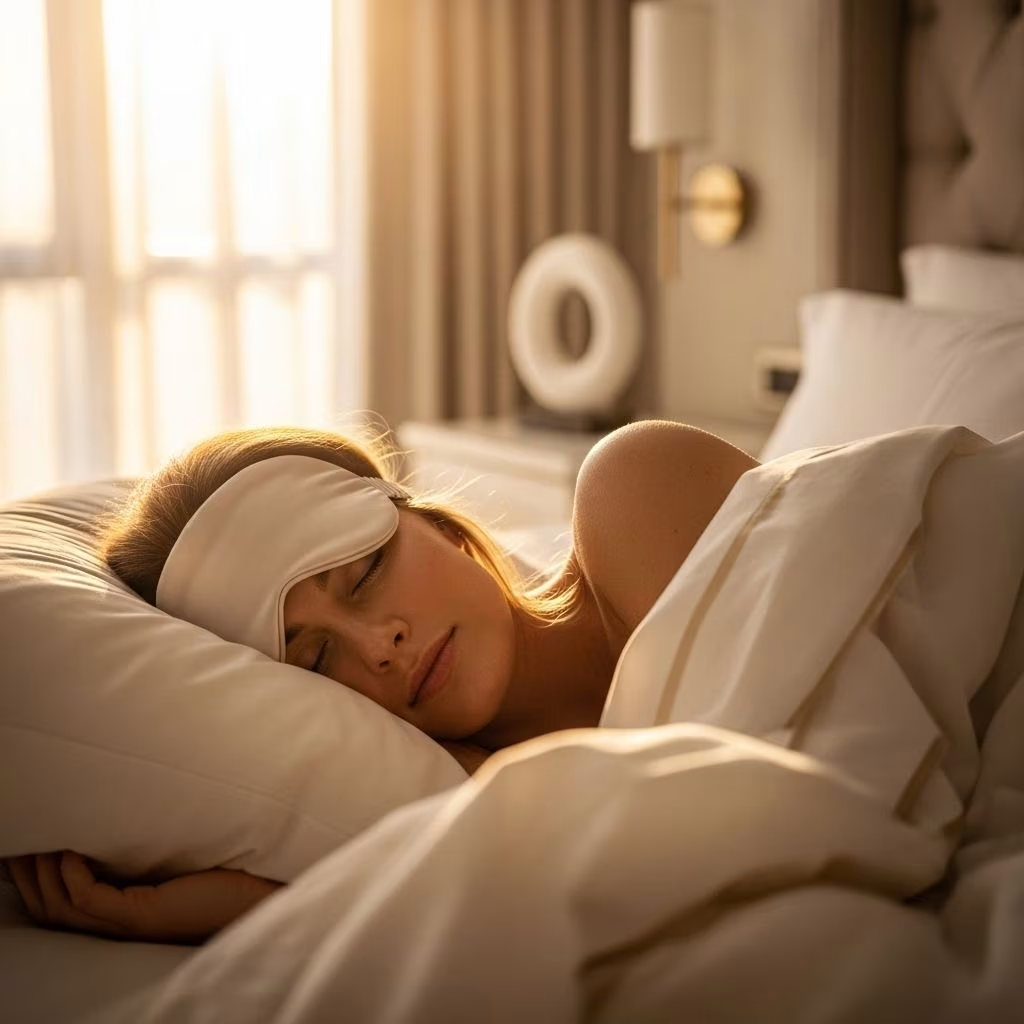
Sleep and Skin Health: Why You Need 8 Hours
In an era defined by demanding schedules and constant digital stimulation, sleep often takes a back seat. However, mounting scientific evidence points to sleep as the cornerstone not only for general health but specifically for skin health. The appearance, resilience, and youthfulness of your skin are intricately tied to the length and quality of your nightly rest. In this comprehensive guide, we explore why eight hours matters—and how undersleeping manifests in your skin, sometimes overnight.
Overview: The Sleep-Skin Connection
Every time you skip sleep, your skin pays the price—sometimes immediately. Studies have shown that sleep deprivation can manifest as rough, dull, and dry skin, along with visible signs like droopy eyelids, dark circles, and increased pore size. And these aren’t just aesthetic concerns: cumulative poor sleep speeds up aging and can worsen or trigger chronic skin diseases.
Why Eight Hours? Scientific Rationale
While individual sleep needs vary, research consistently points to seven to eight hours as optimal for adults. But why does your skin need this window?
- Skin regeneration peaks during deep sleep, when cell turnover and repair processes are maximized.
- Hormonal balance—including decreases in the stress hormone cortisol and increases in growth hormone—occurs mainly in the latter sleep cycles.
- Barrier repair and hydration are most active at night; truncated sleep leaves these processes incomplete.
- Less than 6 hours can disrupt circadian rhythms essential for collagen synthesis and healing.
Eight hours allows the completion of necessary energy-intensive processes that directly affect skin clarity, texture, and resilience.
Visible Skin Changes from Sleep Deprivation
Even a single night of reduced sleep can produce visible skin changes. Below is a breakdown of what happens when you don’t rest enough:
- Decreased Skin Hydration
Transepidermal water loss (TEWL) increases, leading to dryer, rougher skin after sleep deprivation. - Loss of Elasticity & Increased Scaling
Dry skin becomes less elastic and exhibits more flakiness or scaling. - Paler and Dull Skin Tone
Paler complexion and elevated facial skin yellowness or dullness are commonly reported. - Exaggerated Fine Lines & Wrinkles
Wrinkles and droopy mouth corners become more pronounced, giving an aged appearance. - Worsening Eye Area Appearance
Dark circles, puffiness, and blood flow changes are easy to notice. - Enlarged Pores
Facial pores look more conspicuous when hydration and barrier function are compromised. - Reduced Blood Flow
This results in less radiance and slower healing of blemishes or irritations.
Clinical Evidence: How Fast Does Skin Respond?
Clinical studies prove that changes are measurable after a single night of lost sleep—even more pronounced after chronic deprivation. For instance, research found that five consecutive nights of sleeping only four hours led to statistically significant increases in facial skin yellowness and decreases in hydration, which lasted several days even after sleep normalized.
| Skin Feature | Effect of Sleep Deprivation | Time to Onset |
|---|---|---|
| Hydration | Decreased, more dryness | Within 24 hours |
| Elasticity | Reducing, skin feels stiffer | Within 24 hours |
| Pores | Enlarged, more visible | 24–48 hours |
| Yellowness/Dullness | Increased, persists for days | 24–48 hours |
| Fine Lines/Wrinkles | Exaggerated | Few nights |
| Blood Flow | Reduced, less glow | 24 hours |
The Science of Skin Repair During Sleep
Why does your skin need sleep for repair? Here’s what happens beneath the surface:
- Increased Cellular Turnover
Stem cell activity and cell division surge during deep sleep stages, refreshing the epidermis. - Collagen Synthesis
Growth hormone released during sleep drives collagen production, which keeps skin plump and resilient. - Microvascular Repair
Blood flow improves as stress levels drop, ensuring nutrients reach skin cells and damage is repaired. - Reduction of Free Radicals
Antioxidant activity increases, countering oxidative stress built up during waking hours.
When sleep is shortchanged, these regenerative cycles are interrupted, leading to a cumulative deficit in skin health.
Sleep and the Skin Barrier: Your Body’s Shield
The skin barrier is your body’s critical defense against dehydration, infection, and environmental damage. Research reveals that lack of sleep impairs skin barrier function:
- Increased Transepidermal Water Loss (TEWL)—A compromised barrier allows precious water to evaporate, leading to dryness and irritation.
- Elevated Inflammatory Markers—Sleep deprivation boosts cytokines and stress hormones like cortisol, which ramp up inflammation in the skin.
- Slower Healing—Cuts, acne, and other skin wounds heal more slowly when the barrier function is reduced.
Chronic Skin Conditions and Sleep Issues
Not only does poor sleep make healthy skin look worse—it can also actively exacerbate chronic skin diseases:
- Atopic Dermatitis and Eczema—Sleep problems are strongly linked to flare-ups and greater severity.
- Psoriasis—Lack of sleep increases plaque formation and itch intensity.
- Acne—Rise in cortisol, excess oil production, and inflammation triggered by sleep deprivation boost acne risk.
- Other Conditions—Rosacea, chronic urticaria, and even skin infections can be worsened by either acute or chronic sleep loss.
Conversely, the discomfort and itch from these conditions may disrupt sleep further, creating a vicious cycle.
Sleep, Aging, and Skin Youthfulness
One of the most profound effects of chronic sleep loss is accelerated skin aging:
- Fine Lines, Wrinkles, and Sagging—Reduced collagen and elastin means less support for smooth, firm skin.
- Pigmentation and Uneven Tone—Sleep deprivation exacerbates a dull, uneven skin tone through micro-inflammatory changes.
- Loss of Radiance—Reduced microcirculation and hydration sap the skin of its glow.
- Premature Aging Markers—Women who undersleep consistently show more visible aging signs than their well-rested counterparts.
Hormonal Shifts, Inflammation, and Skin
Sleep directly modulates your hormones and immune system:
- Elevated Cortisol—Chronic sleep deprivation spikes this stress hormone, which promotes inflammation, worsens acne, and impairs renewal.
- Impaired Immune Function—Healing slows and risk of infection rises as immune responses weaken.
- Inflammatory Cytokines—High levels of interleukin-1β and TNF-alpha degrade collagen and elastin, undermining structural youthfulness.
- Growth Hormone Deficiency—This anti-aging hormone peaks during deep sleep, driving repair and resilience.
Tips for Better Sleep (and Better Skin)
If you struggle with sleep, you may notice stubborn skin issues—here are evidence-based habits to restore your sleep schedule for improved skin health:
- Maintain a regular sleep schedule—Go to bed and wake up at the same time daily, even on weekends.
- Create a calming bedtime routine—Lower lights, limit screens, and engage in relaxing activities like reading or meditation.
- Use supportive bedding—A comfortable, cool sleep environment enhances deep sleep stages.
- Avoid stimulants—Caffeine and alcohol can sabotage sleep cycles and impair skin repair.
- Protect your skin at night—Use a gentle cleanser, moisturizer, and, if needed, dermatologist-recommended products to support overnight repair.
- Nourish your body and mind—Whole foods, hydration, moderate exercise, and mindfulness lower cortisol and support sleep wellness.
Frequently Asked Questions (FAQs)
Q: Can missing one night of sleep really impact my skin?
A: Yes. Research shows measurable decreases in hydration, increased dullness and pore size, and enhanced signs of fatigue can appear after just a single night of lost sleep.
Q: Why does my skin look dull when I’m sleep deprived?
A: Poor sleep increases skin yellowness and decreases blood flow, making the skin appear less vibrant and more sallow.
Q: What skin conditions are aggravated by sleep problems?
A: Conditions like atopic dermatitis, eczema, psoriasis, acne, and even rosacea can worsen with poor sleep; sleep deprivation fuels inflammation and barrier dysfunction.
Q: Is there a link between sleep and skin aging?
A: Yes. Sufficient sleep supports collagen and elastin production, and its deprivation leads to faster wrinkle formation and sagging.
Q: Can skincare routines compensate for sleep loss?
A: While some products—like antioxidants and moisturizers—may help mitigate acute effects, long-term sleep deprivation cannot be fully offset by topical treatments.
Conclusion: Investing in Your Skin Through Sleep
Radiant, resilient skin isn’t just a matter of genetics or expensive skincare—it’s rooted in the quantity and quality of your nightly sleep. Aim for eight hours to empower your body’s natural repair systems, shield your skin from chronic damage, and maintain the vibrance and youthfulness you desire. The price of neglecting sleep goes far beyond a dull complexion—it may hasten skin aging, worsen dermatological diseases, and make even the best skincare routines fall flat. If you cherish your skin’s health, beauty, and longevity, let sleep become your most treasured beauty ritual.
References
- https://www.scirp.org/journal/paperinformation?paperid=74581
- https://pmc.ncbi.nlm.nih.gov/articles/PMC9861417/
- https://academic.oup.com/ced/article/48/10/1113/7191992
- https://artofdermatology.com/how-sleep-affects-the-skin/
- https://pubmed.ncbi.nlm.nih.gov/37235517/
- https://dallasassocderm.com/the-transformative-power-of-sleep-for-healthy-skin/
- https://aasm.org/study-reveals-the-face-of-sleep-deprivation/
- https://skinandcancerinstitute.com/sleep-and-skin-health-connection/


