


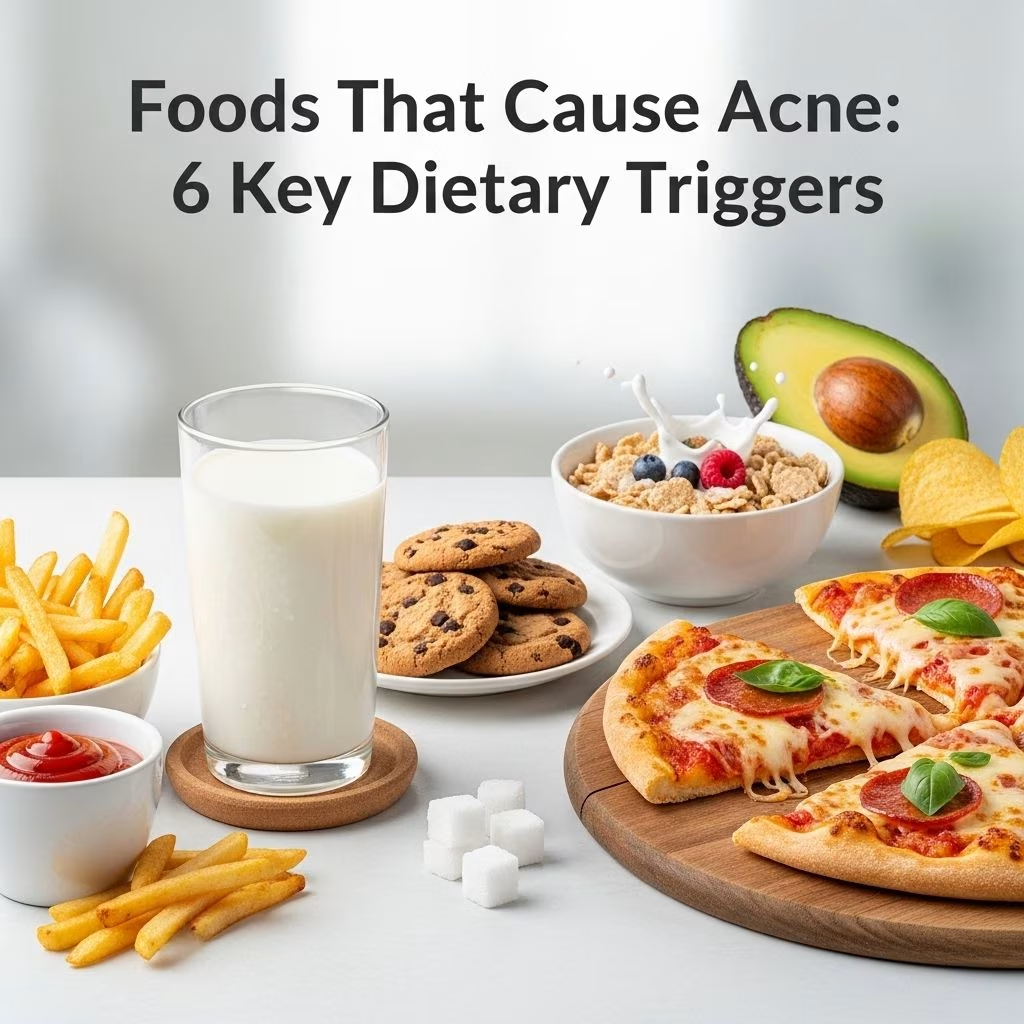
Acne is one of the most common chronic skin conditions, affecting millions worldwide regardless of age. While genetics, hormones, and skin care routines play vital roles, recent scientific research increasingly highlights the role of diet. Certain foods, particularly those promoting inflammation and hormonal fluctuations, are consistently linked to breakouts and worsened acne severity. This comprehensive guide explores the relationship between nutrition, inflammation, and acne, examining which foods trigger or exacerbate skin problems, the underlying mechanisms, and evidence-based dietary strategies to promote clearer skin.
Understanding Acne and Inflammation
Acne is a chronic inflammatory skin condition characterized by pimples, blackheads, whiteheads, and sometimes deeper cystic lesions. It occurs when the pores of the skin become clogged with oil (sebum), dead skin cells, and bacteria. Although genetics and hormones are primary factors, inflammation plays a crucial role in the development and severity of acne. Many foods exacerbate this inflammation, setting the stage for breakouts and persistent skin issues.
The Role of Inflammation
- Inflammation triggers excess oil (sebum) production, fueling acne formation.
- Foods that spike blood sugar (glycemic index) or contain inflammatory fats can worsen this process.
The Diet-Acne Connection: What Science Says
Multiple large-scale studies demonstrate strong associations between certain dietary patterns and the prevalence of acne. Research links an energy-dense diet—rich in processed foods, sugars, animal fats, and dairy—with increased acne severity and higher odds of current breakouts. These foods can affect hormone levels, insulin response, and inflammation in the body, all of which impact acne development.
- A “Western diet” high in animal products and sugars is associated with more acne.
- Conversely, diets high in vegetables, fish, and whole grains show lower association with acne.
High-Glycemic Foods and Breakouts
Foods with a high glycemic index (GI) cause rapid spikes in blood sugar levels. This leads to increased insulin production, which can stimulate oil glands and boost androgen hormones involved in acne formation.
- White bread, rice, pastries, sodas, candy, and cakes are common high-GI foods.
- Elevated insulin promotes inflammation and excess oil production.
- Studies support low-glycemic diets (whole grains, legumes, vegetables) reduce acne severity.
Dairy Products: Milk, Cheese, and Yogurt
Several studies, including the NutriNet-Santé study, associate all types of cow’s milk—whole, low-fat, and skim—with an increased risk of acne. The mechanisms may involve:
- Hormonal content in milk (growth factors, IGF-1) may stimulate oil glands and skin cell growth.
- Both regular consumption of milk and other dairy products were linked to current acne.
It’s worth noting, not all sources agree entirely, and some individuals may be more sensitive than others. Cheese and yogurt are less consistently associated with breakouts, but those prone to acne should monitor their own tolerance.
Sugary and Fatty Foods
Consuming large amounts of processed sugar and unhealthy fats can trigger inflammatory pathways associated with acne. Science consistently shows higher rates of current acne among people who regularly eat cakes, pastries, fries, chips, and sugary beverages.
- Soda and energy drinks are linked to increased breakouts.
- Cakes, donuts, cookies rapidly elevate blood sugar, fueling inflammation and oil production.
- Deep-fried foods and processed snacks contain unhealthy fats that worsen skin inflammation.
Fast Foods and Snacks
Frequently consuming fast food meals—often high in saturated fats, sugar, and refined starches—correlates with increased acne prevalence. Additionally, the salt and preservatives used in many fast foods can negatively affect general skin health.
- Fast food and processed snack consumption is high among those reporting past and current acne.
- Healthier snack alternatives (nuts, fresh vegetables) show lower associations with breakouts.
Chocolate: Myth vs. Reality
Chocolate has long been suspected of causing pimples, but evidence is mixed. Large cohort studies found no significant association between dark or milk chocolate and current or past acne. However, chocolate products high in sugar and milk—such as commercial candy bars—might aggravate acne in some people because of their other ingredients.
Whey Protein and Hormonal Impact
There is growing evidence that whey protein supplements, commonly used in fitness circles, may trigger or worsen acne. Studies indicate whey protein can raise levels of insulin-like growth factor 1 (IGF-1), stimulating sebum (oil) production and increasing the risk of breakout.
- Individuals prone to acne should consider avoiding or limiting whey protein supplements.
Comparison Table: Best & Worst Foods for Acne
| Food Category | Examples | Acne Risk Level | Notes |
|---|---|---|---|
| High-Glycemic Foods | White bread, rice, soda, cakes | High | Spike blood sugar & insulin, raising inflammation |
| Dairy Products | Milk, cheese, yogurt | Moderate | Hormonal content may trigger acne in sensitive individuals |
| Sugary/Fatty Foods | Pastries, chips, fries, processed snacks | High | Promote inflammation & hormonal changes |
| Whey Protein Supplements | Powder shakes | High (for some) | Increases IGF-1; can worsen breakouts |
| Low-Glycemic Foods | Whole grains, legumes, leafy greens | Low | Help regulate blood sugar, reduce inflammation |
| Omega-3 Rich Foods | Salmon, walnuts, chia seeds | Low | Anti-inflammatory benefits help skin health |
Dietary Tips for Clearer Skin
- Choose low-glycemic foods: whole grains, beans, vegetables, berries.
- Increase omega-3 fatty acids from fish, walnuts, flaxseed.
- Limit processed sugar and saturated fat intake.
- Monitor and possibly reduce cow’s milk and dairy product consumption.
- Drink plenty of water and avoid sugary beverages.
- Adopt a balanced, nutrient-rich diet to support overall skin health.
Frequently Asked Questions (FAQs)
Q: Can eating greasy foods cause acne?
Greasy foods themselves are not direct causes, but diets high in unhealthy fats and processed snacks promote inflammation and may increase breakouts.
Q: Is chocolate really bad for my skin?
Current large-scale studies find no direct link between chocolate (especially dark chocolate) and acne. However, chocolate products loaded with sugar or milk may aggravate acne in some individuals.
Q: Will quitting dairy clear my acne?
Some people experience clearer skin after removing milk and dairy, especially if sensitive to the hormones present in cow’s milk. Individual responses vary; keep a food diary and consult your dermatologist.
Q: Are there foods that help prevent acne?
Yes. Foods rich in antioxidants (berries, leafy greens), omega-3 fats (salmon, chia seeds), and whole grains help reduce inflammation and may lower acne risk.
Q: If I eat healthy, will my acne go away?
Diet is one part of a complex picture including genetics, hormones, and skin care. Improving your diet can reduce breakouts, but may not eliminate acne entirely for everyone.
Conclusion
The relationship between diet and acne is supported by mounting evidence. High-glycemic foods, dairy products, high-sugar and high-fat items, fast foods, and whey protein supplements are among the most frequently implicated triggers. Diets that promote inflammation and disrupt hormonal balance can worsen acne for those susceptible. However, choosing nutrient-rich foods, emphasizing vegetables, whole grains, omega-3 fatty acids, and minimizing processed sugars and fats offers a sound strategy for supporting clearer skin.
As individual responses to food vary, tracking your own skin’s reaction to dietary changes is crucial. Consulting with a dermatologist and registered dietitian ensures a personalized approach to managing acne through lifestyle, medications, and nutrition.
References
- https://jamanetwork.com/journals/jamadermatology/fullarticle/2767075
- https://www.health.harvard.edu/blog/does-diet-really-matter-when-it-comes-to-adult-acne-2020081920726
- https://www.eatrightpro.org/news-center/practice-trends/diet-and-acne
- https://pmc.ncbi.nlm.nih.gov/articles/PMC2836431/
- https://www.aad.org/public/diseases/acne-and-rosacea/can-the-right-diet-get-rid-of-acne
- https://www.laroche-posay.me/en/article/the-facts-about-acne-causing-foods
- https://forefrontdermatology.com/are-there-foods-that-actually-make-acne-worse/
- https://www.webmd.com/skin-problems-and-treatments/acne/ss/slideshow-acne-best-worst-foods


