


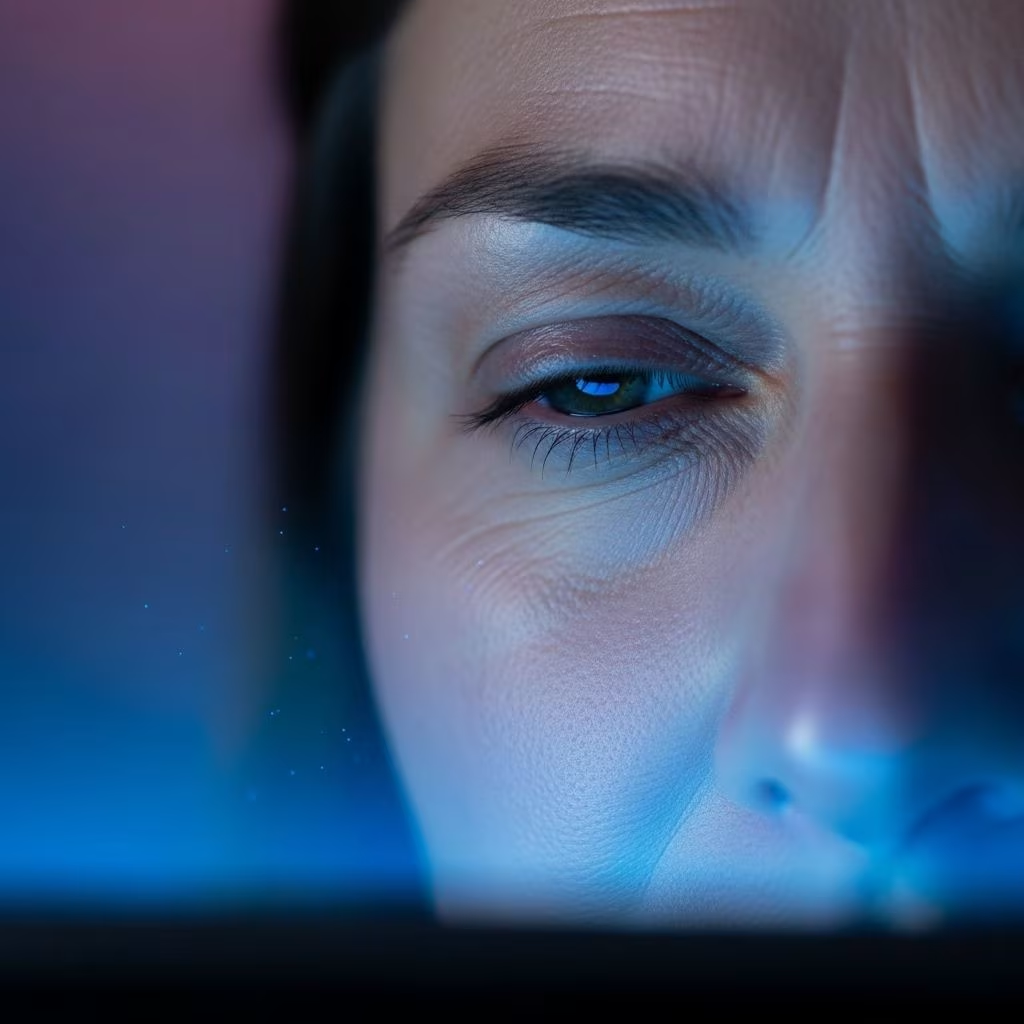
As digital devices become inseparable from daily life, concerns about their health impacts have expanded beyond eye strain and disrupted sleep. Increasing scientific evidence shows that blue light (HEV light) emitted by screens can induce skin damage, accelerate aging, and trigger hyperpigmentation — making screen-related photoaging a new frontier in modern dermatology.
Understanding Blue Light and Its Sources
Blue light, also known as high-energy visible (HEV) light, is part of the visible light spectrum, spanning wavelengths from 400 to 500 nanometers. It is naturally present in sunlight but is also emitted by digital devices like smartphones, computers, tablets, and LED lighting.
- Natural sources: Sunlight (majority of outdoor blue light exposure)
- Artificial sources: Phones, laptops, TVs, LED lamps, fluorescent lighting
- Screen exposure: While the energy is lower than UV, long-duration, close-range exposure is a concern, especially for people who spend several hours daily in front of screens.
In modern lifestyles, artificial blue light exposure from screens can be more chronic and cumulative than brief bursts of outdoor sunlight, particularly for office workers and digital natives.
Biological Impact of Blue Light on Skin
Blue light penetrates skin more deeply than UVB but less than UVA, reaching as far as the dermis. Research shows it can induce both direct and indirect damage to skin cells:
- Direct effects: Excessive generation of reactive oxygen species (ROS), leading to oxidative stress, DNA damage, and cell death.
- Indirect effects: Disrupts local and central circadian rhythms, impairs natural nighttime skin repair, and triggers inflammatory responses.
- Dermal consequences: Collagen breakdown, elastin degradation, impaired skin barrier, and increased pigmentation.
Blue Light Versus UVA: Differences and Similarities
| Characteristic | UVA | Blue Light (HEV) |
|---|---|---|
| Wavelength | 320–400 nm | 400–500 nm |
| Penetration | Deeper (dermis) | Moderate (epidermis to upper dermis) |
| Main Effects | Collagen breakdown, photoaging, pigmentation | Hyperpigmentation, collagen degradation, oxidative stress |
| Primary Mechanism | Activates TRPA1, produces singlet oxygen | Activates OPN3, generates superoxides, ROS |
| Pigment Impact | General | Stronger, longer-lasting in darker skin types |
| Sources | Sun | Sun, digital screens, LEDs |
Both UVA and blue light accelerate aging via separate molecular pathways. Notably, blue light’s hyperpigmentation tends to be more prominent and persistent in individuals with darker skin tones.
Clinical Evidence: How Blue Light Ages Skin
Numerous laboratory and clinical studies confirm detrimental, sometimes lasting, skin changes due to blue light exposure:
- Hyperpigmentation: Blue light causes darker and longer-lasting pigmentation than UVA in Fitzpatrick skin types IV-VI, leading to mottled spots and uneven tone.
- DNA and Cellular Damage: Blue light increases DNA damage, cell shrinkage, apoptosis (programmed cell death), and impairs keratinocyte and fibroblast viability, key to maintaining youthful skin structure.
- Collagen and Elastic Fiber Breakdown: Induces expression of matrix metalloproteinases (MMPs), enzymes that degrade collagen and elastin.
- Accelerated Aging Signs: Wrinkles, rough texture, and loss of elasticity appear earlier in those with chronic blue light exposure from screens.
- Disruption of Repair: Blue light particularly at night can interfere with skin’s natural repair cycles, impairing regeneration.
Repeated exposure, even at low intensity (such as prolonged screen viewing), can gradually threaten skin health, particularly with the cumulative nature of exposure over months and years.
Vulnerable Skin Types and Risk Factors
While all skin can be affected by blue light, certain individuals experience more pronounced or persistent damage:
- Darker skin tones (Fitzpatrick III–VI): See stronger and longer-lasting hyperpigmentation, especially after combined UVA and blue light exposure.
- People with melasma or post-inflammatory hyperpigmentation: Blue light may worsen or trigger these pigmentary disorders.
- Individuals with high screen time: Professionals, students, and gamers are at particular risk due to daily, multi-hour exposure.
- Photo-sensitive or photodamaged skin: Existing damage increases susceptibility to blue light aging.
Mechanisms of Blue Light–Induced Skin Damage
Cutting-edge research uncovers how blue light harms skin on a molecular and cellular level:
- Opsin 3 (OPN3) Activation: Triggers calcium influx into cells, increasing tyrosinase (TYR) and DCT expression — both drive melanin (pigment) production.
- Reactive Oxygen Species (ROS) Generation: Excess ROS leads to DNA and mitochondrial damage, inflammatory signals, and defective cell function.
- MMP Overexpression: Elevates collagen degradation, promoting wrinkles and sagging skin.
- Perinuclear Vacuolization: Damaged keratinocytes and cell shrinkage reflect both aging and impaired skin barrier.
The TGF-β/Smad signaling pathway is also disturbed, resulting in decreased collagen synthesis — worsening signs of aging.
Screen Time: How Much Is Too Much?
Estimating risk is complex, since skin damage depends on blue light dose, proximity of the device, and total exposure time:
- Research equivalence: In laboratory settings, doses of 90 J/cm2 equivalent to about 1,700 hours in front of digital devices (daily 6 hours for 283 days) can induce visible cellular and tissue changes.
- Daily habits: Many adults and teens now surpass 4–8 hours per day on screens, increasing risk for chronic cumulative blue light exposure.
This underscores the importance of proactive protection, especially as work and leisure shift increasingly to digital environments.
Blue Light Protection Strategies
The best approach is multifaceted, combining physical, chemical, and biological barriers:
- Sunscreens with Blue Light Filters: Not all sunscreens are equal. Look for products containing iron oxides, titanium dioxide, and zinc oxide, which reflect and scatter blue light.
- Antioxidants: Topical vitamin C, vitamin E, ferulic acid, niacinamide, and plant-based compounds (green tea, resveratrol, etc.) neutralize ROS and support skin barriers.
- Bioprotective Extracts: Red rice extract and natural polyphenols have demonstrated protection against blue-light-induced pigmentation and collagen loss.
- Digital Habits: Reduce unnecessary screen time, use dark mode, and take regular breaks — sometimes called the “20-20-20 rule” (every 20 minutes, look 20 feet away for 20 seconds).
- Physical Barriers: Wear hats or broad-brimmed caps, and consider blue-light-blocking films for devices if feasible.
- Nighttime Skincare: Repair nightly with creams containing retinoids, peptides, or ceramides — but avoid actives prone to photodegradation in daytime if exposed to blue light.
Best Ingredients for Blue Light Defense
- Mineral Filters: Zinc oxide, titanium dioxide, and iron oxides in sunscreen deflect blue light.
- Antioxidants: Vitamin C, E, niacinamide, green tea polyphenols, coenzyme Q10, and ferulic acid.
- Bioprotective Extracts: Red rice extract (shown to reduce pigmentation and oxidative damage), algae polysaccharides, and lycopene.
- Peptides: Help repair and rebuild skin structure after insult.
- Soothing agents: Aloe vera and panthenol counteract inflammation triggered by blue light exposure.
Choose broad-spectrum sunscreens specifically labeled for “HEV light protection” or “digital defense.” Products tested for Blue Light Protection Factor (PBF) may offer extra assurance.
Myths & Frequently Asked Questions
Is blue light from screens really a significant risk compared to sunlight?
The intensity from screens is lower, but chronic, close-up exposure over hours adds up. Indoor lifestyles mean cumulative blue light exposure from devices can rival — or even exceed — outdoor sources for some people.
Do all skin types experience damage equally?
No. People with darker skin (Fitzpatrick III–VI) are much more prone to persistent hyperpigmentation after blue light exposure, likely due to higher melanin response. Light skin may see less pigment but still suffers collagen loss and accelerated aging.
Do sunglasses or blue light screen filters help skin?
They mainly protect the eyes. For skin, broad-spectrum sunscreen and topicals with antioxidants are most effective. Physical barriers can help, especially in professional settings with high screen exposure.
Can my skincare routine alone protect me from blue light?
Skincare is vital but should be combined with behavioral changes — reduce screen time, use dark mode, and prioritize repair at night in addition to antioxidant protection by day.
Is blue light all bad for skin?
Not entirely. Controlled, short exposure can support certain treatments (like photodynamic therapy and acne therapy), but prolonged, uncontrolled exposure causes harm.
Is HEV protection in sunscreen just a marketing gimmick?
No. Physical blockers like iron oxides and zinc oxide have been shown in studies to reduce blue light-induced hyperpigmentation and ROS generation, making them a meaningful part of photoprotection.
Quick Tips for Blue Light Skin Defense
- Use daily sunscreen with iron oxide and zinc/titanium dioxide, even when indoors.
- Boost antioxidant defense daily — vitamin C serum is especially effective in the morning.
- Avoid screen exposure in bedrooms and within 1 hour before sleep to protect skin’s circadian rhythm.
- Schedule regular “screen detox” hours each day — your skin (and eyes) will thank you.
References for Further Reading
- Direct and Indirect Effects of Blue Light Exposure on Skin, Karger, 2022
- Research Explores How Blue Light Affects Skin, TheDermDigest
- Damaging Effects of UVA, Blue Light, and Infrared Radiation, Frontiers in Medicine, 2023
Frequently Asked Questions (FAQs)
Q: Do I need blue-light-specific sunscreen for daily use?
A: If you spend several hours a day indoors using screens or have a history of pigmentation disorders, blue-light-blocking sunscreen is highly advisable.
Q: Does blue light cause cancer?
A: Current evidence points to aging and pigmentation as main risks. Blue light appears to be less carcinogenic than UV but can aggravate existing damage.
Q: Can I reverse the effects of blue light aging?
A: Early signs of blue light-induced skin aging and pigmentation can be improved with a combination of antioxidants, nightly repair, and photoprotection strategies, but prevention is best.
Q: Are all digital screens equally damaging?
A: Larger, brighter screens (like LED TVs and monitors) emit more blue light than small mobile screens. However, close-up screens are still significant sources due to proximity.
References
- https://thedermdigest.com/blues-clues-research-explores-how-blue-light-affects-skin/
- https://karger.com/spp/article/35/6/305/826941/Direct-and-Indirect-Effects-of-Blue-Light-Exposure
- https://www.frontiersin.org/journals/medicine/articles/10.3389/fmed.2023.1267409/full
- https://pubmed.ncbi.nlm.nih.gov/36594795/
- https://pubmed.ncbi.nlm.nih.gov/33247615/
- https://onlinelibrary.wiley.com/doi/10.1111/jocd.15576
- https://www.webmd.com/eye-health/blue-light-skin


