


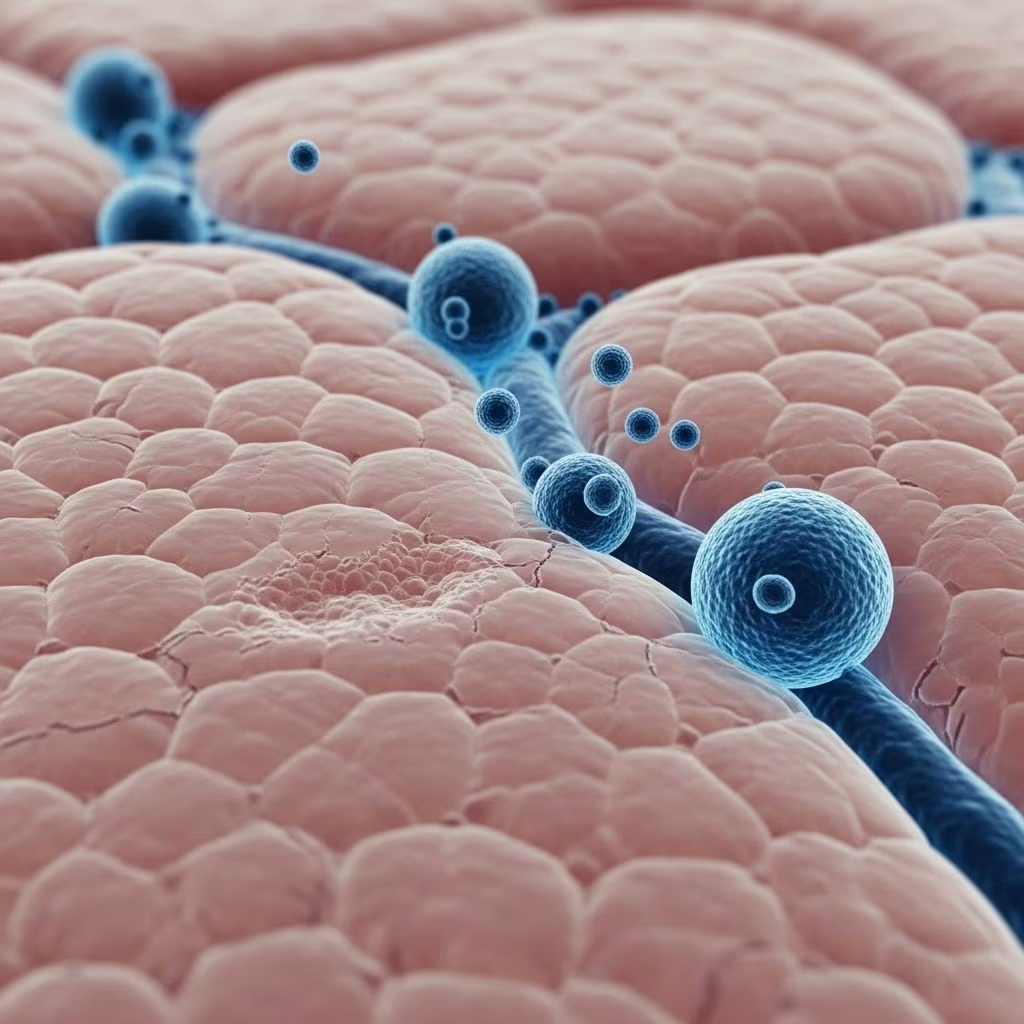
Chlorine and Skin Barrier: Swimming Pool Damage
Swimming serves as both recreation and exercise for millions worldwide, but frequent exposure to chlorinated pool water poses challenges for skin health. Chlorine, the primary disinfectant in pools, is effective in killing bacteria but can disrupt the skin’s natural barrier, leading to various dermatological concerns. This comprehensive guide investigates the science of chlorine, its effect on the skin barrier, the resulting damage, and expert strategies for prevention and care.
Understanding the Skin Barrier
The skin barrier refers to the outermost layer of the epidermis (the stratum corneum). It functions as a selective shield that:
- Limits water loss (transepidermal water loss, or TEWL)
- Protects against environmental irritants and pathogens
- Maintains skin hydration and resilience
This barrier is maintained by a blend of lipids (natural oils), proteins, dead keratinocytes, and a balanced microbiome. When disrupted—by chemicals, physical abrasion, or dehydration—skin health suffers, increasing sensitivity, irritation, and risk of chronic conditions.
Chlorine’s Role in Swimming Pools
Chlorine is added to pools as a powerful disinfectant. Its primary function is to eliminate bacteria, viruses, and parasites that thrive in communal water facilities. While chlorine is essential for safety, it also forms reactive byproducts and can affect human health at high or prolonged exposures. The amount of chlorine in pools is carefully monitored, yet frequent swimmers may face cumulative exposure risks.
How Chlorine Works
- Destroys pathogens by oxidizing their cellular components
- Breaks down organic matter (sweat, oils, urine), forming chloramines (potential respiratory irritants)
- Maintains a sanitizing residual level for continued protection
However, chlorine’s oxidizing action does not discriminate, and it affects the skin’s own lipids and proteins each time you swim.
How Chlorine Impacts the Skin Barrier
Frequent or long-duration exposure to chlorinated water leads to several key changes in the skin:
- Lipid and Sebum Stripping: Chlorine dissolves the natural oils (sebum) that keep the skin barrier flexible and water-resistant.
- Increased TEWL: Loss of lipids increases transepidermal water loss, leaving the skin dehydrated and less able to retain moisture.
- Barrier Weakening: The break in this protective shield heightens sensitivity to irritants, allergens, and pathogens.
- Microbiome Disruption: Chlorine alters the composition of beneficial bacteria on the skin, reducing immune protection and possibly inviting harmful microbes.
This disruption manifests as dryness, itching, redness, and increased risk for dermatological flares—especially if underlying conditions exist (e.g., eczema, psoriasis).
Table: Chlorine-Induced Changes in the Skin Barrier
| Aspect | Effect of Chlorine | Dermatological Outcome |
|---|---|---|
| Lipid Layer | Stripped, reduced oiliness | Dryness, roughness |
| Protein Structure | Proteins oxidized, weakened | Barrier weakening, sensitivity |
| Microbiome | Killed or shifted bacteria | Impaired immune response |
| Hydration | Water loss increased | Flaking, itching |
Common Skin Issues after Swimming
The dermatological impact of pool water is most apparent in the following conditions:
- Dryness and Itching: Immediate after-effects due to lipid loss and dehydration.
- Irritant Contact Dermatitis: Red, itchy rashes (“pool dermatitis”) arising from physical and chemical irritation.
- Eczema Flare-Ups: Individuals with atopic dermatitis (eczema) may experience increased sensitivity, redness, and discomfort, especially in high-chlorine or warm pools.
- Acne: Chlorinated water may aggravate acne by causing surface dryness, which triggers compensatory overproduction of oil.
- Discoloration: Prolonged exposure can dull or uneven skin tone, while also bleaching or fading hair and nails.
- Premature Aging: Oxidative stress from chlorine may accelerate fine lines and wrinkles due to ongoing free radical damage.
Sun, wind, and sweat exposure—common during swimming—exacerbate these issues.
Chlorine and the Skin Microbiome
Recent research highlights the role of the skin microbiome: the community of beneficial bacteria that protect against infection and modulate immunity.
- Chlorine reduces the diversity and abundance of protective microbes.
- This can create opportunities for pathogenic bacteria to colonize or increase the risk for irritated and inflamed skin.
- Altered skin flora may aggravate underlying dermatological diseases such as eczema and lead to slower recovery after injury.
Deepening microbiome disturbances may also impact the gut microbiome through absorbed or ingested chlorinated water, with potential links to broader health effects.
Long-Term Consequences of Chlorine Exposure
For competitive swimmers, lifeguards, and frequent pool users, repeated chlorine exposure may compound skin barrier damage:
- Chronic Dryness: Persistent inability to retain moisture despite routine hydration.
- Recurrent Rashes: Regular flare-ups, allergic or irritant dermatitis.
- Hyperpigmentation or Discoloration: Prolonged exposure to oxidants may alter melanin production or distribution.
- Antioxidant Depletion: Chlorine depletes Vitamin C and other antioxidants, weakening natural repair mechanisms.
- Immune dysregulation: Long-term oxidative stress may complicate immune responses, increasing inflammation and slowing healing.
While occasional swimming is unlikely to cause lasting damage, those exposed regularly must adopt preventive strategies and monitor for emerging issues.
Dermatologist-Approved Protection Strategies
Modern dermatology offers several evidence-based solutions to reduce chlorine damage before, during, and after swimming:
- Pre-swim Barrier Creation: Wetting skin and hair before entering the pool limits chlorine absorption. Consider silicone-based pre-swimming lotions for extra protection.
- Physical Barriers: Swim caps and goggles shield hair and eyes from chlorine damage.
- Immediate Cleansing: Shower thoroughly after swimming using a gentle, fragrance-free cleanser. This removes residual chlorine and reduces ongoing irritation.
- Moisturizing: Apply a rich moisturizer containing ceramides or alpha-hydroxy acids to restore lost lipids and assist in skin recovery.
- Antioxidant Support: Products with vitamin C and E can help combat oxidative stress and promote collagen repair.
- Electrolyte Replenishment: Hydrating from within with electrolyte-rich fluids supports overall skin health and improves resilience.
- Sunscreen Use: Always use water-resistant, broad-spectrum sunscreen before swimming to minimize compounded UV and chemical damage.
These strategies can minimize the risk of acute irritation and long-term skin damage.
Effects on Sensitive Populations
Children, individuals with eczema or psoriasis, and those with sensitive skin are most vulnerable to chlorine-related skin damage. Key considerations for these groups include:
- Lower pool temperatures may mitigate drying and itching in eczema sufferers.
- Careful cleansing and moisturizing routines are essential immediately after swimming.
- Alternative disinfectants (e.g., saltwater chlorination, bromine, ozone) may reduce but not eliminate sensitivity issues.
- Swimming frequency should be moderated for those prone to rashes, unless compensatory care is strictly followed.
Healthcare providers should be consulted for persistent or severe reactions to pool water.
Additional Concerns: Eyes, Hair, and Scalp
Chlorine does not only affect skin but can also:
- Affect Hair: Stripping natural oils leads to brittleness, dryness, and discoloration. Use hydrating hair masks or leave-in conditioners to replenish post-swim.
- Impact Scalp: Scalp dryness and irritation can occur, with a risk for flaking or seborrheic dermatitis.
- Irritate Eyes: Chlorine may cause burning, stinging, or even temporary disruption of the protective tear film in the eyes, leading to redness and sensitivity. Swim goggles are strongly recommended for frequent swimmers.
- Damage Nails: Chlorine can cause nails to become brittle or discolored, especially with frequent exposure.
Summary Table: Chlorine’s Effects on Skin, Hair, and Eyes
| Area | Potential Damage | Protective Measures |
|---|---|---|
| Skin | Dryness, itching, rashes | Barrier creams, moisturizers, prompt showering |
| Hair | Brittleness, discoloration | Hair masks, swimming caps |
| Scalp | Flaking, irritation | Moisturizing shampoos, gentle cleansers |
| Eyes | Redness, stinging | Goggles, lubricating eye drops |
| Nails | Dryness, discoloration | Moisturizing creams, post-swim care |
Frequently Asked Questions (FAQs)
Q: Can swimming cause eczema flare-ups?
Yes, exposure to chlorine often exacerbates eczema, leading to increased redness, itching, and discomfort, especially in heated pools or among sensitive individuals.
Q: Is saltwater swimming safer for skin than chlorine?
Saltwater pools can be less harsh, but they may still be dehydrating and irritating—especially if high salinity is present.
Q: How can I protect my skin before swimming?
Wet your skin and hair, apply barrier creams, use sunscreen, and consider physical barriers like caps and goggles. Shower and moisturize thoroughly after swimming.
Q: What ingredients should I look for in moisturizers after swimming?
Choose moisturizers with ceramides, hyaluronic acid, glycerin, and antioxidants (Vitamin C/E) to restore and defend the skin barrier.
Q: Should I avoid swimming in chlorinated pools if I have sensitive skin?
Not necessarily; with proper pre- and post-swim care, most individuals can enjoy swimming without lasting damage. Consult a dermatologist for persistent issues or severe reactions.
Q: Does chlorine in pools pose risks for children?
Children, especially those with eczema or sensitive skin, are at increased risk for irritation and dryness. Monitor reactions, emphasize hydration, and limit pool time if adverse effects arise.
References
- Columbia Skin Clinic: Why Swimming Affects Your Skin
- BodyBio: What to Do for Chlorine Exposure from Swimming Pools
- Cleveland Clinic: Does Pool Water Affect Your Skin and Hair?
- DCSI Dermatology: Effects of Chlorine on the Skin
- National Center for Biotechnology Information: Pooling the Evidence – Swimming and Atopic Dermatitis
References
- https://columbiaskinclinic.com/ask-a-dermatologist/dermatologist-approved-strategies-to-prevent-dryness-irritation-and-long-term-skin-damage/
- https://bodybio.com/blogs/blog/chlorine-exposure
- https://newsroom.clevelandclinic.org/2024/06/17/does-pool-water-affect-your-skin-and-hair
- https://www.mydcsi.com/2021/05/30/the-effects-of-chlorine-on-skin/
- https://pmc.ncbi.nlm.nih.gov/articles/PMC10946598/


