


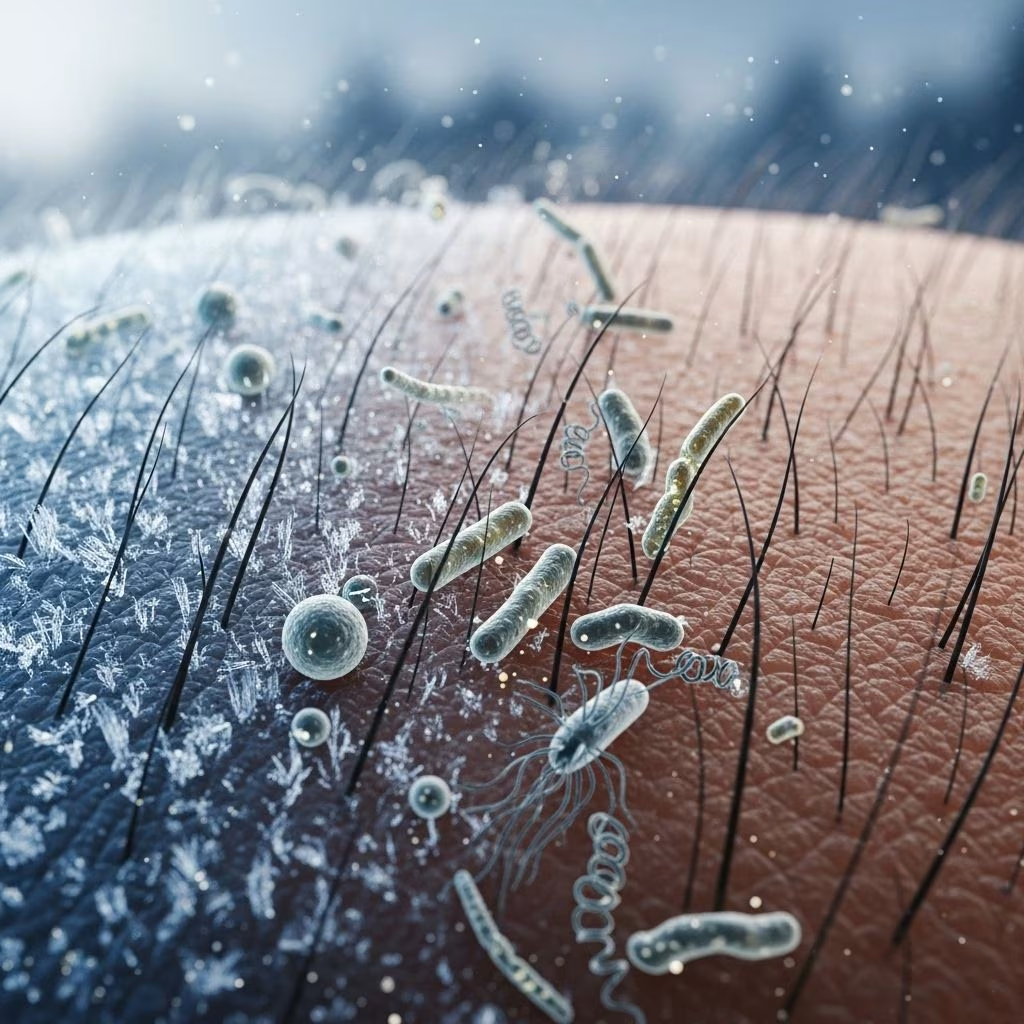
The skin is our primary interface with the external environment and hosts a bustling community of microorganisms—the skin microbiome. These microbial communities are not static; they fluctuate in response to environmental cues. Of these, cold exposure and seasonal variation play pivotal roles in shaping the composition and function of the skin microbiome, with profound effects on skin barrier health and overall well-being.
Understanding the Skin Microbiome
The skin microbiome comprises bacteria, fungi, viruses, and mites that inhabit the surface and deeper layers of human skin. This ecosystem is crucial for maintaining skin health, protecting against pathogens, and modulating immune responses. The balance and diversity of the skin microbiota can be influenced by numerous internal and external factors—including age, genetics, hygiene, diet, lifestyle, and, critically, environmental conditions like temperature and humidity.
- Commensal microbes like Staphylococcus epidermidis and Cutibacterium acnes help maintain healthy skin.
- Microbial diversity is considered a marker of skin health, reduced diversity is often linked to inflammatory disorders.
- The skin microbiome is dynamic, constantly adjusting to climatic and seasonal changes, especially on facial and exposed body areas.
Seasonality and Environmental Factors
Seasonality refers to cyclic environmental fluctuations—including temperature, humidity, and sunlight exposure—that accompany changes in seasons. These variations profoundly impact skin physiology and the composition of its microbiome:
- Cold Exposure: During winter, temperatures drop and ambient humidity is reduced, especially in indoor heated environments.
- UV Radiation: Sunlight exposure is higher in summer, leading to unique physiological effects such as increased sebum production and changes in skin immunity.
- Behavioral Shifts: More time spent indoors, changes in clothing, and modifications in skincare routines add layers of complexity to seasonal impacts.
| Factor | Winter (Cold Months) | Summer (Warm Months) |
|---|---|---|
| Temperature | Low | High |
| Humidity | Low (indoor heating and cold air) | High |
| UV Exposure | Reduced | Increased |
| Skin Hydration | Decreases | Varies (but may increase with humidity) |
| Behavior | More clothing, more time indoors | More skin exposed, more outdoor activity |
Microbial Shifts During Cold Exposure
When temperatures drop, the skin undergoes physiological changes to adapt—particularly in sealed, indoor environments. These adaptations drive notable fluctuations in the skin microbiome. Two key processes predominate:
- Increased Transepidermal Water Loss (TEWL): Cold, dry air combined with central heating strips moisture from the skin, increasing TEWL and disrupting barrier integrity.
- Altered Sebum Production: To compensate for dryness, the skin often increases sebum (oil) production, setting the stage for shifts in microbial populations—especially in facial skin.
Based on year-long studies:
- Cutibacterium acnes (C. acnes) becomes more abundant in winter, correlating with increased TEWL. C. acnes thrives in oily, low-humidity environments, and excessive growth is associated with acne flare-ups.
- Reduced humidity in winter causes the skin to compensate by producing even more sebum, which, in combination with thicker clothing and less ventilation, can promote oil-trapping and create an optimal environment for C. acnes overgrowth.
- Other bacteria like Corynebacterium, Staphylococcus, and Streptococcus are more prevalent in summer, likely due to increased humidity and sebum breakdown by UV-activated skin metabolism.
Comparing Cold and Warm Season Microbiome Profiles
Multiple studies have highlighted distinct seasonal profiles within the skin’s microbial community:
- Winter: Higher abundance of Cutibacterium (C. acnes), lower microbial diversity overall, increased TEWL, and increased likelihood of barrier dysfunction and inflammatory skin conditions.
- Summer: Higher abundance of Corynebacterium, Staphylococcus, and Streptococcus. Skin elasticity is higher, and TEWL is reduced, suggesting better barrier function. Enhanced microbial diversity is typical where humidity is elevated.
One notable study found that individuals living in humid regions had greater microbial diversity and lower ceramide and fatty acid levels, while those in dry, cold regions had lower diversity but higher skin lipid concentrations.
Impacts on Skin Barrier and Health
The skin barrier—primarily formed by the stratum corneum and supported by lipids and the microbiome—serves as the body’s first line of defense. Seasonal cold exposure and related microbiome shifts can impact this barrier in several ways:
- Barrier Damage: More frequent due to increased TEWL and reduced hydration. This weakens defenses, making the skin prone to inflammation, irritation, and infection.
- Increased Acne Risk: The winter dominance of C. acnes, combined with oil-trapping due to both excess sebum and occlusive clothing, creates ideal conditions for acne.
- Dysbiosis: Reduced microbial diversity and imbalanced populations can leave the skin susceptible to dermatological issues such as eczema, psoriasis, and atopic dermatitis.
- UV Exposure Reduction: Less sunlight in winter means fewer natural microbiome-regulating effects from UV. This can disturb the balance of beneficial and potentially pathogenic microbes on the skin.
Adapting Skincare to Seasonal Microbiome Shifts
Awareness of these seasonal changes is vital for designing skincare strategies that maintain microbiome health and skin barrier resilience. Here are science-backed recommendations:
- Winter Skincare:
- Use hydrating products rich in humectants (e.g., hyaluronic acid) to retain moisture.
- Incorporate barrier-strengthening agents like ceramides to repair and protect the skin layer.
- Avoid harsh cleansers or over-exfoliation, which can strip beneficial lipids and worsen microbiome imbalances.
- Summer Skincare:
- Choose lightweight, non-comedogenic moisturizers and gels to manage excess oil.
- Regularly apply broad-spectrum sunscreen to prevent UV-induced barrier damage and microbial shifts.
- Support microbial diversity with gentle, pH-balanced cleansers.
Advanced Strategies for Microbiome Harmony Throughout the Year
- Support diversity by limiting unnecessary antibacterial product use.
- Adapt moisturizing and cleansing routines to match environmental conditions and personal skin needs.
- Monitor the impact of changes in clothing and lifestyle as seasons change.
Mechanisms Driving Microbiome Shifts
Research reveals that several interconnected mechanisms underlie seasonal microbiome variations:
- Temperature Impacts: Cold temperatures slow skin cell turnover, increase sebum production, and decrease sweat, each of which selectively favors different microbial populations.
- Humidity Effects: Lower humidity reduces skin hydration and increases the risk of barrier disruption, which can result in a less stable environment for microbial diversity.
- UV Radiation: UV exposure can increase certain lipid-producing microbes but also can regulate immunity and microbial populations, sometimes limiting pathogenic overgrowth.
- Behavioral Adaptations: More time spent indoors and heavier clothing can create microclimates that trap oil and heat, further influencing skin conditions and microbial composition.
Emerging Research and Future Directions
While much is already known about cold and seasonal effects on the skin microbiome, ongoing research seeks to clarify:
- Natural vs. environmental influences: It’s challenging to distinguish normal seasonal fluctuations from those caused by manmade environments (e.g., artificial heating, air-conditioned spaces).
- Geographical differences: Skin microbiome seasonality can vary based on location, elevation, and climate zone.
- Microbiome-targeted treatments: The development of adaptive skincare (e.g., microbiome-friendly prebiotics or probiotics) targeting seasonal needs is a rapidly growing field.
- Long-term effects: Research continues into how repeated seasonal shifts affect chronic skin conditions, immune function, and systemic health.
Large population studies—with regional, age, and lifestyle diversity—will help define what constitutes a “resilient” skin microbiome throughout the year and guide personalized therapies.
Frequently Asked Questions (FAQs)
Q: Why does my skin break out more in winter?
A: Increased sebum production, oil-trapping from clothing, and reduced skin hydration favor the growth of C. acnes, a major acne-causing bacterium, leading to more frequent or severe breakouts in winter.
Q: Are the microbiome changes reversible when the season changes?
A: Yes, most seasonal shifts in microbiome composition are reversible and adapt as the environment changes. However, skin with a history of barrier dysfunction or inflammation may take longer to recover optimal microbial balance.
Q: Can I take supplements to help my skin microbiome during winter?
A: Research on oral or topical probiotics for skin barrier and microbiome support is ongoing. Good skincare, a balanced diet, and minimizing unnecessary antibiotics are currently the best-proven strategies.
Q: Do UV lamps or artificial light help skin health in winter?
A: Some UV exposure can assist in regulating immune response and microbial composition. Excessive or artificial UV exposure carries skin cancer risk, so consult a dermatologist before considering light-based interventions.
Q: How can I tell if my skin microbiome is unhealthy?
A: Signs of dysbiosis include increased sensitivity, frequent breakouts, redness, itchiness, or persistent dryness. If these symptoms occur with seasonal changes, consult a dermatologist for personalized advice.
Q: Are cold-induced shifts more dramatic in any specific age group?
A: While the elderly and infants may have more fragile skin barriers and thus be more sensitive to microbiome imbalance, all age groups are affected by seasonal changes to varying extents.
References
- (1) Sequential Bio, “Seasonal Shifts in the Skin Microbiome,” 2024.
- (2) Twelve Beauty, “Is Acne Worse in Winter?” 2024.
- (3) PubMed Central, “Seasonal Variations in Circulating Endocannabinoidome Mediators and Microbiota,” 2023.
- (6) Autoimmune Institute, “How do Cold Temperatures Affect Autoimmune Disease?” 2024.
References
- https://www.sequential.bio/post/seasonal-shifts-in-the-skin-microbiome-exploring-dynamic-changes-across-the-year
- https://www.twelvebeauty.com/is-acne-worse-in-winter/
- https://pmc.ncbi.nlm.nih.gov/articles/PMC11926903/
- https://pmc.ncbi.nlm.nih.gov/articles/PMC9305894/
- https://www.nature.com/articles/s41598-025-07614-1
- https://www.autoimmuneinstitute.org/articles/how-do-cold-temperatures-affect-autoimmune-disease


