


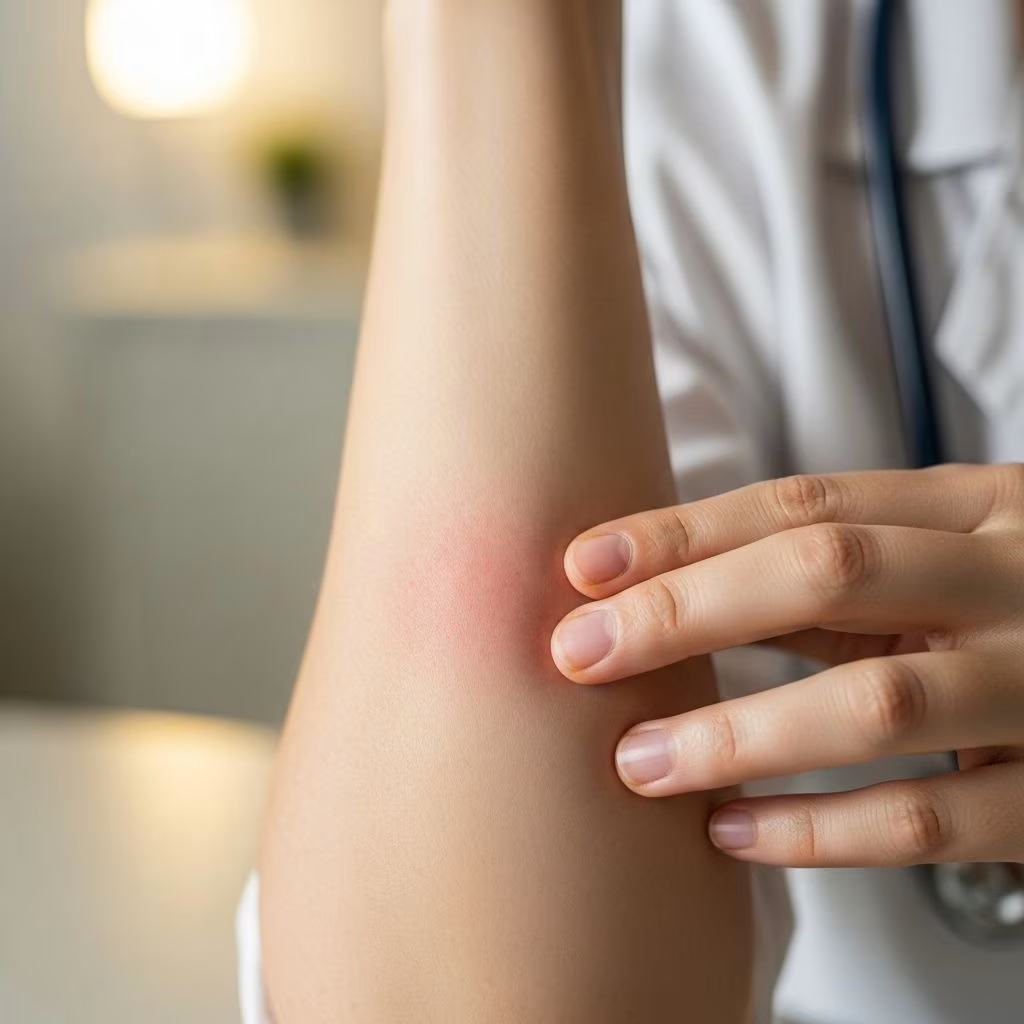
Chronic Fatigue Syndrome (CFS), also known as Myalgic Encephalomyelitis (ME), is a complex, disabling disorder characterized by profound fatigue and a range of physical and neurological symptoms. Over the past decades, research has increasingly recognized skin sensitivity as one of the notable and distressing symptoms in a significant proportion of individuals with CFS/ME. This article reviews the current scientific findings, possible mechanisms, clinical implications, and management strategies for skin sensitivity in the context of CFS/ME.
Introduction to Chronic Fatigue Syndrome & Skin Sensitivity
Chronic Fatigue Syndrome (CFS), or Myalgic Encephalomyelitis (ME), is characterized by:
- Severe, persistent fatigue not relieved by rest
- Cognitive dysfunction (‘brain fog’)
- Musculoskeletal pain and tenderness
- Sleep disturbances
- Various sensitivities and hypersensitivities
Among these, skin sensitivity—including pain, irritation, burning sensations, and hypersensitivity to touch—has garnered significant attention but remains poorly understood in both clinical practice and research contexts.
Prevalence of Skin Sensitivity in CFS/ME
Recent patient surveys and studies indicate that skin sensitivity is reported by a substantial subset of people with CFS/ME. In community-driven platforms comprising thousands of diagnosed individuals, sensitive skin or altered cutaneous sensation appears in a significant minority, often waxing and waning according to disease severity and flares.
- Anecdotal reports estimate up to 40-50% of ME/CFS patients may experience some form of skin sensitivity
- Symptoms are more likely during periods of disease exacerbation or physical, emotional, or environmental stress
Despite these numbers, prevalence estimates vary by study design, population, and diagnostic criteria, with some clinicians under-recognizing the symptom due to its subjective nature.
Symptoms: How Skin Sensitivity Manifests in CFS/ME
Cutaneous (skin) symptoms reported by CFS/ME patients can be highly diverse. Common manifestations include:
- Burning sensations or abnormal warmth on the skin’s surface
- Allodynia (pain from normally non-painful stimuli, often light touch or clothing)
- Paresthesia (tingling, numbness, pins-and-needles)
- Pruritus (itching)
- Increased sensitivity to environmental factors: heat, cold, sunlight, pressure
In some cases, patients describe sensations as akin to ‘sunburn,’ ‘raw skin,’ or aggressive sensitivity to creams or personal care products. Skin symptoms may be accompanied by visible dermatological signs or exist in the absence of observable pathology.
Possible Mechanisms Behind Skin Sensitivity
The pathogenesis of skin sensitivity in ME/CFS is not entirely clear, but several mechanisms are thought to contribute:
- Central Sensitization: Heightened responsiveness of the central nervous system, particularly the brain’s perception of pain, may cause otherwise harmless stimuli to be experienced as painful or irritating.
- Nociplastic Distress: Altered processing or amplification of sensory signals without clear peripheral tissue damage, possibly implicating neuroinflammation or neurotransmitter imbalances.
- Immune Dysregulation: Chronic inflammation or autoimmune processes affecting nerves and skin structures, reducing skin’s threshold for irritation.
- Hormonal and Neuroendocrine Changes: Chronic stress and altered cortisol levels can compromise skin barrier function, leading to increased vulnerability to irritants.
- Nutritional Deficits and Poor Sleep: Disrupted sleep cycles reduce collagen and hyaluronic acid synthesis, impeding skin repair and resilience, while nutrient deficits (e.g., vitamin C, D, zinc) slow recovery and magnify hypersensitivity.
For many, a combination of these factors—rather than a single cause—likely explains the range and severity of skin-related symptoms.
Related Conditions: Fibromyalgia, Skin Disorders, and Fatigue
Skin sensitivity in CFS/ME shares similarities and comorbidity with several related illnesses, notably:
- Fibromyalgia (FM): Frequently overlaps with CFS/ME and is known for widespread pain, tenderness, and increased skin and pressure sensitivity. Studies demonstrate FM patients are significantly more likely to manifest symptoms such as pruritus, burning sensations, hyperhidrosis, and dermatological conditions like xerosis, lichen simplex chronicus, and seborrhoeic dermatitis compared to healthy controls.
- Dermatological Disorders: Chronic fatigue has been documented to exacerbate skin issues, including eczema, psoriasis, rosacea, and acne, with increased fatigue correlating with severity of skin manifestations.
- Autoimmune and Inflammatory Skin Diseases: Rosacea, contact dermatitis, and atopic dermatitis can emerge or worsen alongside chronic fatigue due to overlapping immune and neuroendocrine pathways.
These shared pathways (inflammation, immune dysfunction, central sensitization) provide insight into why these seemingly disparate symptoms cluster together in CFS/ME sufferers.
Recent Research: Key Findings
The field has seen several important studies in recent years, deepening the understanding of the relationship between CFS/ME, skin sensitivity, and general fatigue in dermatological disorders.
- Studies in FM and Dermatology: A systematic review found that 92.4% of fibromyalgia patients reported at least one skin symptom, compared to 42.9% of controls; skin burning, hyperhidrosis, and itching were significantly more common, as were clinical conditions like xerosis (44.7%), lichen simplex chronicus (15.2%), and seborrheic dermatitis (3.8%).
- Fatigue in Patients with Skin Conditions: A comprehensive cross-sectional study found that patients with skin diseases report significantly higher levels of fatigue compared to controls, with the risk of fatigue increasing in proportion to the severity of skin sensitivity.
| Severity of Sensitive Skin | Univariate RR (95% CI) | Multivariate RR (95% CI) |
|---|---|---|
| Low | 3.28 (1.34–5.22) | 2.91 (1.01–4.82) |
| Medium | 6.84 (4.88–8.80) | 5.94 (4.01–7.87) |
| High | 7.58 (5.01–10.10) | 6.15 (3.63–8.68) |
- Patients with high skin sensitivity were found to be over 6 times more likely to experience severe fatigue than those without sensitive skin, even after controlling for confounding factors.
- Increased fatigue, poor sleep quality, and higher stress scores were prevalent among those with skin disease, especially with conditions like rosacea and psoriasis.
Additional findings from neuroscientific research support the concept of generalized hyperalgesia (increased pain sensitivity throughout the body) in ME/CFS patients, underlining the neurological basis for skin hypersensitivity. In summary:
- Cutaneous hypersensitivity is a common and measurable symptom in CFS/ME and related disorders
- Its severity is directly related to increased fatigue and poor quality of life
- Skin symptoms have both physical and neuropsychiatric components, affirming the need for a holistic approach
Clinical Implications and Patient Experience
From a clinical perspective, the presence of skin sensitivity in CFS/ME:
- Contributes significantly to overall morbidity and impaired daily functioning
- Can limit activities (due to pain with touch or clothing)
- May lead to social isolation and secondary emotional distress
- Is often underdiagnosed and insufficiently addressed in routine care
Patient experience surveys highlight that skin symptoms are among the more distressing sensory abnormalities. Sufferers often experience feeling misunderstood or dismissed by healthcare providers, as skin sensitivity symptoms may not always be outwardly visible.
Management Strategies for Skin Sensitivity in CFS/ME
While there is no single definitive treatment, several management strategies are suggested by research and clinical practice:
- Trigger Avoidance: Identifying and avoiding skin irritants, such as certain fabrics, soaps, or topical products
- Gentle Skin Care: Using hypoallergenic, fragrance-free products for cleansing and moisturizing; avoiding hot water and abrasive devices
- Optimizing Nutrition: Ensuring adequate intake of vitamins and minerals implicated in skin health, such as vitamins C, D, E, zinc, and selenium
- Sleep Hygiene: Prioritizing restorative sleep to aid in overall recovery and skin regeneration
- Stress Management: Techniques such as mindfulness, cognitive behavioral therapy, or counseling can reduce the impact of stress on skin and fatigue symptoms
- Pharmacologic Interventions: For severe cases, doctors may trial medications targeting neuropathic pain or inflammation, though results are variable
- Professional Support: Referral to dermatology or pain management clinics is recommended for persistent or severe skin symptoms
Holistic care that acknowledges the interplay of neurological, immune, and psychosocial factors is advocated by patient groups and leading researchers in the field.
Future Directions and Outstanding Questions
Research into skin sensitivity in CFS/ME is rapidly evolving, but major questions remain:
- What are the precise biological mechanisms underlying skin sensitivity in ME/CFS?
- Can biomarkers be identified to objectively measure cutaneous hypersensitivity?
- How can clinicians better distinguish skin symptoms of CFS/ME from those of primary skin diseases or other chronic illnesses?
- Which interventions are most effective, and for which patient subgroups?
Further studies, including larger cohort studies and mechanistic investigations, are critical. Progress in this area may also shed light on other “invisible” symptoms in CFS/ME and similar conditions.
Frequently Asked Questions (FAQs)
Q: Is skin sensitivity a common symptom in all CFS/ME patients?
A: While not universal, skin sensitivity is reported by a large proportion of patients with CFS/ME—sometimes up to 40-50% according to patient-driven surveys. It can vary in intensity and may fluctuate throughout the course of illness.
Q: How does skin sensitivity in CFS/ME differ from that in people with primary skin diseases?
A: In CFS/ME, skin sensitivity often occurs in the absence of visible skin changes, is closely linked to fatigue, neurological symptoms, and central pain sensitization, and may be triggered or worsened by stress, sleep disruption, or immune activity.
Q: Are there any specific tests to diagnose skin sensitivity in CFS/ME?
A: There are currently no standardized laboratory tests for skin sensitivity in ME/CFS; diagnosis is typically based on history, patient description, and sometimes exclusion of primary dermatological conditions. Some research protocols may assess pain threshold or sensory testing.
Q: What lifestyle changes can help manage skin sensitivity?
A: Recommended lifestyle measures include gentle, non-irritating skin care routines, avoiding potential allergens and irritants, maintaining good nutrition and sleep habits, and using strategies to reduce stress and manage flares.
Q: Is there a cure for skin sensitivity caused by CFS/ME?
A: There is no known cure, but symptoms are often manageable through a combination of lifestyle adjustments, support, and treatments targeting pain and immune responses. Further research is needed for targeted therapies.
Note: This article is based on current research and may evolve as new findings emerge. Patients experiencing severe or persistent skin symptoms should consult their healthcare providers.
References
- https://pmc.ncbi.nlm.nih.gov/articles/PMC11312914/
- https://pmc.ncbi.nlm.nih.gov/articles/PMC9309868/
- https://iconic-elements.com/en/chronic-fatigue-affects-the-skin/
- https://www.frontiersin.org/journals/neuroscience/articles/10.3389/fnins.2025.1530652/full
- https://www.stuffthatworks.health/myalgic-encephalomyelitis/symptoms/sensitive-skin
- https://meassociation.org.uk/wp-content/uploads/2025/03/Sensitivities-intolerances-and-hypersensitivities-in-MECFS-October2021.pdf
- https://www.meresearch.org.uk/research/sensitisation/


