


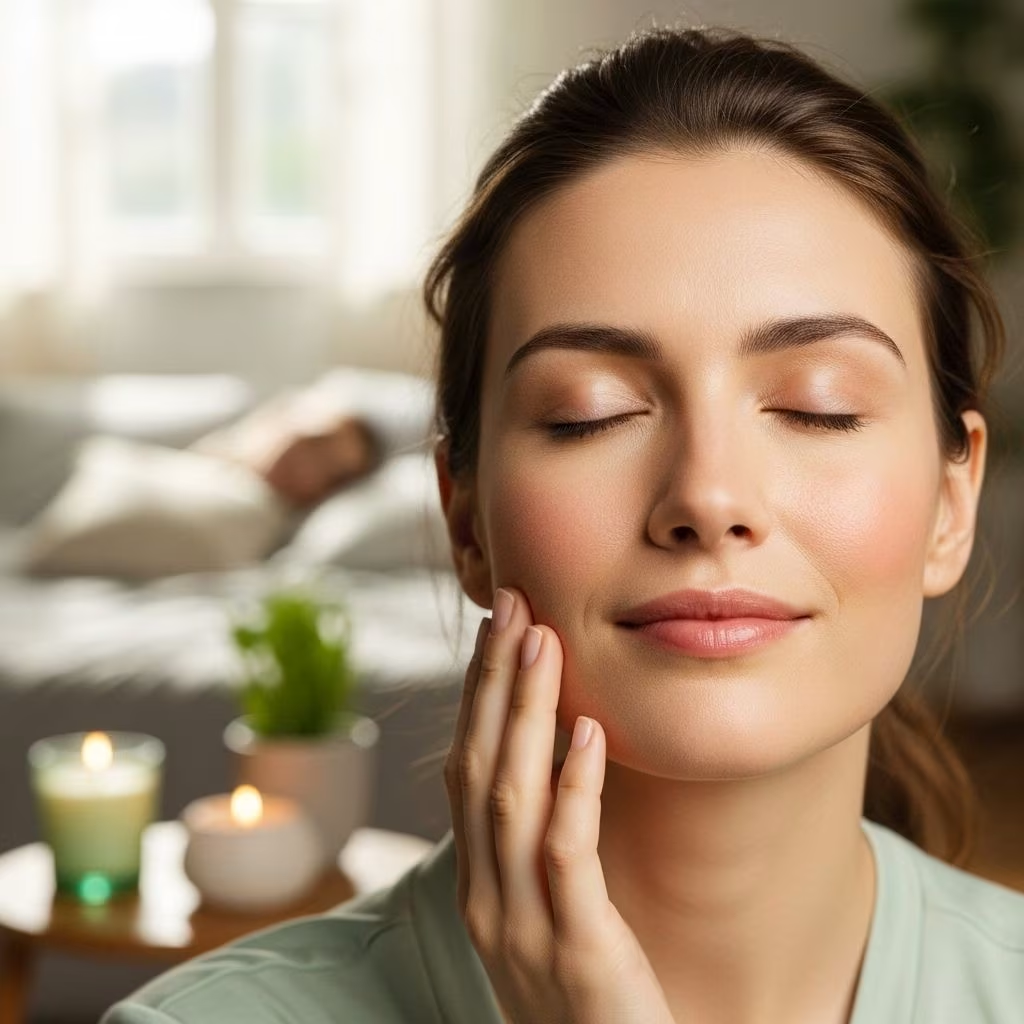
Most people expect to wake up with refreshed skin after a full night’s sleep or feel luminous and renewed post-meditation. Yet, many find that their skin looks or feels inexplicably tired, dull, or lackluster after these periods of rest and relaxation. This article unpacks the reasons behind ‘tired skin’ even after restorative activities and provides comprehensive, research-backed strategies to restore a healthy glow.
Understanding ‘Tired Skin’
‘Tired skin’ is a catch-all term describing a complexion that appears dull, dehydrated, sagging, or less vibrant than usual, often characterized by fine lines, dark circles, and increased sensitivity. These visible cues are more than cosmetic—they reflect deeper physiological and environmental processes at work during rest periods like sleep or meditation.
Key Markers of Tired Skin
- Dullness: A lack of natural radiance, leading to a gray or sallow appearance.
- Dryness: Noticeable flakiness or tightness, often due to disrupted skin moisture balance.
- Dark Circles: Hyperpigmentation or puffiness under the eyes.
- Fine Lines and Sagging: Early signs of skin aging, such as wrinkles and loss of elasticity.
- Increased Sensitivity: Easily irritated or red skin, particularly after rest.
The Intricate Relationship Between Sleep and Skin Health
Sleep is a critical period for the body to initiate repair, detoxification, and rejuvenation of the skin. However, poor sleep quality, insufficient duration, or interrupted sleep can hinder these natural regenerative processes, directly resulting in that ‘tired’ appearance.
How Sleep Quality Impacts the Skin
- Collagen Production: During deep sleep, the body increases production of collagen, a protein vital for skin firmness and elasticity. Chronic sleep deprivation can impair collagen synthesis, contributing to premature aging and volume loss.
- Hydration Maintenance: The skin’s hydration and pH balance are restored while sleeping. Interrupted or insufficient sleep leads to decreased hydration, drying out the skin and disrupting its barrier function.
- Cortisol and Inflammation: Poor sleep increases cortisol, a stress hormone that exacerbates inflammation, triggers breakouts, and increases oiliness. This disrupts the healing required for healthy skin.
- Cellular Turnover: During sleep, skin cell multiplication peaks, repairing damage from UV radiation and environmental toxins. Poor sleep slows this process, leaving skin looking lackluster and uneven.
| Symptom | Cause | Result |
|---|---|---|
| Dullness | Decreased blood flow, less oxygen supply | Lackluster appearance |
| Dryness | Compromised barrier and hydration | Flaky, tight skin |
| Dark Circles | Dilated blood vessels, poor circulation | Puffiness and discoloration |
| Premature Aging | Broken-down collagen and elastin | Lines, sagging, less volume |
Even a single night of poor sleep can diminish facial attractiveness and signal fatigue to others, a finding confirmed by controlled studies of facial cues and social perceptions.
Why Might Skin Feel Tired After Meditation?
Meditation is globally recognized for its stress-relieving, mood-enhancing, and health-promoting effects. Yet, paradoxically, some people notice their skin looks tired or washed out after meditating, especially after longer sessions.
Possible Explanations
- Changes in Circulation: Deep meditation lowers heart rate and reduces blood pressure, temporarily reducing peripheral blood flow. This can cause paleness or dullness, especially if you’re sitting still for extended periods.
- Release of Tension: As the body relaxes, built-up physical stress is released. This can sometimes prompt transient flushing or, conversely, leave the skin looking slack as facial muscles unlatch habitual tension.
- Environmental Factors: Meditating in a poorly ventilated, hot, or dry room may dehydrate or irritate the skin. Contact with floor mats, cushions, or unwashed surfaces can also play a role.
- Contrast Effect: The inner mental clarity post-meditation may create a sharper awareness of physical imperfections or dullness at the surface, making skin symptoms more noticeable.
In most cases, these effects are temporary and fade as normal blood flow and muscle tone return post-meditation. Persistent tiredness likely points to broader lifestyle or health imbalances, as covered below.
Common Symptoms and Manifestations of Tired Skin
- Dull, Uneven Tone: The skin lacks a healthy glow and may appear ashen.
- Increased Dryness: Flaky or tight sensation due to water loss or disrupted oil balance.
- Puffiness and Dark Circles: Especially under the eyes, linked to poor sleep circulation and lymphatic fluid accumulation.
- Fine Lines and Early Wrinkles: Resulting from reduced repair and collagen breakdown.
- Sensitivity and Redness: Skin may sting, flush, or react more strongly to products due to weakened barrier function.
- Breakouts or Acne: Increased inflammation and oil production under stress or after poor sleep.
Underlying Causes: Beyond the Basics
If your skin feels tired or stressed despite adequate sleep and meditation, several less obvious underlying causes may be at play:
1. Sleep Architecture Issues
Even with sufficient hours in bed, poor quality sleep—marked by frequent awakenings, light sleep stages, or sleep-disordered breathing—can compromise skin rejuvenation as profoundly as sleep deprivation.
2. Hormonal Changes
- Fluctuating cortisol, estrogen, or thyroid hormones can interfere with skin hydration, texture, and barrier function—regardless of meditation or sleep routines.
- Age-related declines in growth hormone (which peaks during deep sleep) reduce collagen production, increasing vulnerability to ‘tired skin’.
3. Chronic Stress or Anxiety
While meditation helps, chronic stress may keep baseline cortisol or adrenaline elevated, leading to low-grade inflammation and impaired cellular repair.
4. Diet and Nutrition
- Dehydration or low intake of skin-essential nutrients (antioxidants, vitamin C, essential fatty acids) slows healing and increases oxidative damage.
- High sugar or processed foods spike inflammation, aging skin prematurely.
5. Environmental Stressors
Exposure to pollution, blue light from screens (especially before bed), dry air, and inconsistent skincare can undermine sleep and accelerate skin fatigue—even after a period of meditation or rest.
Lifestyle, Environmental, and Habitual Factors
Beyond the biological processes described above, your daily habits and immediate environment majorly shape your skin’s ability to recover from stress and fatigue. Here are common, often underestimated contributors to ongoing skin tiredness:
- Blue Light and Screens: Prolonged exposure to screens before sleep suppresses melatonin, the hormone critical for sleep initiation, impairing skin repair cycles.
- Room Environment: Overheated or poorly ventilated bedrooms dry out skin and hinder effective rest.
- Inconsistent Skincare Routines: Neglecting to cleanse, moisturize, or protect the skin at night leaves it vulnerable to dehydration and clogged pores.
- Physical Pressure: Sleeping with your face pressed into pillows can create physical indentations, worsen puffiness, or transfer bacteria.
- Lack of Movement: Meditating for long periods without gentle stretching or facial exercises can temporarily slow circulation.
Evidence-Based Solutions and Remedies
The good news: tired skin is often reversible with targeted changes to your habits, environment, and daily self-care. The following methods are based on current understanding from dermatological and sleep science research.
Improving Sleep Hygiene and Recovery
- Stick to a regular sleep schedule with a fixed bedtime and wake-up time—even on weekends.
- Avoid screens at least one hour before bed to protect melatonin production and sleep depth.
- Keep your bedroom cool, dark, and well-ventilated to optimize moisture balance.
- Invest in a comfortable, clean pillowcase and practice side or back sleeping to reduce pressure on facial skin.
Optimizing Skincare for Rest and Meditation
- Use a gentle, hydrating cleanser before bed to remove pollution and excess oil.
- Apply a ceramide-rich moisturizer to strengthen the skin barrier and lock in hydration.
- Consider topical antioxidants (vitamins C or E) and peptides to boost overnight repair.
- If meditating for long periods, protect skin with a light facial oil or mist and stretch regularly to maintain blood flow.
- Perform facial massage or lymphatic drainage post-meditation to improve circulation and brightness.
Holistic Lifestyle Strategies
- Eat a balanced diet rich in antioxidants, omega-3s, and quality protein to fuel skin healing.
- Hydrate throughout the day, not just at night, aiming for 6–8 cups of water daily.
- Practice stress-reduction techniques consistently—yoga, gentle exercise, nature walks—to keep cortisol in check beyond meditation sessions.
- Limit alcohol, sugar, and highly processed foods that promote inflammation.
When to Seek Professional Help
If tired skin persists despite healthy habits, consult with a dermatologist or sleep specialist. Underlying conditions such as eczema, allergies, sleep apnea, or hormonal imbalances may require targeted interventions.
Frequently Asked Questions (FAQs)
Q: Why does my skin look worse in the morning after sleeping well?
A: This could be due to poor sleep quality (not just quantity), dehydration, sleeping position, or environmental factors (such as dry air). Consistent skincare and regular hydration help minimize this effect.
Q: Is it normal for my skin to feel dull after meditation?
A: Brief dullness or paleness can occur if circulation slows during deep relaxation and should resolve shortly. If persistent, examine your hydration, nutrition, and overall stress levels.
Q: How long does it take for skin to recover after a period of poor sleep?
A: Visible improvements can occur within 1–2 nights of restorative sleep, but deeper collagen repair may take weeks. Adopting good sleep and skincare habits accelerates recovery.
Q: Can over-meditation or too much rest ever harm my skin?
A: Extended sedentary periods without movement may temporarily slow skin circulation, but meditation itself is not inherently harmful. Balance rest with physical activity and frequent hydration for best results.
Q: What single remedy is most effective for ‘tired skin’?
A: Prioritizing consistent, quality sleep and supporting your skin’s barrier with moisturizer and antioxidants is the most widely effective approach.
Conclusion
Feeling that your skin is tired after sleeping or meditating can be disheartening, but it often indicates natural bodily processes adjusting to current routines and environments. By understanding the interconnected roles of sleep, stress, skincare habits, and holistic wellness, you can take proactive steps to restore your skin’s vitality. With regular self-care, environmental mindfulness, and a patient approach to your skin’s needs, lasting radiance is well within reach.
References
- https://www.drfirasalniaimi.co.uk/tired-skin/
- https://www.pellemedicalskincare.com/blog/entry/7-ways-lack-of-sleep-damages-your-skin-and-how-to-fix-them/
- https://artofdermatology.com/how-sleep-affects-the-skin/
- https://pmc.ncbi.nlm.nih.gov/articles/PMC3738045/
- https://thederm.com/the-impact-of-sleep-on-your-skin/
- https://www.sleepfoundation.org/physical-health/beauty-sleep
- https://pubmed.ncbi.nlm.nih.gov/23997369/


